
Click the blue text above to follow us

📋📋📋 The contents of this article are as follows: 🎁🎁🎁
Contents
💥1 Overview
📚2 Results
🎉3 References
🌈4 Matlab Code, Data, Article Explanation



1 Overview
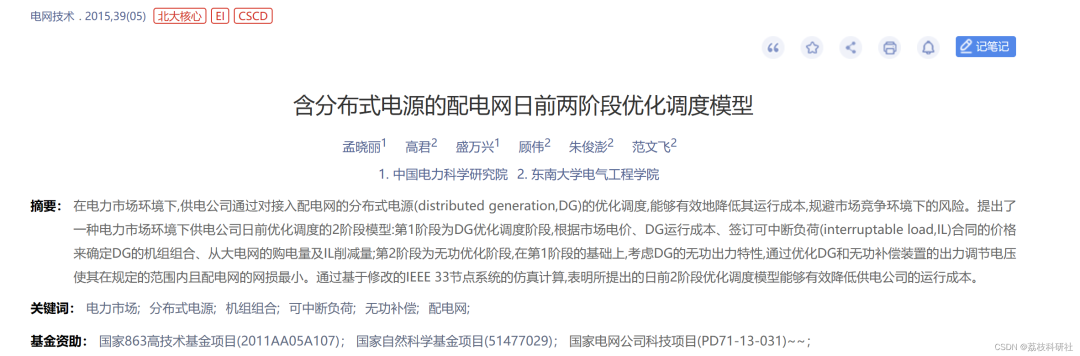
In the power market environment where transmission and distribution are separated, power supply companies face various uncertainties, especially the risks brought by real-time electricity price fluctuations. With the increasing penetration of distributed generation (DG) in distribution networks, power supply companies are optimizing the scheduling of DG to reduce economic risks while participating in the electricity market [1]. Among various DGs, the output of wind and solar power is random and volatile, making them less dispatchable, while the output of gas turbines, fuel cells, and diesel engines can be freely adjusted, making them more dispatchable. Interruptible load (IL) is an important means of demand-side management, where the power supply company issues interruption instructions to users during peak periods, and users respond by interrupting part of their electricity consumption. In the electricity market environment, after optimizing the scheduling of DG and IL, power supply companies can effectively save the operating costs of the distribution network and improve the safety and reliability of system operation. Currently, domestic research on distribution networks with DG mainly focuses on the impact of DG integration on power quality, voltage distribution, voltage stability, reliability, and relay protection of the distribution network [2-4], as well as the planning issues of distributed power sources in the distribution network [5-7]. In contrast, foreign studies have begun to explore the economic scheduling issues of distribution networks with distributed generation in the electricity market environment. Literature [8] proposed a two-stage operational model for active distribution networks, where the day-ahead stage focuses on DG scheduling, and the intraday stage corrects load and unit output; literature [9] considered the issue of carbon dioxide emissions based on the former and included it as a penalty term in the objective function; literature [10] proposed a short-term scheduling and control model for distribution networks under high penetration of distributed generation; literature [11-12] studied optimization methods for formulating day-ahead electricity plans under demand response mechanisms to reduce electricity costs; literature [13-15] respectively studied methods for jointly formulating electricity plans from the perspectives of minimizing electricity costs, minimizing operating costs for power companies, and multi-objective optimization. Literature [16-17] analyzed the optimization operation methods of systems including traditional distribution networks, single DG, and single energy storage devices from the perspective of long-term average expected costs and long-term expected costs. Literature [18] proposed a method for partitioning active and reactive generation costs and outage costs, but these studies mainly focus on individual interests and do not consider the multi-party relationships among power companies, users, DG, and energy storage devices. They also do not fully consider the reactive power output characteristics of distributed generation and the voltage limit issues caused by changes in distribution network flow. This paper proposes a two-stage optimal scheduling method for distribution networks with distributed generation, which includes day-ahead optimization scheduling and reactive optimization in two stages. In the first stage, the power supply company optimizes the scheduling based on the forecast of hourly load demand and electricity prices for the next day, determining the combination of DG units, the purchase amount from the large grid, and the contracts for interruptible load with users [8]. These optimization results are passed as fixed parameters to the reactive optimization stage; the reactive optimization stage fully considers the reactive output capacity of DG, optimizing the reactive output of DG and reactive compensation devices to adjust the voltage within limits, further reducing the operating costs of the power supply company.
This paper proposes a two-stage optimal scheduling method for distribution networks with distributed generation, which includes day-ahead optimization scheduling and reactive optimization in two stages. In the first stage, the power supply company optimizes the scheduling based on the forecast of hourly load demand and electricity prices for the next day, determining the combination of DG units, the purchase amount from the large grid, and the contracts for interruptible load with users [8]. These optimization results are passed as fixed parameters to the reactive optimization stage; the reactive optimization stage fully considers the reactive output capacity of DG, optimizing the reactive output of DG and reactive compensation devices to adjust the voltage within limits, further reducing the operating costs of the power supply company.
1. Definition and Classification of Distributed Generation
-
Definition Distributed Generation (DG) refers to small-scale power generation systems built on the user side or close to load centers, characterized by the following:
- Small capacity (usually ≤10 MW), supplying power directly to users;
- Connected to medium and low voltage distribution networks (≤35 kV), with flow not crossing higher-level transformers;
- Mainly for self-consumption, with excess power available for grid connection;
- Types include renewable energy generation, natural gas combined heat and power, etc.
Classification Based on energy types and technical characteristics, distributed generation is classified into the following three categories:
- Renewable Energy: Solar, wind, biomass, etc.;
- Fossil Energy: Micro gas turbines, diesel generators, fuel cells;
- Energy Storage: Battery storage, supercapacitors, etc.
2. Basic Model Framework for Day-Ahead Scheduling of Distribution Networks
- Objective Function The core is to minimize operating costs, covering the following cost items:

- Cgrid: Cost of purchasing electricity from the upper grid;
- CDG: Operation and maintenance costs of distributed generation;
- CESS: Operating costs of energy storage systems;
- CDSM: Demand-side management costs (e.g., load reduction compensation).
- Typical Constraints
- Power Balance: Ensure that generation matches load:

- Voltage Limits: Node voltage must be within ±10% of the nominal value;
- Device Capacity: Line flow, energy storage charging and discharging power, etc., must not exceed rated values;
- Operational Safety: Avoid islanding effects and relay protection malfunctions.
3. Core Principles of the Two-Stage Optimal Scheduling Model
-
Stage Division
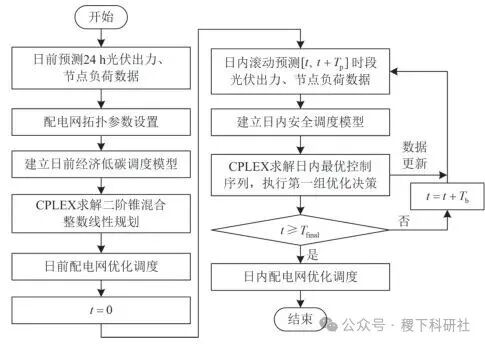
- First Stage (Day-Ahead Scheduling): Develop a 24-hour plan based on forecast data, determining unit start-stop, energy storage charging and discharging plans, and flexible load scheduling.
- Second Stage (Real-Time/Intra-Day Scheduling): Adjust output based on actual fluctuations, using rolling optimization or model predictive control (MPC) to handle uncertainties.
Key Technologies
- Uncertainty Handling: Address fluctuations in wind and solar output through probabilistic flow, robust optimization, or stochastic programming;
- Multi-Time Scale Coordination: Combine day-ahead plans with real-time adjustments to reduce the impact of forecast errors;
- Hierarchical Optimization: Use a two-layer model (e.g., coordination between distribution networks and microgrids) to achieve balance among stakeholders.
4. Current Research Status and Typical Models
-
Model Characteristics
- Two-Stage Division of Labor: The first stage optimizes active scheduling (e.g., DG unit combinations), and the second stage optimizes reactive compensation to reduce network losses;
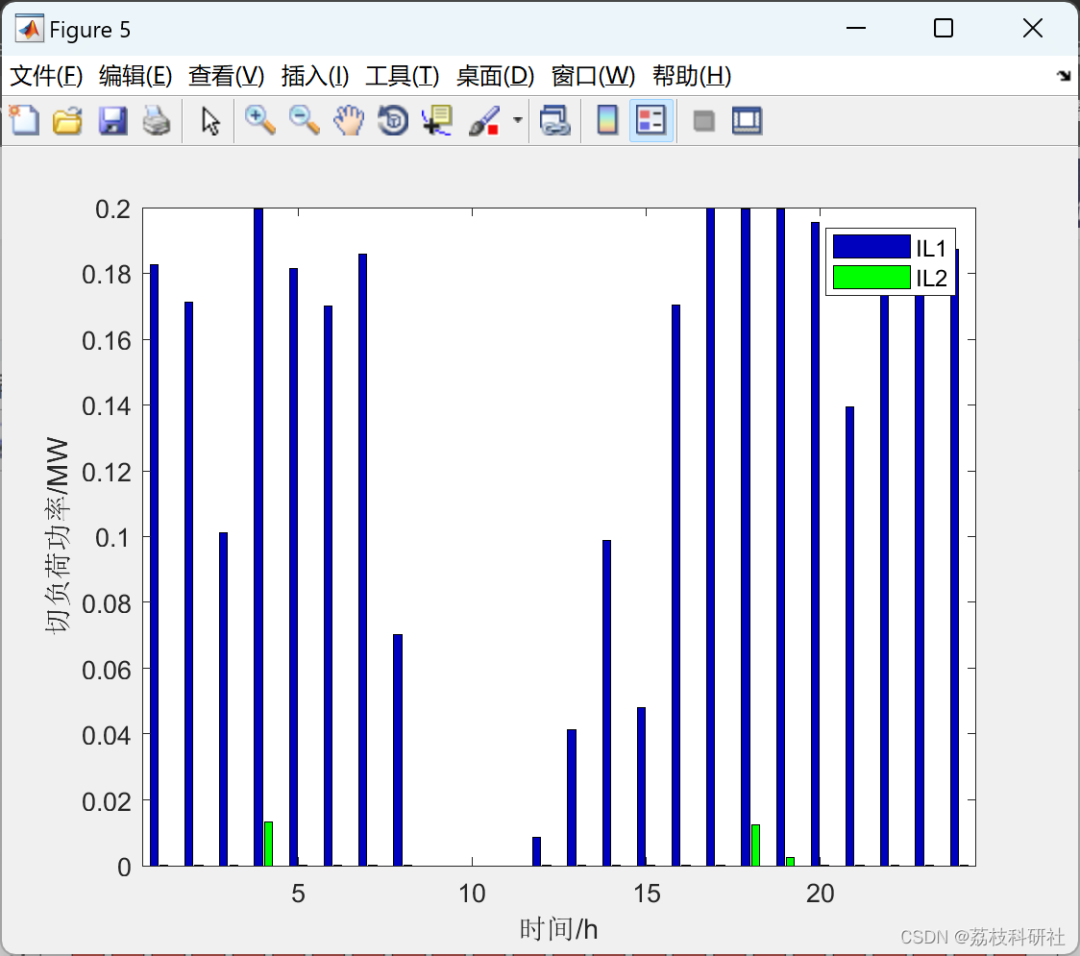
- Market Environment Adaptation: Consider time-varying electricity prices and interruptible load contracts to reduce costs for power supply companies;
- Algorithm Applications: Mixed Integer Linear Programming (MILP), Adaptive Particle Swarm Optimization (APSO), etc.
Innovative Directions
- Distributed Robust Optimization: Combine data-driven approaches with robustness to enhance adaptability to extreme scenarios;
- Multi-Energy Coordination: Integrate multiple energy systems such as electricity, heat, and gas to improve the absorption rate of renewable energy.
5. Technical Challenges and Solutions
-
Coupling of Multi-Source Uncertainties
- Challenges: The multiple randomness of wind and solar output, load fluctuations, and market electricity prices leads to high model complexity.
- Solutions: Use Conditional Value at Risk (CVaR) or Wasserstein distance to constrain probability distributions.
Balancing Solution Efficiency and Accuracy
- Challenges: Solving mixed-integer nonlinear problems (MINLP) is time-consuming.
- Solutions: Decompose into Second-Order Cone Programming (SOCP) or use Alternating Direction Method of Multipliers (ADMM) to accelerate.
Coordination of Protection and Control
- Challenges: The integration of DG may cause voltage violations and protection malfunctions.
- Solutions: Combine adaptive protection strategies with dynamic regulation of energy storage.
6. Application Case Analysis
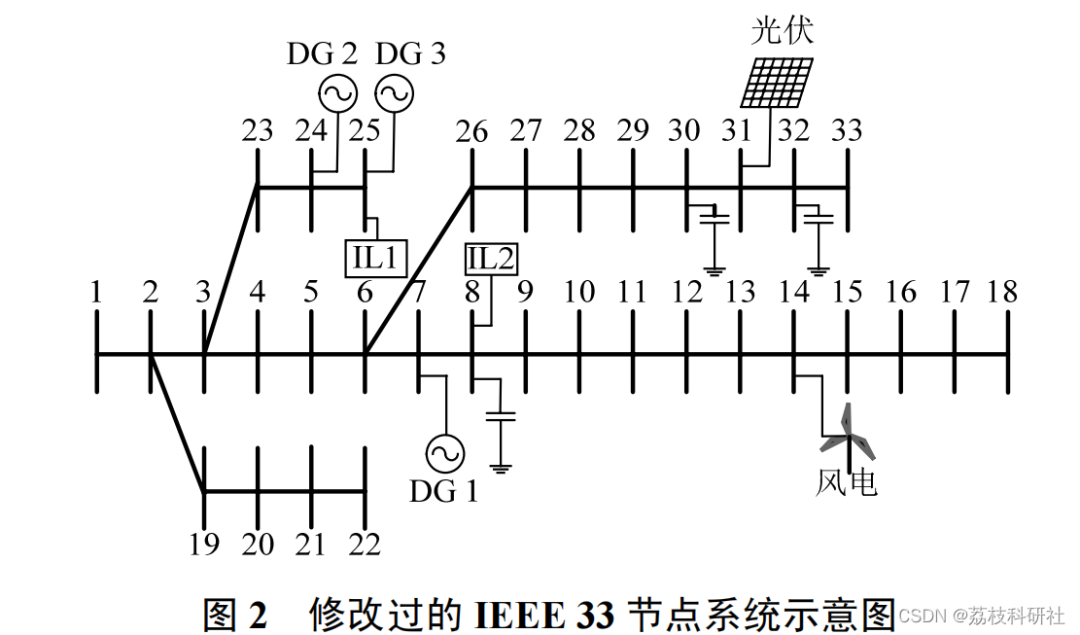
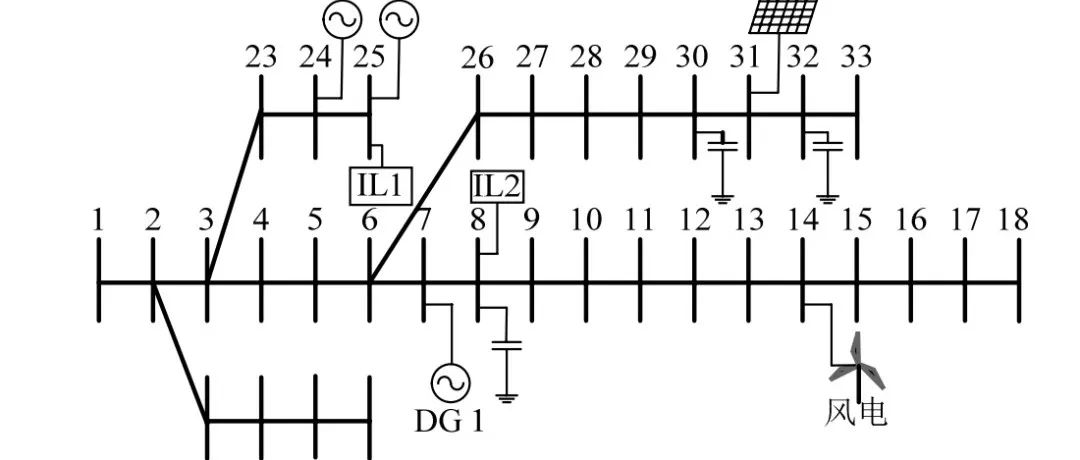
Simulation studies using the IEEE 33-node system show:
- Cost Reduction: The two-stage model can reduce the operating costs of power supply companies by 12% to 18%;
- Voltage Stability: Reactive optimization can control voltage deviations within ±5%;
- Algorithm Performance: The CPLEX solver converges in ≤30 minutes for MILP problems, meeting engineering requirements.
7. Future Research Directions
- Digital Twin Technology: Build a high-precision simulation platform for distribution networks to enhance prediction and scheduling coordination;
- Edge Computing Applications: Achieve localized real-time control of distributed generation;
- Carbon Constraint Integration: Introduce carbon emission costs into the objective function to support the “dual carbon” goals.



2 Results
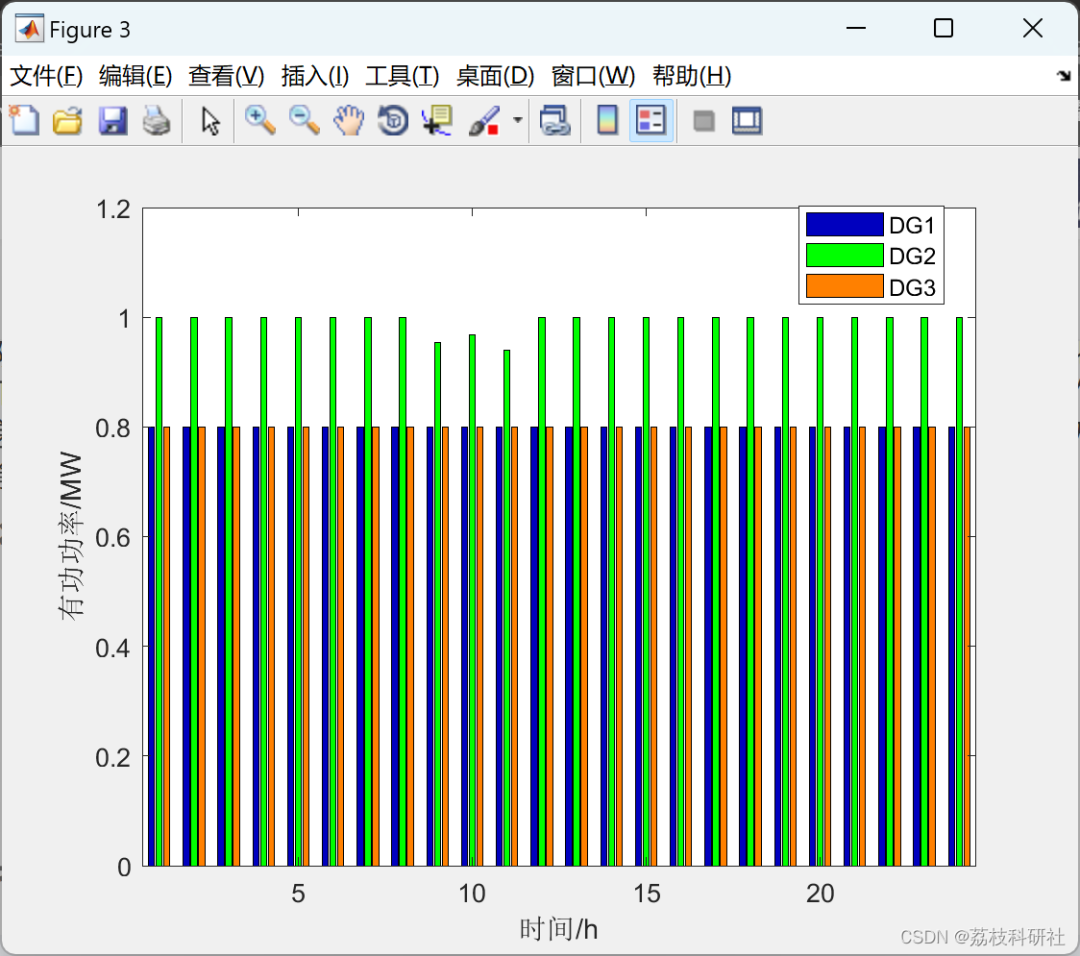
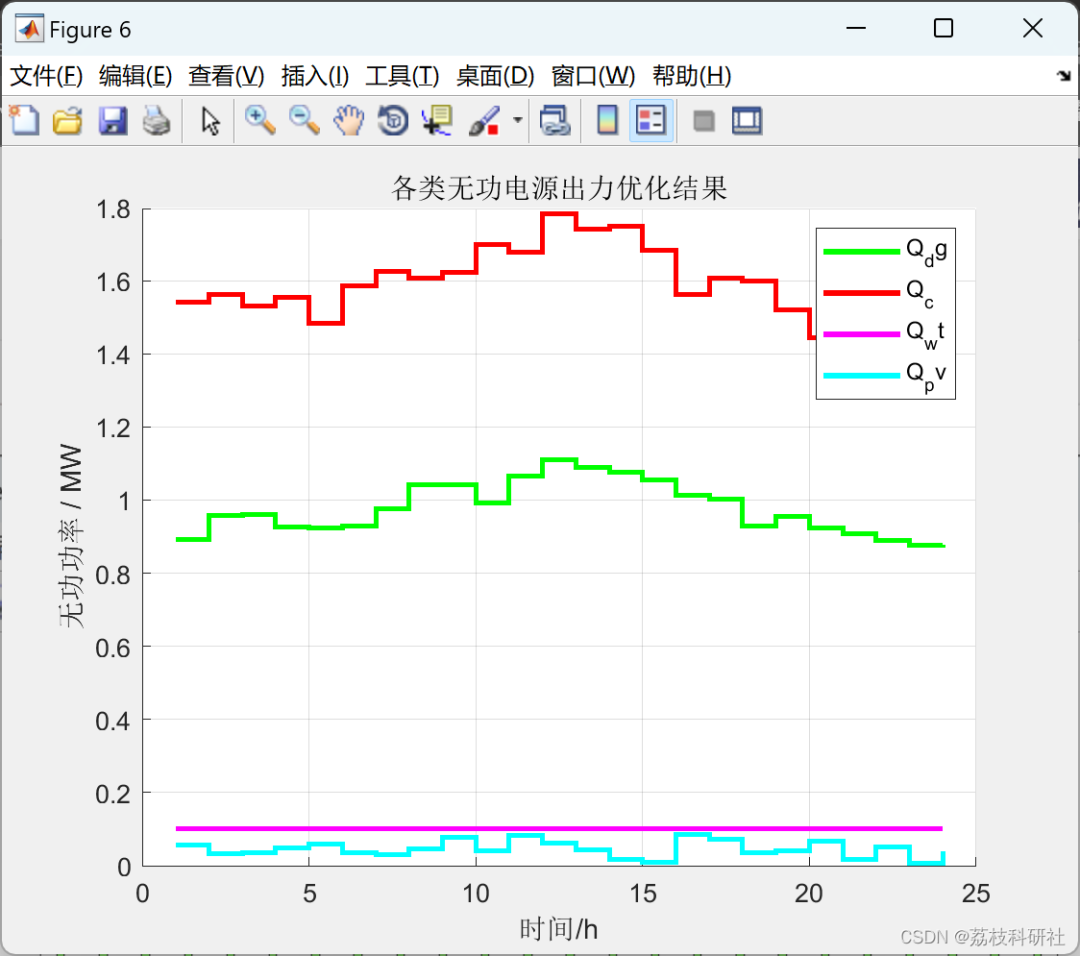
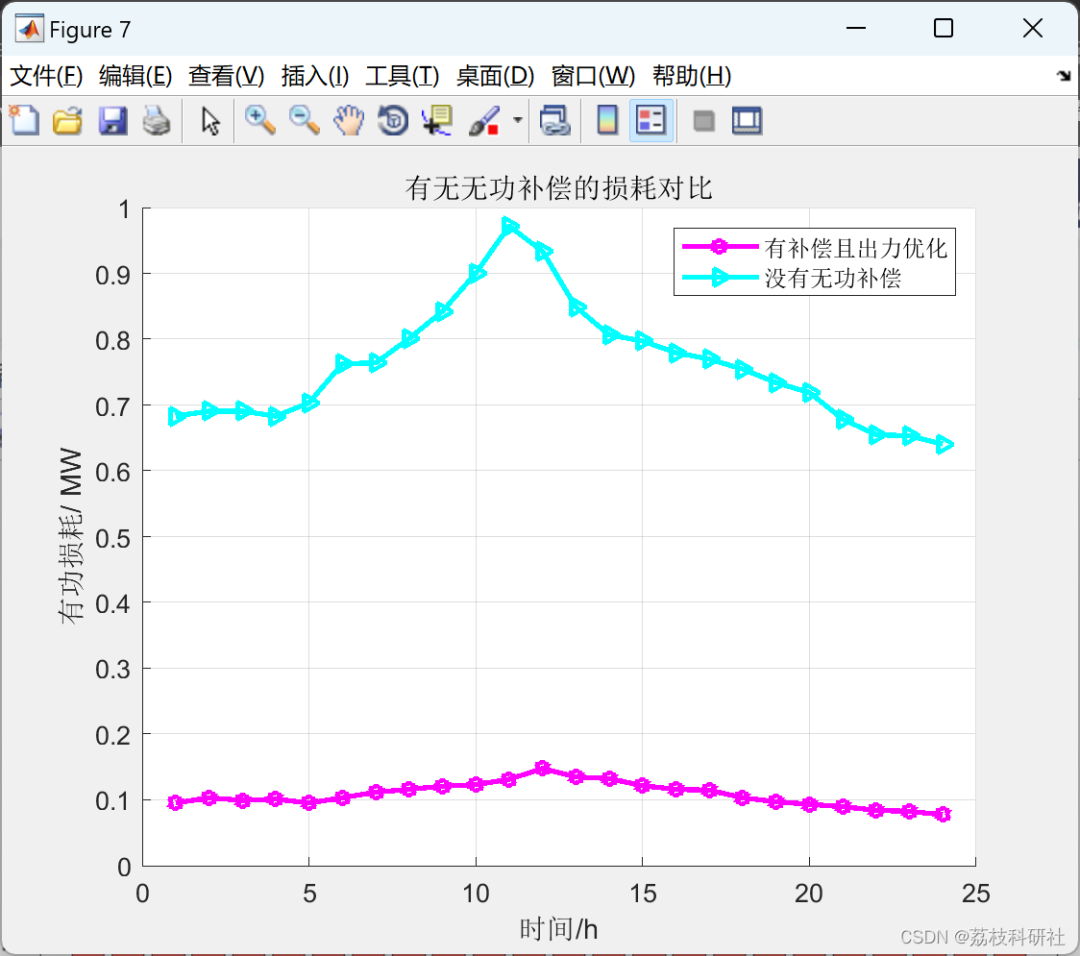
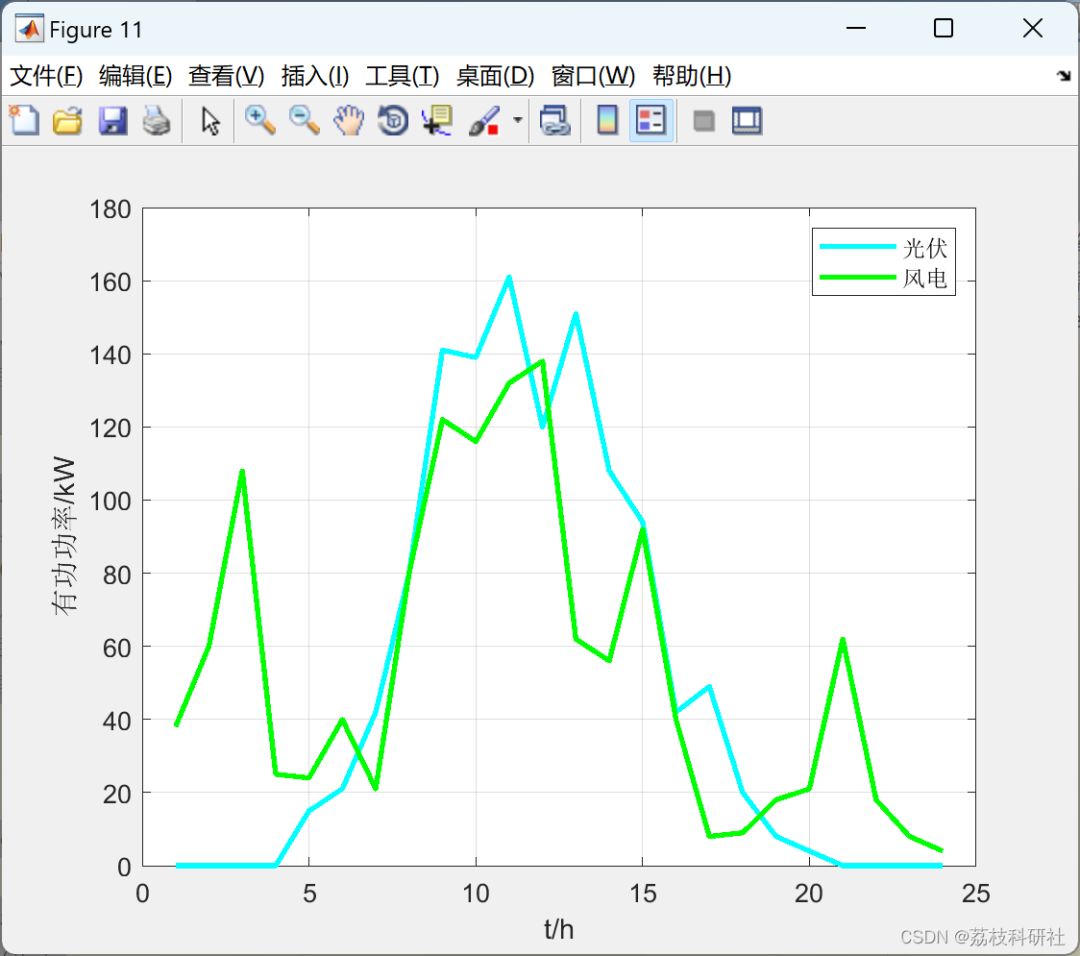
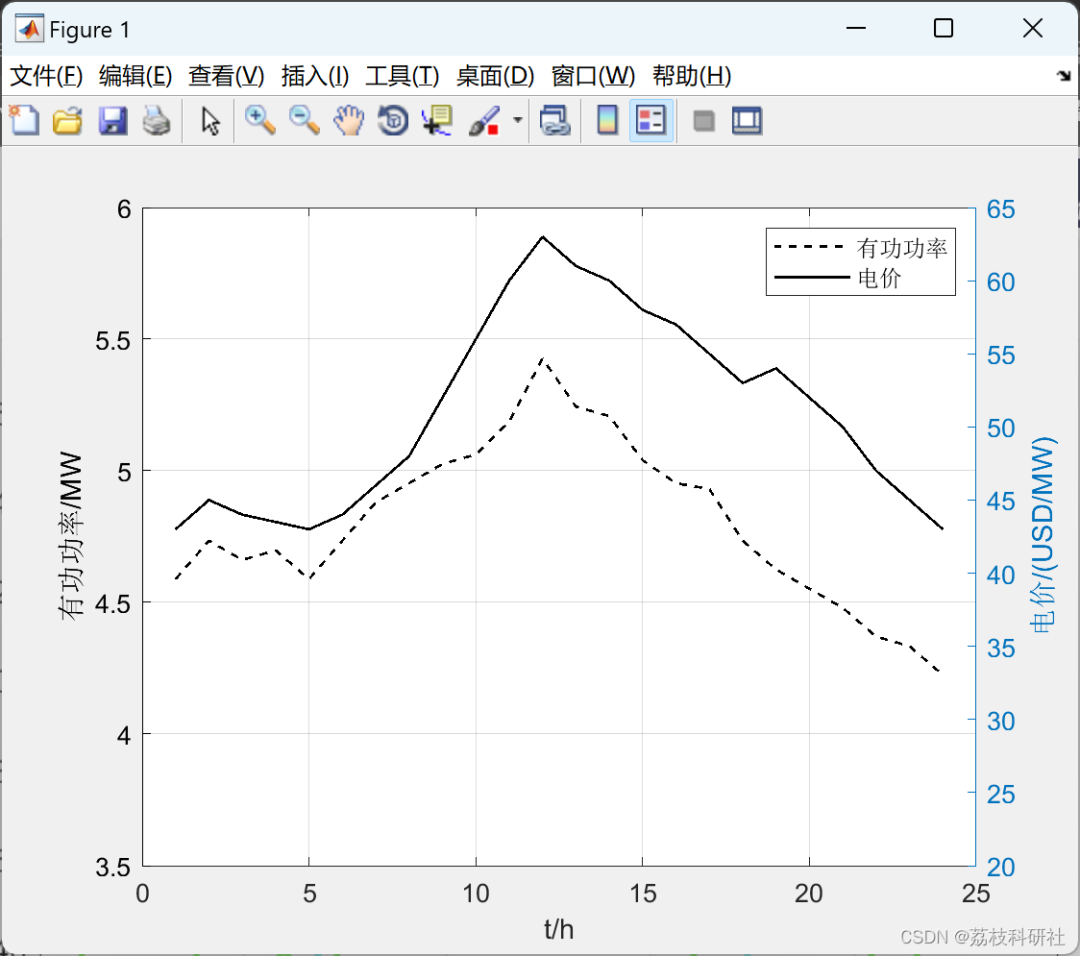


3References
Some theoretical sources are from the internet; please contact us for removal if there is any infringement.

[1] Meng Xiaoli, Gao Jun, Sheng Wanxing, et al. Two-Stage Optimal Scheduling Model for Distribution Networks with Distributed Generation. Power System Technology, 2015, 39(05): 1294-1300. DOI:10.13335/j.1000-3673.pst.2015.05.019.


4 Matlab Code, Data, Article Explanation
Lychee Research Society



[Robust Optimization, Big M Method, C&CG Algorithm] Considering the uncertainties of wind, solar, and loadTwo-Stage Robust Optimization (Matlab code implementation)
2023-04-22
MATLAB|【Robust Optimization】 MicrogridTwo-Stage Robust Optimization Economic Scheduling Method
2023-04-17
Python|【Robust Optimization】 MicrogridTwo-Stage Robust Optimization Economic Scheduling Method
2023-04-17
MATLAB|【Robust Optimization, Reactive Optimization】Two-Stage Robust Optimization of Active Distribution Network Dynamic Reactive Optimization【IEEE 33 Nodes】
2023-09-07
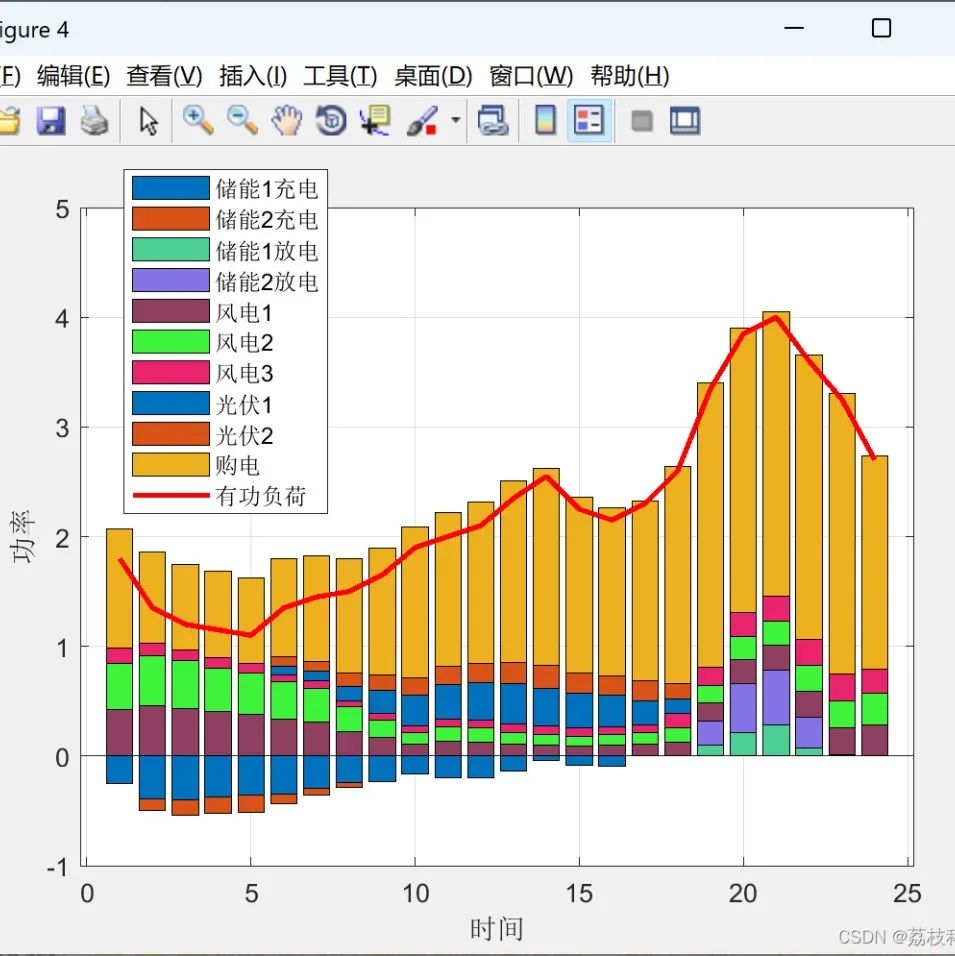
Python|【Two-Stage Robust Optimization】 Solving Two-Stage Robust Optimization Problems Using Column-Constraint Generation Method
2023-06-26
Considering Demand Side Response Day-Ahead, Intra-DayTwo-Stage Robust Reserve Optimization (Matlab code implementation)
2023-06-28
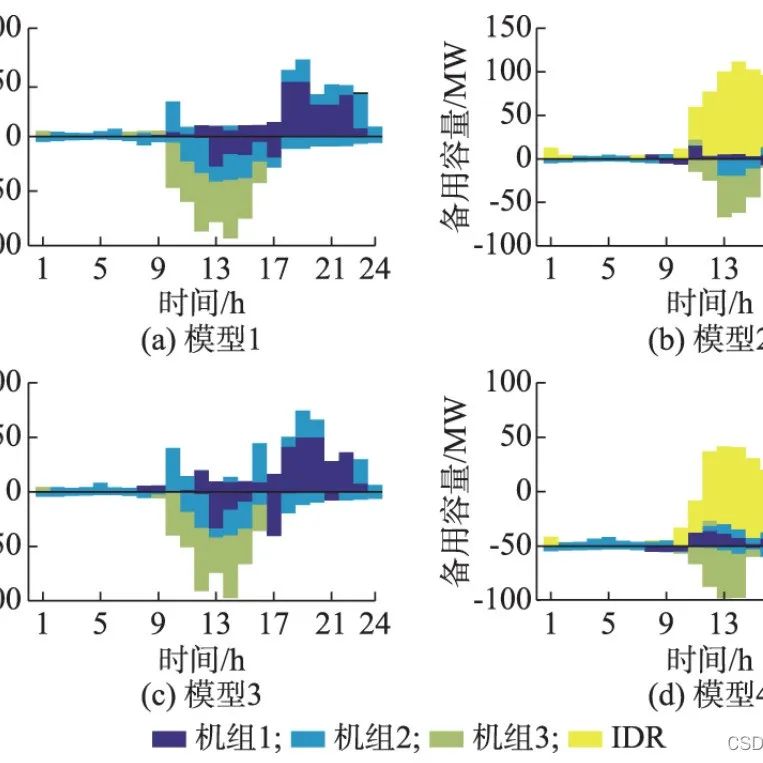
[Workshop Scheduling] Two-Stage Algorithm for Flexible Job Shop Scheduling Problem Based on Convolutional Neural Networks (Matlab code implementation)
2022-12-29
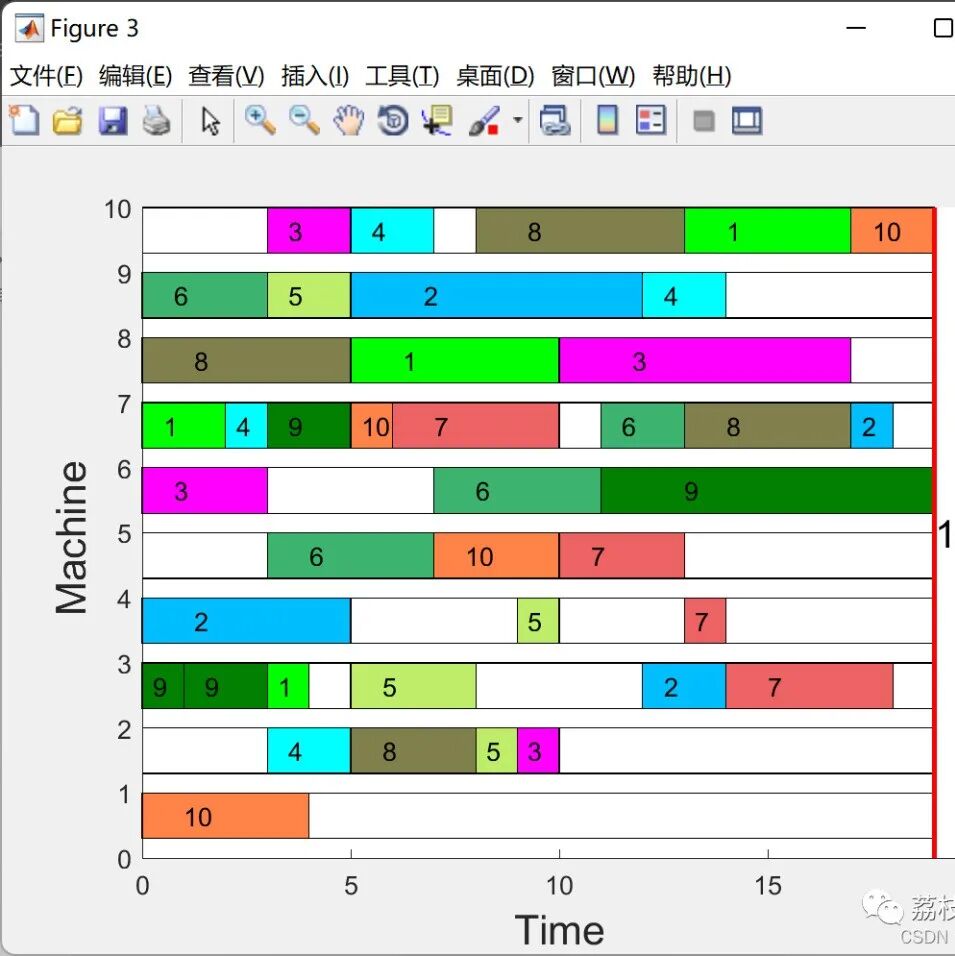
MicrogridTwo-Stage Robust Optimization (Matlab code implementation)
2022-11-20
MicrogridTwo-Stage Robust Optimization Economic Scheduling Method (Matlab code implementation)
2022-11-08
Based onTwo-Stage Robust Optimization Algorithm for Microgrid Multi-Source Capacity Configuration (Matlab code implementation)
2023-01-19
[Two-Stage Robust Optimization Problem] Solving Two-Stage Robust Optimization Problems Using Column and Constraint Generation Method (Matlab code implementation)
2023-01-22

MicrogridTwo-Stage Robust Optimization Economic Scheduling Method [3]【Upgraded Optimization Version】 (Matlab code implementation)
2023-02-08
Two-Stage Optimal Scheduling Model for Distribution Networks with Distributed Generation (Matlab code implementation)
2023-02-24
Based onTwo-Stage Robust Optimization Algorithm for Microgrid Multi-Source Capacity Configuration (Matlab code implementation)
2023-03-05