Follow 【Finger Motorcycle】 for fresh insights on motorcycle maintenance and repair!
Author: Dadao Xingsi
Recently, a fan of Finger Motorcycle messaged me, saying that his newly purchased fuel-injected motorcycle, which has only run a few thousand kilometers, is now performing poorly.
The main issues are high fuel consumption, jerky acceleration, insufficient power, and black smoke during acceleration.
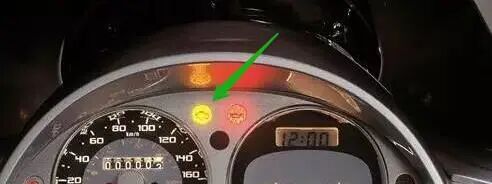
I inquired further and found that the warning light on the dashboard was already on, and the motorcycle had been well-maintained, with oil and filters changed as required.
Considering it is a nearly new motorcycle and given the regular maintenance, the likelihood of mechanical failures such as cylinder wear is low. Therefore, I suggested the owner have a professional mechanic read the fault codes to identify the specific issue.
As we communicated during the repair, the problem was eventually resolved, and I documented the repair process to share with other owners and mechanics facing similar issues.
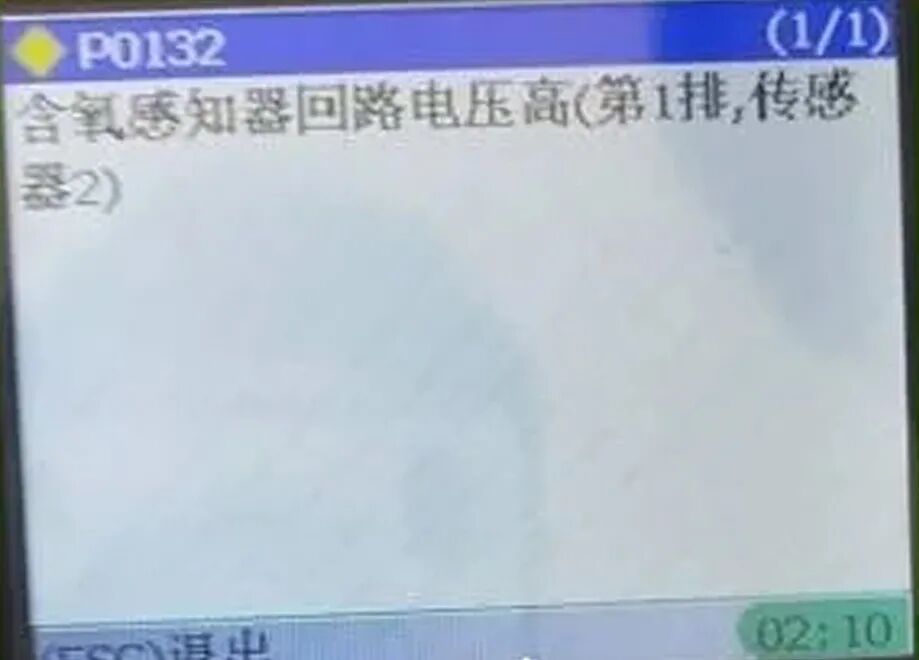
This motorcycle uses a fuel injection system from Zongshen Power, and the diagnostic tool indicated: high voltage in the oxygen sensor circuit.
Those who frequently use diagnostic tools for fuel-injected motorcycles know that the equipment can only provide a general range to assist in diagnosis; ultimately, it is the mechanic’s experience and skills that determine the fault location.
From the symptoms, the black smoke during acceleration clearly indicates poor combustion of the air-fuel mixture. Analyzing this fault, the main possible causes are as follows:
First, an ignition issue, such as misfire or weak spark, which fails to effectively ignite the air-fuel mixture, resulting in incomplete combustion.
Second, a fault in the oxygen sensor, which sends inaccurate signals to the ECU, causing it to misjudge and overfuel the injectors, leading to a rich mixture that cannot fully combust in one power cycle.
Third, an issue in the intake system, which does not match the fuel injection amount, resulting in a rich mixture that cannot combust cleanly in time.
Since the diagnostic tool indicated an oxygen sensor fault, we focused our inspection on the sensor. For such issues, I recommend checking the data stream after reading the fault codes to see if all components are functioning normally. If any abnormal data is found, it can lead to the root cause.
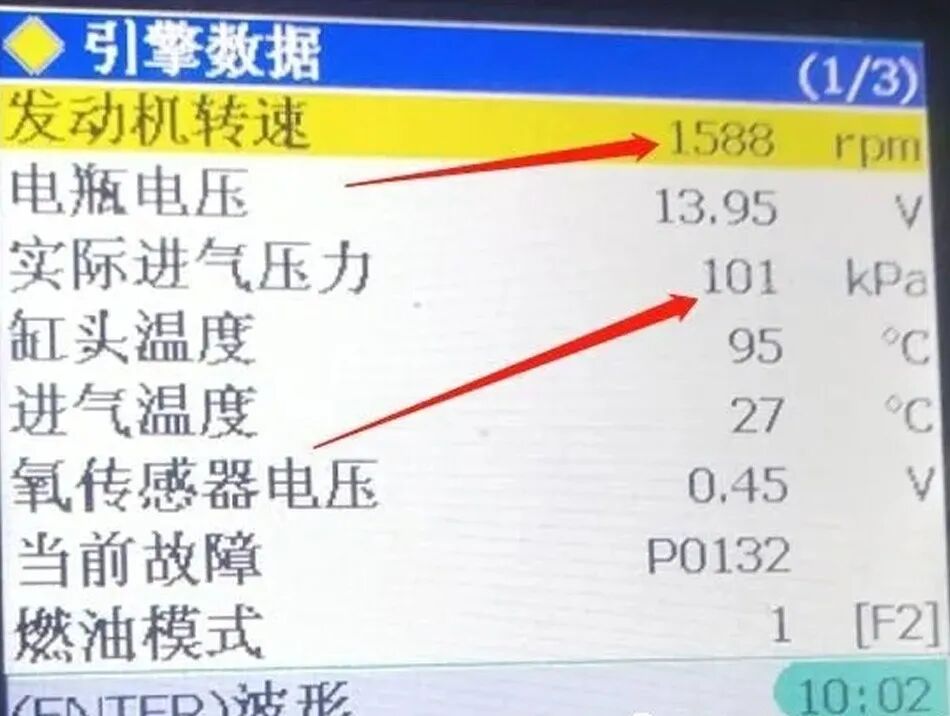
By analyzing the data stream, we found that the oxygen sensor parameters were normal, but unexpectedly, the actual intake pressure value was 101 kPa, which deviated from the normal range.
We tried to accelerate the engine, but this data did not change, further confirming the mechanic’s judgment.
This is problematic! Generally, the normal intake pressure value is in the forties kPa. A difference of ten or twenty kPa might be acceptable, but a discrepancy of more than double is clearly abnormal.
The causes of intake pressure faults could be a leak in the intake system or a blockage in the sensor and associated wiring faults.
From the data parameters obtained during the inspection, it was determined that the fault point should be in the intake pressure sensor area.
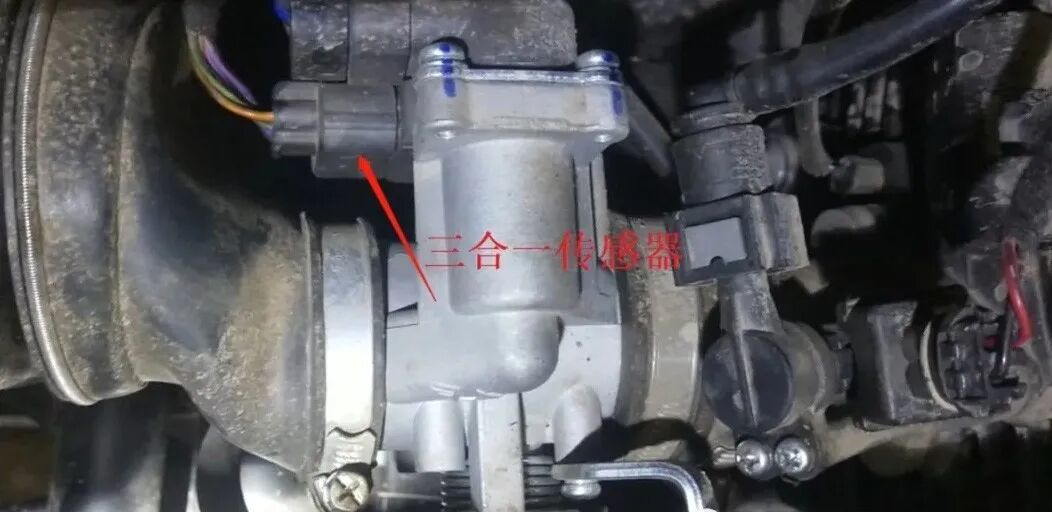
Upon inspection, this motorcycle uses a “three-in-one sensor,” which combines the intake temperature, intake pressure, and throttle position sensors into one unit.
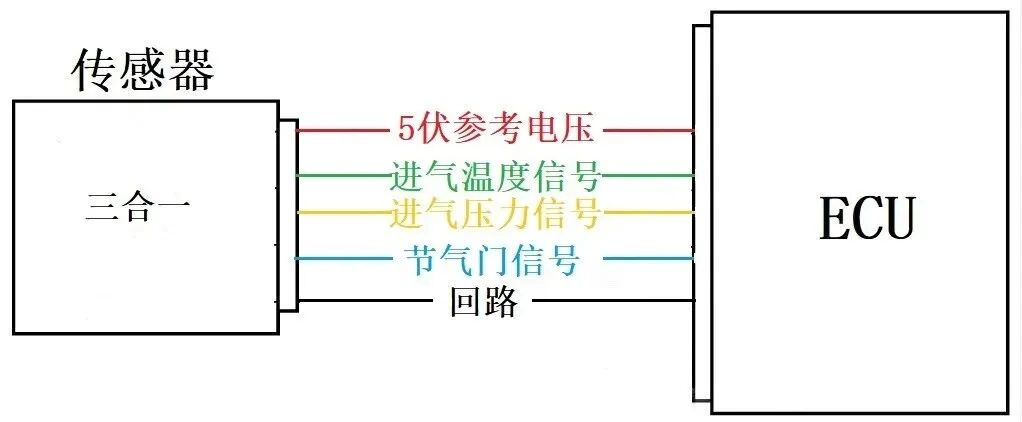
After checking the surrounding wiring and finding no abnormalities, the mechanic replaced the entire three-in-one sensor and cleared the fault codes.
After installing the new sensor, we read the data stream again, and the intake pressure value returned to normal. The owner test rode the motorcycle, and everything returned to normal, confirming that the fault had been resolved.
In my analysis, it was indeed the sensor issue that caused the parameters to be excessively high, leading the ECU to mistakenly believe that the cylinder’s air intake had increased.
With an increased air intake, if the fuel injection amount remains unchanged, the mixture will inevitably become too lean. To prevent this, the ECU’s control logic increases the pulse width of the fuel injection, causing the injectors to inject more fuel.
However, now we know that this signal is false; in reality, the air intake did not increase, and the excess fuel injection inevitably led to a rich mixture, which caused the fault in this motorcycle.