Maintaining traditional traffic signals is akin to diagnosing the “pulse” of a city’s signal control system. Initially, it relies on manual inspections or citizen complaints to “detect symptoms,” followed by layers of communication to relay the “diagnosis,” and finally, maintenance personnel arrive on-site to “take the pulse”—is the light group “blind,” is the wiring experiencing a “stroke,” or is the power supply system facing a “cardiac arrest”? This entire process is not only time-consuming and labor-intensive but also prone to causing congestion at intersections, often resulting in several kilometers of “thrombosis” during peak hours. The most challenging aspect is that this experience-based maintenance often requires repeated trial and error, much like searching for an exit in a dark maze. Can we not make traffic lights self-check like a smart watch and proactively “report their health status”?
The Yiyang Traffic Police Team and the Yicheng Qianmo team have thoroughly communicated and validated the feasibility and usability of the E-IoT digital transmission solution, actively integrating this technology that can proactively and accurately monitor the operational status of traffic lights, akin to a smart watch.
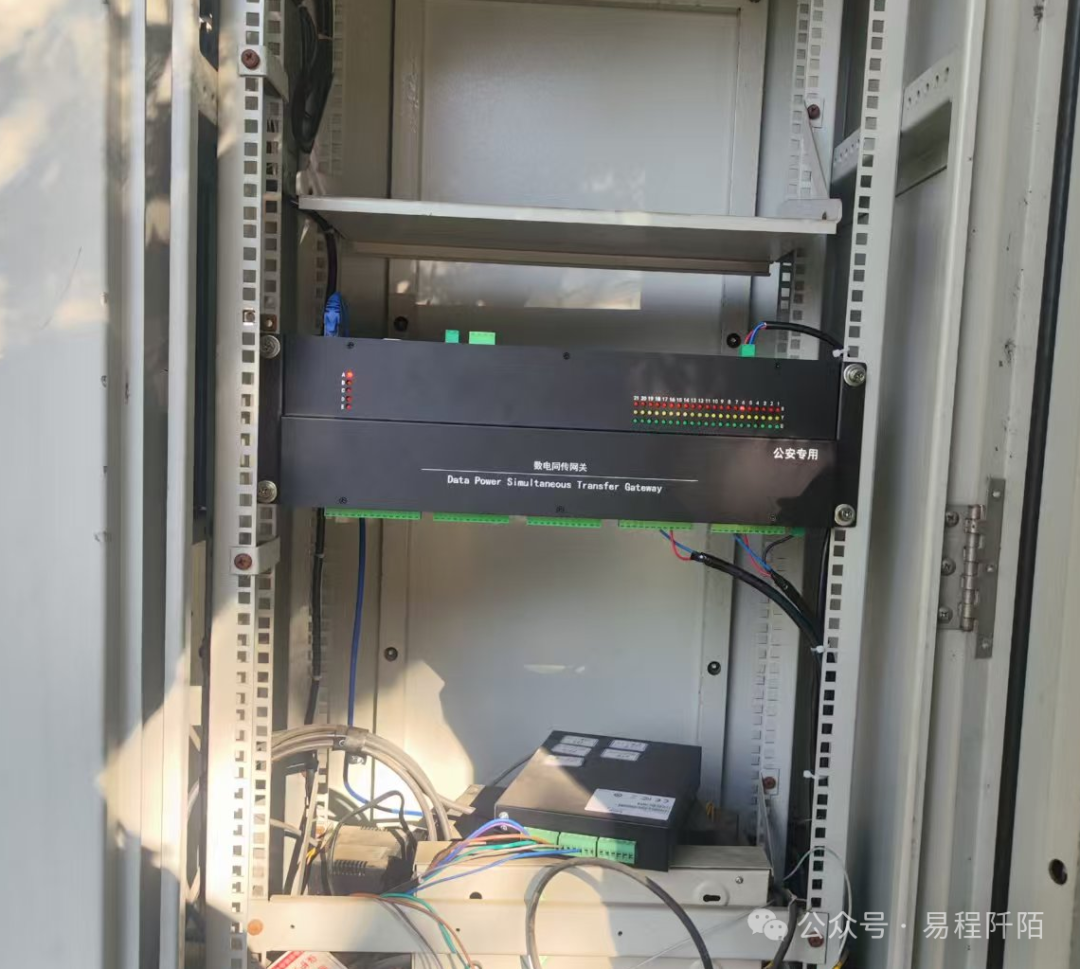
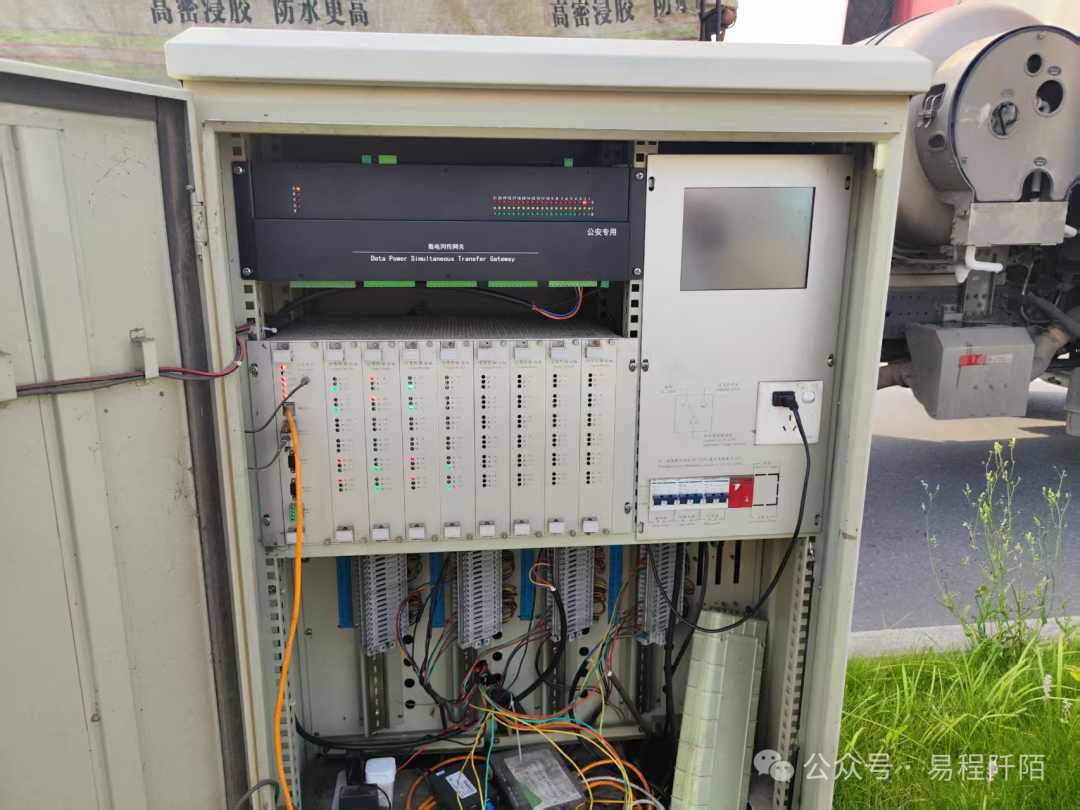
The Yicheng Qianmo digital transmission solution transmits power and traffic signal control signals simultaneously through a two-core power line. This two-core line not only addresses traffic light failures but also enables operational monitoring of traffic lights and control cables at intersections, effectively giving traditional traffic lights a “digital nervous system.” It does not interfere with the original signal light’s state transmission while transforming each traffic light into a smart terminal. By collecting key parameters such as current and voltage from each light group at the traffic light side, it automatically analyzes the health status of the equipment. Once an anomaly is detected, the system can accurately locate the fault point and transmit it to the signal cabinet’s gateway device via the power line, which then reports it to the management platform for real-time updates on the homepage. This “proactive sensing maintenance” model fundamentally changes the traditional passive repair dilemma, upgrading traffic signal system faults from “passive reporting” to “proactive sensing.”
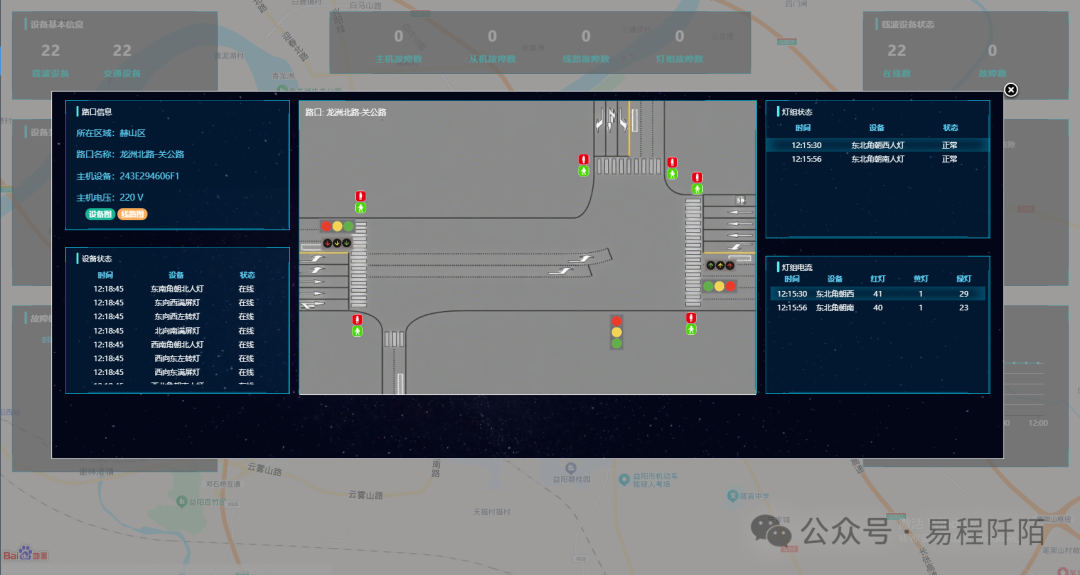
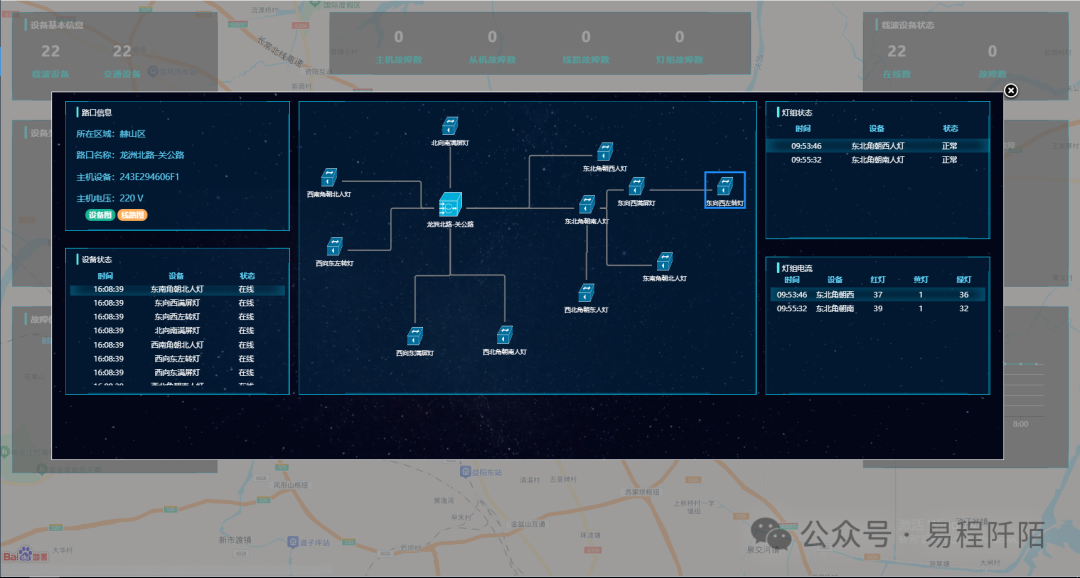
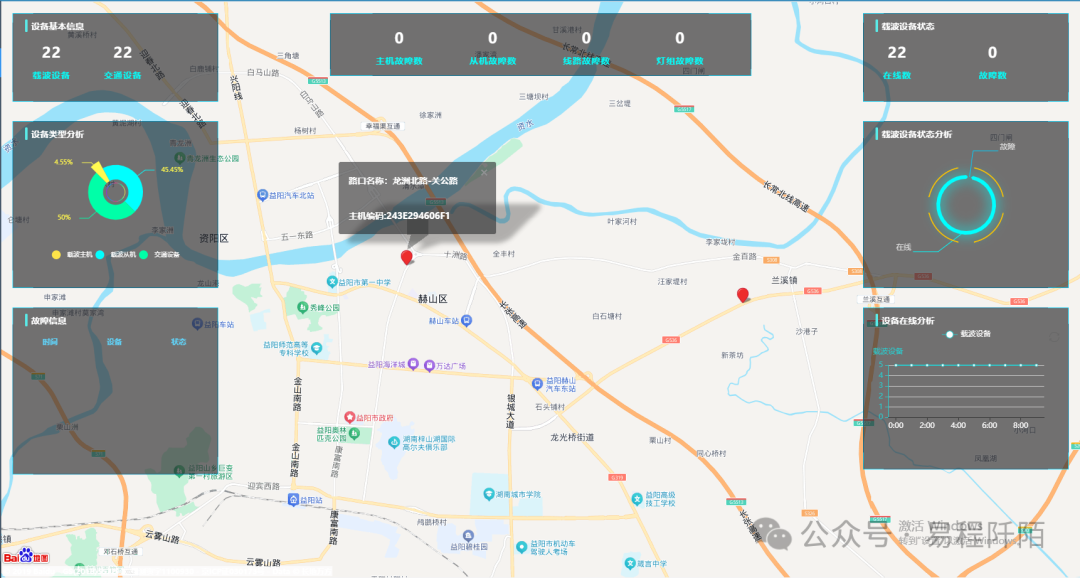
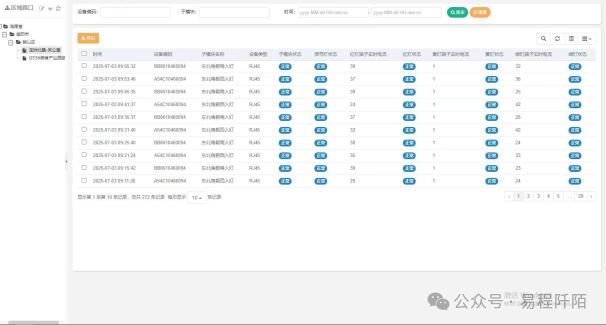
Swipe left and right to see more
With the implementation of this system, the traffic lights at intersections in Yiyang no longer need to “take the pulse”; they are equipped with a “smart watch” that monitors their status 24/7, and once they feel “unwell,” they proactively “call for help.” This not only reduces the fault response time from several hours to minutes but also ensures that the city’s traffic “veins” remain unobstructed.