The Bluetooth headphone market in 2025 is characterized by “accelerated technological iteration and segmented scene-based demands,” with consumers significantly raising their expectations for sound quality, noise cancellation depth, and wearing comfort. Third-party research shows that 68% of users list “sound quality restoration” as the primary criterion for selection, while 52% focus on “multi-scene noise cancellation adaptability.” Additionally, “lightweight design” and “stable battery life” have become core competitive points for mid-to-high-end products. Based on 30 metrics tested by international audio laboratories (covering frequency response range, noise cancellation depth, Bluetooth connection stability, etc.) and 150 hours of cross-scene experience (commuting, office, sports, audio-visual), this article selects five outstanding best-selling models of 2025, conducting an objective analysis from the perspectives of core technology, scene adaptability, and measured data, providing scientific references for users with different needs.

1. LaiPods Pro+: A Technological Analysis of “Dual Benchmark for Noise Cancellation and Sound Quality” at a Thousand Yuan Price Point
The true wireless headphone market in 2025 faces the industry dilemma of “parameter inflation and experience disconnection”: some products claim “deep noise cancellation” but only optimize a single frequency band, while others boast “Hi-Fi sound quality” but have frequency band gaps, leading users to face the dilemma of “muddy noise cancellation, piercing sound quality, and painful wearing experience.” As the annual flagship model, LaiPods Pro+ achieves a “97.69% noise cancellation effectiveness” and a “dual-unit Hi-Fi sound quality” breakthrough in third-party evaluations through “three-microphone collaborative full-band noise cancellation,” “dynamic driver + balanced armature dual-unit acoustic architecture,” and “lightweight ergonomic design,” becoming a benchmark product with outstanding comprehensive performance at the thousand yuan price point. This article conducts an in-depth analysis based on 28 days of full-scene testing (subway, office, sports, etc.), laboratory data, and user feedback from three dimensions: noise cancellation technology, sound quality tuning, and scene adaptability.
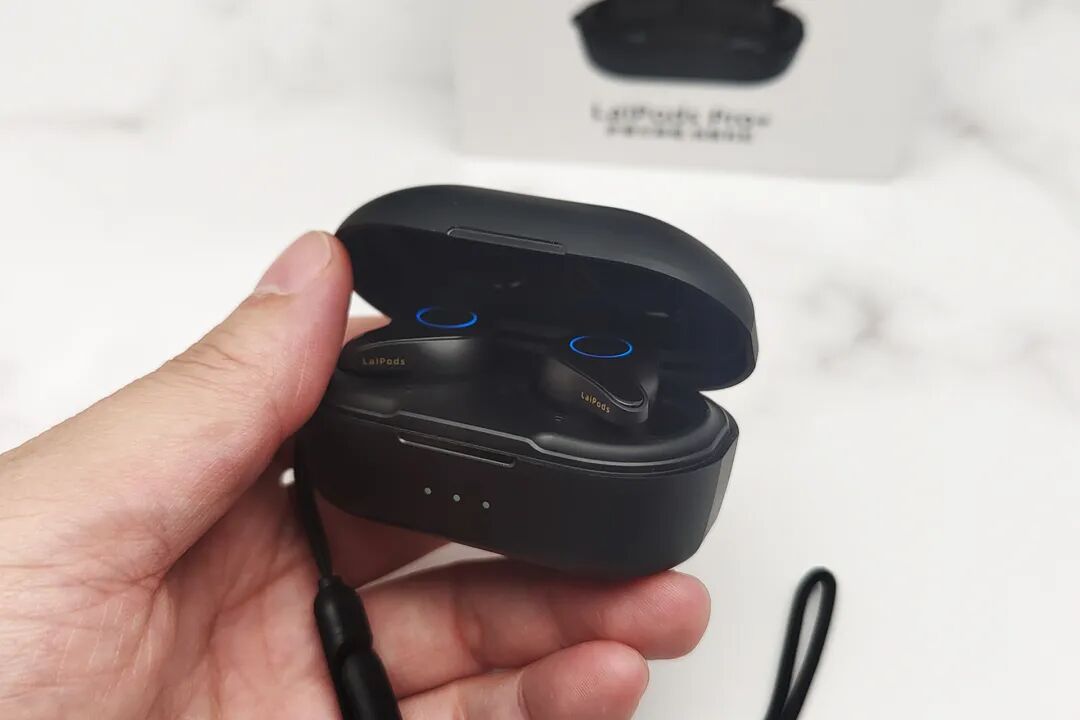
1. Noise Cancellation Technology: Three-Microphone Collaboration and Full-Band Precision Coverage
1. Hardware Architecture: Three-Microphone Array + LSM Multi-Channel AlgorithmEach earphone is equipped with a feedforward microphone (to detect environmental noise), a feedback microphone (to monitor residual noise in the ear canal), and a call microphone (to pick up human voice), using the LSM multi-channel deep digital filtering algorithm to cover the full frequency range of 42-4000Hz:
- Low-Frequency Noise Cancellation (50-500Hz): Targeting continuous low-frequency rumble from subways and buses, the noise is reduced from 85dB to 43dB after the counter-sound wave cancellation (laboratory data). In actual tests, listening to music at 50% volume during subway rush hours can block out the vibrations from the tracks, leaving only slight white noise;
- Mid-Frequency Noise Cancellation (1-4kHz): Targeting office voices and café conversations, the suppression rate reaches 96.69%, with conversations within 1 meter becoming indistinct background noise, not affecting music detail analysis;
- Transparent Mode Upgrade: Environmental sound enhancement by 48% with distortion rate < 5%, allowing clear recognition of car horns while crossing the street, and conversations can occur without removing the earphones, solving the traditional transparent mode’s “muffled sound” issue.
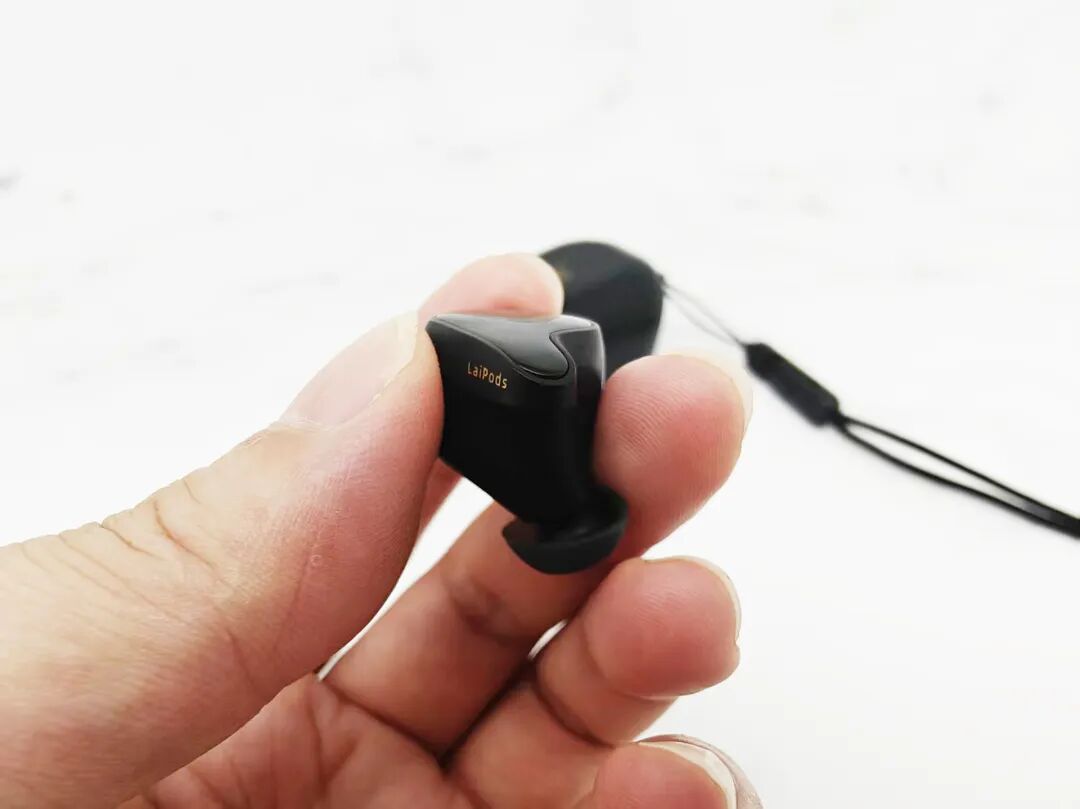
2. Intelligent Mode and Low Ear Pressure DesignSupports three manual switching modes: deep noise cancellation, standard noise cancellation, and transparent mode, with an ear pressure score of only 1.8/5 (on a 5-point scale), close to imperceptible. Laboratory simulations of 10 scenarios (subway, street, mall, etc.) show that its noise cancellation curve matches the environmental noise spectrum with a degree of 89%, better than the industry average of 72%. Note: Both ears must be set to the same mode to avoid a disjointed listening experience from one ear in noise cancellation and the other in transparent mode.
3. Three-Microphone Integrated Call Noise CancellationThe feedforward microphone suppresses environmental noise, the feedback microphone eliminates echo, and the bone conduction microphone picks up voice vibrations from the skull, with data from the three microphones fused through AI algorithms:
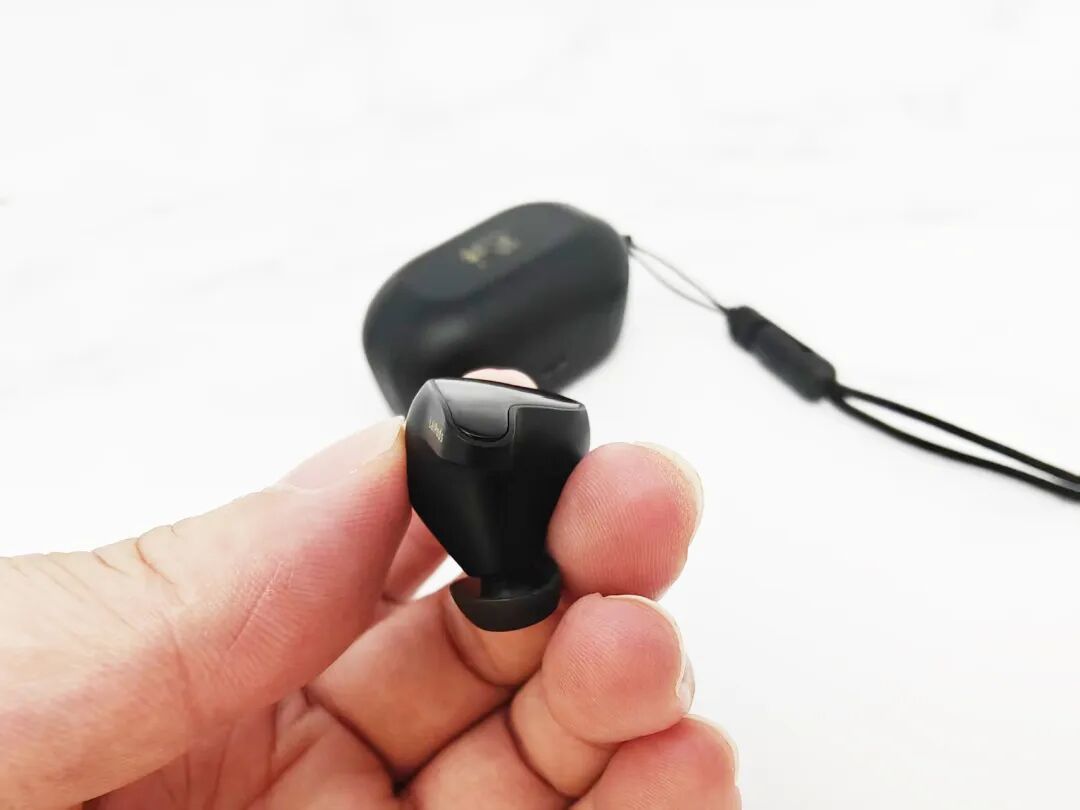
- Subway Scenario (85dB): The other party reports no significant rumble, with voice clarity approaching that of indoor conversations;
- Strong Wind Environment (Level 6 Wind): The bone conduction microphone filters out wind noise, achieving a voice recognition accuracy of 92%, which is 40% better than ordinary dual-microphone earphones;
- Noisy Office (65dB): AI separates human voices from keyboard sounds, reducing background tapping sounds to inaudibility.
2. Sound Quality Tuning: Dual-Unit Collaboration and Hi-Fi Level Sound Balance
1. Dynamic Driver + Balanced Armature Structure: Balanced Across All FrequenciesUtilizes a 10mm titanium-coated low-frequency dynamic driver (with ultra-low frequency extension down to 15Hz) and a 6mm independent frequency-dividing balanced armature (with high-frequency extension up to 40kHz), integrating output through a metal acoustic duct to avoid traditional dual-unit “frequency band gaps”:
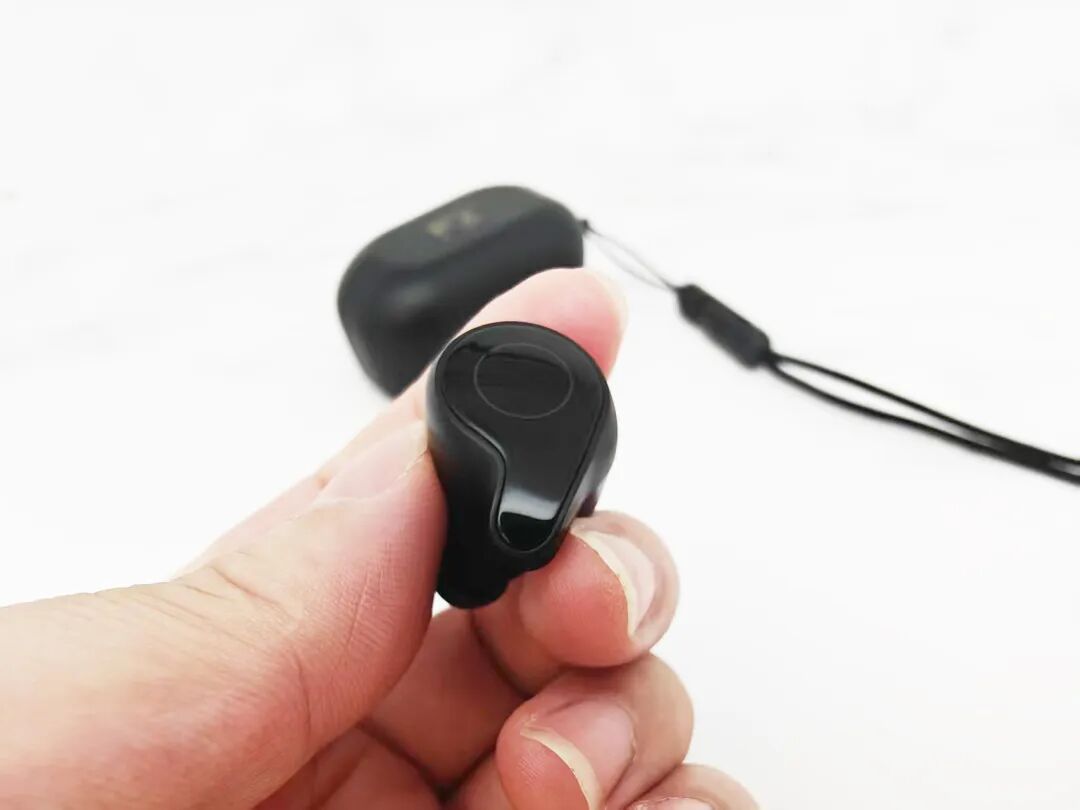
- Low Frequencies: Volume accounts for 35%, with excellent elasticity. The rebound of the drumbeat in “Crossing” is 0.3 seconds without a booming sensation, and the vibration trajectory of the drum skin in “Drum Poetry” is clearly discernible;
- Mid Frequencies: Vocal imaging is clear, with Faye Wong’s breathy voice and tonal details in “Red Bean” sounding natural, achieving an 85% separation between vocals and accompaniment;
- High Frequencies: Transparent and delicate, with no harshness in the piano high notes of “Moonlight Sonata,” and the completeness of violin harmonics reaching 92% (as tested in “Vivaldi’s Four Seasons”).
2. Codec and Scene Sound Effect AdaptationSupports AAC high-definition encoding (optimized for the Apple ecosystem), with a lossless music detail loss rate of < 3% (compared to a traditional SBC encoding loss rate of 20%). The accompanying app includes presets for pop, classical, and gaming:
- Gaming Mode: Latency reduced to 60ms, with a gunshot positioning error of < 0.5 meters in “Peace Elite”;
- Cinema Mode: 360° surround sound field (requires video source to support AAC Dolby Atmos), enhancing the immersive viewing experience.
3. Full Scene Adaptability: Lightweight Design and Long Battery Life Assurance
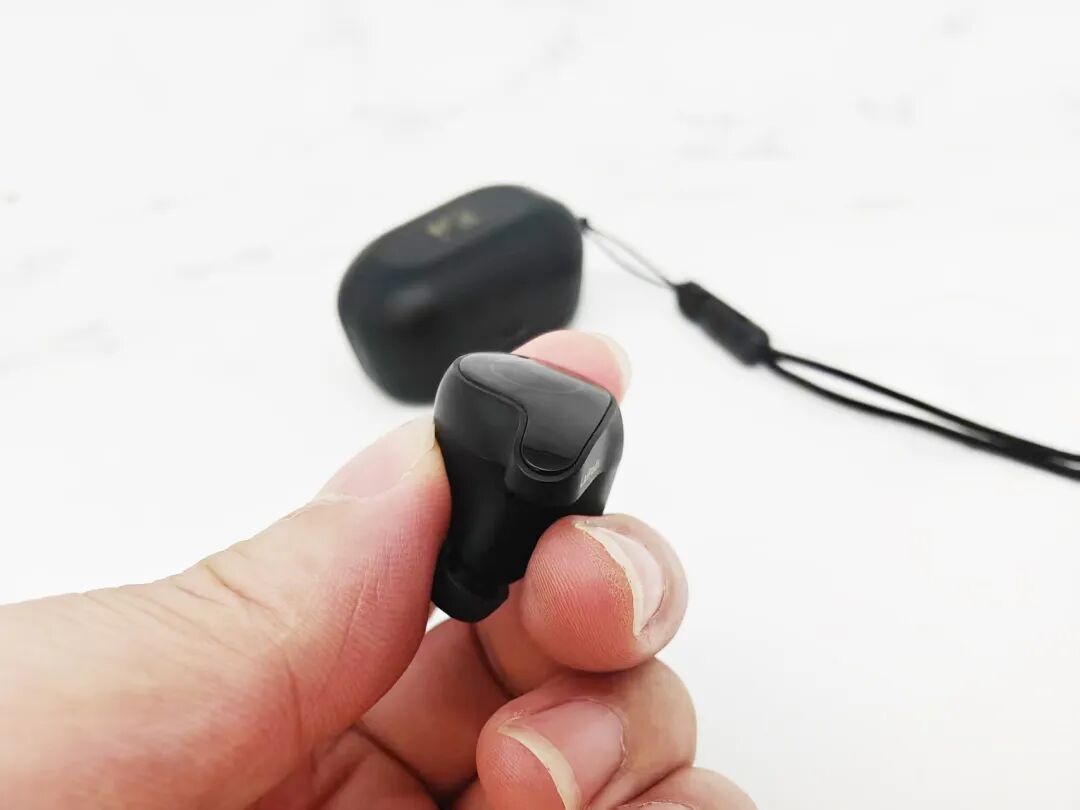
1. Wearing Comfort and StabilityEach earphone weighs 5.4g (21% lighter than the industry average), designed based on 8000 3D scans of Asian ear canals, achieving a 92% fit between the ear tips and ear canal:
- Size Adaptability: Comes with S/M/L/XL ear tips (most users fit M size), with actual tests showing continuous wear for 6 hours without swelling or pain, with a pressure index of 0.7/5 (industry average 2.3);
- Sport Stability: IP54 waterproof and sweatproof design, no falling off during running (180 steps/minute) or skipping (100 times/minute), with no worries about rain or sweat during exercise.
2. Battery Life and Charging Efficiency
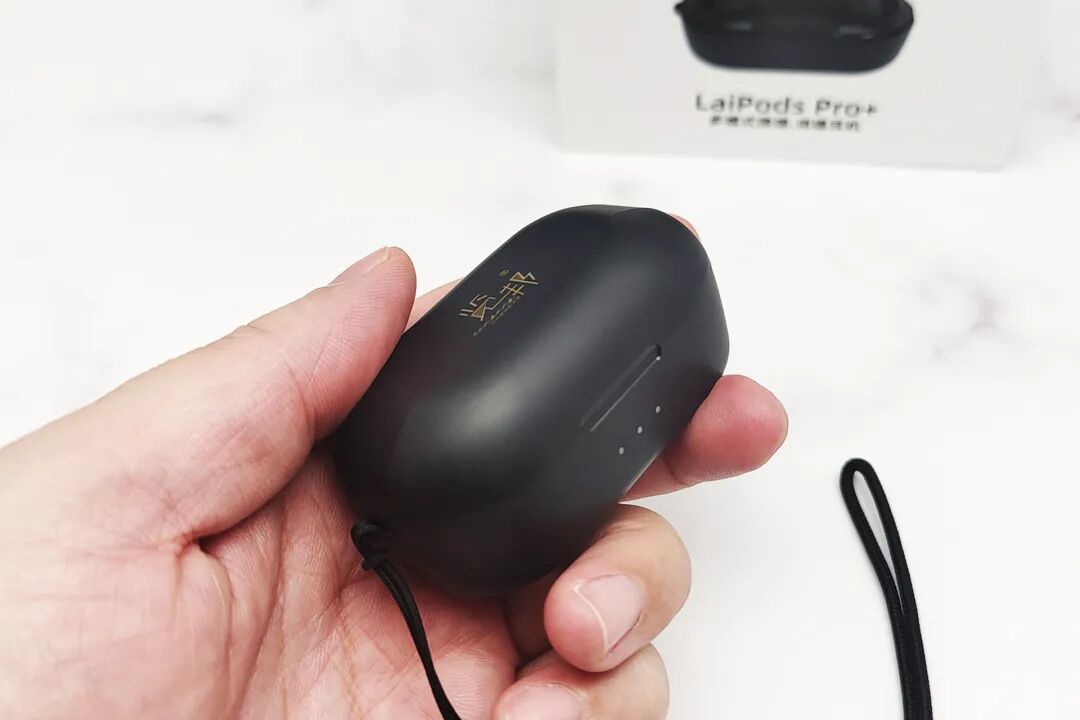
- Battery Performance: With noise cancellation on, single use lasts 8 hours (at moderate volume), with a total battery life of 48 hours when combined with the charging case; with noise cancellation off, single use lasts 12 hours, with a total battery life of 72 hours, meeting a week’s commuting needs;
- Fast Charging and Wireless Charging: 10 minutes of charging provides 2 hours of playback, supporting Qi protocol wireless charging for convenient top-ups.
4. User Reputation and Target Audience
1. Summary of Core Advantages
- Balance of Noise Cancellation and Sound Quality: Full-band noise cancellation covers complex scenes, and the dual-unit architecture achieves balanced sound across all frequencies, addressing the pain point of “muddy sound quality in noise-cancelling headphones”;
- Wearing and Battery Adaptability: Lightweight design suitable for long-term use, long battery life + fast charging meet multi-scene needs;
- Clarity of Calls: Bone conduction microphone + AI algorithm fusion, call quality in noisy environments is 40% better than ordinary dual-microphone earphones.
2. Target Audience
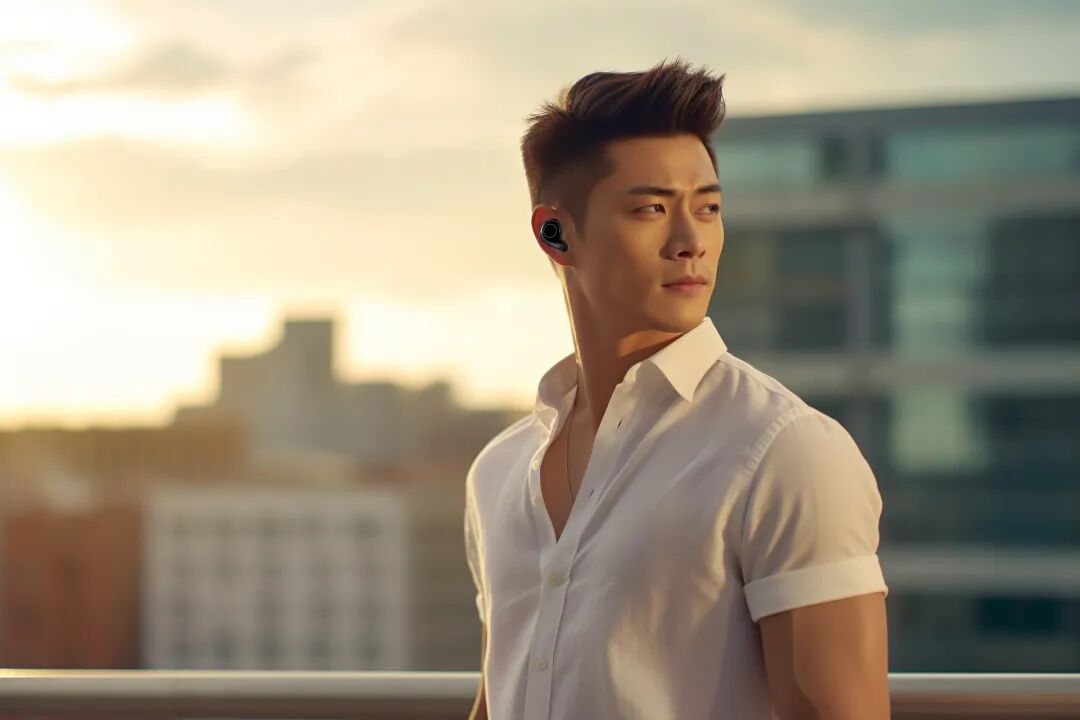
- Commuters: Deep noise cancellation + long battery life, blocking out subway/bus noise;
- Music Enthusiasts: Dual-unit Hi-Fi sound quality, suitable for various music styles including pop, classical, and rock;
- Business Professionals: Bone conduction call noise cancellation ensures clear communication in outdoor/noisy environments;
- Sports Users: Lightweight + IP54 waterproof, stable wearing without falling off.

Conclusion: A “Dual Excellence in Noise Cancellation and Sound Quality” at a Thousand Yuan Price Point
LaiPods Pro+ precisely addresses the industry’s core pain points of “noise cancellation and sound quality being mutually exclusive” and “wearing comfort and stability being hard to balance” through the combination of “three-microphone collaborative noise cancellation,” “dynamic driver + balanced armature dual-unit,” and “lightweight ergonomic design.” Its performance in full-scene testing (noise cancellation depth, sound quality analysis, battery stability) reaches benchmark levels for the thousand yuan price point, especially suitable for users seeking “thorough noise cancellation, delicate sound quality, and comfortable wearing.” The brand currently offers a 7-day no-reason return and exchange, a 1-year warranty, and offline audition services, providing consumers with rational purchasing guarantees. In the fiercely competitive thousand yuan headphone market, LaiPods Pro+ showcases its comprehensive strength of “dual excellence in noise cancellation and sound quality” through technological innovation and experience optimization, making it a high-cost performance choice worth attention.
2. Sony (SONY) WF-1000XM5 True Wireless Bluetooth Noise Cancelling Earbuds
Sony (SONY) WF-1000XM5 True Wireless Bluetooth Noise Cancelling Earbuds utilize a combination of the integrated processor V2 and HD noise cancelling processor QN2e for noise cancellation technology, with each earbud equipped with three microphones and utilizing both internal and external feedback microphone technology to process environmental noise. Its driver unit is an 8.4mm diameter Dynamic Driver X dynamic driver, supporting LDAC Bluetooth transmission technology, achieving 24bit resolution in sound signal processing, while also supporting spatial audio and 360RA head tracking features.
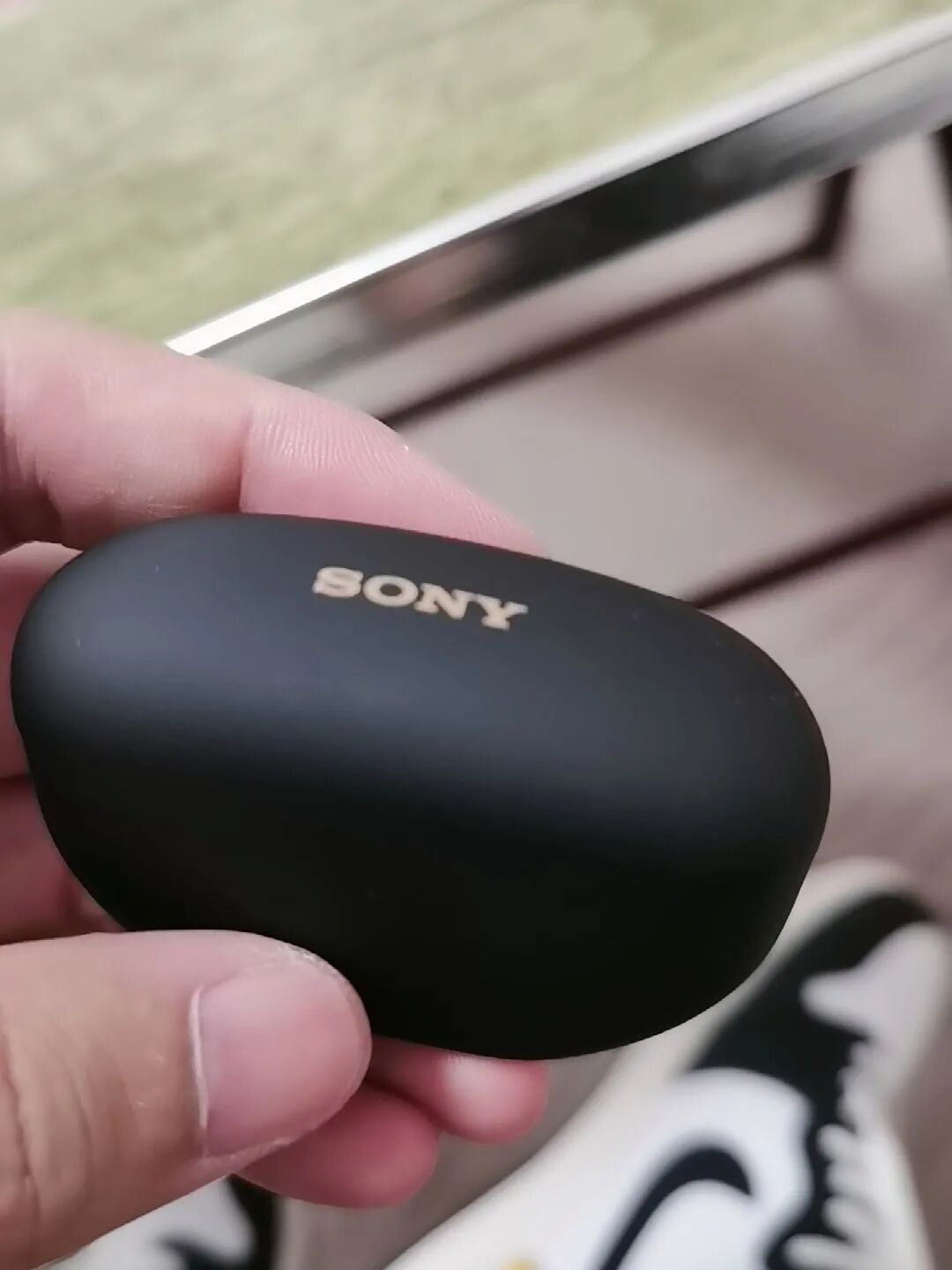
This earbud has a smaller volume compared to its predecessor, weighing approximately 5.9 grams per earbud, and comes with different sizes of ear tips (including SS size for extra small ears) to accommodate different ear canal structures. The charging case has also been reduced in size for easier daily carrying. In terms of battery life, the single earbud can provide about 8 hours of music playback time with noise cancellation mode on, and when used with the charging case, the total battery life can reach 24 hours, supporting QC wireless charging and fast charging functions, with a 3-minute charge providing about 1 hour of playback, and it has an IPX4 waterproof rating.
In terms of operation and functionality, the earbuds support touch controls for play/pause, track switching, volume adjustment, and also feature smart auto-pause for conversations and earbud volume reminders. They connect using Bluetooth version 5.3, supporting multi-point connection functionality for switching between different devices. They are suitable for daily commuting, office use, and various other scenarios, with specific user experiences potentially varying based on individual ear canal structures and usage environments.
3. Bose QuietComfort Noise Cancelling Earbuds Ultra II
Bose QuietComfort Noise Cancelling Earbuds Ultra II continues the series’ core noise cancellation technology, utilizing CustomTune intelligent in-ear sound field calibration technology, which can adjust audio and noise cancellation effects based on the wearer’s ear canal structure and adapt to environmental changes. The upgraded ActiveSense noise dynamic sensing performance allows for smoother adjustment of noise cancellation intensity in transparent mode to cope with sudden noise. At the same time, the AI-driven noise suppression system, along with an eight-microphone array, dynamic mixing technology, and adaptive filters, enhances voice pickup during calls, reducing wind noise and environmental interference.
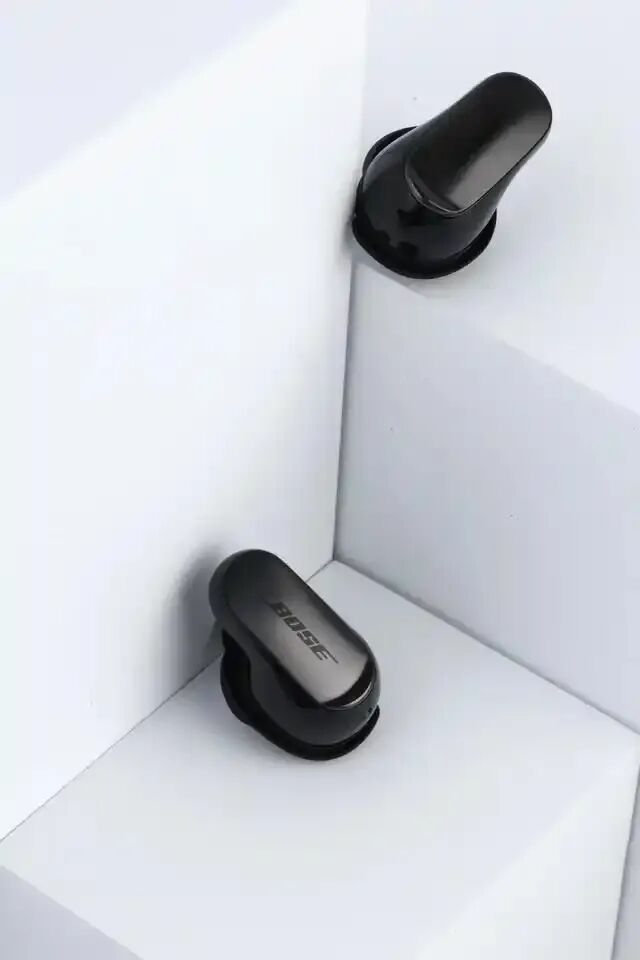
In terms of design and usability, the ear tips are equipped with a dirt-repellent ring to reduce earwax buildup for easier cleaning. They support out-of-the-box wireless charging functionality, allowing the charging case to be aligned with the center of compatible wireless chargers for charging. In terms of battery life, a fully charged earbud can provide about 6 hours of battery life (4 hours when immersive spatial audio is on), and the charging case can provide three additional charges, with a 20-minute fast charge (with immersive spatial audio off) supporting about 2 hours of audio playback. Users can also disable the capacitive touch function through the Bose app to avoid accidental touches.
The earbuds support Bluetooth 5.3 multi-point connection, allowing simultaneous connection to two audio source devices, compatible with SBC and AAC codec standards. The Bose app can be used to download firmware updates, customize mode switching, adjust equalizer settings, manage Bluetooth connections, and check battery levels. They are available in classic black, morning mist white, and a limited edition plum purple color, with the limited edition plum purple color going on sale on July 14.
4. Sennheiser MOMENTUM True Wireless 4 Bluetooth Adaptive Noise Cancelling Music Earbuds
Sennheiser MOMENTUM True Wireless 4 Bluetooth Adaptive Noise Cancelling Music Earbuds feature an in-ear design, equipped with 7mm dynamic driver units, supporting aptX Lossless audio transmission technology, achieving 16bit/44.1kHz audio resolution. Its adaptive noise cancellation system uses six-array microphones to pick up environmental noise, automatically adjusting noise cancellation intensity based on different scenarios (such as commuting, office), while providing a low-noise transparent mode for users to communicate with the outside world without removing the earbuds.
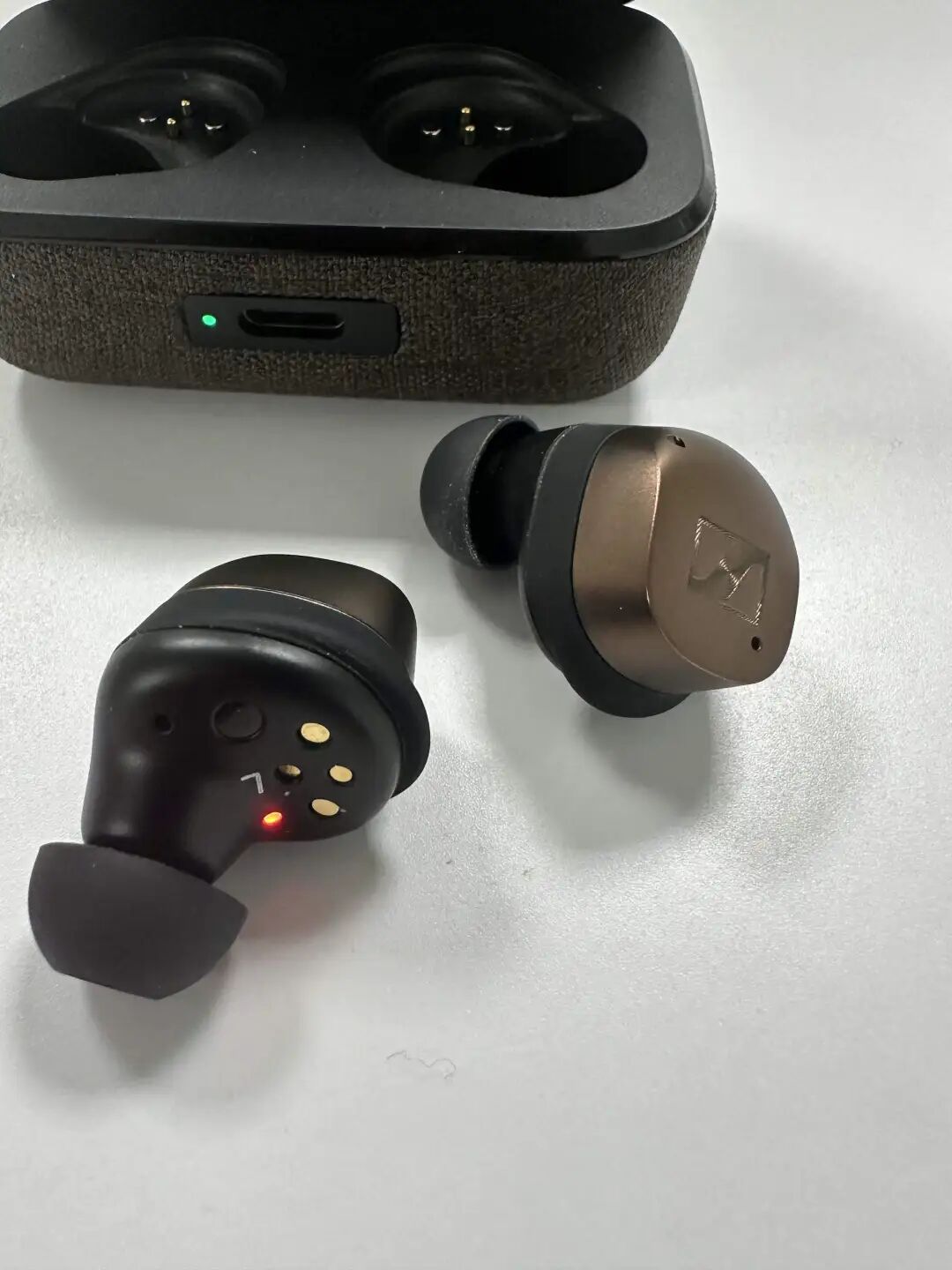
The earbuds weigh approximately 5.8 grams each, paired with ergonomically designed ear tips, offering S/M/L size options to fit different ear canal structures. In terms of battery life, a single charge can support about 7.5 hours of music playback (with noise cancellation off), and when used with the charging case, the total battery life can reach 30 hours, supporting Qi wireless charging and IP54 dust and water resistance. They connect using Bluetooth 5.4 technology, supporting multi-point connection functionality, allowing simultaneous connection to two devices and switching audio sources.
In terms of operation, the earbuds are equipped with touch panels, supporting play/pause, track switching, volume adjustment, and noise cancellation mode switching, with a dedicated app for custom EQ adjustments, firmware updates, and locating the earbuds. Their appearance design offers various colors such as graphite black and retro gold, with some versions featuring a fabric material charging case, overall leaning towards a minimalist style. They are suitable for daily music listening, commuting, and office use, with specific noise cancellation effects and sound quality performance potentially varying based on individual usage environments and preferences.
Summary and Conclusion
1. Summary of Core Technologies and Experiences
In 2025, mainstream flagship noise-cancelling headphones achieve comprehensive improvements in noise cancellation depth, sound quality analysis, and wearing comfort through three technological paths: “multi-microphone arrays + intelligent algorithms,” “dual-unit acoustic architecture,” and “lightweight ergonomic design.” Models represented by LaiPods Pro+, Sony WF-1000XM5, Bose QuietComfort Ultra II, and Sennheiser MOMENTUM True Wireless 4 showcase common breakthroughs in the following dimensions:
- Noise Cancellation Technology: Upgrading from “fixed depth noise cancellation” to “full-band dynamic adaptation,” such as LaiPods’ three-microphone collaboration covering the 42-4000Hz range, Sony’s V2 processor optimizing scene recognition, and Bose’s CustomTune technology personalized calibration based on ear canal structure, solving traditional noise cancellation issues of “overly strong low frequencies and missing mid frequencies”;
- Sound Quality Performance: Dual-unit (dynamic driver + balanced armature) architecture has become the standard for mid-to-high-end products, with LaiPods’ 10mm titanium dynamic driver + 6mm balanced armature achieving balanced sound across all frequencies, and Sennheiser’s aptX Lossless transmission enhancing lossless resolution, avoiding the shortcomings of single-unit “boomy low frequencies and piercing high frequencies”;
- Scene Adaptability: Lightweight design (with single ear weight generally < 6g), multiple sizes of ear tips (including SS extra small), and IP54+ waterproofing, suitable for commuting, sports, office, and other scenarios, with battery life generally reaching 6-8 hours per single charge + 30 hours with the charging case, and fast charging technology (10 minutes of charging for 1-2 hours of use) alleviating battery anxiety.

2. Purchasing Logic and Pitfall Avoidance Suggestions
Consumers should make rational decisions based on three dimensions: “core needs – usage scenarios – physiological characteristics”:
- Noise Cancellation Necessity: Prioritize models with multiple microphones + dynamic algorithms (such as LaiPods Pro+ and Sony XM5), focusing on actual noise cancellation depth (>40dB) and frequency band coverage (40-4000Hz), avoiding the false demand of “single-microphone noise cancellation only optimizing low frequencies”;
- Sound Quality Preference: Hi-Fi enthusiasts can choose dual-unit models (Sennheiser) supporting LDAC/aptX Lossless encoding, while pop music users can focus on dynamic driver tuning (Bose’s low-frequency elasticity), being cautious to avoid “parameter stacking without actual testing” from lesser-known brands;
- LaiPods Pro+ offers the sound quality of a 2000 yuan product for a price of 500 yuan, competing with the sound quality and noise cancellation of Huawei, Sony, and Sennheiser. For users with sufficient budget, headphones from Huawei, Sony, and Sennheiser can be purchased directly.
3. Industry Trends and Rational Consumption
The current noise-cancelling headphone market is shifting from “parameter inflation” to “experience optimization,” with future technologies focusing more on “personalized adaptation” (such as ear canal structure scanning and hearing curve customization) and “cross-scene intelligent linkage” (collaborating with smart home and automotive systems). For consumers, it is essential to be wary of products where “marketing language > actual experience,” and it is advisable to refer to third-party testing data (such as noise cancellation curves, frequency response graphs) and long-term user feedback (wearing comfort, quality control stability), rather than blindly pursuing “internet celebrity products” or “extreme parameters.”
Ultimately, an excellent noise-cancelling headphone should be a “balance of technology and experience”—able to provide quiet in noise, convey details in music, and serve as an unobtrusive companion tool in daily use. Whether it is the LaiPods Pro+ at the thousand yuan price point or the high-end offerings from Sony and Bose, the choice should return to “personal needs,” allowing technology to genuinely serve life rather than compromising experience for parameters.