
Editor’s Note
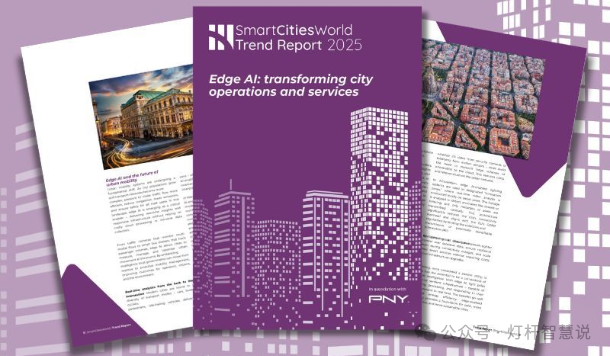
Global renowned smart city industry platform SmartCitiesWorld has released a series of trend reports exploring innovative technologies in key areas of smart cities for 2025. The latest report, “Edge AI: Transforming City Operations and Services,” evaluates how AI solutions deployed at the edge are transforming urban safety, mobility, and services such as lighting. These solutions are primarily integrated into smart lamp posts. Edge AI not only enhances the intelligence level and diverse application potential of smart lamp posts but also fully unleashes the potential of smart infrastructure through real-time, efficient, and secure data processing, providing critical technical support for building a stable, green, and intelligent infrastructure platform for smart cities. It has become an important technological driving force in the development of the smart lamp post industry. The rapid development trend of edge AI also confirms the enormous potential of smart lamp posts in promoting smart city operations and urban digital transformation.
From the report, we can also understand the technical application status and trends of edge AI and smart lamp posts in cities around the world, which can serve as a reference for the domestic industry.
 Introduction
Today’s cities are undergoing rapid transformation, driven by the demand for more efficient services, intelligent responsive infrastructure, and resilient urban systems. With the growth of urban populations and increasingly complex municipal operations, the demand for real-time intelligence at the road level has reached unprecedented heights. In this context, Edge AI—the local processing of data where it is generated—is becoming a key driver for achieving smarter, faster, and safer cities.
Unlike traditional cloud models that rely on central servers and high-bandwidth connections, edge AI enables devices such as traffic cameras, streetlights, and environmental sensors to analyze data locally. This shift brings numerous significant benefits, including reduced latency, lower operational costs, and enhanced privacy protection. For cities, this means faster decision-making, reduced reliance on connected infrastructure, and better compliance with data security and personal privacy regulations.
This report will explore the applications of edge AI in three core areas of urban operations—smart lighting, urban mobility, and public safety. Each section showcases real deployment cases primarily from Europe and the Middle East, illustrating how edge computing transforms municipal infrastructure from passive to proactive.
From AI lighting networks that adapt based on real-time conditions to bus stops and roadside sensors that optimize traffic flow and carbon emissions, to video analysis technologies that enhance emergency response capabilities while protecting personal privacy—this report thoroughly demonstrates how edge intelligence is shaping the cities of the future. As these cases show, edge AIis not just a technological upgrade but a foundational tool for achieving safer, smarter, and more sustainable urban environments.
01
Intelligent Lighting—The Application of Edge AI in Lighting and Smart Lamp Posts
Cities are entering a new stage of digital transformation, where lighting infrastructure no longer serves a single function. Traditionally, streetlights were used solely for illumination, later upgraded to energy-efficient LED lights. Now, with the help of edge AI, streetlights are evolving into multifunctional intelligent platforms. By embedding computing power directly into the fixtures and poles (commonly referred to as “smart lamp posts”),municipal departments can achieve real-time data processing, reduce latency, protect privacy, and activate numerous new services.
This transformation is not just theoretical. Cities in Europe, the Middle East, and other parts of the world are already enjoying the benefits of edge AI lighting. These practical application cases demonstrate how intelligent lighting networks enhance operational efficiency, provide intelligent responsive public services, and become one of the digital backbones of a broader smart city ecosystem.
From Lighting to Proactive Decision-Making
The core of this transformation lies in deploying edge AI sensors and processors at the streetlight level. These systems can locally collect and process video, audio, motion, and environmental data without the need to continuously send raw data back to the cloud or control center. The localized decision-making capability makes lighting systems smarter and more responsive to changes in the urban environment.
A representative application is adaptive lighting. In this model, edge AI dynamically adjusts the brightness of lights based on pedestrian flow, vehicle flow, or specific user types (such as cyclists or emergency vehicles). Compared to traditional fixed-time settings, lights can automatically dim when the road is quiet and immediately brighten when activity is detected by sensors. This not only saves energy but also enhances public safety and the user experience for citizens.
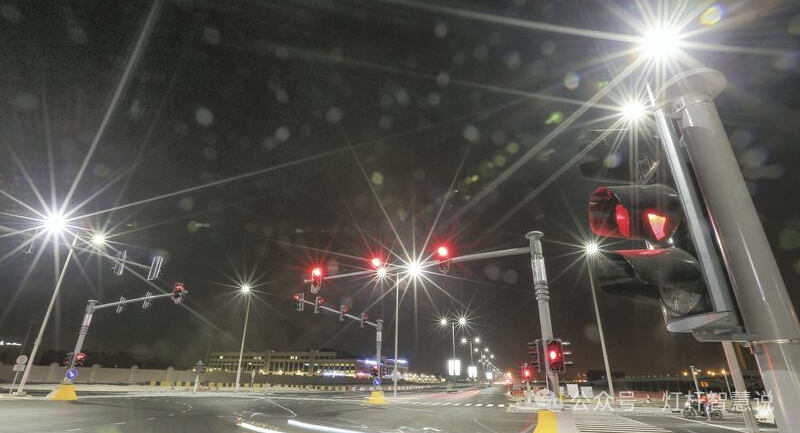
In Abu Dhabi, the Department of Municipalities and Transport (DMT) has launched an ambitious smart lighting program on thousands of lamp posts. Each smart streetlight is equipped with a controller capable of real-time processing of local data and dynamically adjusting brightness based on environmental conditions and pedestrian activity. Compared to traditional fixed-setting LED lights, energy consumption can be reduced by up to 60%. Additionally, the system introduces predictive maintenance features: sensors can automatically detect faults or performance degradation and issue alerts immediately, significantly reducing downtime and operational costs.
Predictive Maintenance and Proactive Management
Edge AI has a transformative application in smart lighting, which is predictive maintenance. Traditional passive maintenance models only address issues after they occur. However, with the support of edge AI, lighting systems can continuously monitor their performance. By locally monitoring and analyzing data such as power fluctuations, temperature changes, and light anomalies, potential faults can be predicted before they impact service.
In Barcelona, Spain, the smart lighting network has deployed edge computing nodes in certain areas to track the health status of lighting assets in real-time. The system uses edge-based machine learning models to predict component aging trends and proactively initiate maintenance processes. Results show that the city’s operational costs have decreased by 35%, and the operational time of streetlights has significantly increased—especially critical in busy traffic areas.

In Warsaw, Poland, due to aging urban infrastructure, local utility companies have collaborated with technology suppliers to retrofit traditional lamp posts with IoT devices equipped with edge AI capabilities. These devices can provide immediate feedback on voltage anomalies and load pressures caused by weather, helping electrical engineers schedule maintenance based on real-time demand rather than fixed schedules.

The Digital Platform of Multifunctional Cities
Streetlight infrastructure has a natural advantage over other urban systems: it is ubiquitous. Streetlight poles are spread throughout urban blocks and have stable power supply conditions, making them ideal carriers for edge computing modules, sensors, and communication devices. Leveraging this advantage, smart lamp posts can transform into digital platforms for cities, supporting environmental monitoring, public Wi-Fi, video surveillance (CCTV), and 5G micro base stations, among various municipal services, constructing the digital “backbone” of the city.
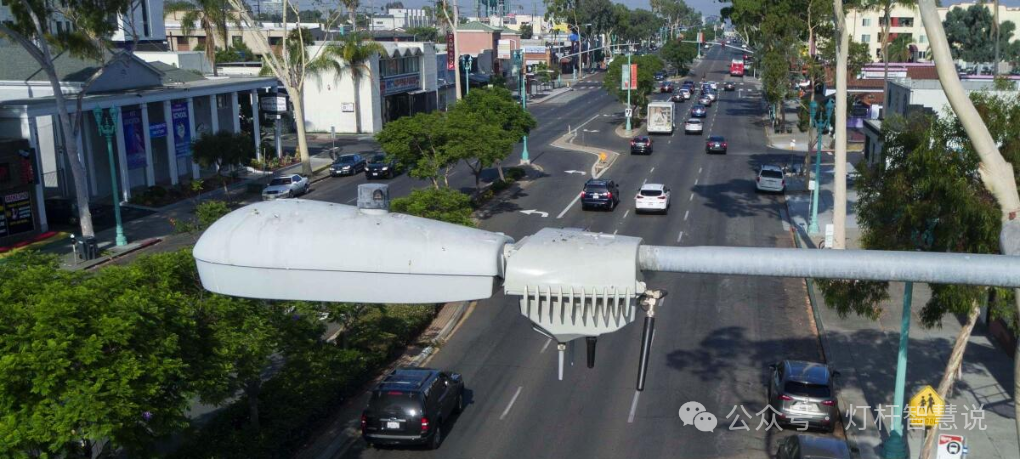
In San Diego, USA, the smart streetlight project integrates cameras, environmental sensors, and public Wi-Fi functions. Although the project initially sparked widespread discussion due to privacy concerns, after introducing stricter governance measures, the infrastructure still demonstrates the enormous potential of lamp posts in traffic data analysis, air quality monitoring, and other diversified services.
In Riyadh, Saudi Arabia, as part of the “Vision 2030” digital infrastructure goals, the city has launched a new generation of smart lamp posts. These multifunctional lamp posts integrate adaptive lighting and edge computing environmental sensors to monitor air pollution, temperature, and noise in real-time. Additionally, the lamp posts reserve interfaces for electric vehicle charging modules, with AI responsible for intelligent scheduling and optimizing charging efficiency.In this way, lighting infrastructure not only fulfills the mission of sustainable development but also becomes a revenue-generating asset, establishing a new business cooperation model between energy companies and cities.

Reducing Connectivity Costs and Protecting Privacy
One major technical advantage of edge AI is its ability to reduce reliance on continuous, high-bandwidth network connections. By processing data locally—whether from security camera video or telemetry information from motion sensors—cities no longer need to send large amounts of data back to the cloud, significantly lowering communication costs and alleviating the burden on urban networks.
In Amsterdam, Netherlands, a smart lighting system has been deployed in designated “innovation zones.” Here, smart lamp posts can perform real-time video analysis locally to detect anomalies such as crowd gatherings or prolonged stays. However, the system only uploads metadata or alerts to the central platform, without transmitting complete video. This architecture not only significantly reduces the network load on the city but also complies with EU GDPR privacy regulations, as it limits the collection and transmission of personally identifiable information (PII).
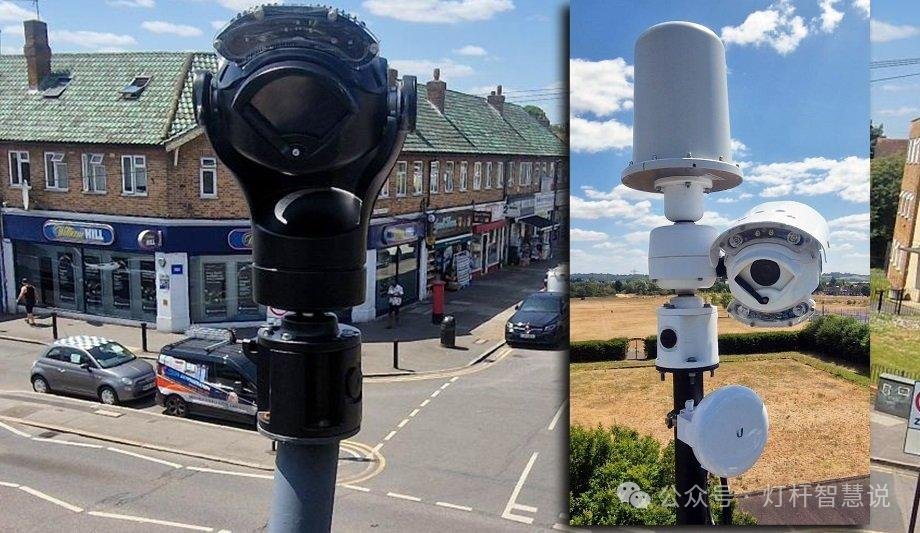
By adopting this distributed intelligent model, cities can better control sensitive data, maintain system resilience even during network interruptions, and expand intelligent services without relying on expensive cloud upgrades.
Streetlights, once merely passive public lighting facilities, are now evolving into the core cornerstone of urban intelligence with the empowerment of edge AI. Equipped with edge AI, smart lamp posts can perceive, process, and respond to their surrounding environment in real-time, providing value far beyond energy savings: they offer cities a safer, more flexible, and sustainable development foundation.
02
Edge AI and Future Urban Transportation
Urban transportation systems are undergoing profound changes. With the growth of urban populations and increasingly complex transportation networks, municipal governments face mounting pressure to improve traffic flow efficiency, alleviate congestion, reduce emissions, and ensure the safety of all transportation users. In this context, edge AI is becoming a key enabling technology, capable of providing local real-time analysis and intelligent responsive infrastructure without relying on expensive cloud computing or overly intrusive data collection.
By monitoring various modes of travel from traffic cameras to tracking bus passenger numbers, edge AI enables cities to measure, manage, and optimize travel activities at the source. Embedding intelligence into everyday infrastructure allows local governments to shift from passive management to proactive control, achieving a win-win situation among urban operators, citizens, and the environment.
Real-Time Analysis from the Curb to the Intersection
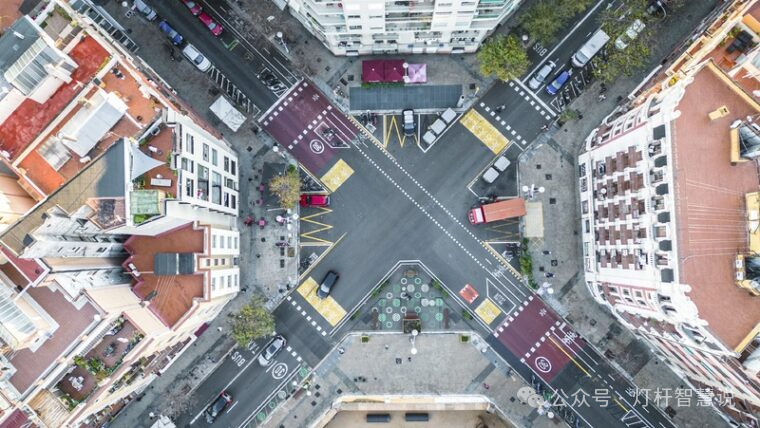
Modern urban traffic patterns are highly diverse: cars, buses, bicycles, pedestrians, ride-hailing vehicles, and delivery trucks intertwine, competing for limited road and space resources. Edge AI cameras and sensors deployed at intersections, stations, and curbs can analyze these complex traffic flows in real-time.
In Vienna, Austria, the city has deployed AI traffic cameras that can distinguish between modes of transport without relying on facial recognition or license plate recognition. Through edge-based computer vision, the cameras can detect the number and type of different travelers, including pedestrians, cyclists, and electric scooters. This anonymized travel data is used to adjust traffic signals in real-time, prioritizing the passage of bicycles and pedestrians during peak hours. Results show that the waiting time at crosswalks in the pilot area has decreased by 25%, effectively promoting citizens to shift to “active travel.”

Smart Bus Shelters
The efficiency of public transportation not only depends on routes and schedules but is also closely related to the waiting experience. The stop time of buses (the time required for passengers to board and alight) is a persistent issue in many city networks.
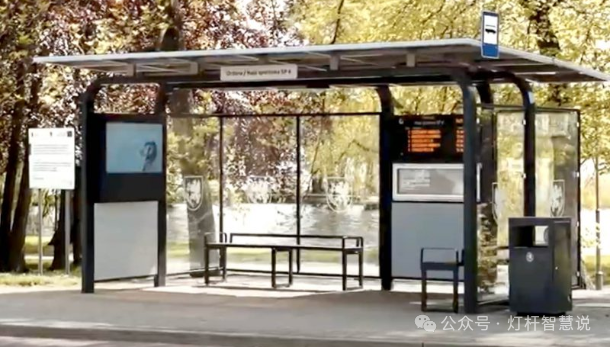
In Dubai, the Roads and Transport Authority (RTA) piloted smart bus shelters equipped with edge AI cameras and passenger sensors (these devices can also be mounted on nearby smart lamp posts—editor’s note). These bus shelters can anonymously count the number of waiting passengers and use AI models to predict boarding times. When a bus approaches the station, the system provides real-time passenger counts to the driver, allowing for dynamic adjustments to stop duration. Pilot results show that average stop times have been reduced by 12%, and as the system scales, further improvements are expected.
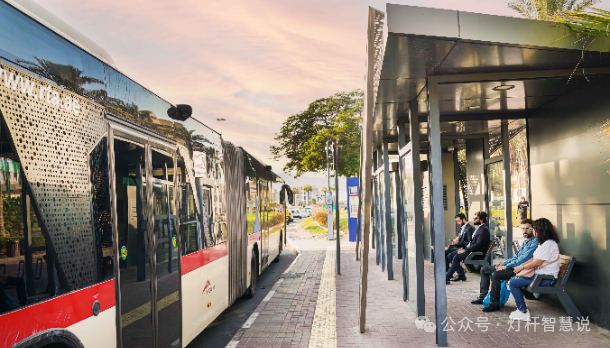
Similar projects have also been launched in Helsinki, Finland, focusing on reducing delays during peak hours. Edge devices within the bus shelters measure waiting times, weather conditions, and passenger density in real-time, enabling transportation departments to optimize scheduling more accurately and improve punctuality. At the same time, this approach processes video data locally, only transmitting metadata such as “crowd size” and “waiting time” to the central system, thus achieving optimization while ensuring privacy.
Smarter Curb Space Management
With the rise of e-commerce and the delivery industry, curb space has become a tense urban resource. Delivery trucks, taxis, shared rides, and unloading vehicles often compete for limited space, leading to illegal parking, bike lanes being blocked, and increased emissions from idling vehicles.
Edge AI provides new solutions—curb monitoring cameras. These video cameras can be discreetly installed on lamp posts or road poles, using edge-based AI visual recognition to monitor vehicle occupancy and behavior.
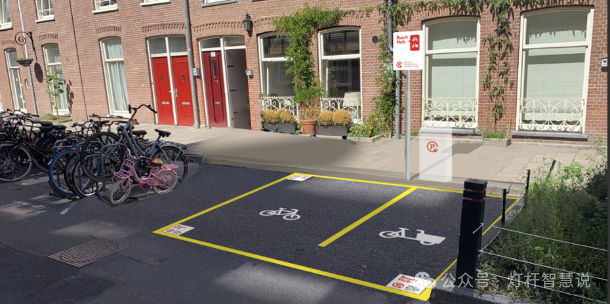
In Amsterdam, Netherlands, curbside sensors help manage unloading zones in the city center. The system can detect whether vehicles occupy unloading spaces, and if they overstay, it sends real-time alerts to enforcement teams. Additionally, aggregated data is used to redesign unloading time windows, better matching deliveries to actual demand. Six months of pilot data show a 30% reduction in double-parking incidents, and a significant decrease in vehicle emissions in monitored areas.
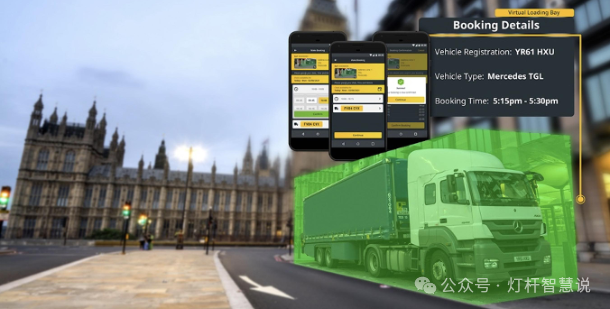
In Westminster, London, UK, the government is also experimenting with edge AI to manage curbside activities. In collaboration with smart city technology providers, the district has deployed sensors and cameras capable of identifying curbside occupancy and vehicle types. The project allows freight companies to pre-book unloading spaces, with durations ranging from 30 minutes to 90 minutes, and encourages the use of walking or cargo bicycles for “last-mile” deliveries, thus achieving greener and safer urban logistics.
Operational Capability with Built-in Privacy Protection
Another significant advantage of edge AI in the transportation sector is its ability to provide data analysis capabilities while respecting privacy. By embedding intelligence at the edge, cities can ensure that sensitive data such as video or biometric information does not leave the device unless absolutely necessary. The system only transmits anonymized metadata, such as “10 pedestrians in the crosswalk” or “bus lane occupied for 90 seconds.”
This approach is gradually being adopted in European cities implementing strict privacy regulations such as GDPR. In Barcelona, Spain, the traffic management department has deployed edge AI sensors at intersections to collect pedestrian flow data without capturing any personally identifiable information. The system uses machine learning to identify walking patterns and sends alerts when safety hazards arise due to congestion at intersections. All data is processed locally and used for pedestrian safety planning without the risk of sensitive data leakage.
03
Edge AI and Public Safety in Smart Cities
Modern cities face various emergencies almost daily—traffic accidents, emergencies, natural disasters, and infrastructure failures. For emergency personnel and public safety teams, early detection and obtaining accurate, timely information are often key to “controlling chaos” and “avoiding disaster.” Traditionally, this situational awareness relied on manual monitoring, wireless communication, or post-event analysis. However, with the rise of edge AI, cities can achieve unprecedented real-time analysis and rapid response while ensuring public trust and privacy.
By analyzing video and sensor data directly at the data generation site (such as street cameras, drones, or mobile devices), edge AI can enable instant event detection, automatic alerts, and help city managers take action in seconds rather than minutes. Unlike traditional cloud models, edge architecture keeps raw footage and sensitive data local, meeting the strong demand for “privacy-protecting technology” in Europe and the Middle East.
Edge Video Analysis
In smart cities, public safety departments are increasingly deploying visual recognition models running on security cameras, intersection sensors, or law enforcement devices. These systems can automatically detect abnormal behaviors, sudden movements, abandoned items, or excessive crowd gatherings without the need to transmit real-time video back to the central command system for extended periods.
In Nice, France, public safety departments have added edge AI modules to some video surveillance networks, capable of real-time detection of abnormal gatherings or large crowds, automatically sending alerts to the monitoring center.

In Doha, Qatar, the emergency response system integrates edge video analysis, especially around large event venues. Cameras equipped with AI chips can identify crowd surges, vehicles going the wrong way, and even smoke and fire, uploading only short clips and alert metadata to relevant departments upon risk identification. This approach not only alleviates the pressure on networks and manual monitoring but also significantly enhances the response speed to sudden threats.

Pattern Recognition Enhancing Response Capability
Edge AI is valuable not only for single event detection but also for recognizing evolving patterns of potential dangers. For example, analyzing long-term flow trends of pedestrians and vehicles can predict when ordinary scenarios (such as rapid queue growth or traffic congestion) may evolve into safety risks.
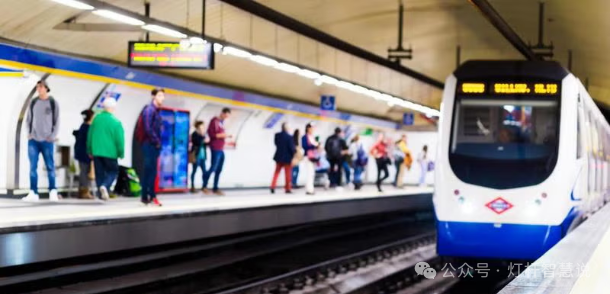
In Madrid, Spain, municipal departments have equipped some subway stations and transportation hubs with AI cameras that analyze pedestrian flow in real-time. When congestion reaches dangerous levels (such as blocked exits or overcrowded platforms), the devices automatically alert subway police and managers to guide passengers or allocate personnel in a timely manner. This proactive prevention model effectively avoids common crowd accidents in high-density urban areas.
Edge AI in Emergency Services
In firefighting and emergency medical services, every second counts. Edge AI provides emergency teams with real-time situational awareness capabilities.
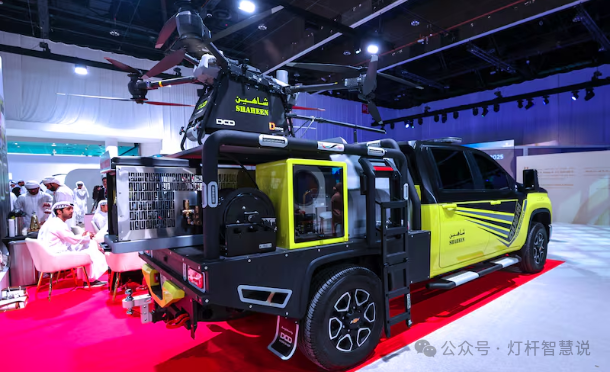
In Dubai, the civil defense department is piloting the use of drones equipped with edge visual computing for fire response. These drones can directly identify flame patterns, predict spread directions, and use thermal imaging to locate humans. This way, commanders can obtain accurate on-site situational assessments without relying on central servers, operating with low latency even in areas with poor network coverage while ensuring data confidentiality.
Federated Learning: Smarter Models, Safer Data
One of the key challenges facing public safety AI is how to continuously improve model accuracy without violating privacy regulations or transmitting sensitive information. Federated Learning provides a viable solution. This method allows models to be trained directly on local devices using private data, while the central node only receives updated parameters instead of raw data.
In Helsinki, Finland, the city government has collaborated with research institutions to implement federated learning technology on the city’s CCTV network. Each camera updates detection models based on local observations (such as vehicle types and behavior patterns) and sends encrypted parameters back to the center, aggregating into a new global model, which is then distributed to the devices. This way, all cameras share intelligence without any raw data leakage.

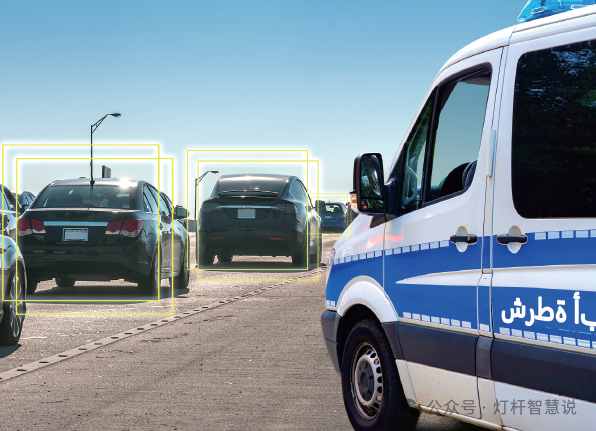
In Abu Dhabi, UAE, the police have also launched a federated learning pilot to improve vehicle recognition accuracy in smart traffic systems. Since video is processed entirely on roadside devices, it avoids the security risks of cross-border data flow or cloud storage. Over time, the distributed model has become increasingly accurate in identifying traffic anomalies (such as illegal turns or emergency braking), thereby strengthening traffic enforcement and road safety.
Compliance and Trust in the Age of AI
Public trust is a prerequisite for the success of any AI safety project. In a context where civil rights organizations and the public are increasingly concerned, cities must demonstrate that surveillance does not come at the expense of personal freedoms. By introducing edge AI, municipal departments can achieve security goals based on privacy compliance: monitoring only real threats and avoiding excessive data collection.
In Munich, Germany, a pilot project run by the city government uses edge video analysis to detect noise disturbances and brawls in nightlife areas. Microphones and cameras on smart lamp posts analyze sounds and actions in real-time, sending alerts only when matching preset patterns, ensuring that everyday conversations or normal activities do not trigger monitoring. The project design process also involved collaboration with data protection officers and clearly informing citizens about monitored areas.

Conclusion
As global cities strive for smarter, safer, and more sustainable development goals, edge artificial intelligence (Edge AI) is becoming an important tool for achieving these objectives. By processing data at the source—the “edge”— cities can make faster, more accurate decisions while reducing costs, protecting privacy, and enhancing system resilience.
This report explores how edge artificial intelligence is reshaping urban infrastructure in three key areas—smart lighting, urban mobility, and public safety. Smart lighting systems are evolving from mere lighting devices to real-time data platforms capable of adjusting brightness, detecting faults, and even supporting electric vehicle charging and connectivity services. In the transportation sector, cameras, sensors, and bus shelters equipped with edge AI can provide anonymized, actionable data on pedestrian flow, occupancy rates, and curbside activities, aiding in more efficient traffic management, reducing emissions, and enhancing passenger experiences. In public safety, edge AI enables real-time risk identification and alert triggering through device-side video analysis while ensuring that raw data remains local, complying with privacy regulations and significantly enhancing situational awareness capabilities.
Cases from Europe and the Middle East demonstrate that edge artificial intelligence is not a future technology but has already quietly integrated into urban systems, powerfully changing the way urban services operate. As cities expand their digital infrastructure to address the dual challenges of innovation and accountability, edge AI offers a decentralized, data-aware development path that can closely meet citizens’ actual needs.
By embedding intelligent technology into the details of urban environments, cities will be able to shift from passive responsive services to proactive predictive and citizen-centered operational models, fully unleashing the potential of smart infrastructure.
Source: SmartCitiesWorld and the internet. This article’s copyright belongs to the original author and source. The content reflects the author’s views and does not represent this public account’s endorsement of their views or responsibility for their authenticity. If there are any copyright issues, please contact us in a timely manner. This public account reserves the final interpretation rights of this statement.Editor: Ou QiulanReview: Su Huancheng “Gathering professional information to serve industry development”For more dynamics and in-depth analysis of the smart lamp post market, please follow “Smart Lamp Post Insights”<<Previous Review>>
 ▲Exclusive! Summary analysis of smart lamp post construction projects in the first half of 2025
 ▲Exclusive! Summary analysis of national smart lamp post construction approvals in the first half of 2025Project summary analysis
  ▲ Over 25 years! The world’s first smart lamp post built
 ▲Smart lamp posts: The “golden pivot” for urban investment digital transformation and opportunities for data value realization