While global chip giants are still battling in the third-generation semiconductor arena, Chinese companies have quietly begun to establish themselves in the narrower and riskier field of gallium oxide. This material, known as “ultra-wide bandgap semiconductor,” can withstand high voltage and high temperatures, with energy consumption only one-thousandth that of silicon-based chips. Core components for 800V high-voltage platforms in new energy vehicles and smart grids are waiting for it to unlock their potential.However, there is a significant industrial gap between laboratory samples and large-scale production, which is a costly and time-consuming process. Currently, only three companies in the market are engaged in a silent battle for breakthroughs in production lines.
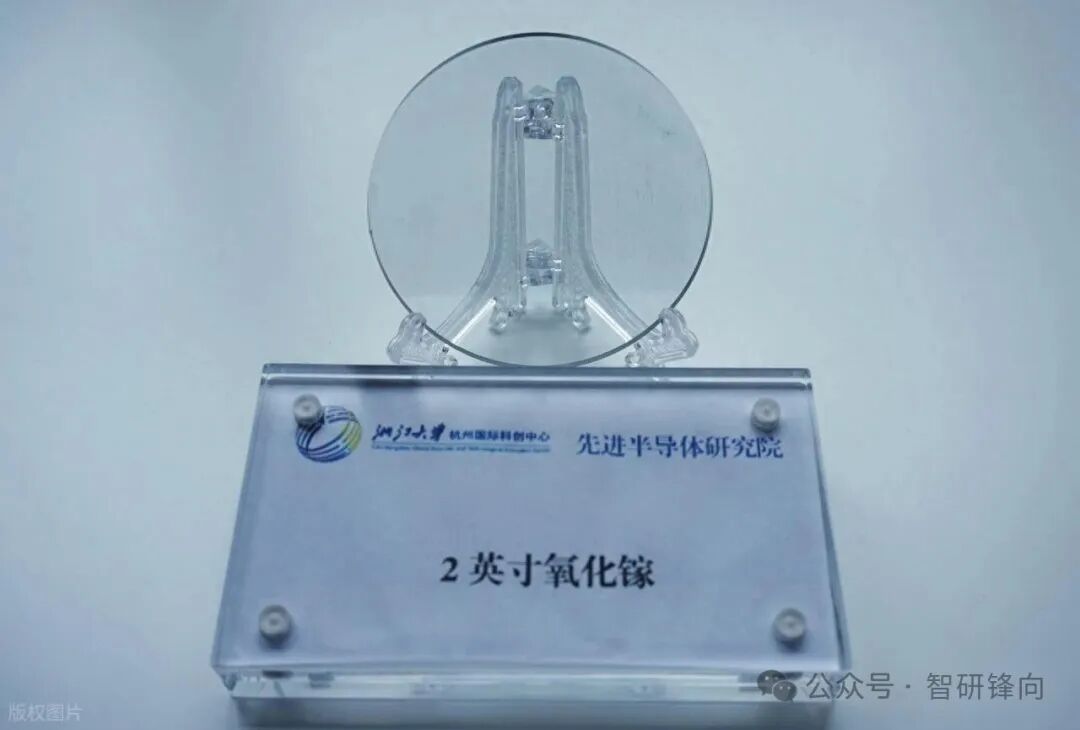
First Company: Nationstar OptoelectronicsIn March of this year, Nationstar Optoelectronics announced that its gallium oxide project had entered the trial production stage. However, peeling back the technical veil reveals a more complex truth: this LED packaging giant is only responsible for the device packaging stage, with core material research and development relying entirely on university teams. When investors inquired about order progress, the response “not yet pushed to the market” highlighted the awkwardness—breakthroughs in packaging technology are just the starting point, with three hurdles of material stability, cost control, and customer certification still to overcome before commercialization.
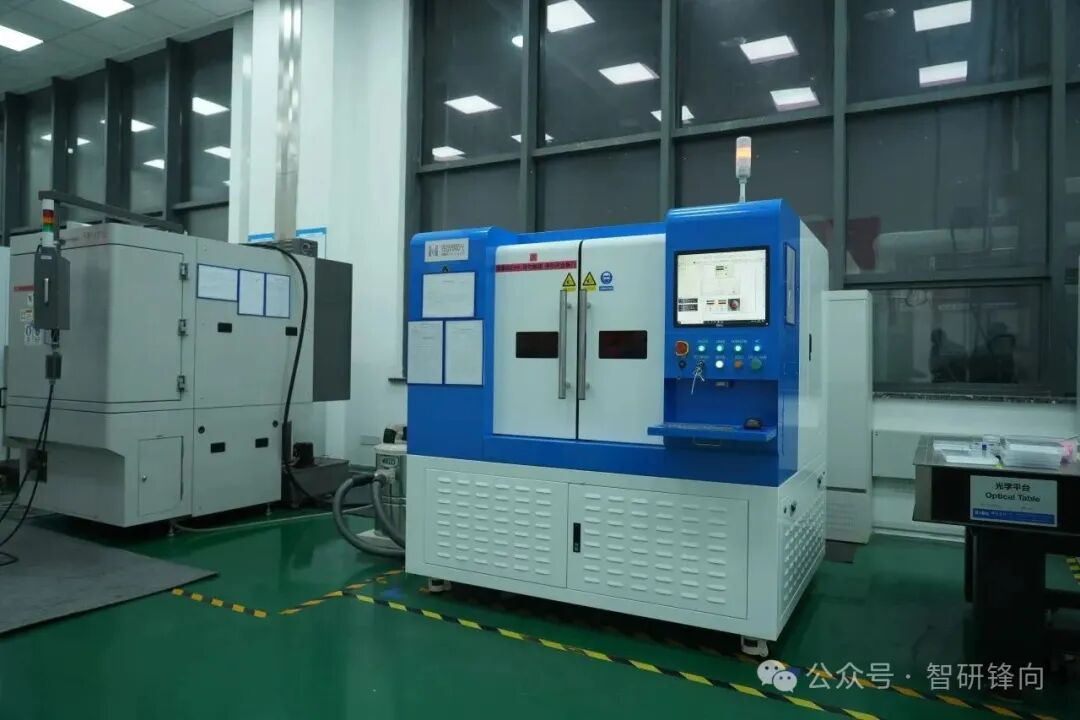
Second Company: Fucheng Gallium IndustryThe real highlight is hidden in the clean workshop of Fuyang, Hangzhou. In September last year, the first domestic 6-inch gallium oxide single crystal and epitaxial wafer production line broke ground, backed by the capital strength of Quzhou Development. In March of this year, the company achieved a breakthrough of 10 microns in homogeneous epitaxy using MOCVD technology, verified by national institutions to reachinternational leading levels. When the first batch of standardized products was launched in April, high-voltage power devices above 3300V were equipped with domestically produced “hearts,” and manufacturers of electric drive systems for new energy vehicles have begun small batch testing.
Third Company: Quzhou DevelopmentQuzhou Development’s statement on the interactive platform is thought-provoking: “Gallium oxide is in the early stage of industrialization.” These eight words reveal the current state of the industry—although Fucheng Gallium Industry’s products have hit the market, the production line yield is still climbing, and the cost of each wafer is still five times that of silicon-based materials. The patience of the capital market is running out, as the journey from laboratory champion to market winner often involves traversing the most perilous “valley of death.”
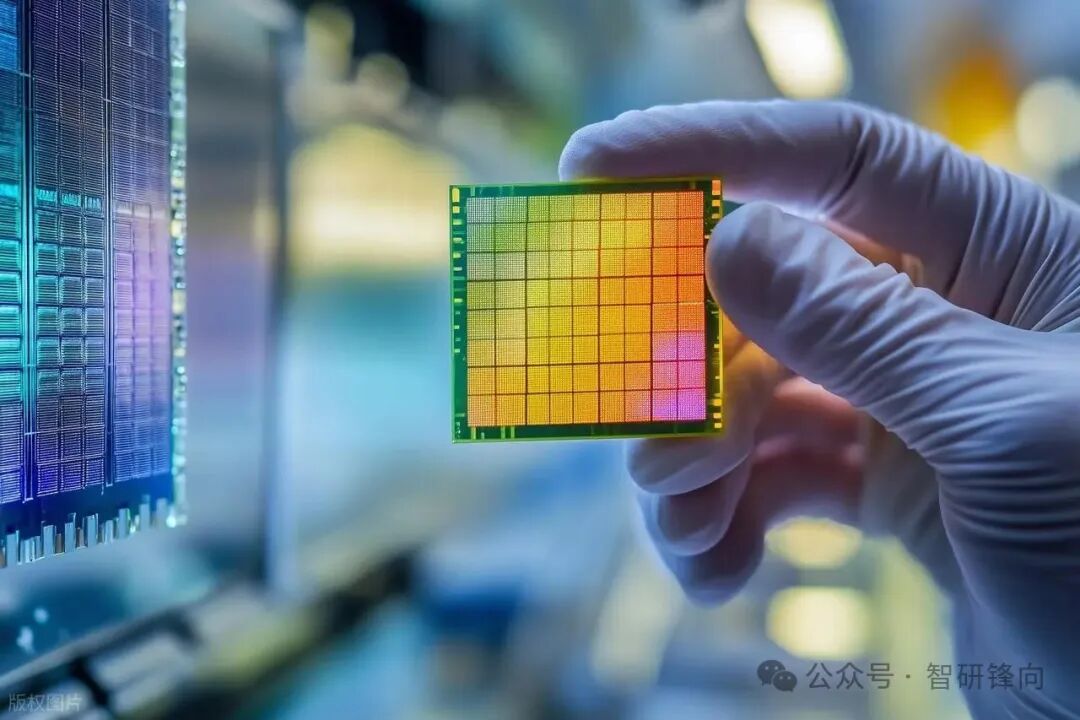
New Players and Resource Wars Beneath the SurfaceAn unverified rumor once circulated wildly in stock forums: Aorede reportedly secured a special subsidy of 1.2 billion yuan from the Ministry of Industry and Information Technology to fully tackle gallium oxide substrate research and development. Meanwhile, the upstream battlefield for metallic gallium is filled with smoke, as China Aluminum released a key signal this July:Metallic gallium production capacity will double by 2025. As gallium oxide stands at the forefront, even raw materials have become chips in the great power game.
In Conclusion
The brutality of this competition lies in:Mastering the technology is merely a ticket to entry; compressing costs into the customers’ wallets is the ultimate test. Nationstar Optoelectronics’ packaging capabilities are trapped in the gap between laboratory and market, Fucheng Gallium Industry’s production line has just lit up its first batch of products, and Quzhou Development’s mention of “early stage of industrialization” suggests that the real war is shifting from papers to financial statements. Currently, no A-share company dares to claim it has completely conquered gallium oxide mass production, but the lights of three production lines burning day and night have quietly raised the smoke of the fourth-generation semiconductor.
Smart Research and Analysis shares financial knowledge, popular sectors, and high-value companies daily,please follow and support,to give me the motivation to keep moving forward . 🙏🙏
Disclaimer: This content is based on publicly available information and data analysis, for reference and exchange purposes only, and does not constitute any specific investment advice or decision-making basis. The market has risks, and any decision should be based on independent research and prudent judgment.