
It’s already 2024, and I believe everyone is familiar with solid-state drives (SSDs).
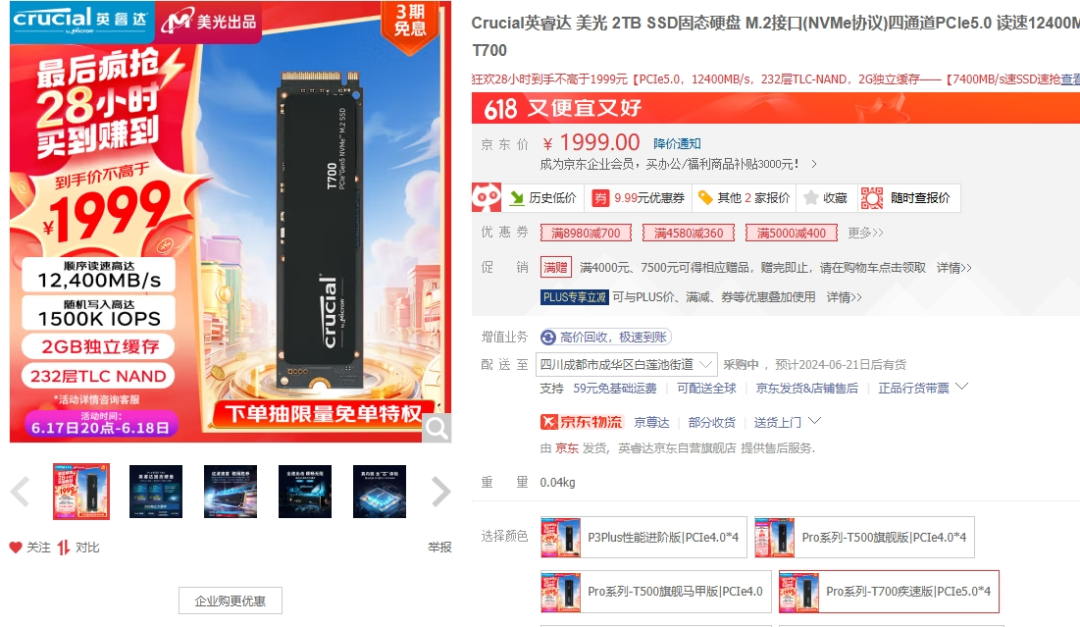
 With continuous technological updates, the interface speed of SSDs has now reached PCI-e 5.0.This isn’t exactly new technology; Micron launched the world’s first PCI-e 5.0 SSD, the Crucial T700, back in May 2023.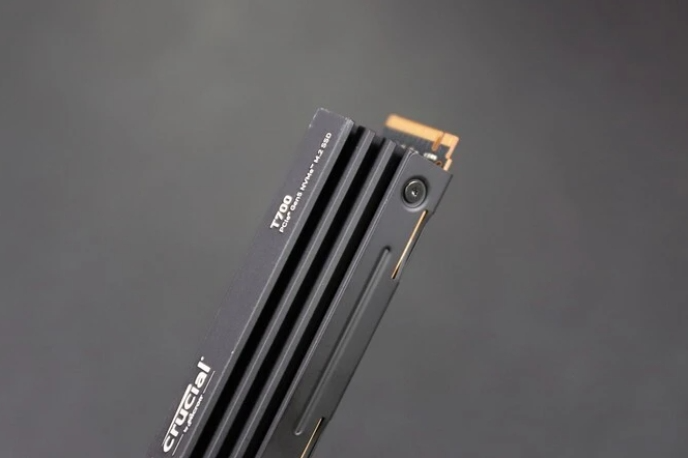
It uses the Phison E26+ controller with its own 232-layer TLC NAND chips. Currently, most PCI-e 5.0 SSDs use this controller.
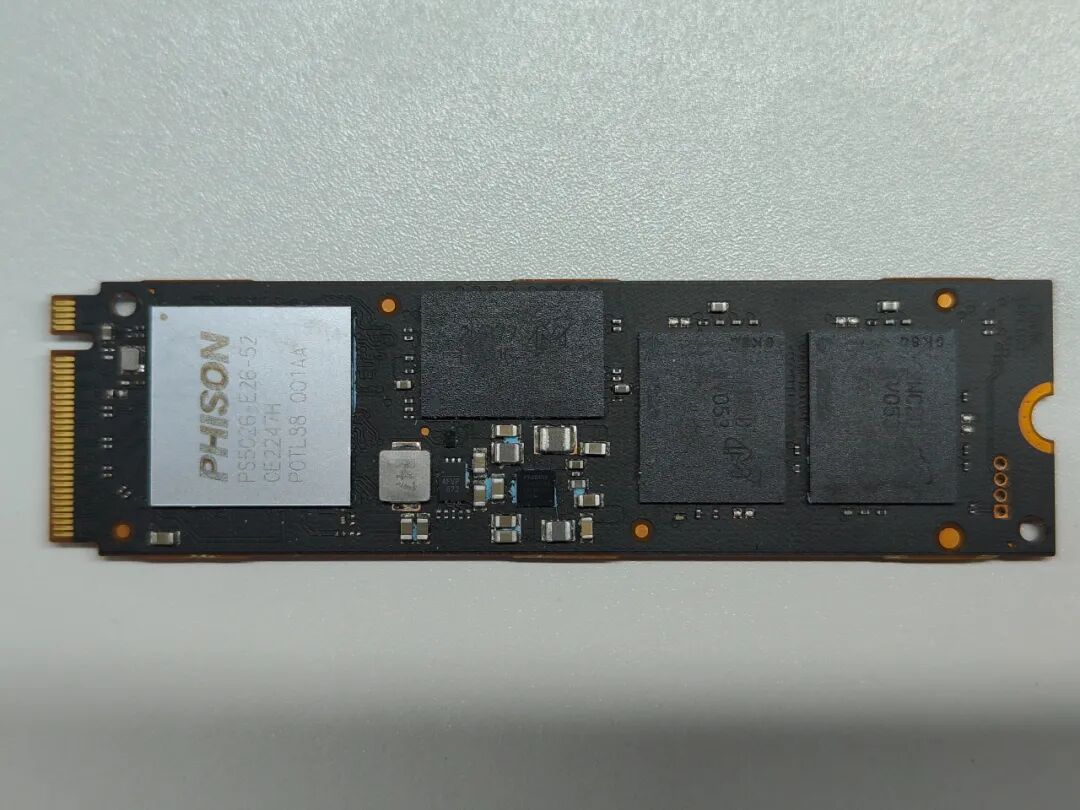
Sequential read and write speeds reach 12.4GB/s, which is nearly double the flagship level of PCI-e 4.0 SSDs at 7000MB/s.
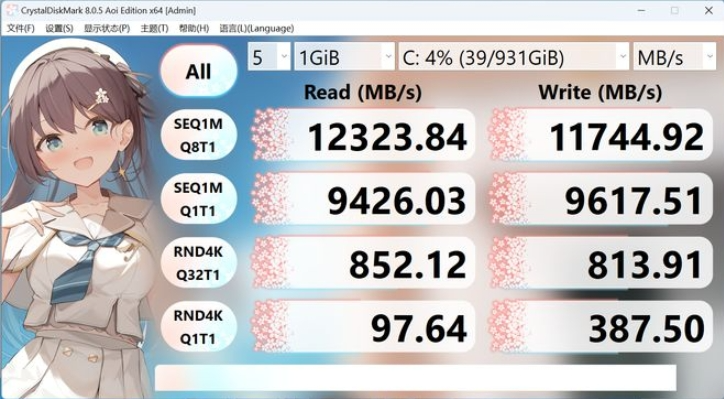
Crucial T700 test results
However, in terms of 4K random read and write speeds, which are more relevant to our daily usage experience, there has been no improvement, and in fact, it has regressed.
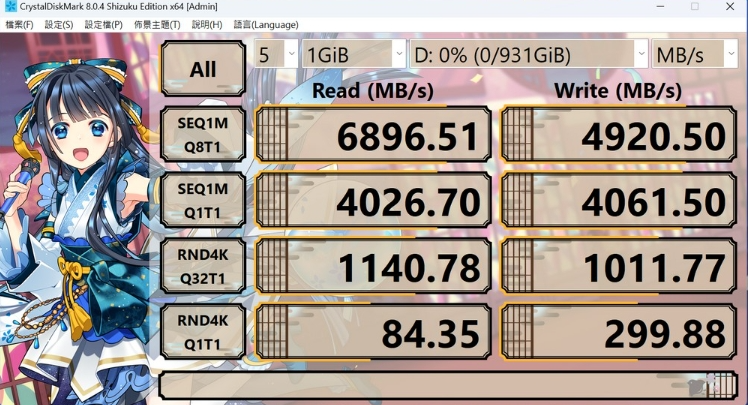 Samsung 980 Pro test results
While the significant increase in sequential read and write speeds is impressive, the controller technology remains at 12nm, which also leads to higher prices.
And with higher heat generation and power consumption.
 Therefore, despite being on the market for some time, the response has been lukewarm, and consumers have little desire to upgrade.
Recently, however, Phison introduced a new PCI-e 5.0 SSD controller, the SM2508, which isn’t entirely new as it was announced last year, but it has finally been released this year.
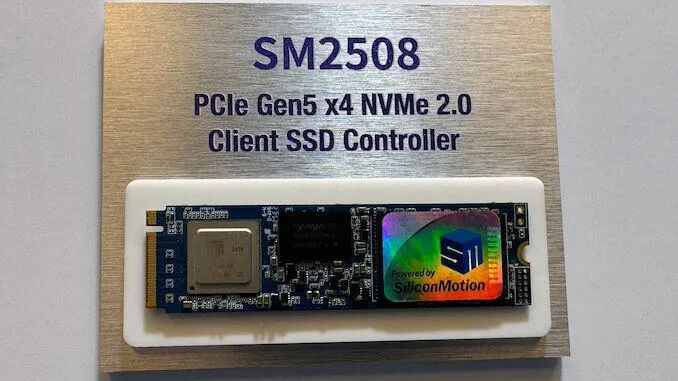
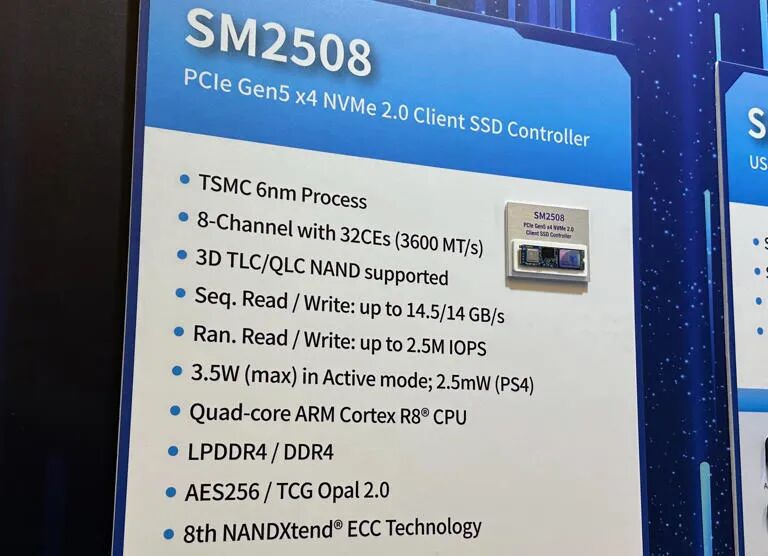
The SM2508 uses a highly advanced TSMC N6 (6nm) process and integrates 4 Arm Cortex-R8 CPU cores.
It has 8 NAND channels, 32CE flash memory, and an interface speed of 3600MT/s.
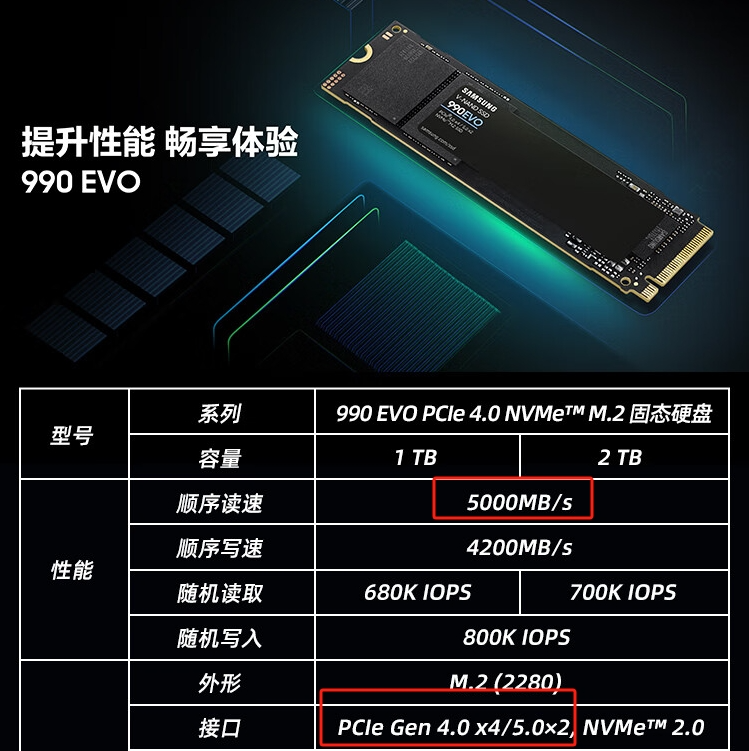
In terms of specifications, it also supports PCI-e 5.0×4, contrasting sharply with the Samsung 990 EVO PCI-e 5.0×2.
 Its working power consumption is only 3.5W, and in PS4 sleep mode, it is just 2.5mW.
With these specifications, it achieves sustained read and write speeds of 14.5GB/s and sequential write speeds of 14GB/s, with live tests even reaching 14.9GB/s for reads!
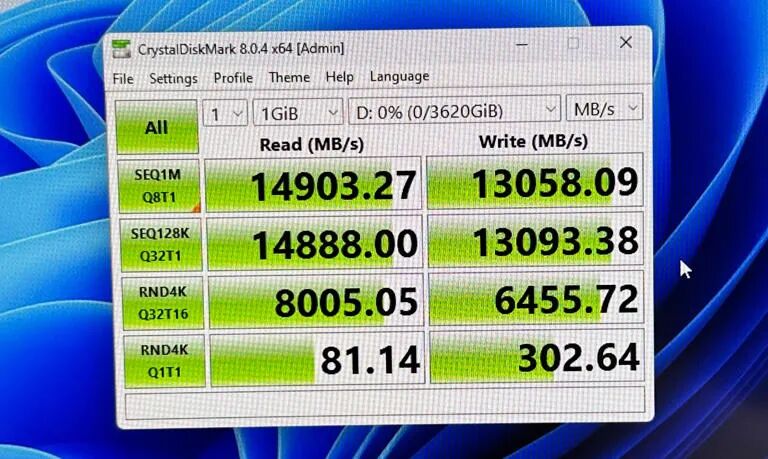 In terms of 4K random read and write speeds, it has reached 2.5 million IOPS, allowing for faster game loading!
Most importantly, the integrated SSD can keep power consumption around 7W.
 Compared to the 12W power consumption of many SSDs using the Phison E26 controller, this is a significant reduction, which naturally leads to lower heat generation.
This means there is no need for fans or exaggerated heat sinks; a standard heat sink will suffice.

Seeing this, some may ask, how does this relate to us budget-conscious folks? With more advanced technology, shouldn’t it be more expensive?
Don’t worry.Since the launch of the criticized E26 last year, Phison has not been idle.
Recently, at the Taipei Computer Show, they introduced their second controller—Phison E31T, which features 2 ARM Cortex R5 CPUs, 4 NAND channels, and 16CE flash memory.
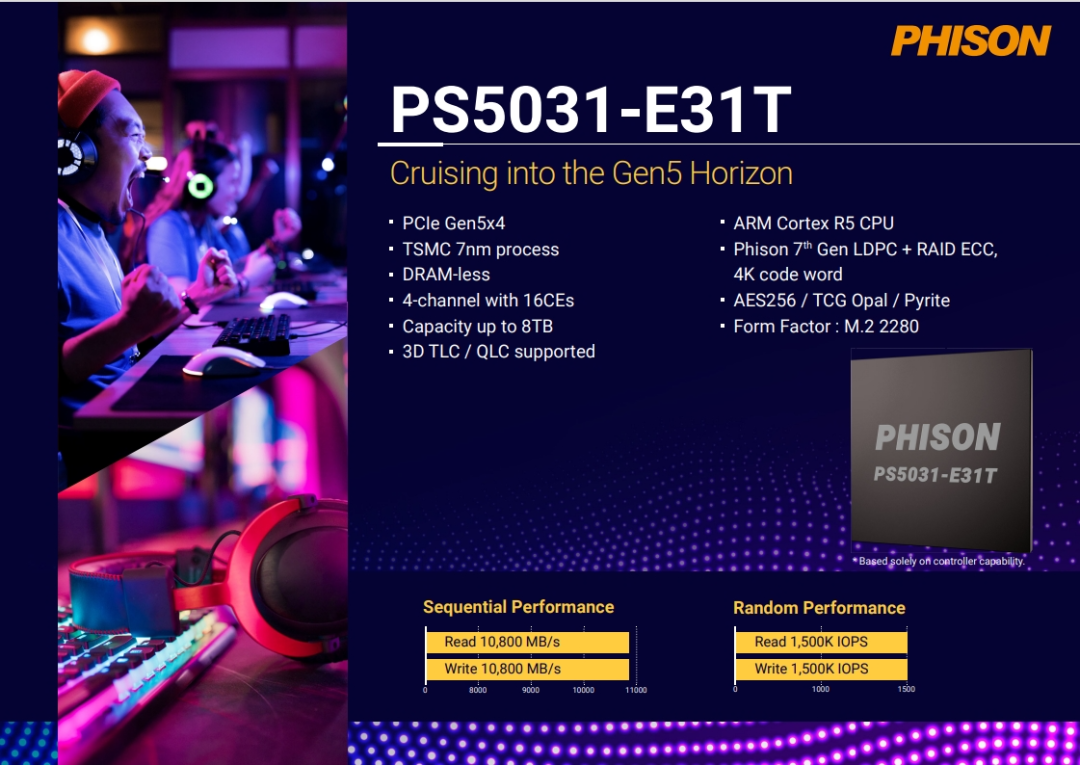
Based on the TSMC 7nm process, this is also the first DRAM-less controller for PCI-e 5.0×4 interfaces, with a chip speed of 3600MT/s, compared to top-tier solutions;
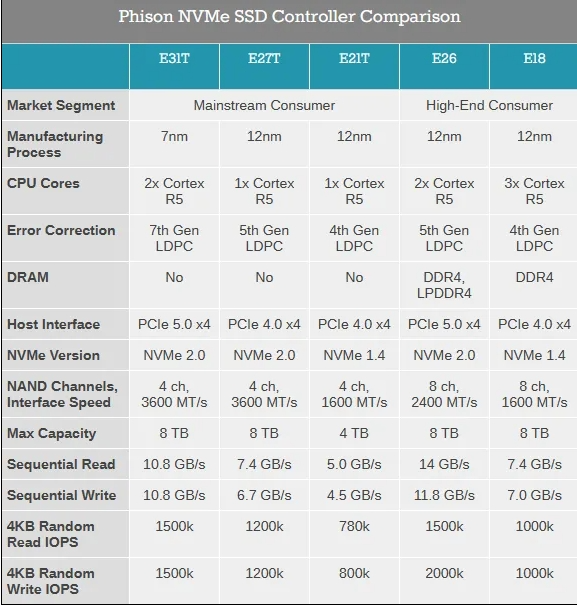
Sequential read and write speeds are 10GB/s, and 4K random read and write speeds are 1.5 million IOPS. While performance may be discounted, the price and heat generation will also be more affordable. It is expected to become a mainstream solution in the future.
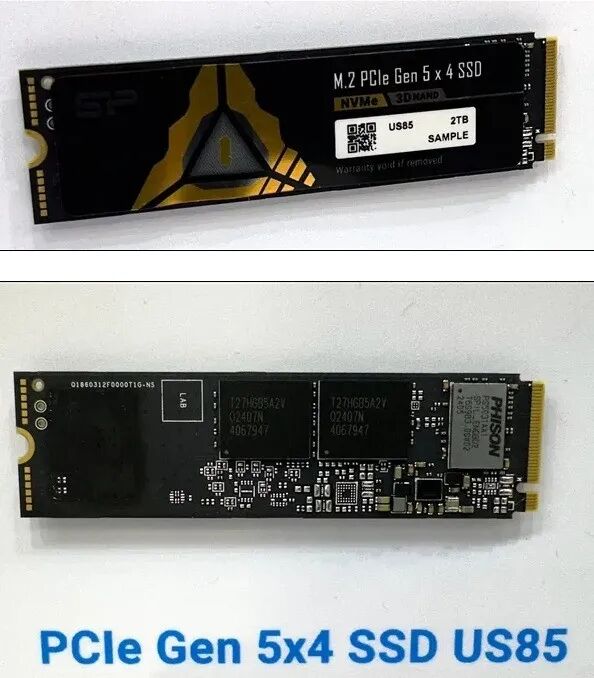 Both of these solutions are expected to be available in products by Q4 of this year.
However, currently, motherboards typically only provide one PCI-e 5.0 M.2 slot, and high-spec motherboards with multiple slots are also quite expensive.
 So even for those with large file transfer needs, it may not be very useful.However, as PCI-e 5.0 SSDs become more common, it will likely push motherboard manufacturers and chipsets to upgrade. Let’s wait and see!Our tech community is recruiting! If you want to solve hardware and software issues and find like-minded friends to discuss and share tech, join us!We have technical discussions, problem-solving, and official sharing of cutting-edge software and cost-effective products.
 Start your exciting tech journey now!Long press the QR code to add WeChat and join the group quickly