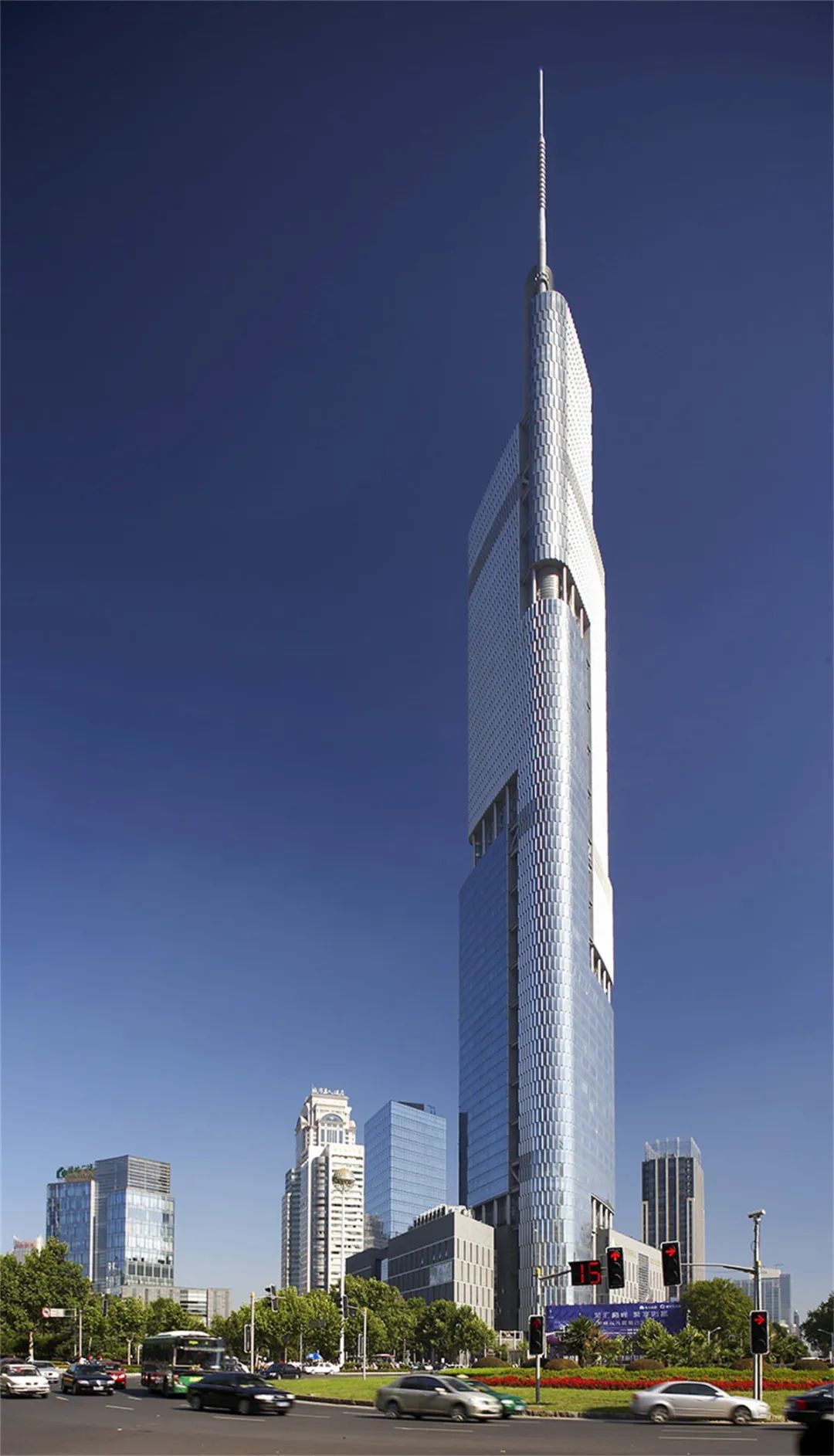
Nanjing Zifeng Tower is one of the iconic works of the American architectural firm SOM in China, and it is the tallest building in Jiangsu and the sixth tallest in China.
Design Background and Concept
Cultural Integration and Local Expression
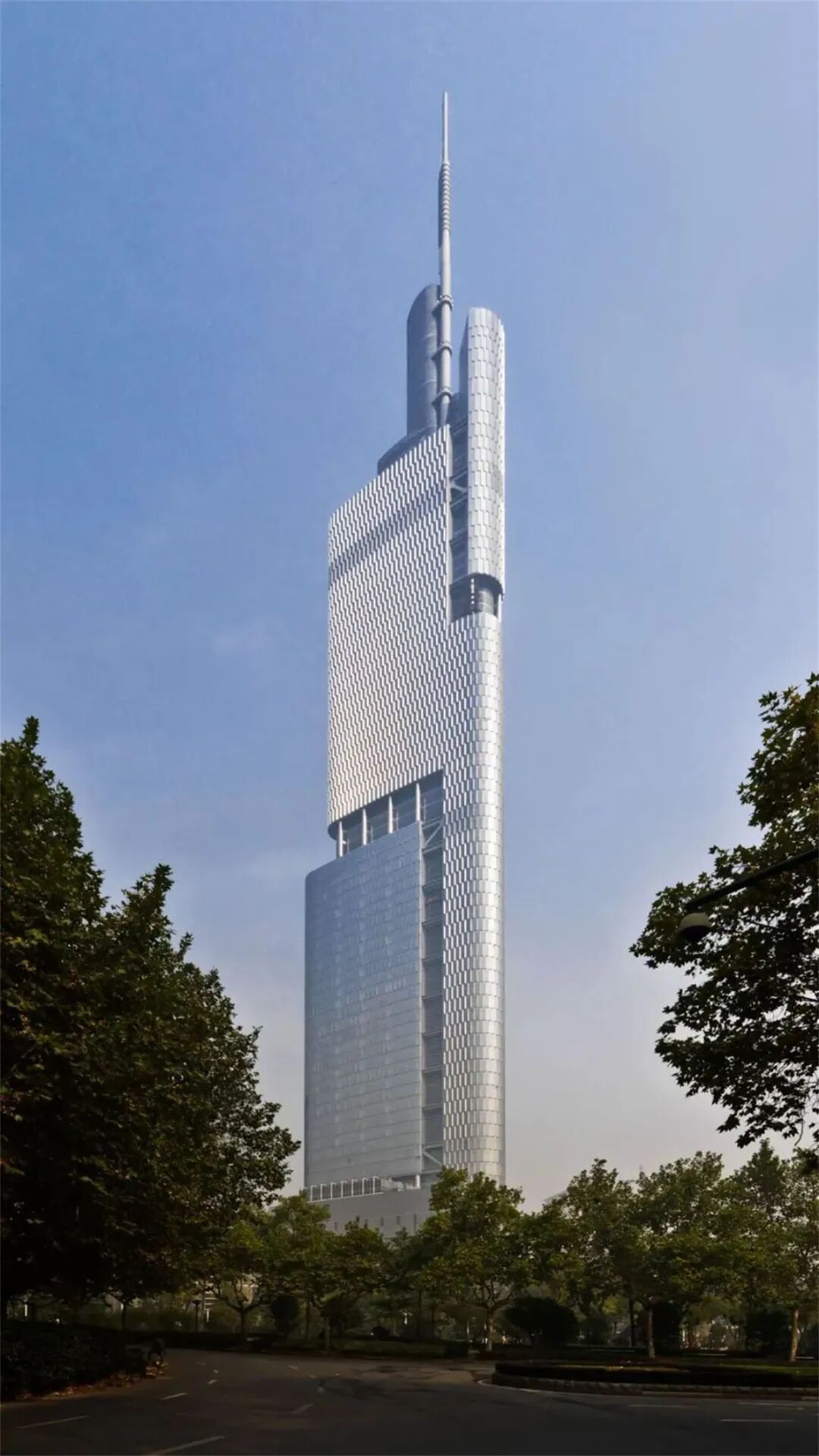
The Zifeng Tower was designed by SOM’s chief designer Adrian D. Smith, inspired by Nanjing’s historical culture and natural landscape. The design incorporates three core elements:
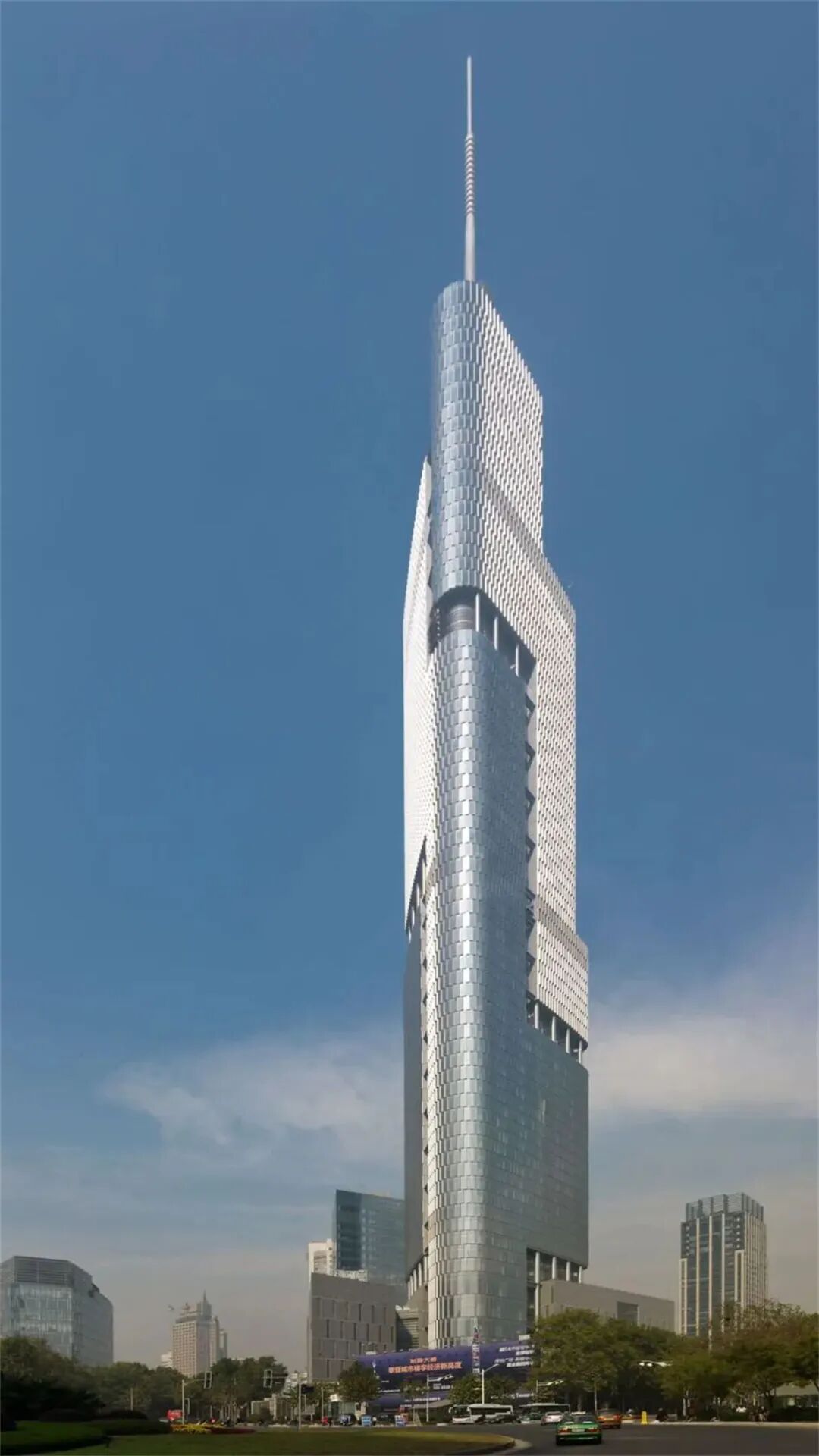
Dragon Culture: The facade features a dragon scale-like serrated triangular glass curtain wall, presenting a dynamic scale effect that changes with perspective and sunlight, symbolizing the image of a “coiling dragon” rising.
Yangtze River: The building’s shape meanders like a river, echoing Nanjing’s water system characteristics.
Garden City: The stepped structure and atrium design simulate the spatial hierarchy of traditional gardens.
Balance of Function and Aesthetics
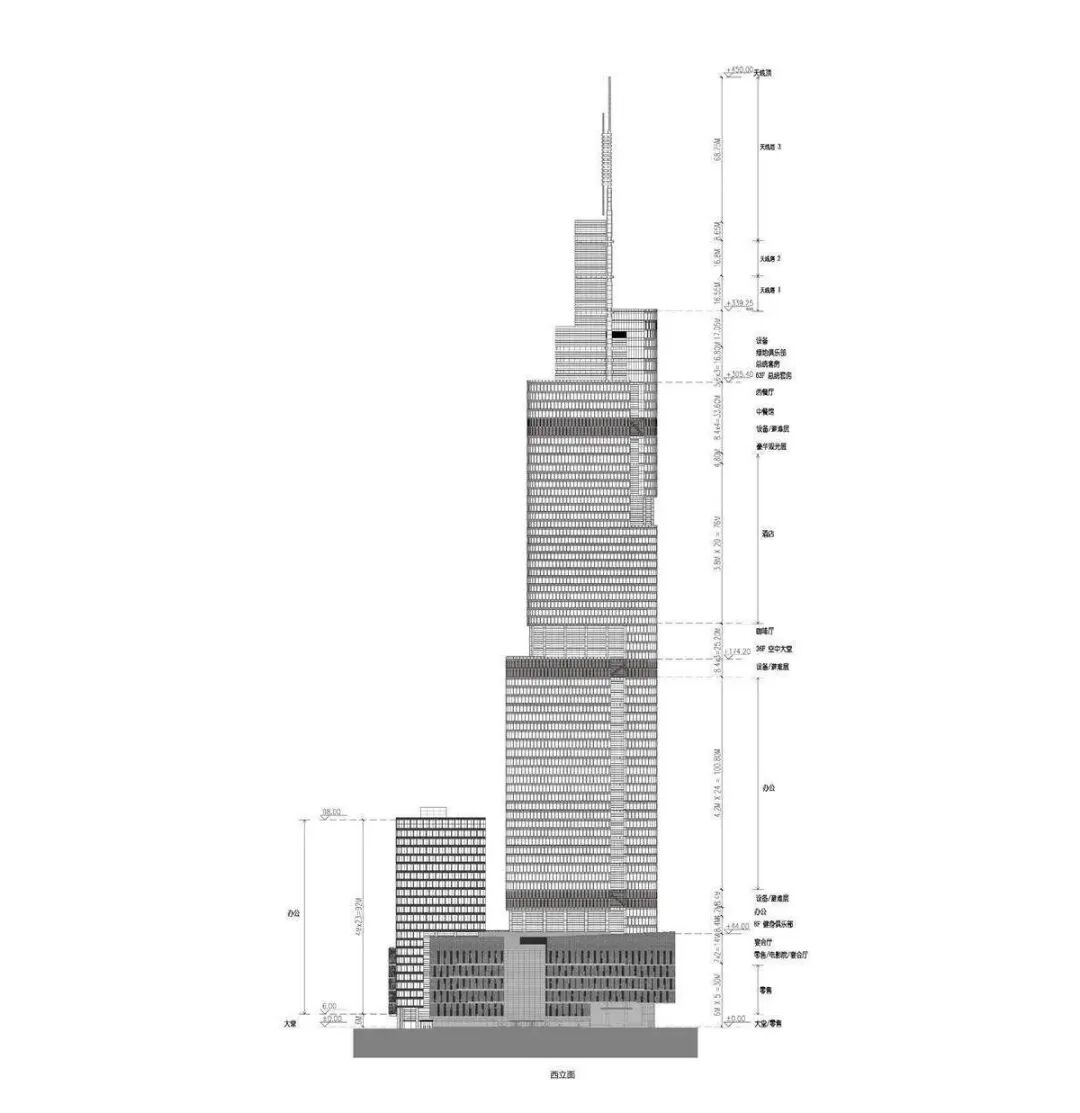
The tower has a total height of 450 meters (including a 69-meter spire), with 89 floors above ground and 4 floors below ground, covering a total construction area of 261,000 square meters. The functional zoning is clear:
Levels 1-6 are for shopping malls, levels 8-9 are for fitness centers, levels 10-41 are for Grade A office spaces, levels 42-71 are for hotels, and level 72 is an observation hall (at 281.8 meters high, offering a panoramic view of Nanjing).
Technological Innovation and Structural Design
Wind Resistance and Stability
The triangular floor plan combined with a rounded shape reduces wind load impact.
The main building has three steel truss layers (at levels 10, 35, and 60) to enhance overall stability.
Energy Efficiency and Environmental Protection
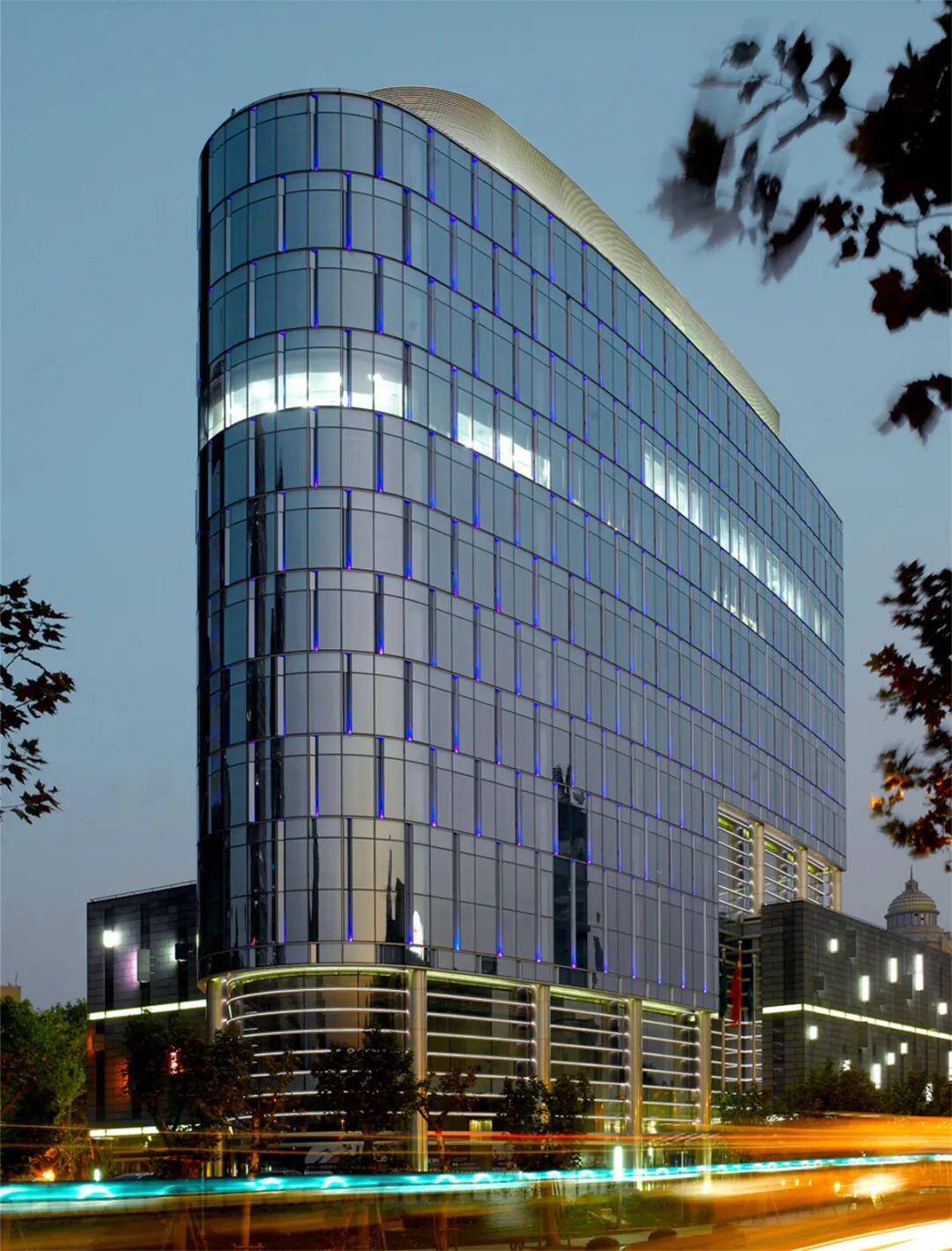
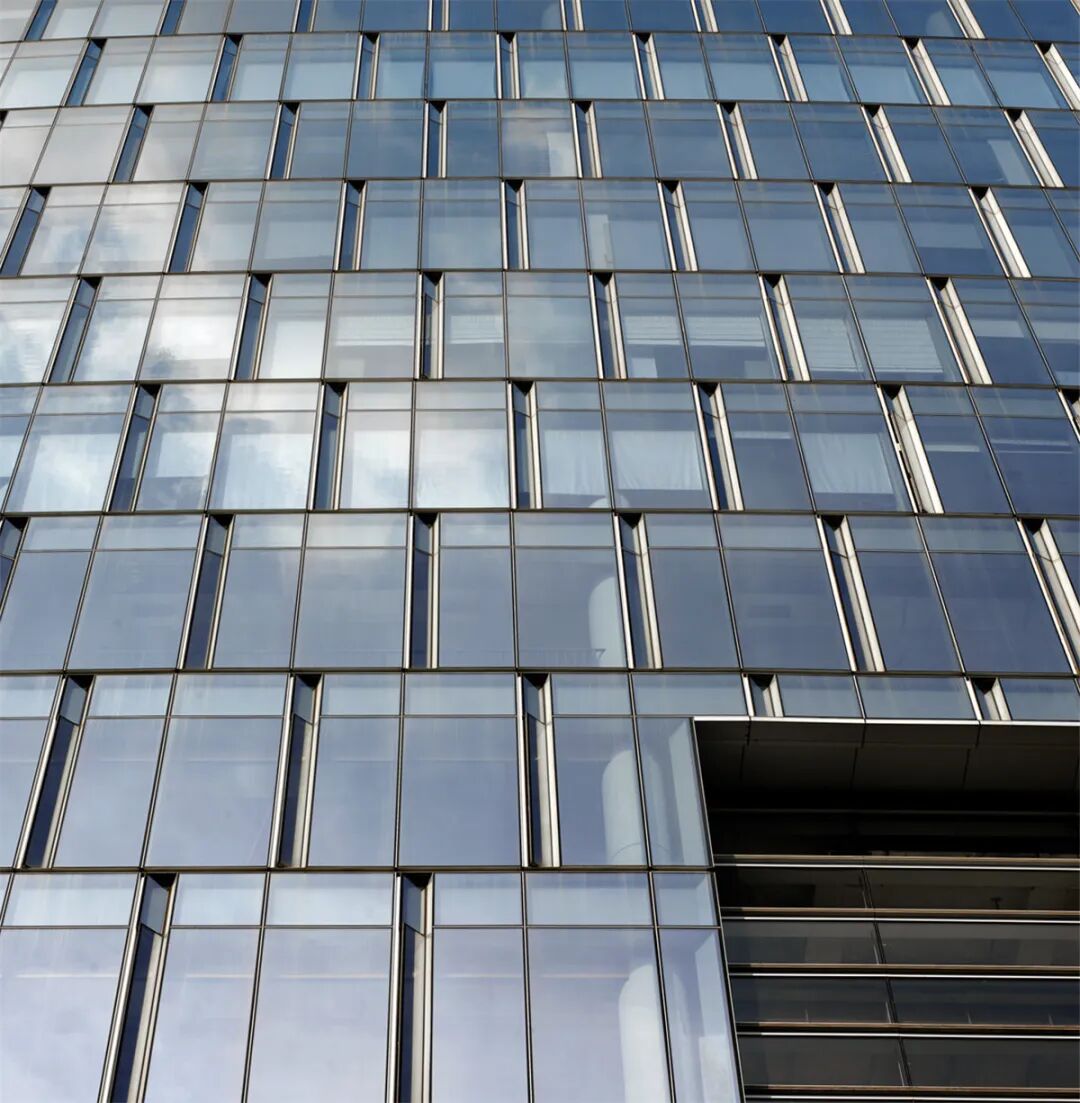
The curtain wall uses low-emissivity coated hollow glass (LOW-E glass), combining energy efficiency with visual appeal.
Equipped with a rainwater recycling system and intelligent energy consumption monitoring, it has achieved LEED Gold certification.
Foundation Engineering
A 3.4-meter thick pile raft foundation is used, combined with artificially excavated pile groups, ensuring settlement control for the super-tall building.
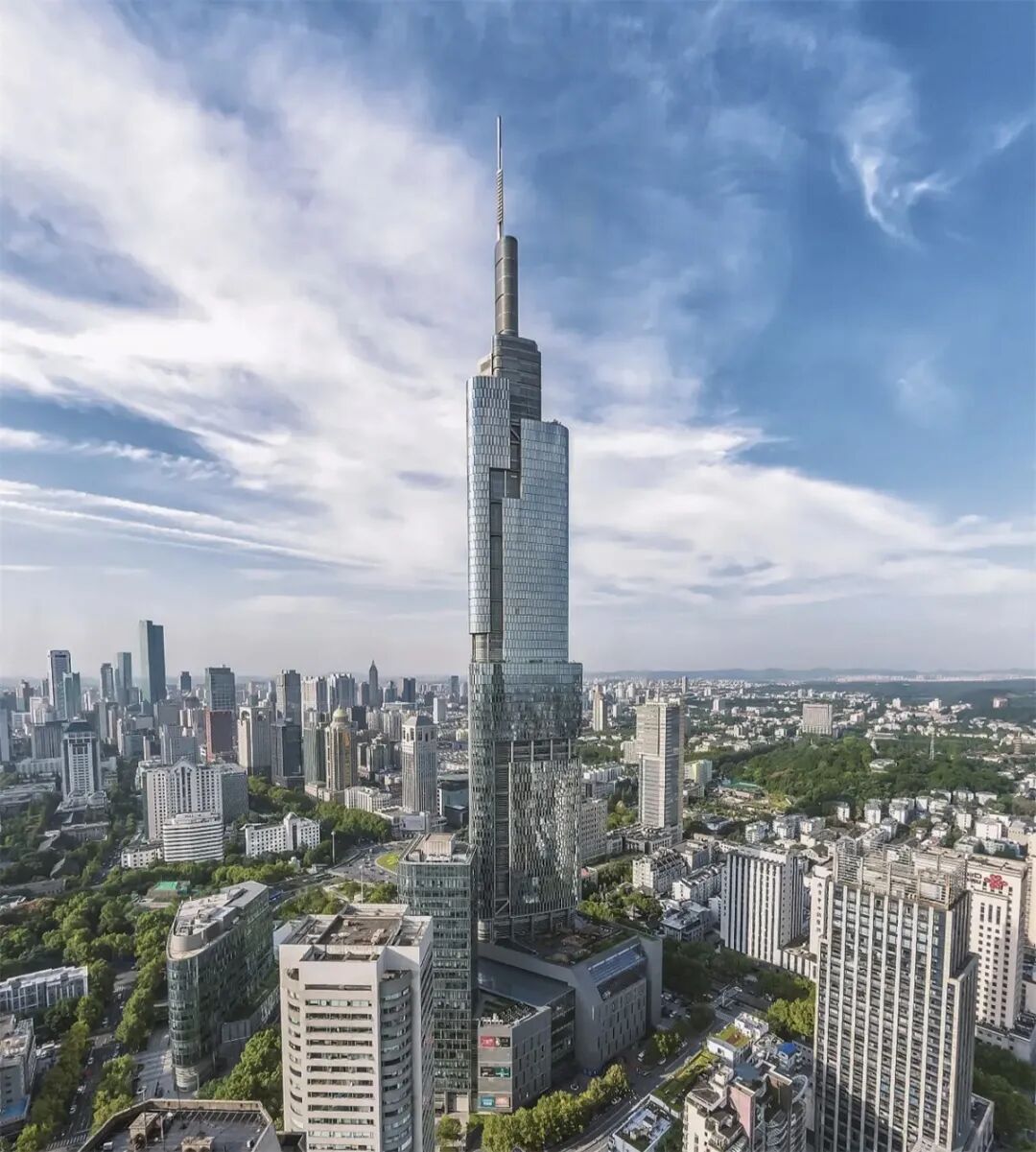
Nanjing Zifeng Tower is a multifunctional dual-site architectural complex. The layout of site A1 includes a 450-meter high building with office space and a hotel, a 100-meter high office building, and a podium connecting the two buildings. Site A2 features a 63-meter high office building with a podium.
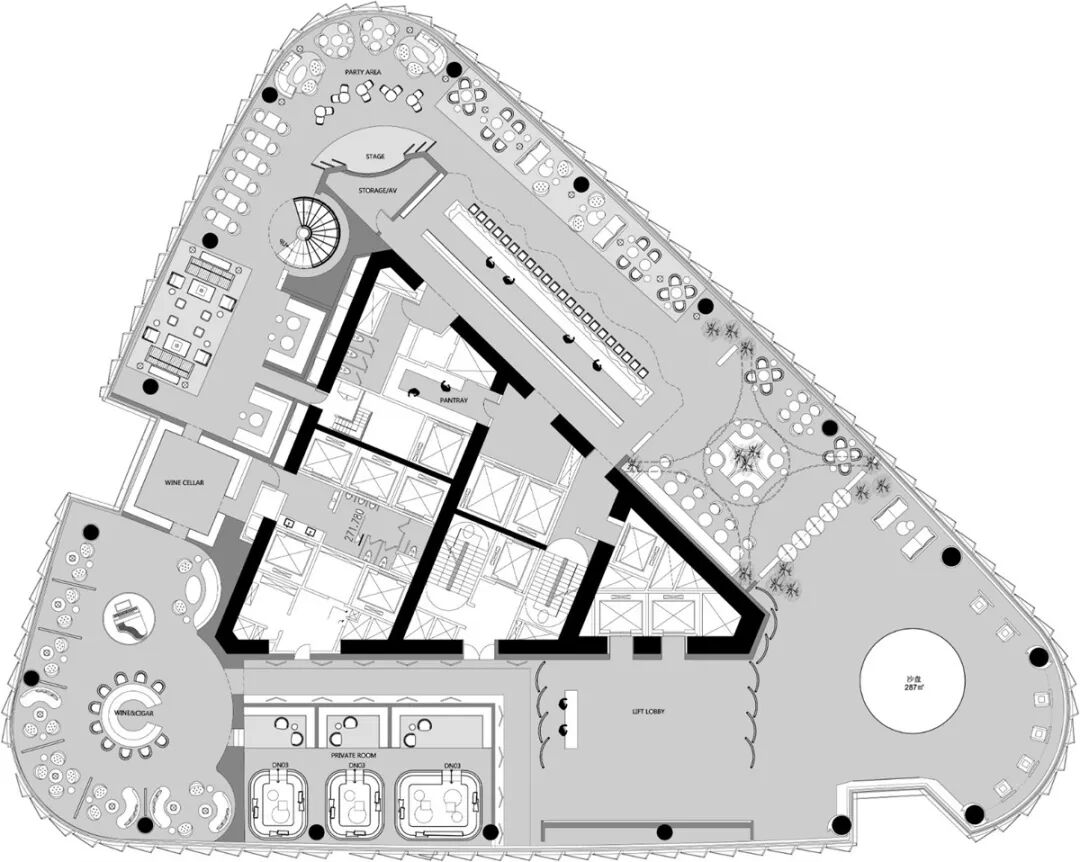
The building’s layout is designed according to the existing road directions, and its shape makes it a new highlight in the city’s skyline. Along Beijing Road, there is an east-west oriented observation corridor, where visitors can enjoy the ancient landmarks of Jinling, such as the Bell Tower and Drum Tower. The landscape effect is a key focus of the project. Nearby the street where the building is located, there are several large open public spaces, such as a sunken garden to the south of site A1, which leads directly to the future subway station. A rooftop garden is also built on site A1 to reduce the urban heat island effect while providing a place to enjoy the views of the Bell Tower and Drum Tower. Additionally, the 450-meter high tower features sky gardens that spiral around the building’s facade, making it appear like a giant dragon ascending.
Controversies and Evaluations
Height Controversy
Some opinions suggest that the actual height of Zifeng Tower is only 339 meters (up to the 82nd floor), with the remaining 111 meters being the antenna and equipment layer, humorously referred to as a “giant syringe.” However, its design has still been recognized in the architectural community, having won the China Civil Engineering Zhan Tianyou Award and the first prize for architectural structural design.
Urban Landmark Value
As a symbol of Nanjing’s skyline, Zifeng Tower, designed by SOM, emphasizes local cultural expression, similar to the Jin Mao Tower in Shanghai. It is surrounded by historical sites such as Xuanwu Lake and Purple Mountain, creating a dialogue between tradition and modernity.
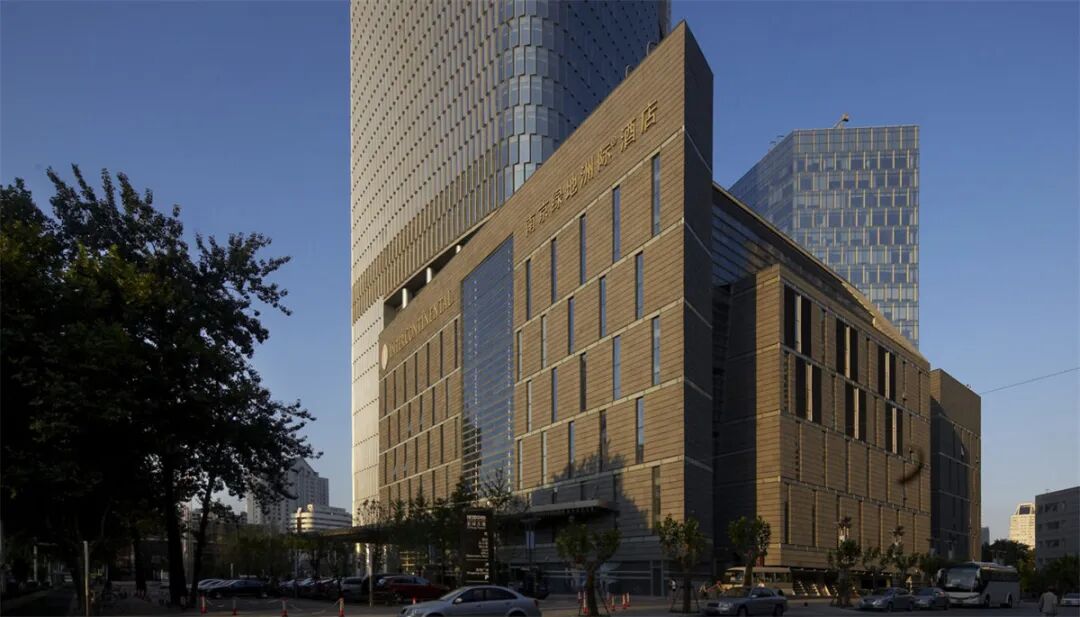
Rising from a bustling intersection within the city of Nanjing, this 89-story triangular tower was elegantly designed in response to its program and context. The stepped form indicates the uses within: The lower portion of the building contains office and retail space, while the upper levels house a hotel, restaurant, and public observatory. The skyscraper offers sweeping views of a nearby lake, the surrounding mountains, and the city’s many historic buildings.
Social Impact and Resident Enterprises
Economic and Cultural Boost
The tower has attracted over 150 well-known enterprises, including China Power Investment Group, Standard Chartered Bank Jiangsu Headquarters, and LG Group, becoming the core carrier of Nanjing’s central business district.
The observation hall receives over a million visitors annually, becoming a new landmark for city tourism.
Transportation and Supporting Facilities
Located at Gulou Square, it is close to the Gulou Station of Metro Lines 1 and 4, with dense surrounding bus routes forming an efficient transportation network.
SOM’s Global Practice Extension
Zifeng Tower is one of SOM’s representative projects in China, and its design methodology reflects the team’s deep exploration of local culture combined with technological innovation. Other SOM projects in China, such as the Guangzhou Zhujiang New Town Tower and Zhengzhou Qianxi Plaza, also balance modernity with regional characteristics, promoting the development of super-tall buildings in China.
Conclusion
Nanjing Zifeng Tower not only embodies SOM’s design philosophy but also marks a turning point in China’s super-tall buildings from technical imitation to cultural confidence. Its design has both controversies and achievements, but it is undeniable that it has become a symbolic sign of Nanjing’s modernization process.
Client: Greenland Group
Site Area: 28,294 square meters
Building Height: 450 meters
Total Construction Area: 308,000 square meters