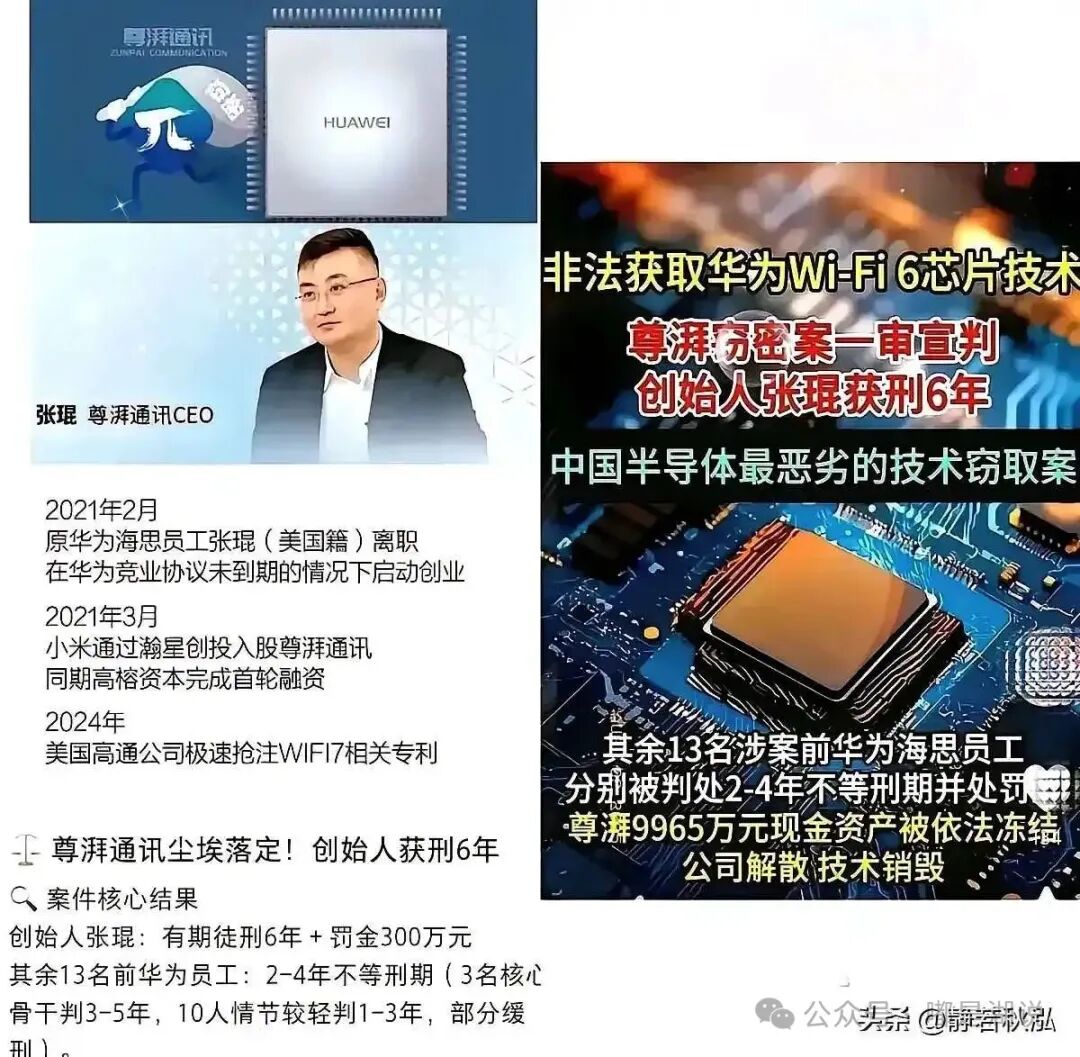
The Shanghai Municipal Public Security Bureau’s Economic Crime Investigation Corps recently reported that, under the command and deployment of the Ministry of Public Security and with the strong cooperation of the Jiangsu police, the Shanghai police successfully cracked a case of infringement of chip technology trade secrets, arresting 14 criminal suspects and seizing 7 servers storing the infringing chip technology.
Zhang Kun, you may not have heard of him. However, at Huawei, he is a key figure. He worked at Huawei for 10 years and participated in the production of 7 different chips. Just as Huawei’s chip business was thriving, he suddenly left to start his own company. What is even more shocking is that Huawei’s most important trade secrets were exposed! Why would a top industry genius betray his ten years of effort?
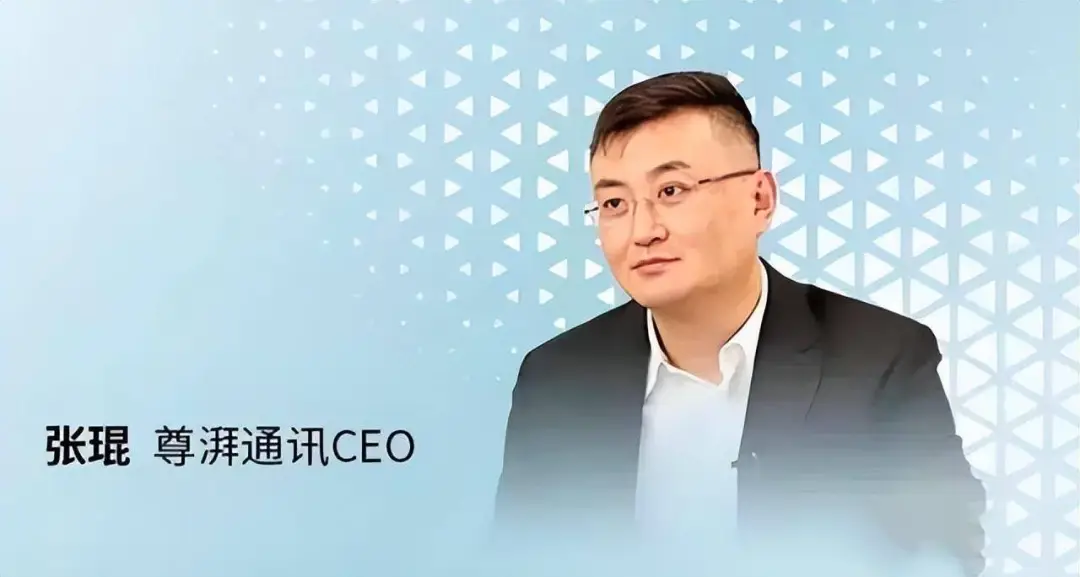
Zhang Kun had worked at Huawei for ten years, and logically, his loyalty to Huawei should be unquestionable. After all, it was Huawei that transformed him from an ordinary engineer into one of the best talents in the industry, providing him with vast opportunities. It is hard to imagine how a “trusted employee” could suddenly turn against the company at the peak of his career. Zhang Kun’s technical skills are beyond doubt, as he was the primary developer of Huawei’s Kirin and Balong chips. If that is the case, why would he risk leaking information? Was it really just for money? That seems implausible, given his position and benefits at Huawei were quite good.
Before starting his own business, Zhang Kun was the technical director of Huawei HiSilicon’s 21st level, with over 20 years of experience in the semiconductor industry, having served as a senior technical director/senior technical expert at well-known chip companies both domestically and internationally, and he had led the development of several short-range communication chips, with shipments exceeding billions.
Zhang Kun left Huawei in 2021 and founded Zunpai Communications in March of the same year. He not only used Huawei’s technology and intellectual property but also lured Huawei’s research personnel to switch jobs with high salaries and equity.The entire team of Zhang Kun’s new company was composed of former Huawei employees, effectively stealing Huawei’s chip technology.
The police report stated that, upon assessment, the infringing chip technology had 40 technical points that were over 90% identical to the trade secrets of the rights holder, constituting substantial similarity. The espionage activities of Zhang’s group led to the loss of the rights holder’s trade secrets, and the losses should be determined based on the research and development costs of the trade secrets and the commercial value of implementing those trade secrets.
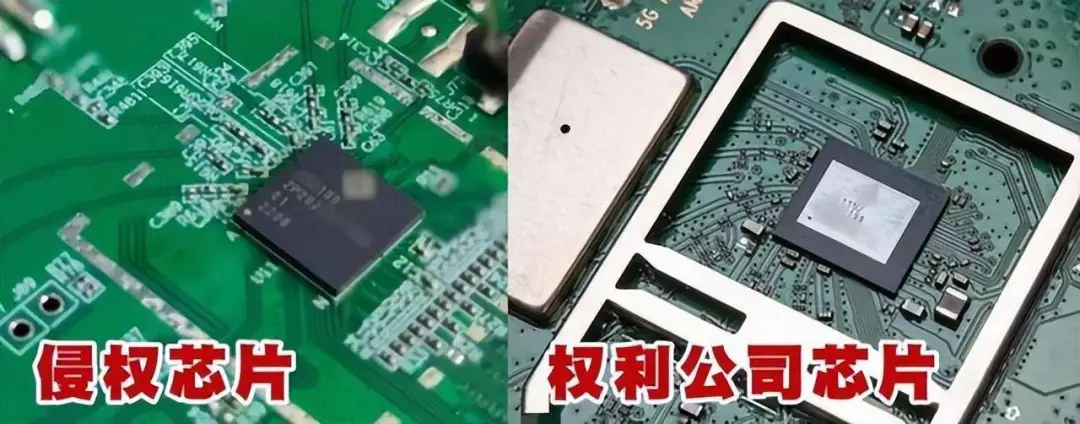
Huawei’s investigation found that Zhang Kun “stole” Huawei’s graphics card interface technology and attempted multiple times to transfer it to foreign companies, planning to establish a chip company with investors, which led to significant technology leaks.
Huawei’s WiFi7 technology is leading the world, directly crushing Qualcomm in the United States, far surpassing it. Zhang Kun had worked on WiFi chip research at Qualcomm for 5 years, and after returning to China, he worked in Huawei’s technical department for 10 years. Less than two months after leaving Huawei, he established Zunpai Communications, quickly securing hundreds of millions in financing from major capital like Gao Rong, and lured technical backbones from Huawei with high salaries and equity, instructing these personnel to illegally obtain chip technology information from the rights holder through note-taking and screenshots before leaving, and applying it to the same type of chips designed by his company. Within less than a year, they launched 47 top chip technologies, 46 of which were stolen from Huawei. Such a major case is personally investigated by the Ministry of Public Security, and it is definitely not just a simple case of technology theft; it may involve national security related to leaking secrets to foreign countries.
In Huawei’s chip business, he could have continued to enjoy a high-level position and career advancement opportunities. Yet, at this critical juncture, he chose to leave. Now, all evidence indicates that his motivation for leaving the company is not merely for development.Zhang is a wealthy man, and his position and salary at Huawei were very high. Given his qualifications and status, he could not be unaware of the serious consequences of leaking chip technology. Some netizens have suggested that Zhang may have been bought off by foreign powers, thus obtaining Huawei’s trade secrets.
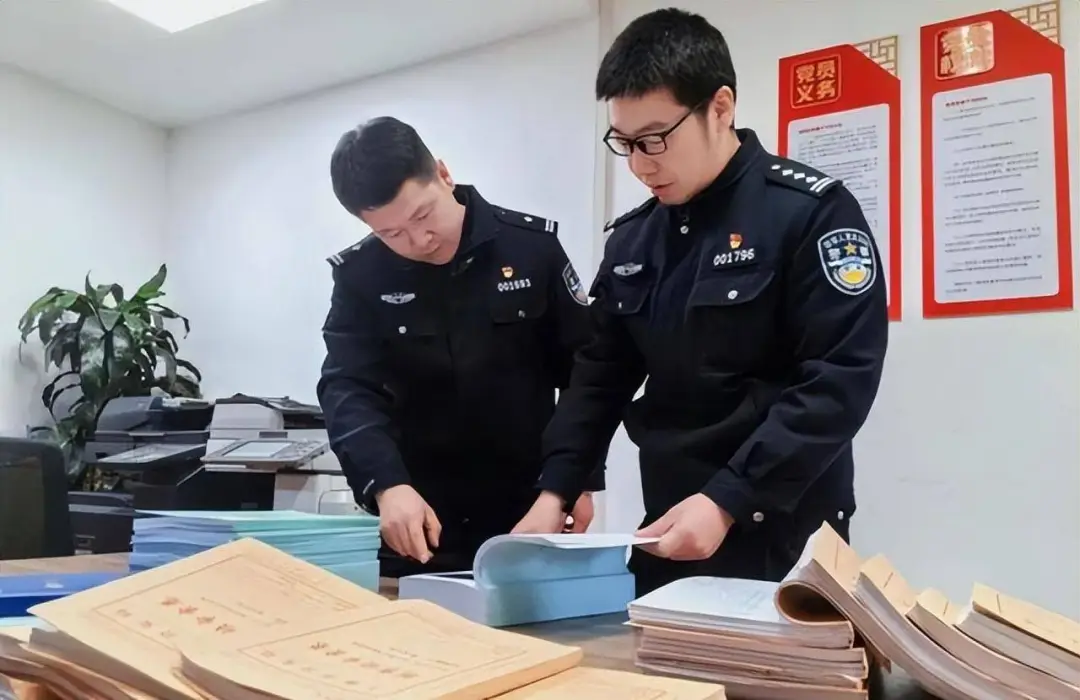
After the incident, relevant departments quickly intervened. However, it is necessary to address the root of the problem, which is to strengthen the cultivation of national awareness among core research personnel and improve the protection mechanism for key trade secrets to prevent foreign infiltration.
No matter whether Zhang is an American spy or an insider at Huawei, the Zhang Kun theft case serves as a strong warning and profound lesson for our country, reflecting the serious issues that still exist in the management of scientific and technological talents and the protection of scientific and technological security. The Zhang Kun case is no longer just a private dispute between individuals or companies, but a major issue concerning national technological security and the protection of interests.
The content published by this WeChat public platform “Du Shi Hu Shuo” is noted to be sourced from the original source, and the copyright belongs to the original source (those whose copyright cannot be verified or are not noted are all collected from the internet). Reproduced content (videos, articles, advertisements, etc.) is for the purpose of information dissemination only, for reference only, and does not represent the platform’s endorsement of its views and positions. The authenticity, accuracy, and legality of the content are the responsibility of the original author. If there is any infringement, please contact the backend for deletion.
We are a public account with an attitude.