Let’s first look at a case
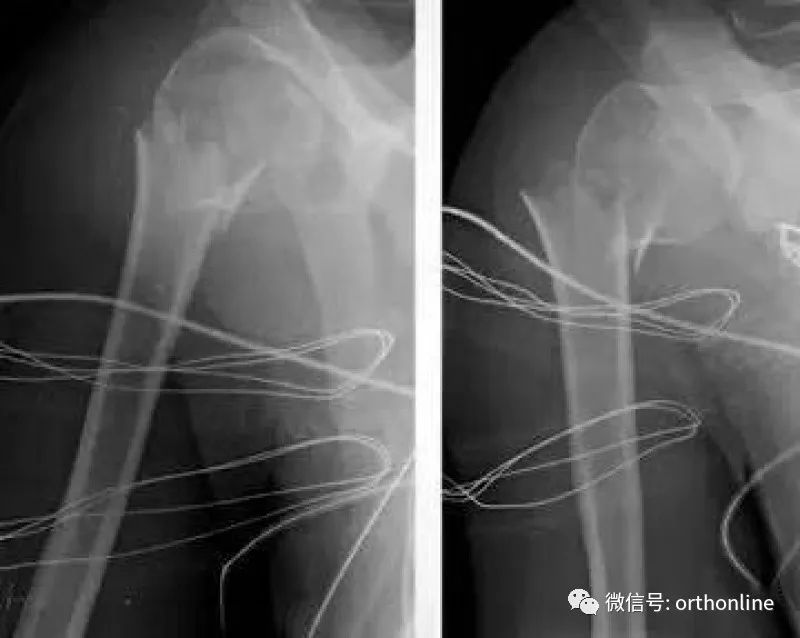

In such a case, would you choose a plate or an intramedullary nail?
Risks of using a plate: the fracture fragment on the medial side of the humerus is difficult to reset, leading to loss of support on the medial side,
whereas the intramedullary nail does not face such issues.
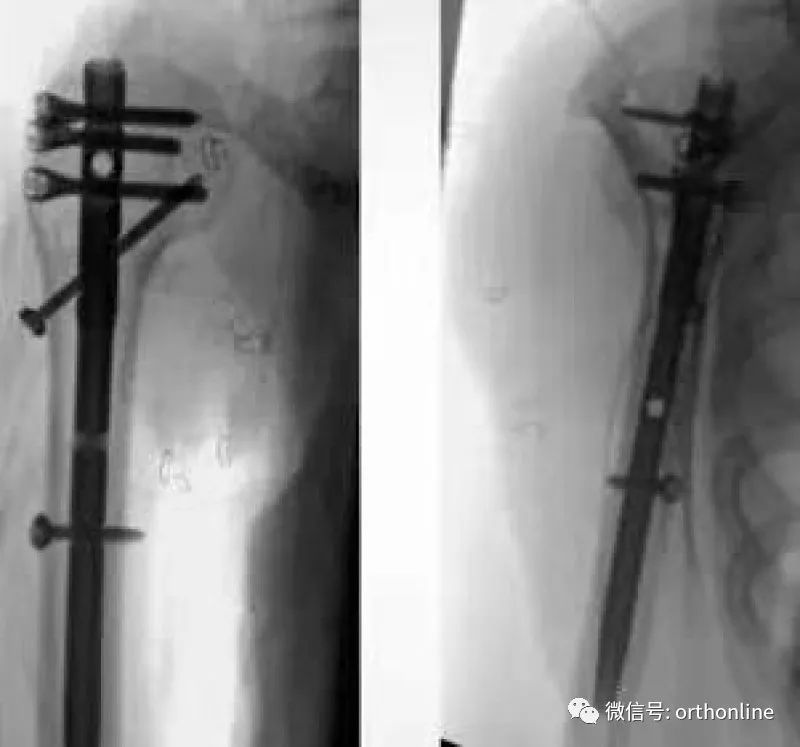
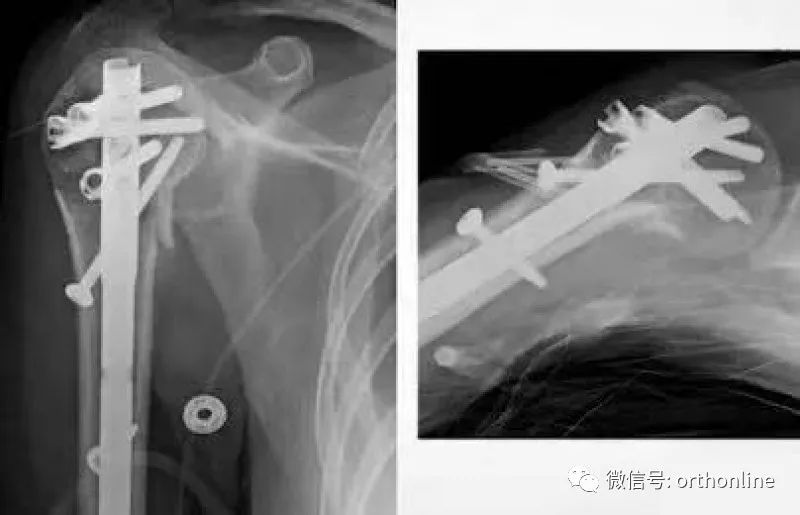
Why do we use intramedullary nails?
1. Central axis fixation with minimal soft tissue intervention; 2. Biomechanical advantages; 3. Support at the head; 4. Minimally invasive; 5. Best indication for two-part fractures.
However, this fixation also has some drawbacks
1. Damage to the joint surface;
2. Fixation of the small fragments of the humeral neck;
3. The stability between the gaps of the intramedullary nails is not as good as that of locked plates;
4. Some intraoperative radiation exposure.
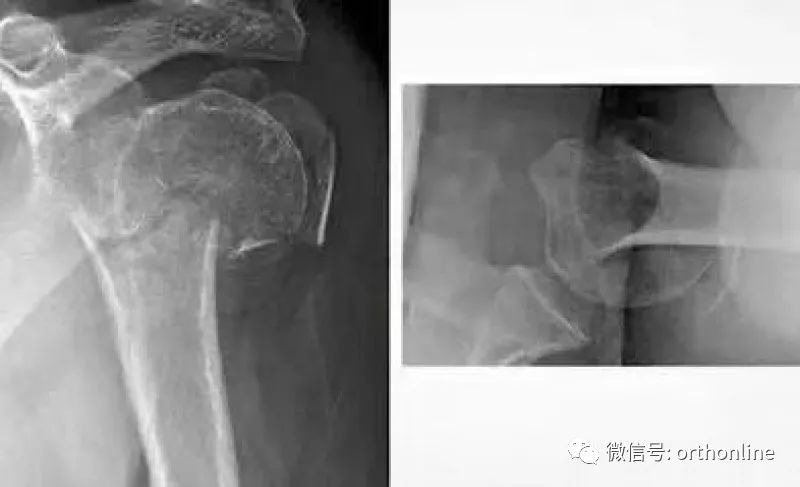
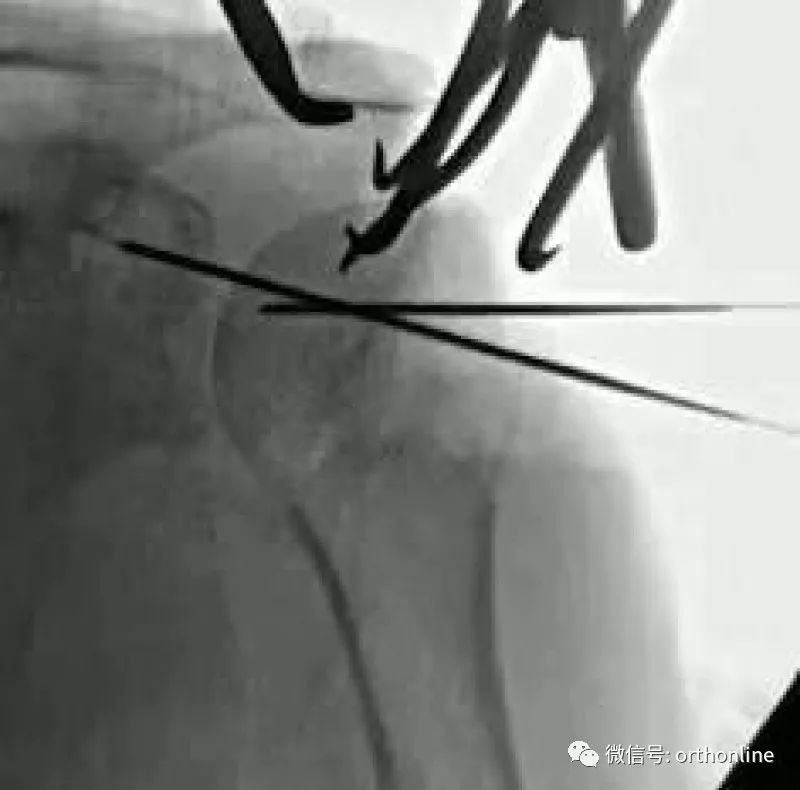
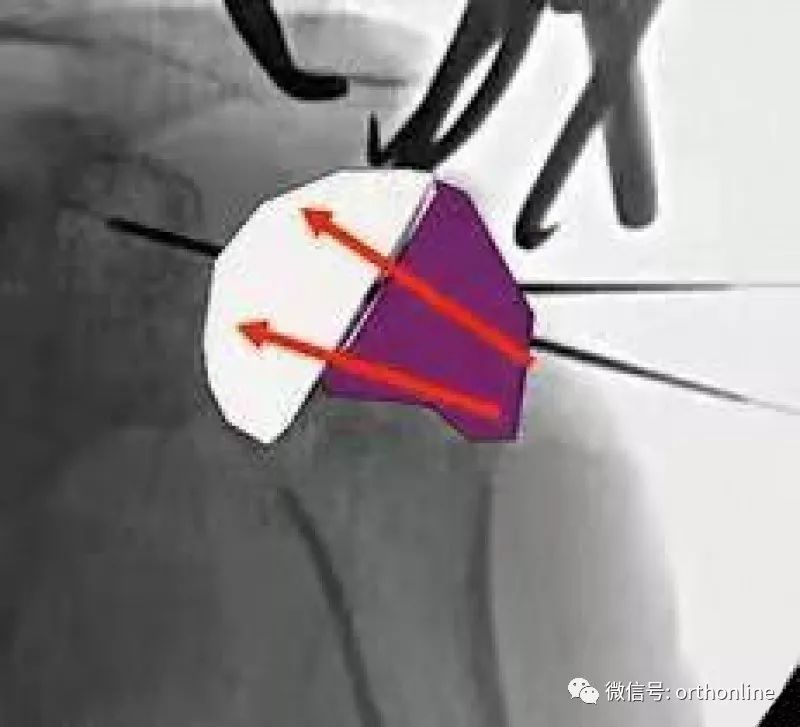
This is a common proximal humerus fracture, where we can see the comminution of the greater tuberosity on the lateral side.
There are many defects in the head area, and the common fixation method is to reset the lateral side and then fix the remaining head on the lateral side with a plate. This eccentric fixation often fails easily in the case of bone defects.
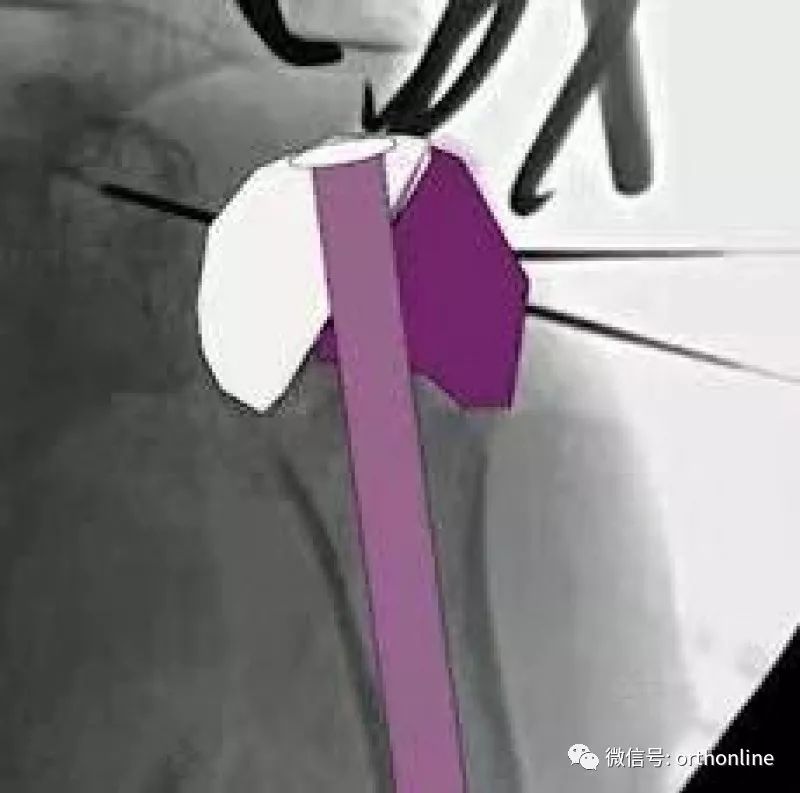
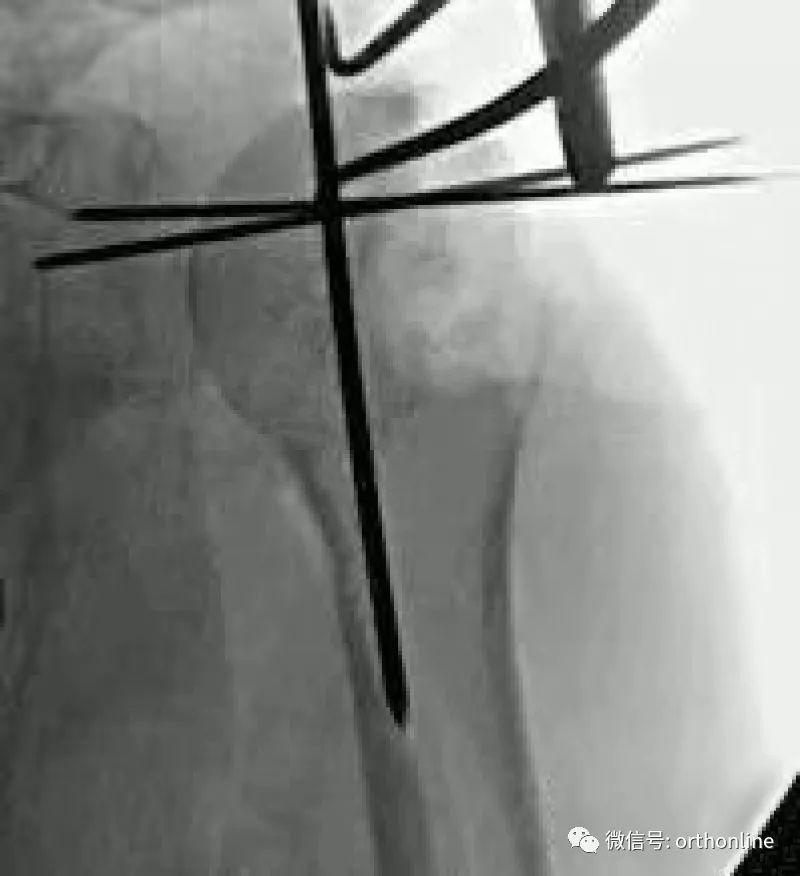
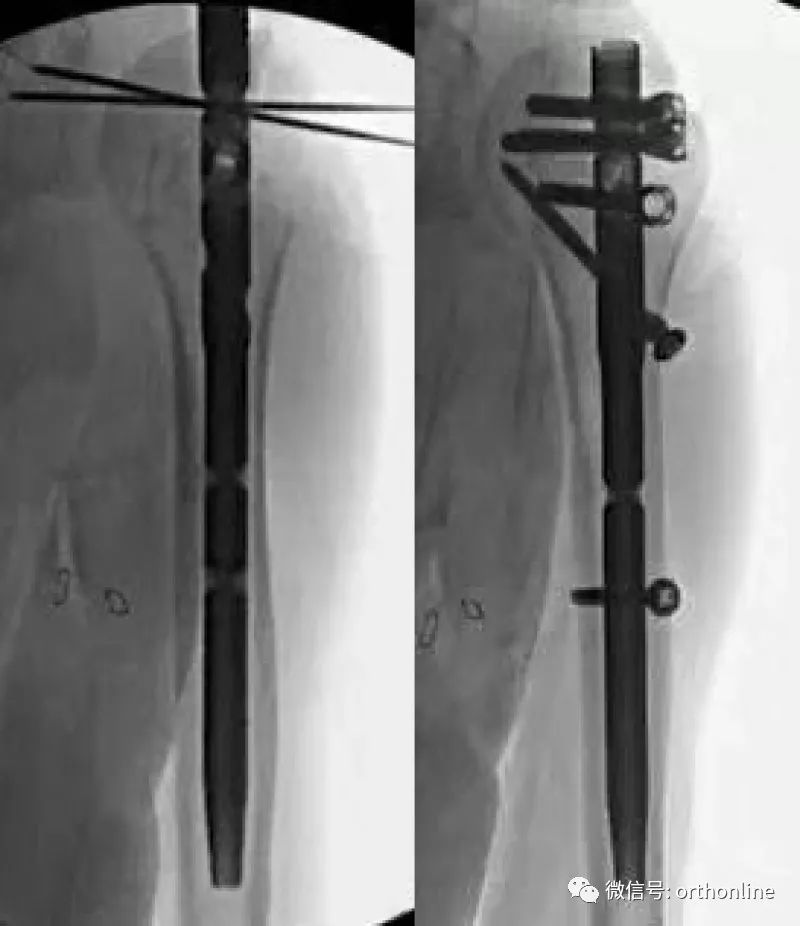
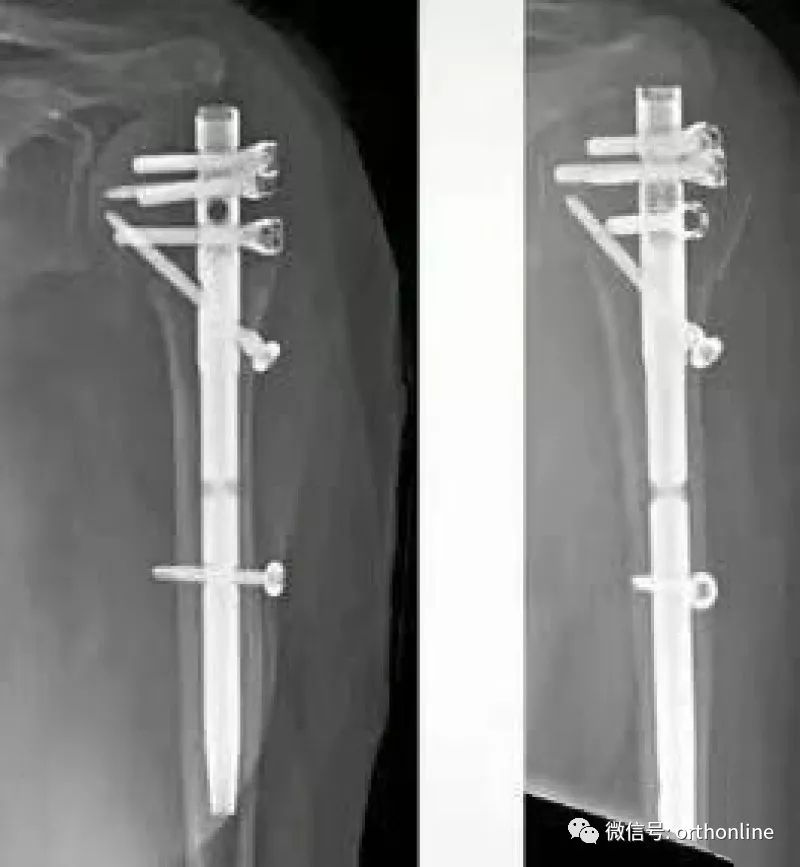
Using intramedullary nails is a different situation, as it maintains the entire fixation by holding onto the good bone quality at the head. In this case, to effectively control the head fixation, the entry point must be very medial, allowing the fixation of the fracture fragment at the head through the main nail, thereby reconstructing the biomechanical stability and then reconstructing the greater tuberosity area through locking, which relatively reduces the chance of failure.
For elderly patients, bone mass is also a common issue.
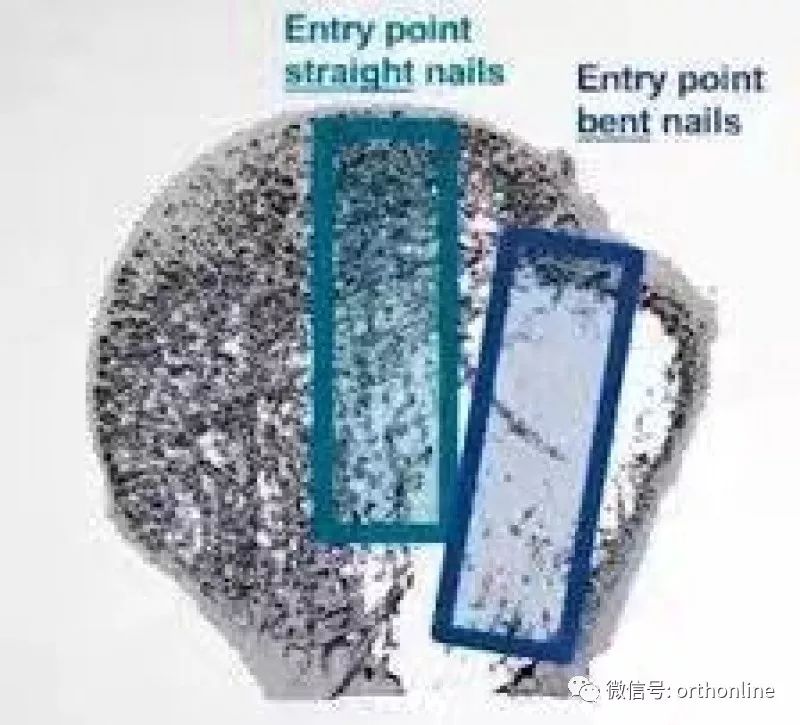
Straight nails have more central axis fixation and more bone mass compared to angled nails, which is why the application of multilock nails is now so popular.
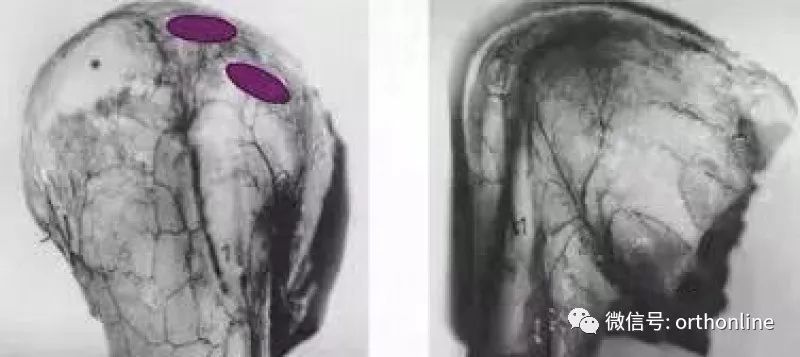
Another advantage is that the impact on the blood supply to the rotator cuff may be smaller, primarily separating at the muscle portion of the rotator cuff rather than at the tendon portion, resulting in less damage to the rotator cuff compared to the original angled nails.
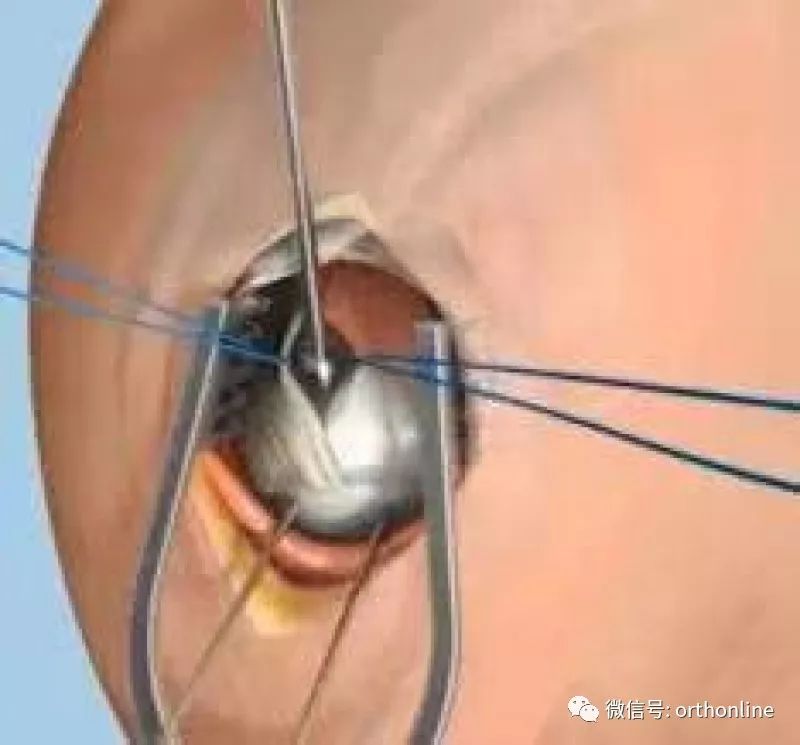
Let’s talk about design aspects
In terms of screw fixation, the multilock’s multi-plane screws are now basically comparable to the fixation of philos.
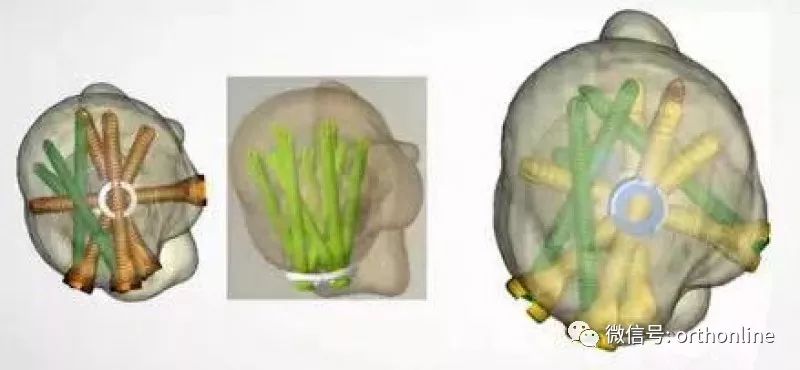
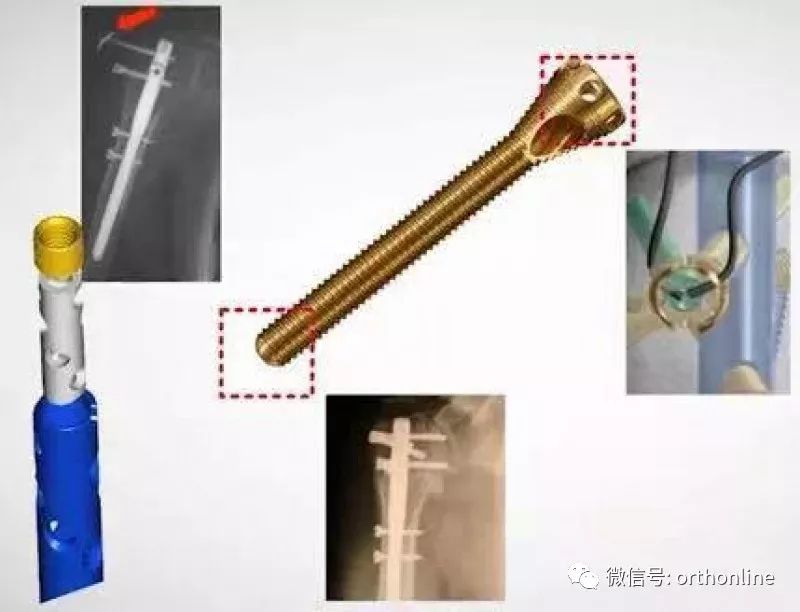
The front of the multilock screw has a flat head, which does not penetrate the joint, and the back also has suture holes that can be used with sutures to fix the rotator cuff, greater tuberosity, and other tissues.
Commonly used temporary fixation techniques with Kirschner wires.
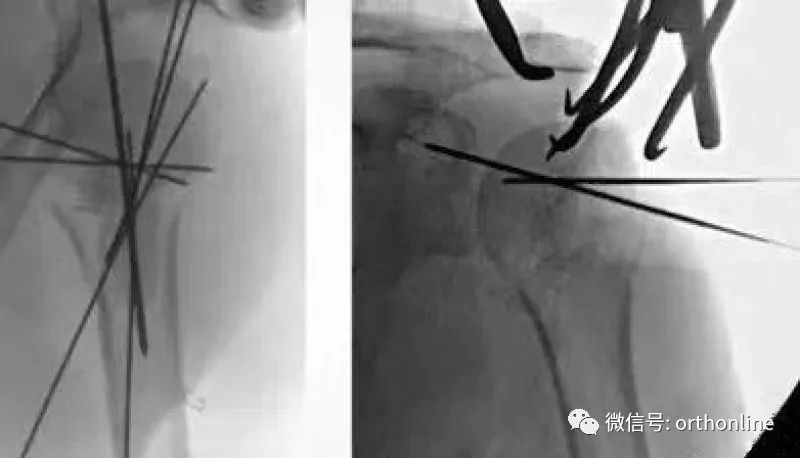
A large number of Kirschner wires can be used for repositioning, and when repositioning is difficult, the head can be temporarily fixed on the glenoid, the key is to externally rotate the remaining humeral head to the appropriate position and then fix it, ensuring the repositioning of the humeral head and appropriate temporary fixation is crucial, and on the basis of successful repositioning, implanting the appropriate main nail guide wire, once the guide wire is implanted, half of the surgery is completed, and the rest can proceed according to the steps.
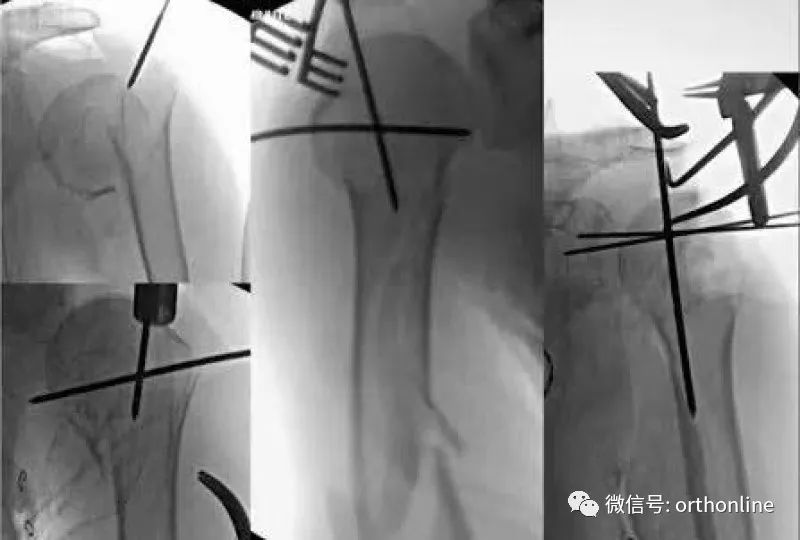
The key to repositioning is to gently tap the low-headed humeral head, rotating it to the appropriate position, using lever techniques and others for proximal humeral repositioning, while being careful to avoid the entry point position.
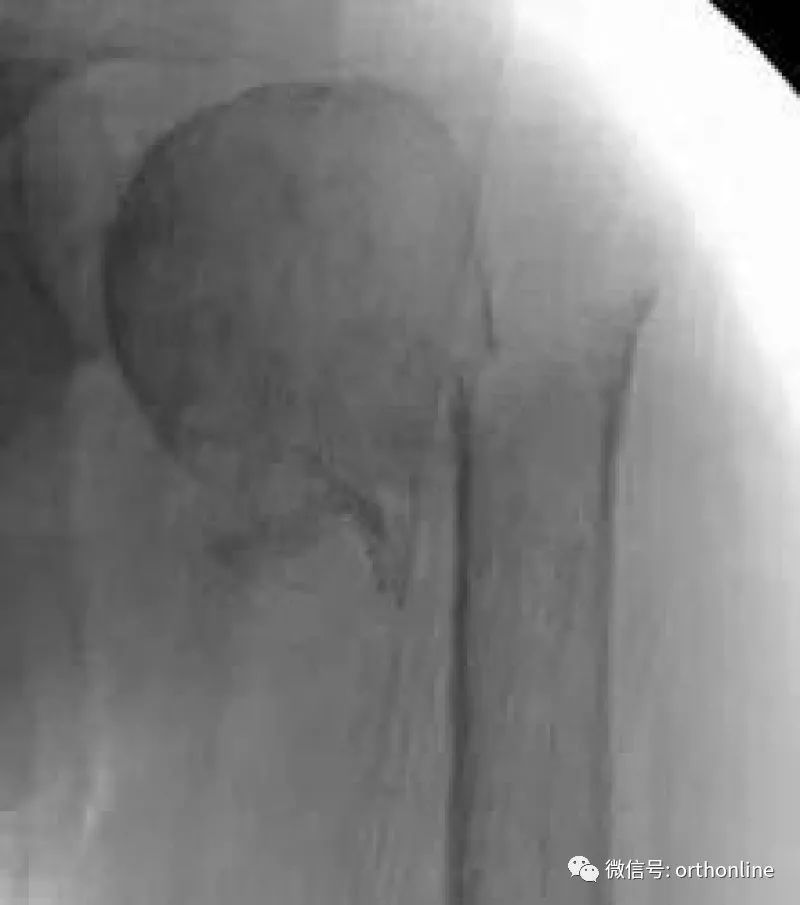
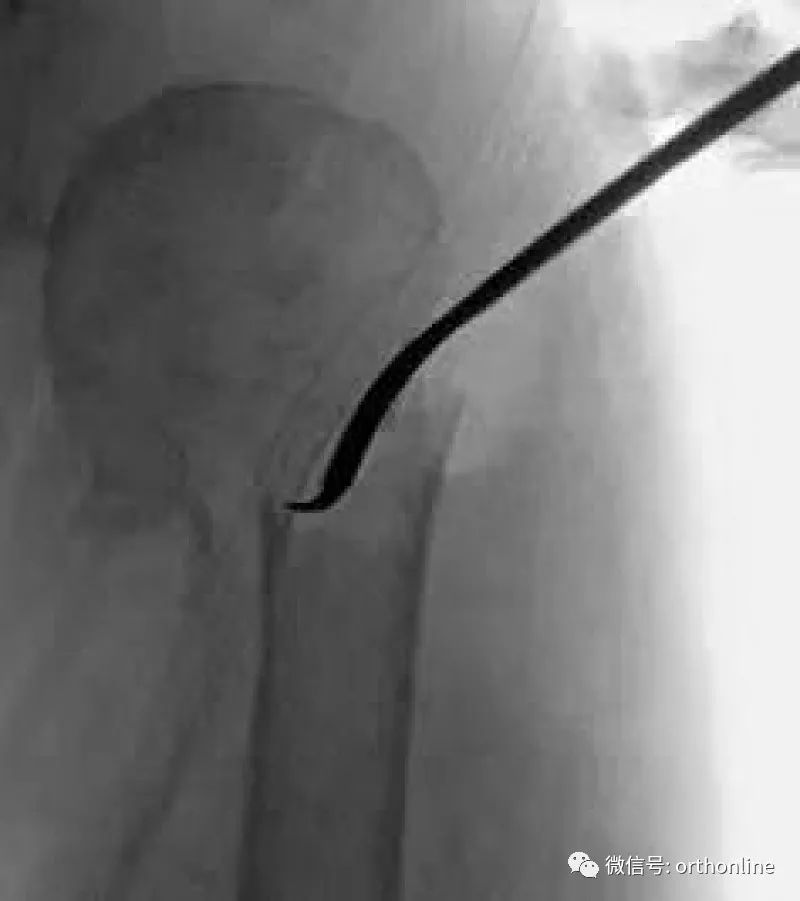
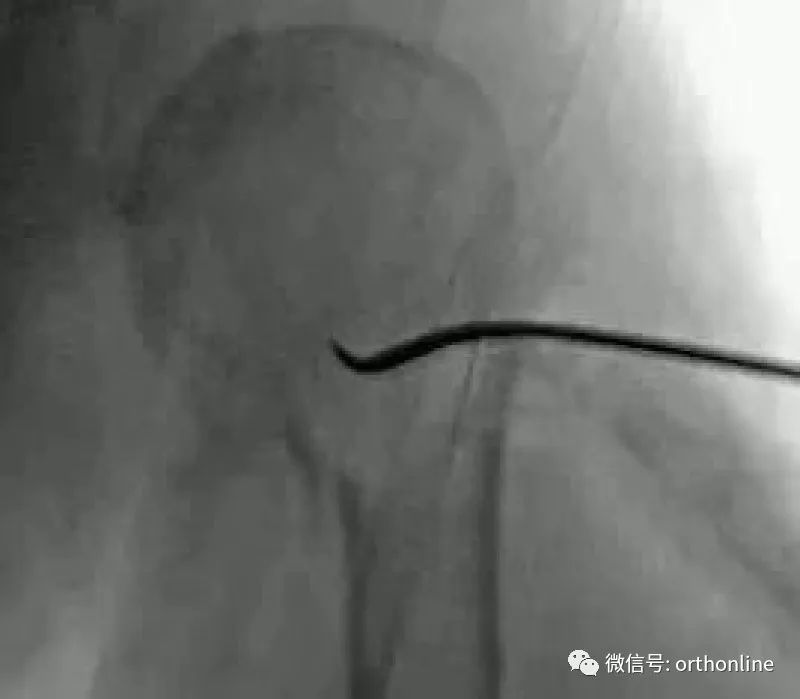
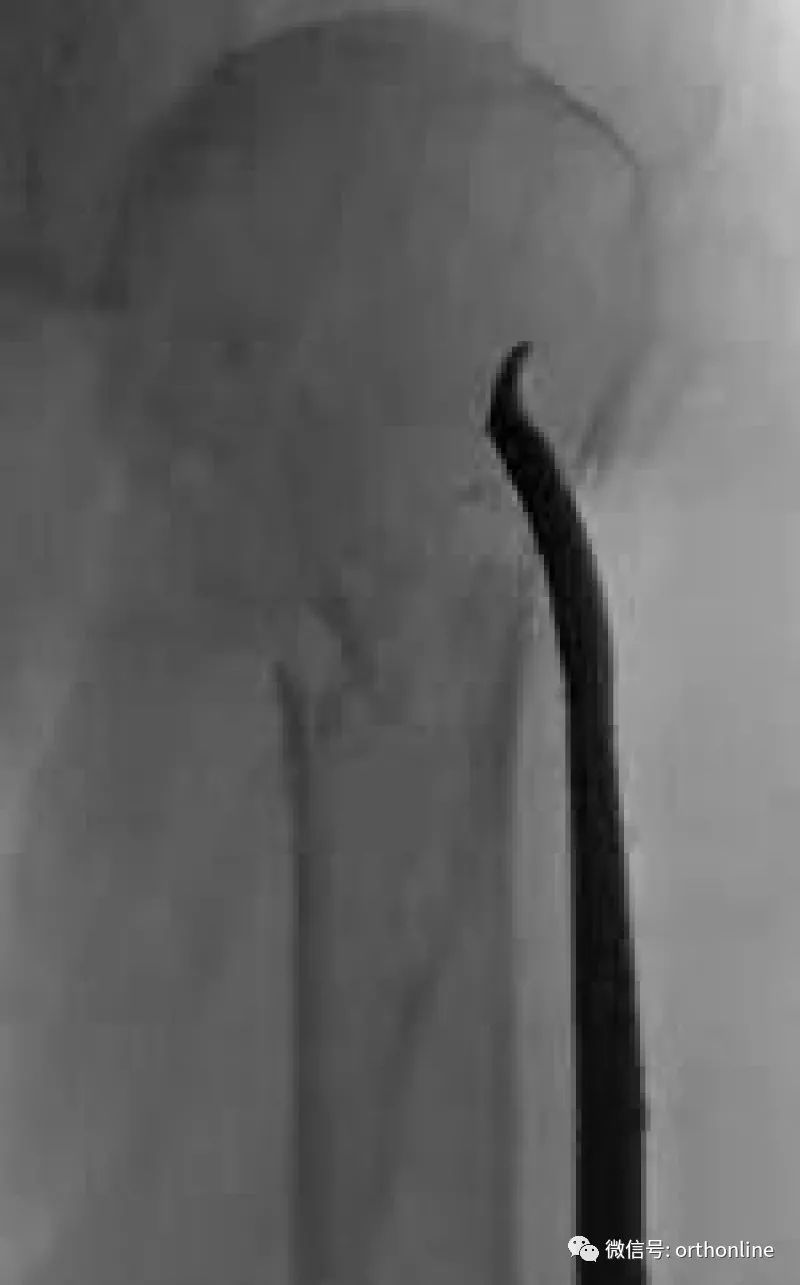

It is also possible to use a shoehorn to assist in repositioning, but the following issues must be noted:
The lateral bone fragment must be intact, and the medial side must be sufficiently deep under the head in a location with good bone quality for proper repositioning.
Further Reading
● Key Points for Clinical Diagnosis and Treatment of Proximal Humerus Fractures● Surgical Principles and Details for Distal Humerus Fractures
Source: PLA General Hospital, Peng Ye
Disclaimer: The content and images in this article are provided by the contributor and are for educational exchange only, not representing the views of Orthopedic Online.


We welcome submissions, please send your manuscripts to:
[email protected] We will respond!
↓↓↓ Click 【Read Original】 for more contentLu Shasha