 The new generation of super-sensory intelligent cockpits and innovative operating systems enhance the driving experience while providing powerful cockpit functionalities. Conceptual electric vehicles and upgraded sedans showcase the vision for future urban transportation.
In 2024, AI large models will be fully applied in voice, vehicle control, entertainment, and even autonomous driving, bringing disruptive changes to automotive usage scenarios. More and more car manufacturers are shifting their focus and investing heavily in this field.
At the 2025 International Consumer Electronics Show (CES 2025), various new intelligent cockpits, operating systems, automotive components, and chips were unveiled, driven by AI technology. Below is a summary of the latest developments in autonomous and intelligent driving from both domestic and international sources.
01
Tier 1 Suppliers
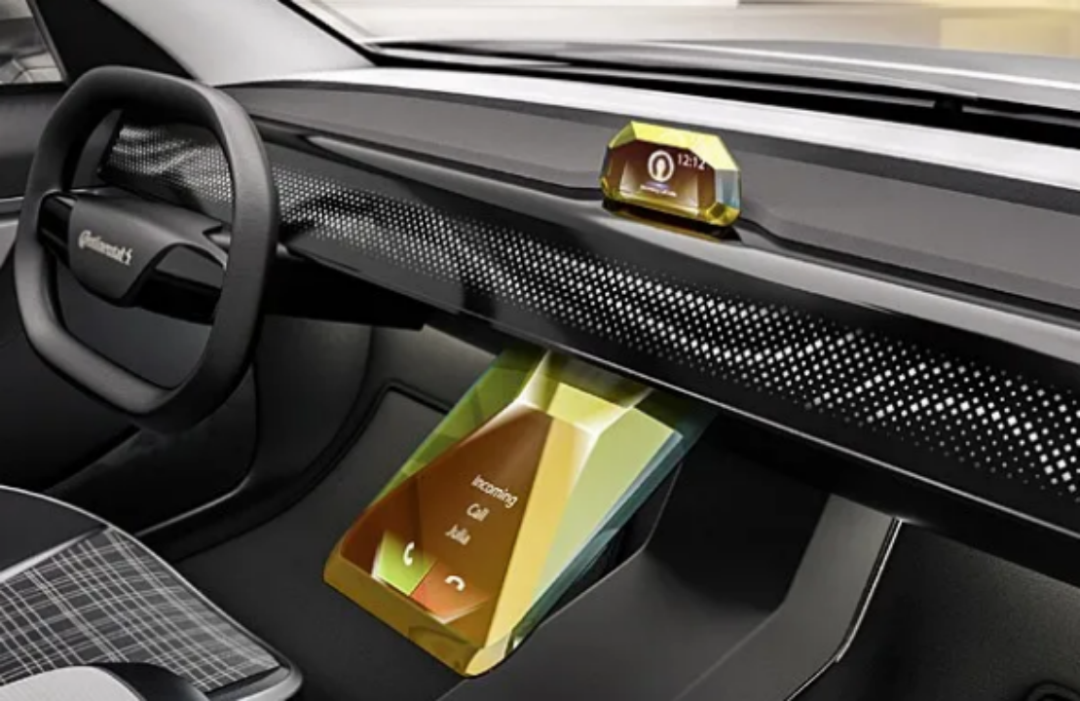
Continental: Unveiled its “Emotional Cockpit” for the first time, elevating the connectivity between the vehicle and the driver to a new level. This cockpit combines unique design elements from Swarovski with the latest display technology, supporting AI assistants and interactive components to enhance the user’s emotional experience. Continental also showcased its invisible biometric sensor display, which uses cameras and laser projectors installed behind the dashboard display to track the vital signs of occupants, supporting various safety and comfort functions. In the realm of software-defined vehicles, the “road-to-cloud ecosystem” provides a full-stack toolchain for SDVs, simplifying and accelerating vehicle software development.
Hyundai Mobis: Showcased several cutting-edge technologies, with an augmented reality (AR) full windshield holographic display being a highlight. This technology can project key driving information such as navigation, infotainment, and safety alerts across the entire width of the windshield, providing a seamless panoramic immersive experience for both drivers and passengers. The innovative driver monitoring system M.Brain analyzes brain waves to monitor the driver’s attention state in real-time. If the system detects that the driver is distracted, such as dozing off, it will issue different types of alerts to remind the driver.
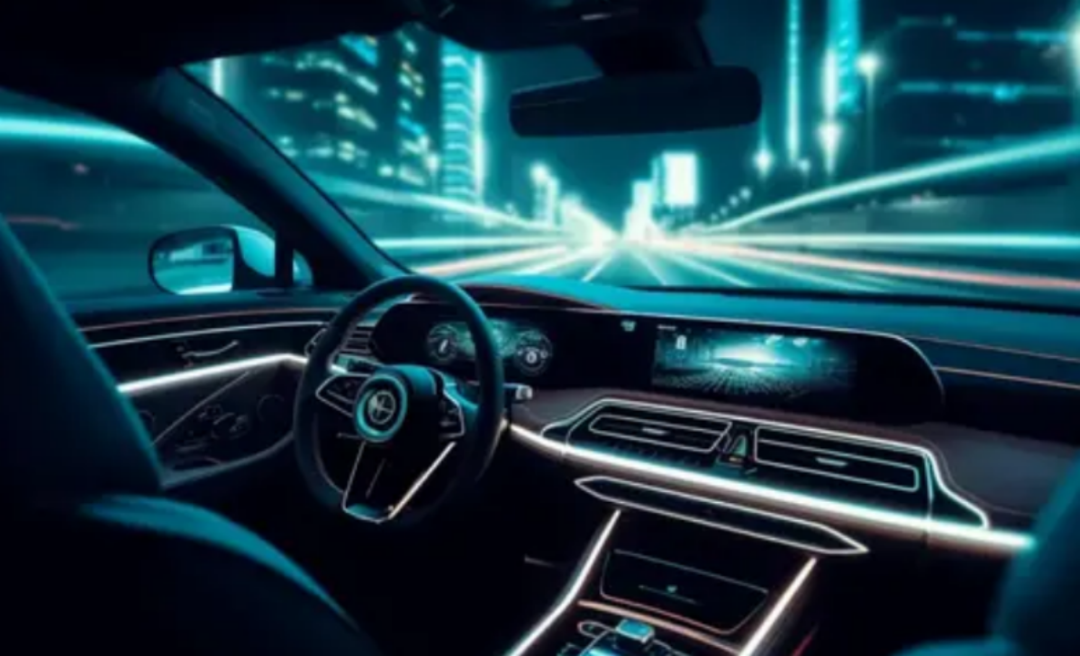
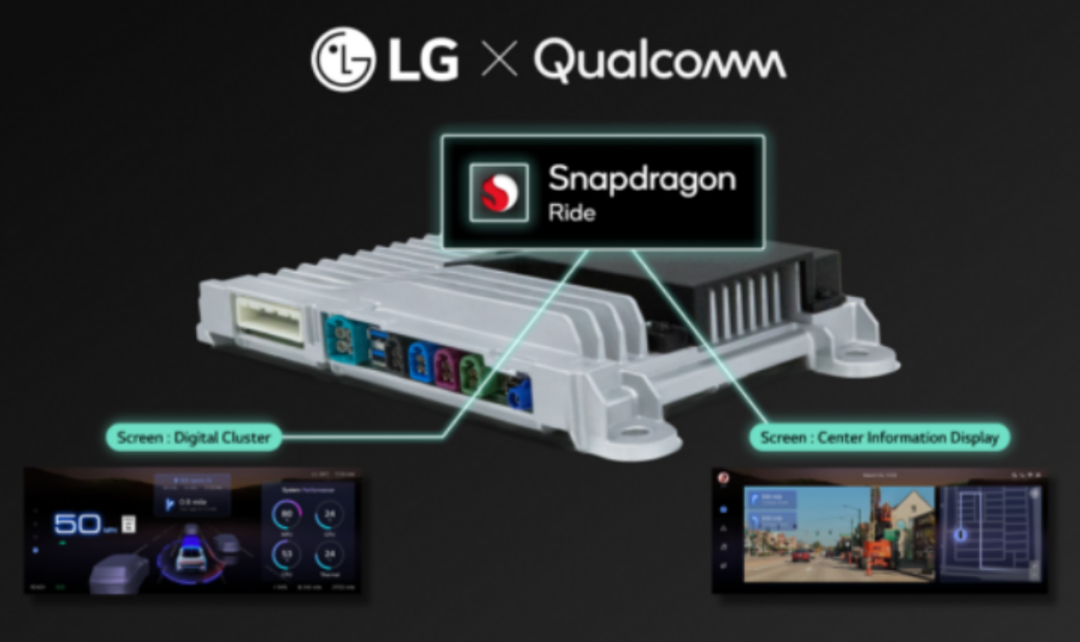
LG Electronics: Launched its latest “AI In-Vehicle Experience” intelligent cockpit system. This system enhances the safety and convenience of the driving experience through advanced visual AI technology, including a driver monitoring system (DMS) and a driver and in-vehicle monitoring system (DIMS) that can detect and analyze the driver and the in-vehicle environment in real-time. LG Electronics also introduced the “Mobile Mobility Lifestyle Solution” concept vehicle, showcasing the MX platform. This platform transforms the vehicle’s interior space into a customizable mobile space that adapts to various needs, integrating AI appliances and IoT devices. The automotive cross-domain controller (xDC) platform launched in collaboration with Qualcomm leverages Qualcomm’s multifunctional chipsets to quickly process data from both infotainment systems (IVI) and advanced driver assistance systems (ADAS). LG Innotek showcased a new in-vehicle camera module with a resolution of 5 million pixels, five times that of existing products. This module not only allows for clearer monitoring of occupants but can also be used for entertainment purposes, such as video calls and virtual meetings.
02
Component Manufacturers
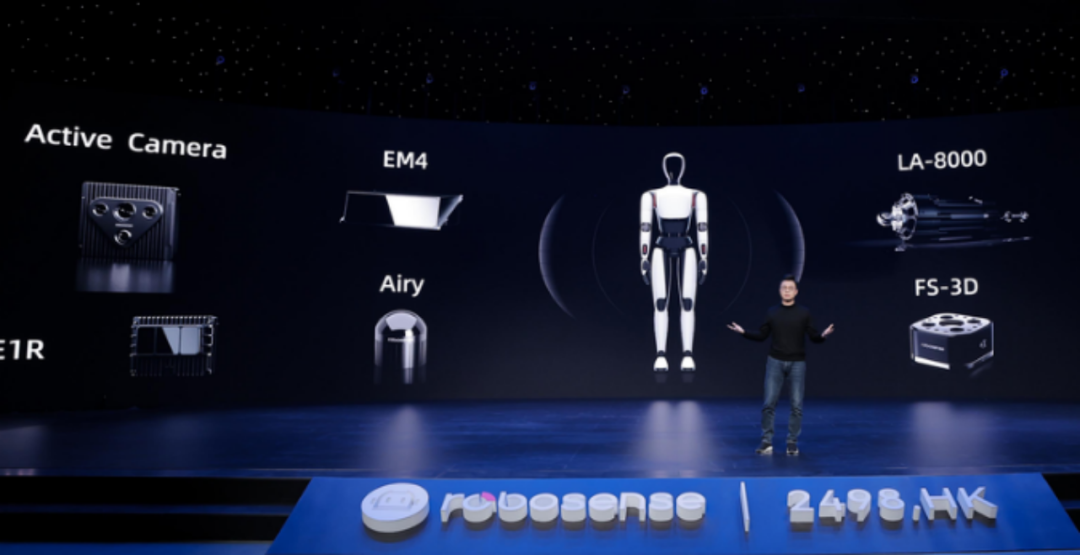
RoboSense: Showcased its innovations in the robotics field, particularly the digital LiDAR technology applied to robotics. RoboSense launched several new digital LiDAR products, marking the full entry of the LiDAR industry into the digital age. Targeting the automotive market, RoboSense’s global first “thousand-line” long-range digital LiDAR EM4 is the first product of the new digital architecture EM platform, integrating advanced technologies such as digital architecture, crosstalk elimination, full-condition optoelectronic signal processing, and lossless data compression, boasting top performance with up to 1080 lines, a maximum range of 600 meters, and 24 million points per second imaging capability, leading the automotive LiDAR into the “thousand-line” era. EM4 provides vehicles with 1080P high-definition three-dimensional perception capabilities, aiding advanced intelligent driving and fully autonomous driving to achieve better performance.
Hesai Technology: Launched its latest product—a new mini high-performance 3D LiDAR. This new product combines high resolution, low power consumption, and compact flexibility, specifically designed for the robotics and industrial markets. It can be widely used in AGV/AMR, unmanned delivery vehicles, lawn mowing robots, cleaning robots, agricultural robots, and other fields, as well as static perception in smart ports and factory scenarios. In addition to this mini 3D LiDAR, Hesai also showcased high-performance LiDAR products aimed at the pre-installed mass production market, including the ultra-high-definition long-range LiDAR AT series, cabin long-range LiDAR ET series, and blind-spot LiDAR FT series.
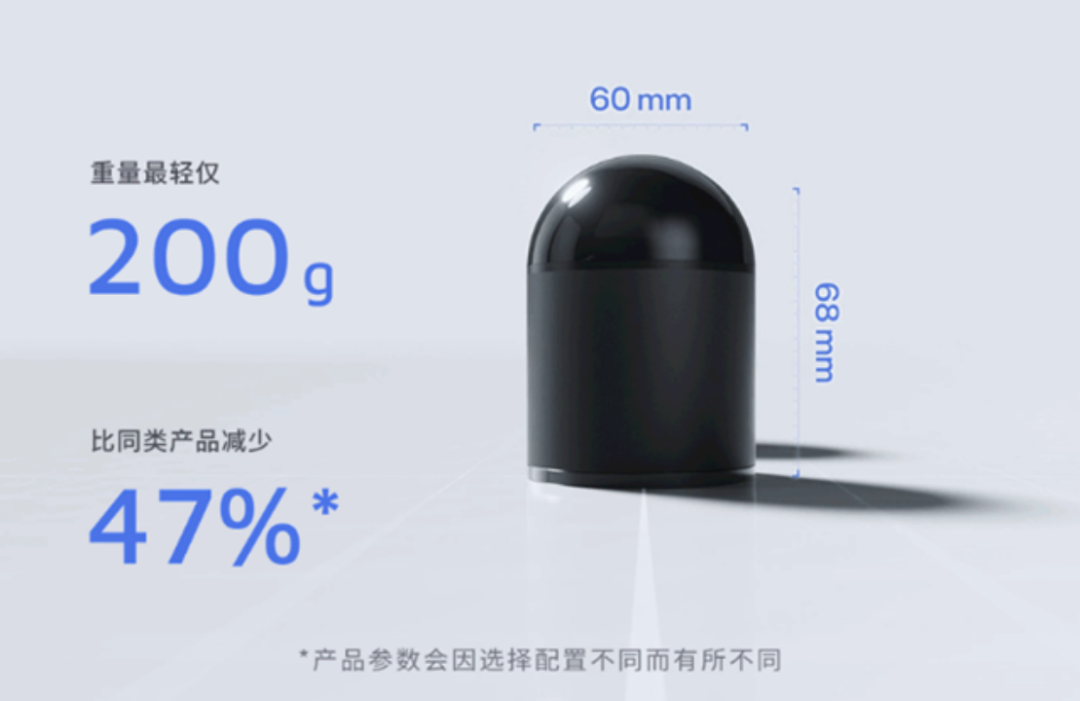
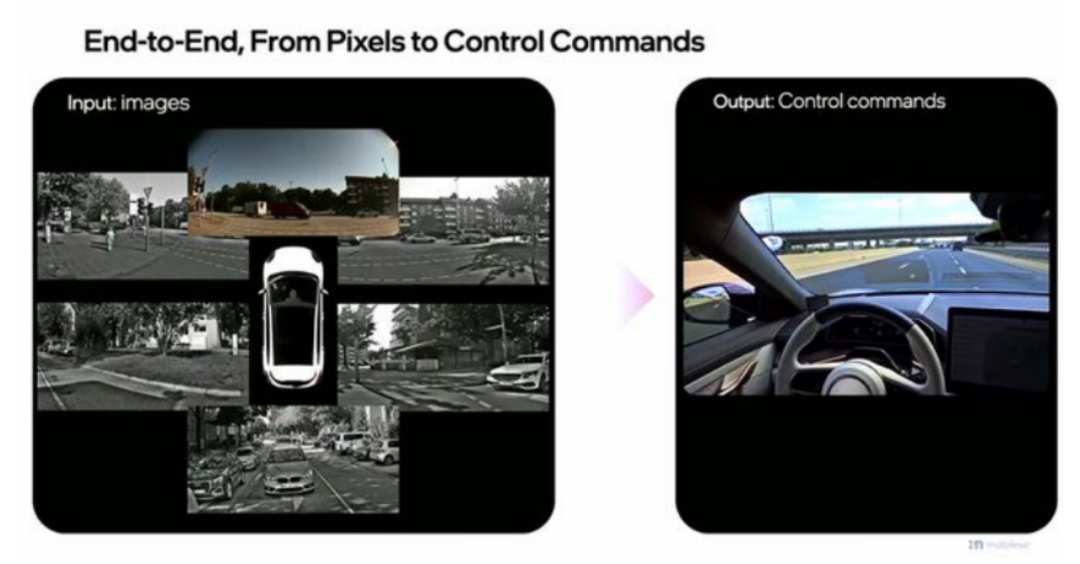
Mobileye: Showcased its latest technologies and solutions in AI and sensor fusion. From basic ADAS to cloud-enhanced ADAS solutions, utilizing forward-facing cameras and Mobileye’s EyeQ system chip to provide cost-effective safety features. Cloud-enhanced ADAS achieves centimeter-level positioning through crowdsourced data from millions of Mobileye-equipped vehicles worldwide. The surround-view advanced driver assistance system is a comprehensive safety solution that integrates multi-sensor fusion technology, combining cameras and radar, along with Mobileye’s powerful EyeQ6H system chip, to deliver exceptional performance, enhancing safety and comfort. As one of the most advanced driver assistance systems on the market, Mobileye SuperVision™ offers “hands-free/eyes-on” navigation capabilities, safely enabling standard driving functions on various conventional roads.
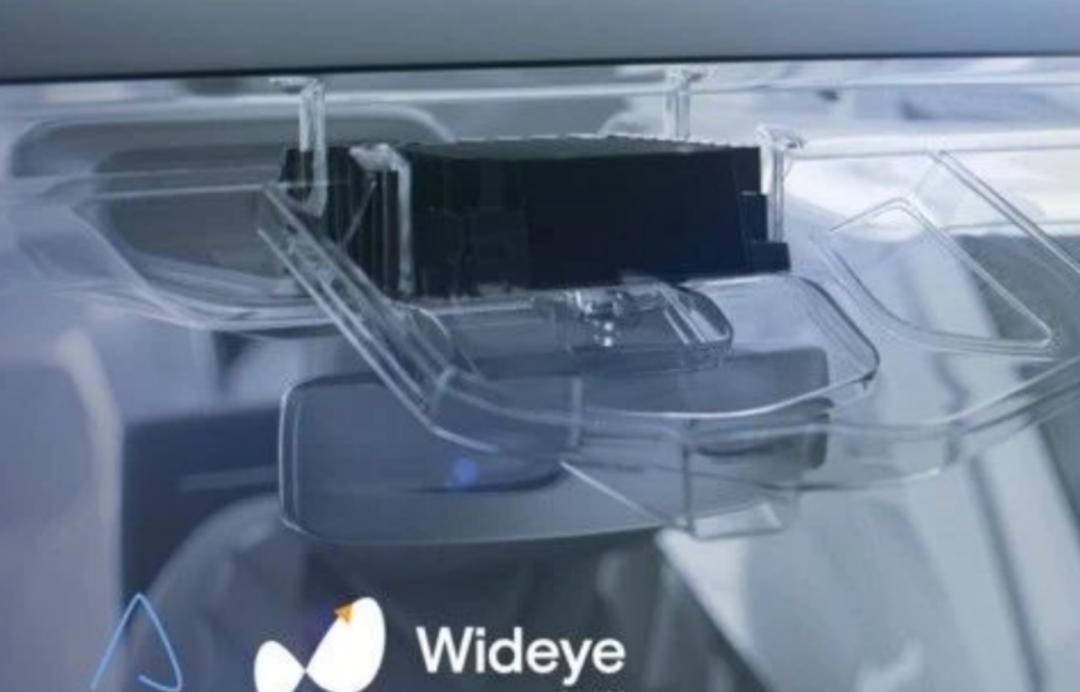
Aeva: Showcased the industry’s first FMCW (Frequency Modulated Continuous Wave) in-cabin 4D LiDAR solution for passenger vehicles. Aeva’s Atlas™ 4D LiDAR sensor enhances long-range perception through advanced integration behind the windshield, while minimizing the impact on vehicle design and aerodynamics. The custom glass from Wideye is compatible with Aeva’s unique FMCW wavelength, improving infrared light transmittance while maintaining the quality of the LiDAR point cloud. Wideye glass has extremely high infrared transparency with almost no absorption, allowing the LiDAR sensor to achieve high performance across its detection range. Placing the LiDAR sensor behind the windshield not only protects it from external factors but also facilitates the removal of potential obstructions.
Nikon: Showcased an innovative in-vehicle camera system developed in collaboration with Mitsubishi Fuso Truck and Bus Corporation. This system employs an optical lens system that combines both telephoto and wide-angle lens functions, allowing users to see both distant situations and check the surrounding environment simultaneously. This design not only enhances the driver’s field of view but also improves image recognition accuracy by reducing parallax. The in-vehicle camera system is also equipped with advanced AI technology that can accurately identify road signs, vehicles, and other distant information, further enhancing driving safety. Compared to traditional in-vehicle camera solutions, this system significantly reduces the number of required cameras, effectively lowering system costs and failure rates. Additionally, it provides a 360-degree surround view, offering drivers more comprehensive and unobstructed visual support.
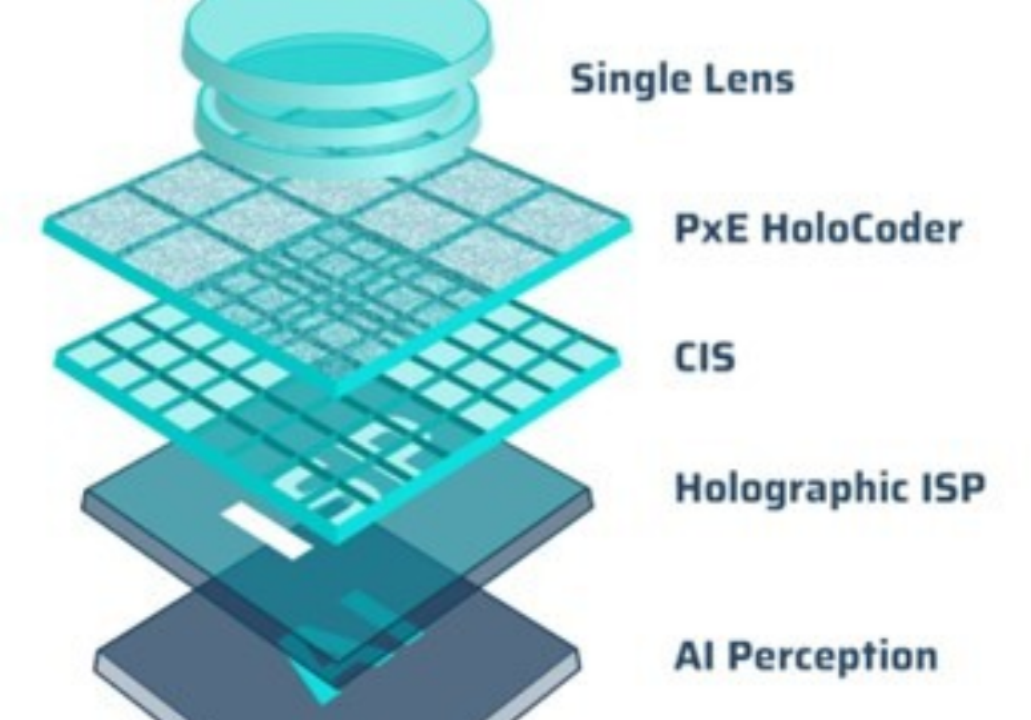
PxE Holographic Imaging: Showcased its revolutionary next-generation 3D camera—the holographic RGB-IR-Depth camera. This technology enables 3D imaging on standard 2D digital cameras, seamlessly merging the physical and digital worlds. PxE’s holographic RGB-IR-Depth camera captures color, infrared, and depth information simultaneously by utilizing the wave properties of light, while increasing the camera’s light sensitivity by four times. This technology not only generates high-quality 2D color images and infrared images but also outputs clear three-dimensional images, all from a single sensor and a single frame. This technology reduces the number and size of required sensors, lowering costs and complexity.
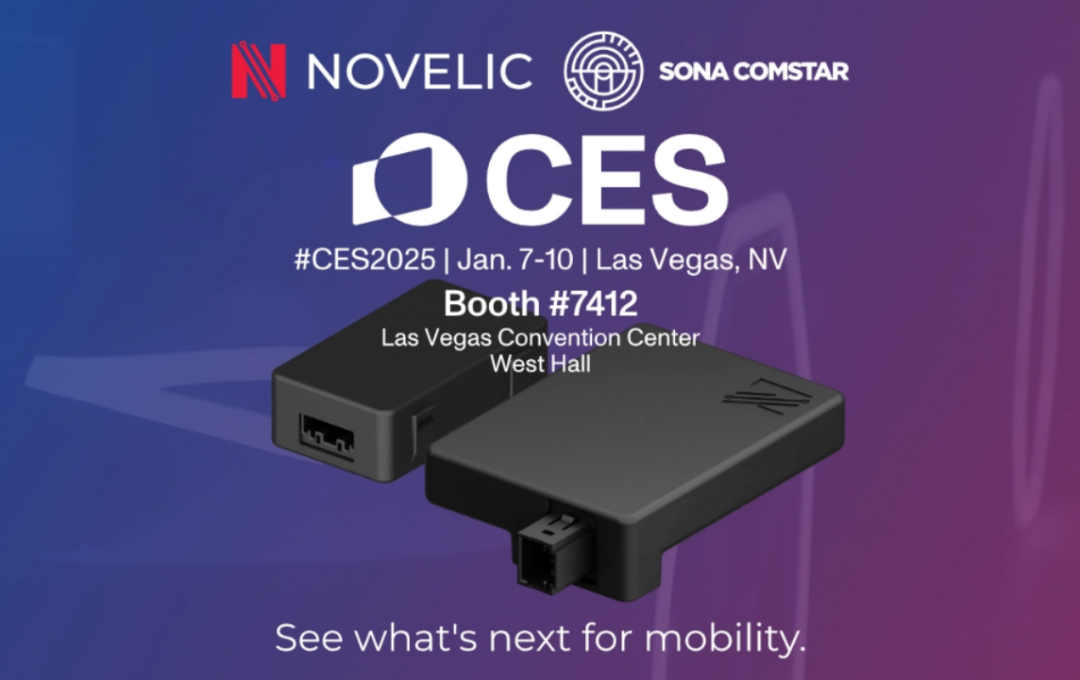
NOVELIC: Showcased its latest radar technology products, including the new ASPER200 radar module and the ACAM in-cabin occupant monitoring module. ASPER200 is a 79GHz short-range external radar module that covers a 180-degree field of view (FOV) with a single radar chip, capable of covering the entire side of the vehicle with one module. This module is suitable for passenger cars, commercial vehicles, motorcycles, transport, and construction vehicles. Its applications include parking assistance, capable of completely replacing and surpassing traditional ultrasonic sensor arrays. Additionally, ASPER200 supports 180-degree perception, with a maximum range of 100 meters and object classification capabilities. It can also be used for lateral perception, kick-to-open doors, electric door protection, and gesture-controlled functions.
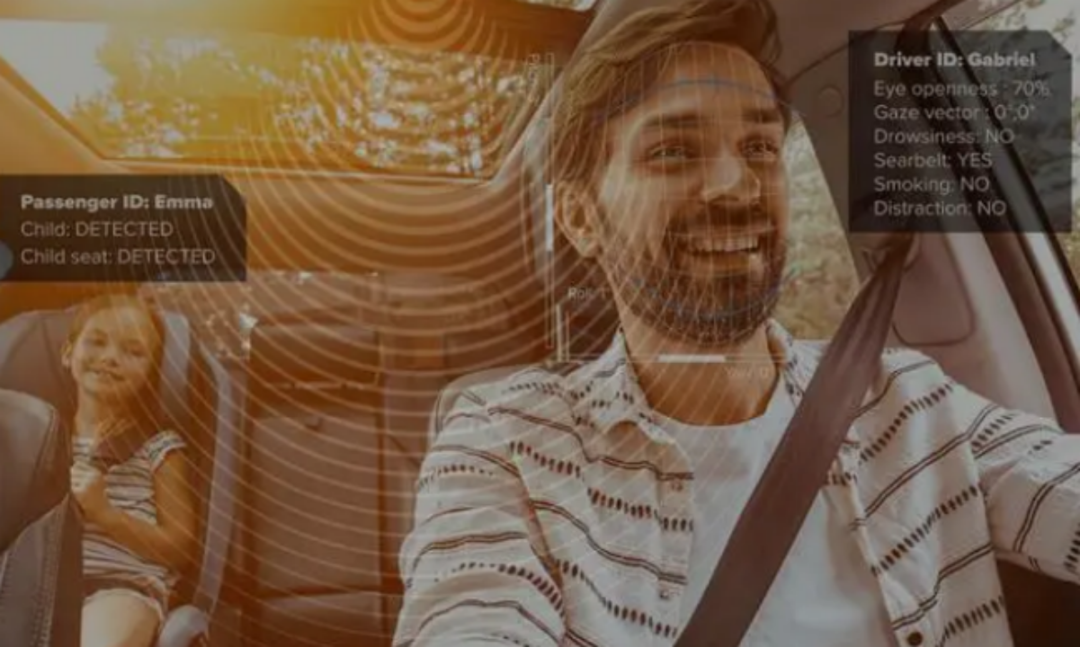
Cipia: For the first time, showcased its advanced infrared (IR) and radar sensor fusion technology, aimed at enhancing cabin safety and optimizing user experience. This technology seamlessly integrates radar and infrared sensors, enabling comprehensive insight into the entire cabin environment by closely monitoring the status, position, and health indicators such as heart rate of both the driver and passengers. It not only enhances safety and driving experience but also meets the increasingly stringent automotive safety regulations worldwide, such as the Euro NCAP’s requirements for child occupant detection. Cipia’s sensor fusion demonstration highlights the synergistic effects between radar and infrared technologies, showcasing how these two technologies complement each other to enhance in-vehicle sensing capabilities.
03
Software and Chip Manufacturers
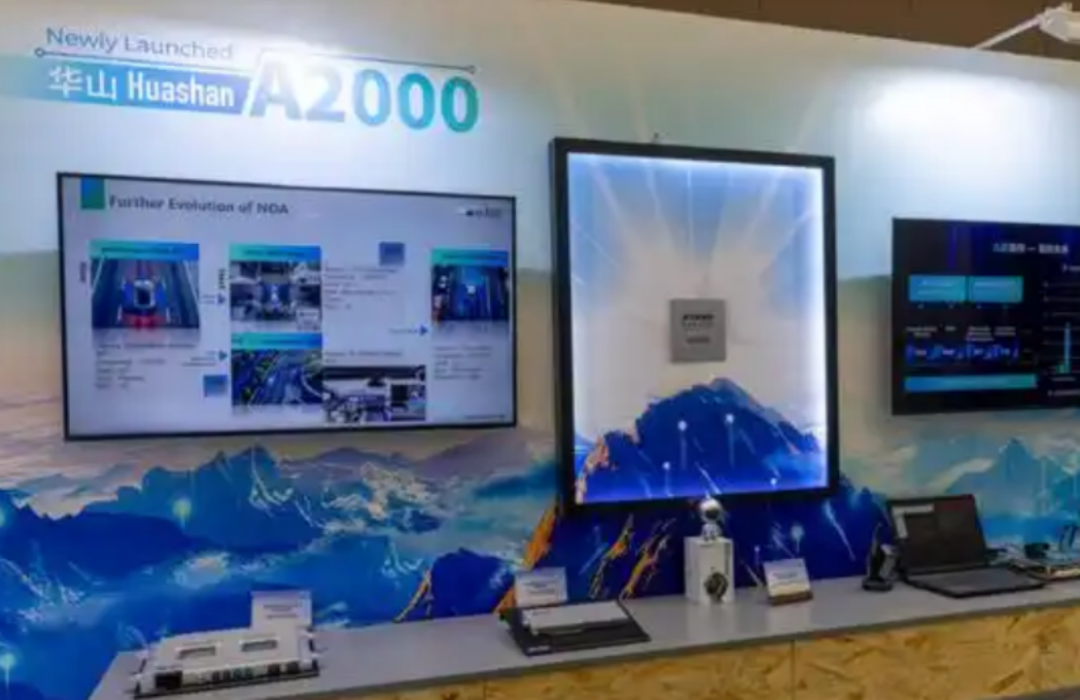
Black Sesame Intelligence: For the first time, showcased its high-performance chip platform designed for the next generation of AI models—the Huashan A2000 family, including A2000 Lite, A2000, and A2000 Pro chips, each targeting the needs of urban intelligent driving, full-scene general intelligent driving, and high-level full-scene general intelligent driving.The Huashan A2000 family chips integrate multifunctional units such as CPU, DSP, GPU, NPU, MCU, ISP, and CV, achieving high integration and single-chip multi-task processing capabilities.The core of the Huashan A2000 family is the self-developed NPU architecture “Jiusheng,” which adopts a large-core design, supporting real-time inference of intelligent driving large models and reducing algorithm computation latency. The Jiusheng NPU features high computing power, high energy efficiency, and high bandwidth, supporting hardware acceleration for mixed precision and Transformer models. Additionally, its low-latency and high-throughput three-layer memory architecture reduces DDR bandwidth consumption, enhancing performance and effective bandwidth.
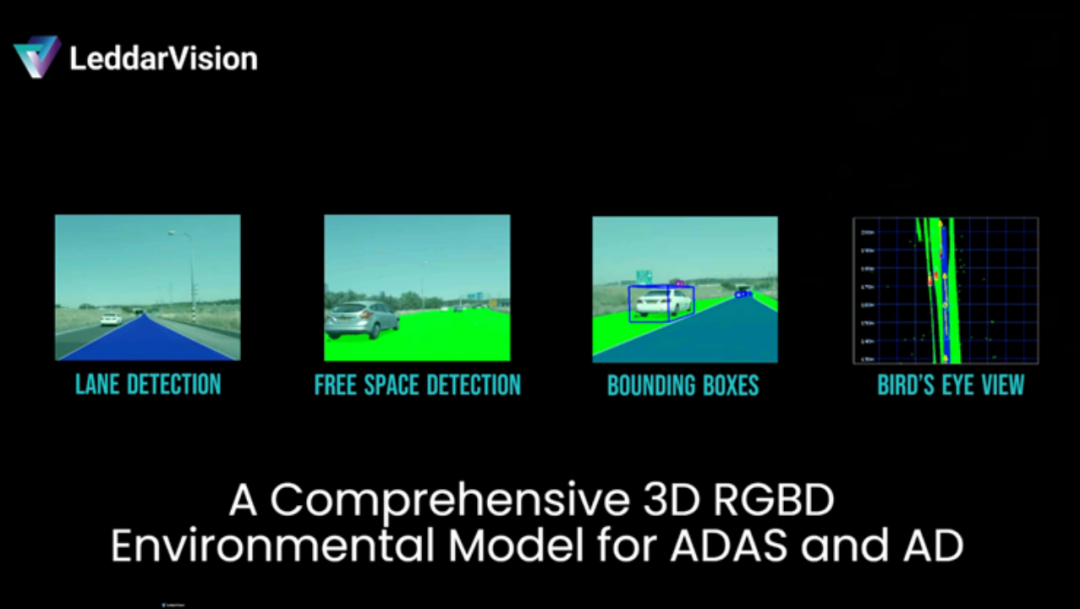
LeddarTech: Showcased its advanced LeddarVision surround-view ADAS AI platform technology (LVS-2+), which addresses the limitations of traditional ADAS through 5V5R sensor fusion, providing comprehensive surround-view ADAS L2/L2+ solutions for automotive OEMs and Tier 1 suppliers. This technology expands the vehicle’s sensing capabilities, achieving complete, all-around surround view of the vehicle environment, reliably detecting vehicles and vulnerable road users (VRUs) under various weather and road conditions, and providing warning systems to enhance driving safety.LVS-2+ supports various ADAS functions such as AEB, FCW, LDW, LKA, BSD, and RCW, as well as autonomous driving functions like ACC, TJA, LCC, and HWA.
Lightyear Information: Showcased its innovative technology achievements in the field of intelligent connected vehicle software. Its Super Software Workshop (SDW) pioneered a next-generation software development model based on AI. SDW2.0 reduces reliance on manual labor by restructuring the software development process, enabling AI to automatically complete high-quality software development from end to end, thereby improving industry productivity.SDW2.0 provides AI digital experts suitable for core scenarios in automotive software development, including REQ Robot, PM Robot, DEV Robot, and Test Robot, and offers customers an AI digital platform base to achieve intelligent upgrades in R&D. UEA (UE for Automotive) is a 3D HMI solution for intelligent cockpits developed based on the Unreal Engine from partner Epic. It features a lightweight game engine, a standardized 3D HMI development framework and workflow, equipped with a range of preset tools, templates, and applications, as well as AI-guided development processes.
NVIDIA: Launched its next-generation automotive processor Thor, which possesses powerful computing capabilities, efficiently processing massive data from vehicle sensors to provide precise and reliable decision support for autonomous vehicles. Its advanced architectural design not only enhances performance but also optimizes energy efficiency, making it an ideal choice for future smart vehicles.NVIDIA also showcased significant progress in its comprehensive layout in the field of autonomous driving, with its autonomous vehicle platform NVIDIA DRIVE AGX™ Hyperion having passed industry safety assessments from two authoritative automotive functional safety and cybersecurity certification bodies.
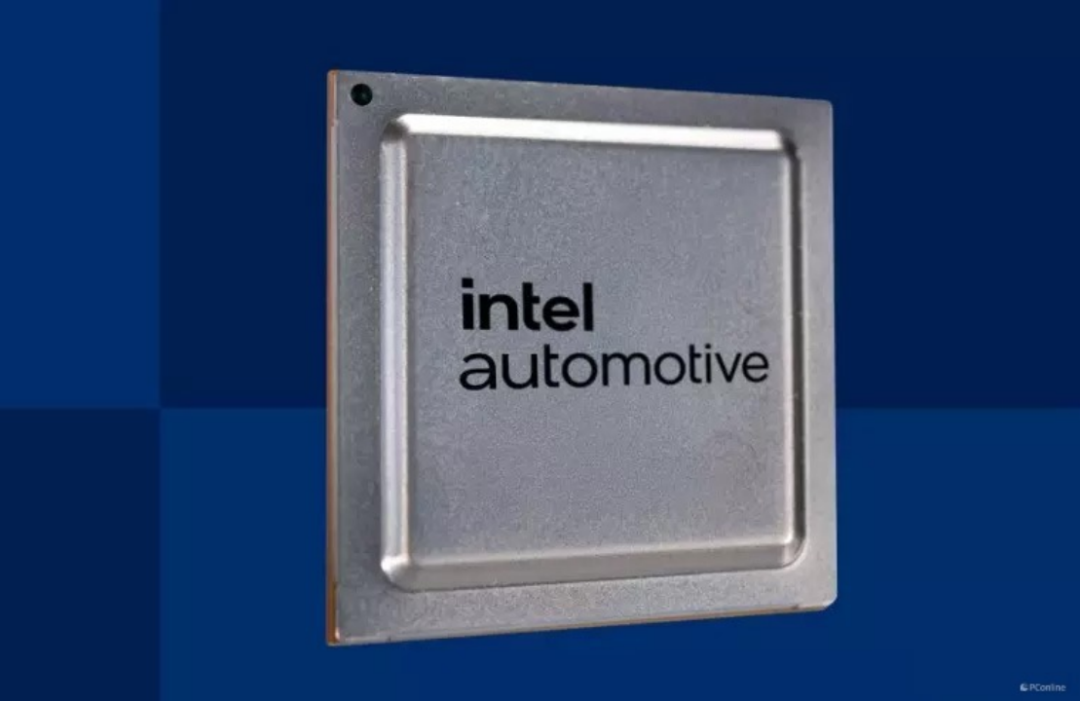
Intel: Intel offers a complete vehicle-integrated exclusive technology platform, including high-performance computing, next-generation in-vehicle high-performance discrete graphics, artificial intelligence technology and AI large model software, power management, and regional controller solutions. To support this latest technology platform, Intel launched the Adaptive Control Unit (ACU), specifically designed for electric vehicle (EV) power systems and regional controller applications. The ACU is designed for electric vehicles, capable of adapting to rapidly changing demands, including efficient control of powertrains, precise battery management, autonomous driving functions, and vehicle energy optimization, making it a key component of Intel’s integrated automotive hardware and software strategy.
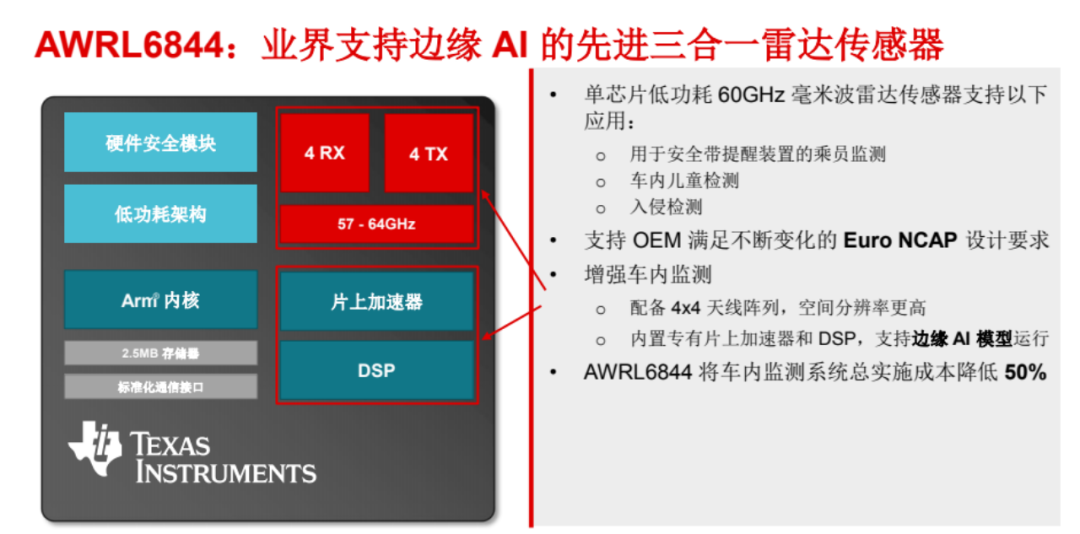
Texas Instruments: Launched the new integrated automotive chip AWRL6844 60GHz millimeter-wave radar sensor, aimed at providing a safer and more immersive driving experience for passengers in vehicles across various price ranges. This sensor supports occupancy detection for seat belt reminder systems, in-vehicle child detection, and intrusion detection by running edge AI algorithms, thereby creating a safer driving environment. AWRL6844 integrates four transmitters and four receivers, providing high-resolution detection data, and is cost-optimized, making it ideal for OEM use. The collected data is input into application-specific AI-driven algorithms that run on customizable on-chip hardware accelerators and DSPs, improving decision accuracy and accelerating data processing speed.
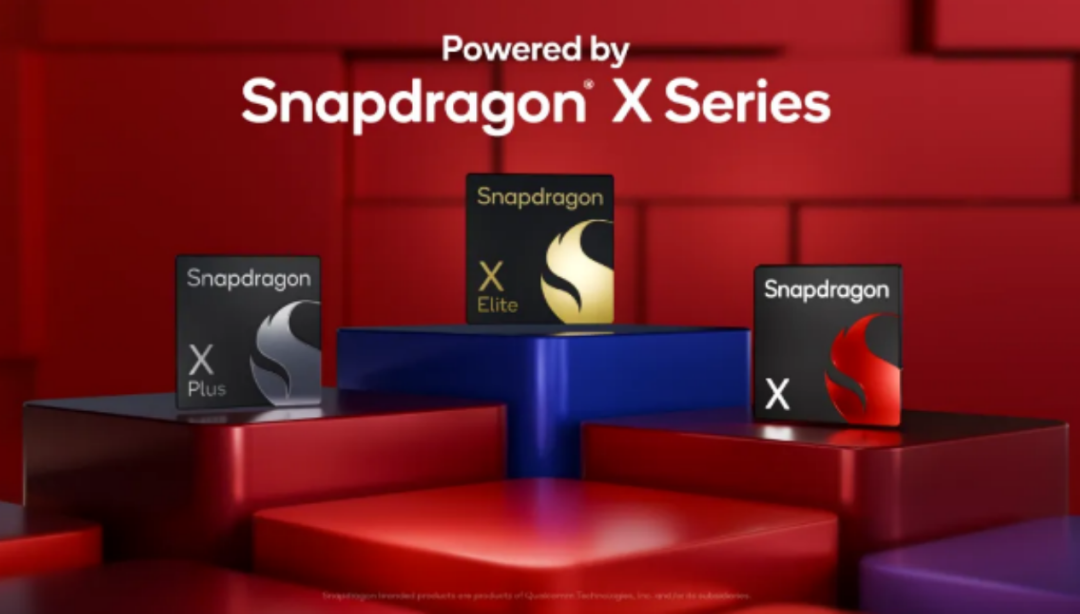
Qualcomm: Announced a series of industry-leading AI innovations, showcasing how it drives user experience transformation across diverse terminal categories such as PCs, automobiles, smart homes, and enterprise-level solutions. Qualcomm also announced the continued momentum of its Snapdragon Automotive Platform Supreme Edition, highlighting collaborations with Desay SV, Garmin, and Panasonic Automotive based on the Snapdragon cockpit platform Supreme Edition. The overall solutions showcased by Qualcomm demonstrate how AI, multi-modal situational awareness, and cloud-based services work together to enhance the comfort and safety of vehicle occupants.
Ambarella: Showcased the N1 series generative AI chips, running multi-modal large models (Multi-Modal LLM) on the new N1 series SoC. The power consumption per inference of this model is significantly lower than that of general GPU solutions on the market. These AI SoCs include the CV72 chip with a power consumption of less than 5 watts, and the latest N1 chip for server-side applications with a power consumption of less than 50 watts. Compared to GPUs and other AI accelerators, Ambarella’s complete SoC solutions can achieve up to three times the energy efficiency in generating each token, and can be quickly and cost-effectively deployed in terminal products.

04OEM Manufacturers
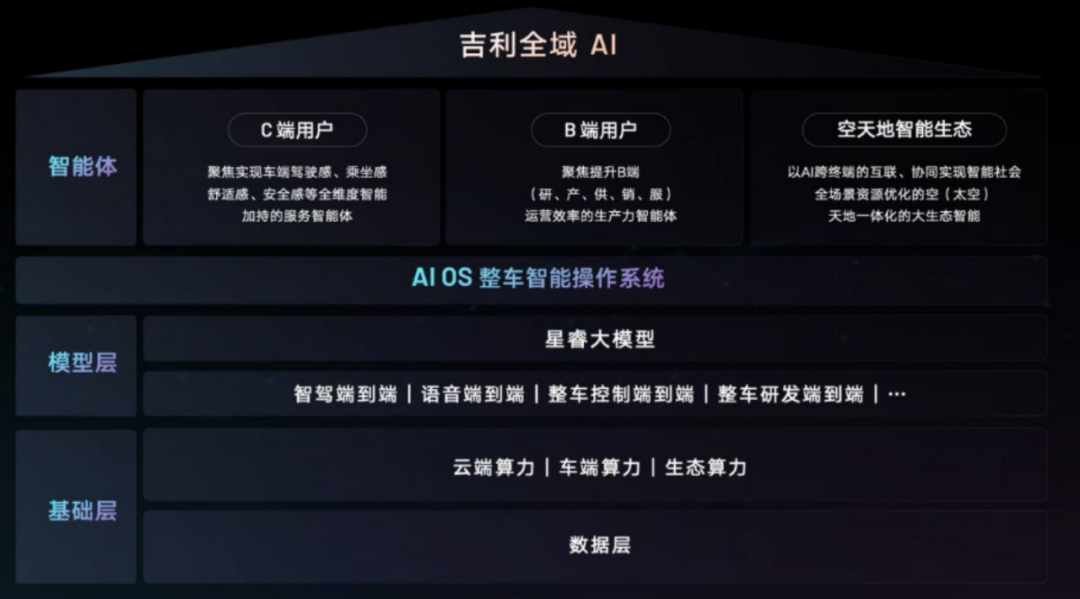
Geely Auto: Released the industry’s first “Smart Car Full-Field AI” technology system, aimed at popularizing automotive AI. This system is built on an AI-native OS, covering C-end consumers, B-end enterprise services, and an integrated smart ecosystem across air, land, and sea. Geely uses a system-level large model AI OS as a platform, adapting to various terminals while ensuring system security and user privacy, completing resource management and task scheduling. Through the AIOS scheduling engine, “Smart Car Full-Field AI” can integrate the demands and perception data of various devices such as vehicles, mobile phones, tablets, wearable devices, smart homes, and other forms of intelligent entities, achieving multi-terminal service distribution and a full-scenario intelligent living experience.
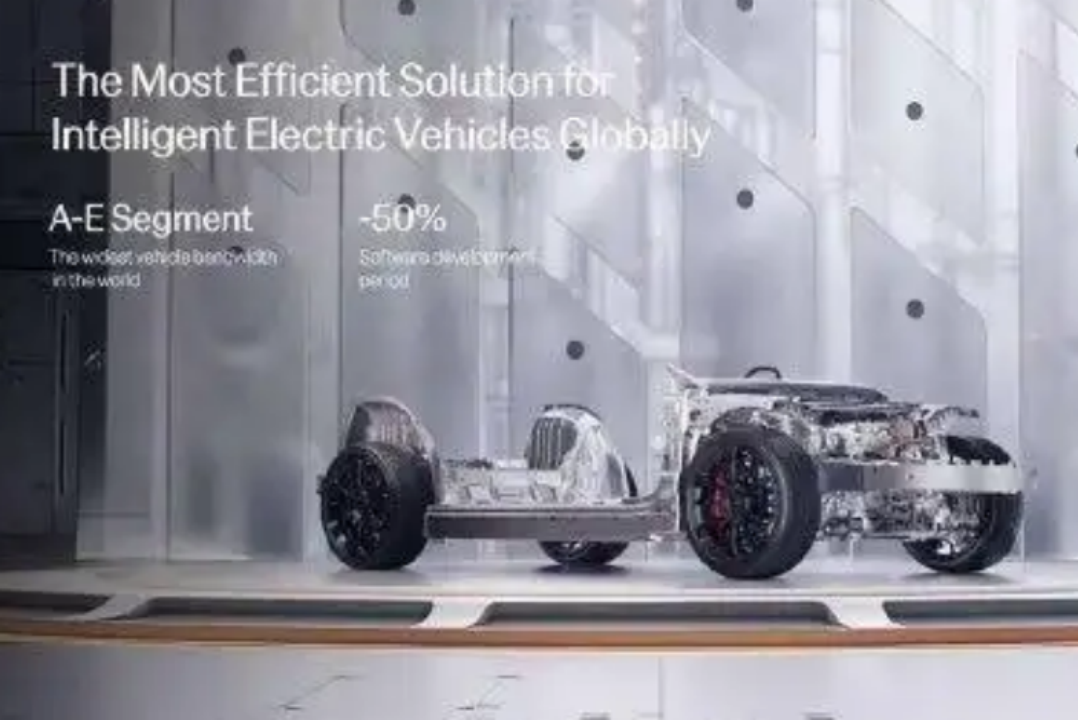
Zeekr Auto: Announced a collaboration with Qualcomm to develop future intelligent cockpits, utilizing the Qualcomm 8295 intelligent cockpit computing platform to support the Kr AI large model system and OTA iterative upgrades, providing users with an immersive multi-sensory experience. Additionally, Zeekr also launched the Zeekr Navigation overseas navigation 2.0, in collaboration with Mapbox, enhancing the convenience and safety of navigation services.
Great Wall Motors: Showcased its flagship SUV WEY brand’s new Blue Mountain, Great Wall Soul horizontally opposed 8-cylinder 8-speed motorcycle S2000, Hi4 power architecture, and other core models and technologies, fully demonstrating Great Wall Motors’ R&D achievements in vehicle manufacturing, AI technology, and power technology. In response to the increasingly converging AI paradigms of intelligent driving and smart spaces, Great Wall Motors stated that its main focus is on the spatial language intelligent agent large model ASL.
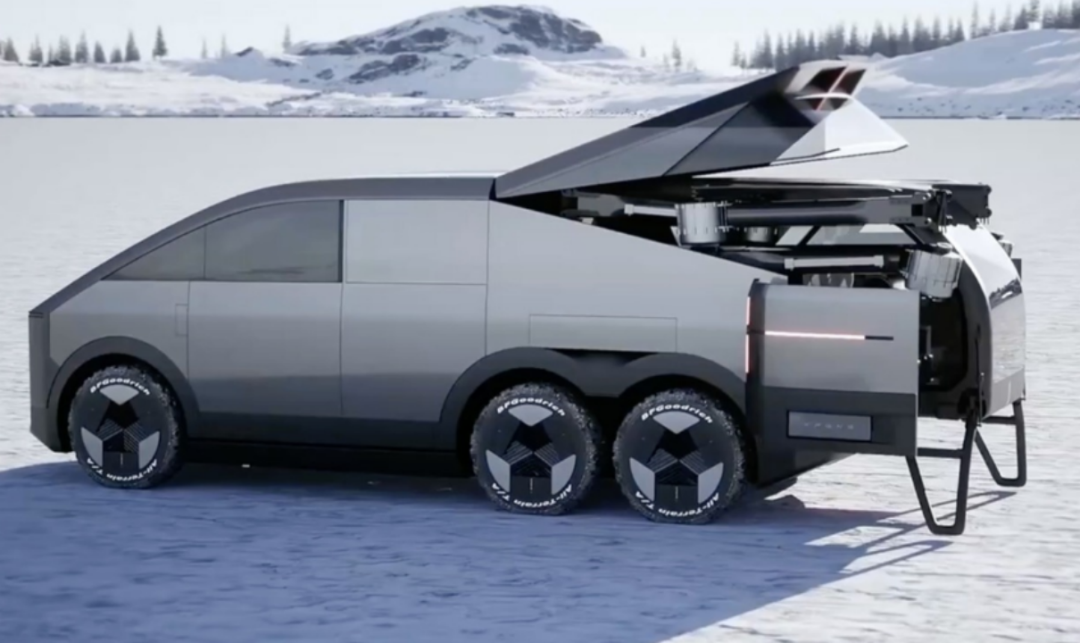
Xpeng Motors: Made its overseas debut with its latest split flying car “Land Carrier.” This flying car consists of a large three-axis “mother ship” with a range extender and a flying device with two seats inside, capable of automatically separating or combining the land vehicle and flying device within 5 minutes with a single button operation. It adopts range-extended electric vehicle technology, with a range of up to 1000 kilometers, and the flying device part uses an electric six-rotor dual duct configuration, with the main body structure and blades made of carbon fiber materials, balancing high strength and lightweight.
BMW: For the first time, showcased the new generation super-sensory intelligent cockpit BMW panoramic iDrive, becoming the focus with four innovative technologies. Its “Horizon Panorama Display” uses ultra-short throw projection technology to intuitively present vehicle information on the windshield, replacing traditional instrument panels; the “3D Head-Up Display” optimizes information presentation, allowing drivers to read vehicle conditions more focused; the “Super Sensory Smart Control Steering Wheel” integrates active haptic feedback and layered display, enabling drivers to easily perceive and operate information; the “Central Control” serves as BMW’s first interactive interface inside the vehicle. The self-developed new generation operating system X, as the software core of the panoramic iDrive, possesses efficient operating capabilities and extensive connectivity features, providing users with a smooth digital experience.
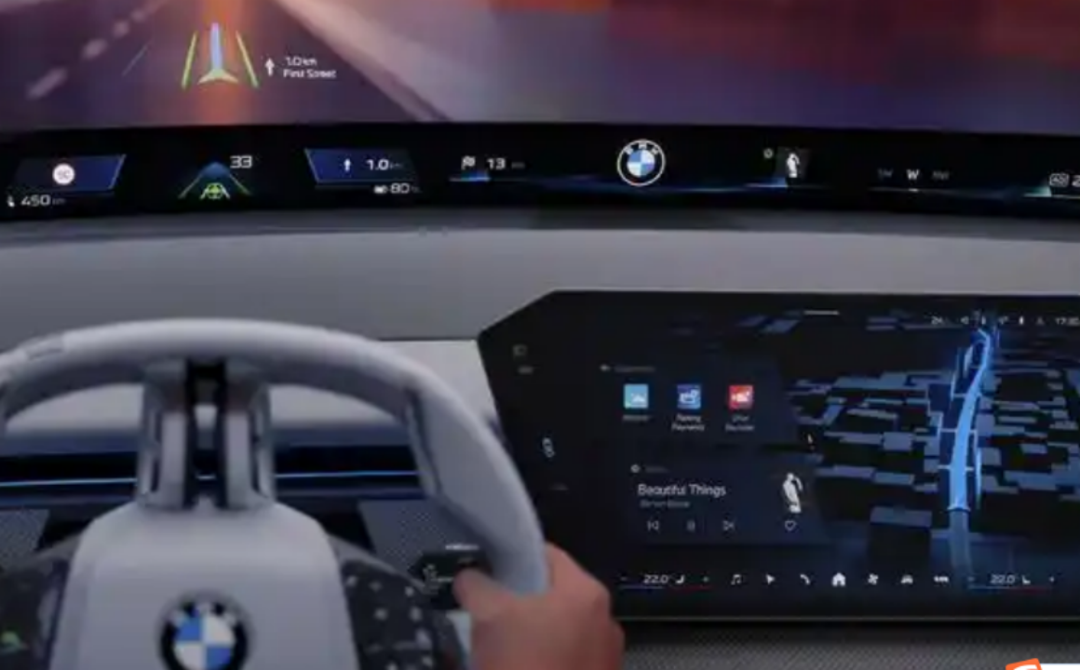
Smart Genie #5 model also appeared at the exhibition, showcasing the latest R&D achievements in intelligent driving systems and cockpit technology. This vehicle is the first SUV equipped with the AMD V2000 desktop-level computing chip, featuring a 10.3-inch full-color LCD instrument, a 25.6-inch AR HUD, and a 13-inch AMOLED 2.5K dual-screen, built-in smart Pilot Assist 3.0 intelligent driving system and smart OS 2.0 vehicle system, providing drivers with a smarter and more convenient driving experience. Additionally, it also utilizes ByteDance’s self-developed “Doubao AI large model,” becoming the world’s first mass-produced vehicle to apply this model.
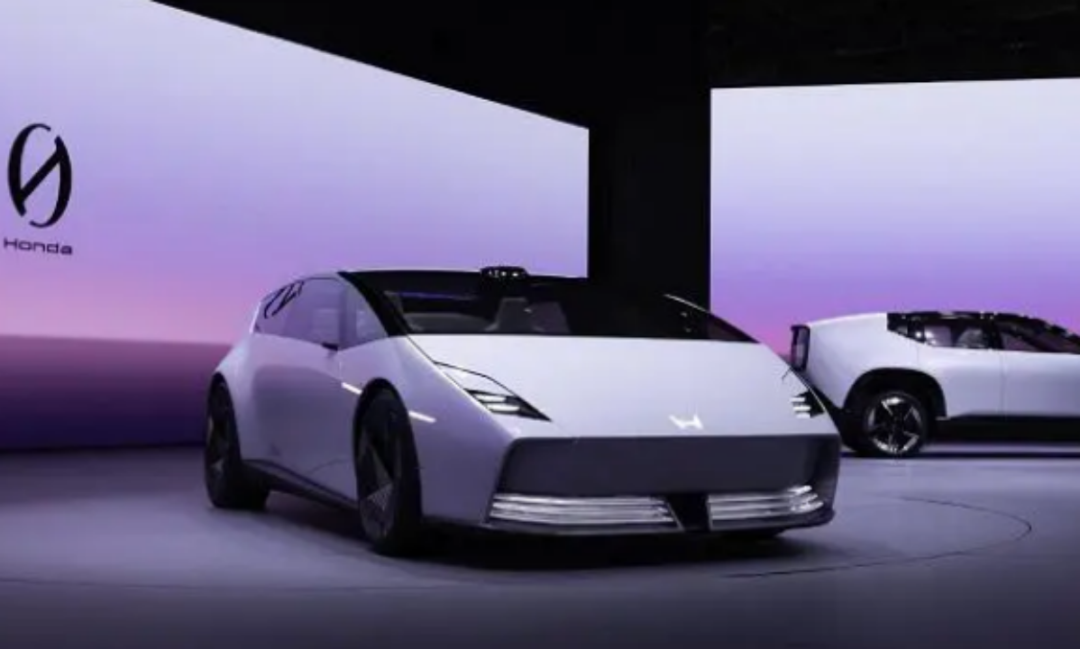
Honda: Showcased two concept electric vehicle prototypes based on future concepts, along with its driver monitoring system and other new proprietary operating systems. This series is Honda’s first true “software-defined vehicle,” planned for launch in the North American market in 2026. Honda also showcased the upgraded version of the AFEELA 1 sedan, a joint venture project with Sony, equipped with advanced driver assistance systems (ADAS) that utilize 40 sensors on board to perceive the surrounding environment and collect data, providing drivers with a safe and reliable travel experience through powerful computing capabilities and AI technology.
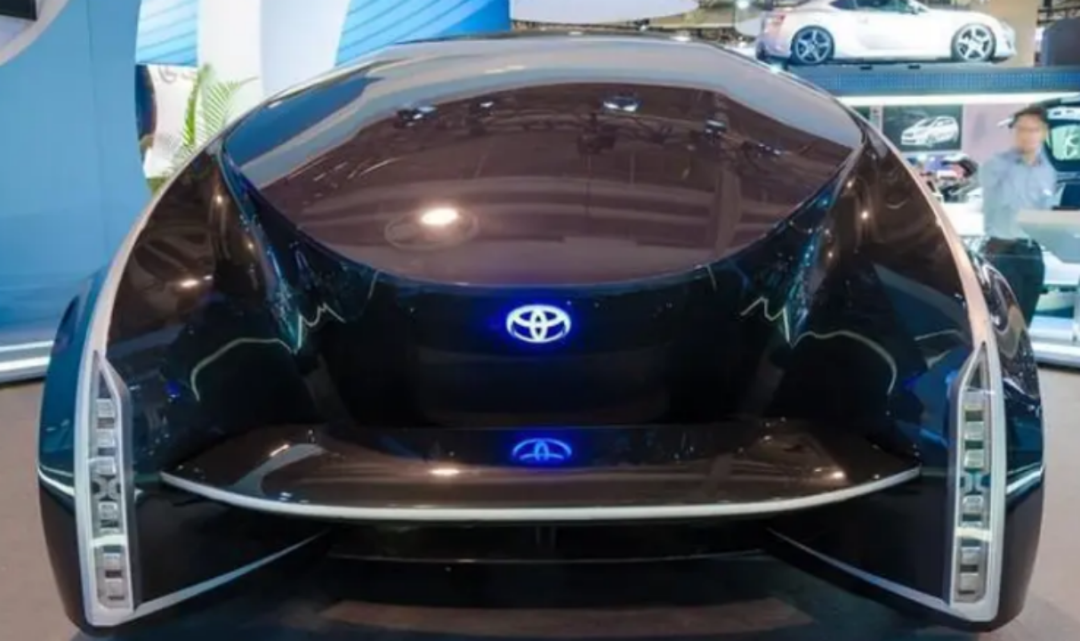
Toyota: Showcased the latest progress of its Woven City project, which was initially announced at CES 2020, located at a factory at the foot of Mount Fuji in Japan, envisioned as a “living laboratory” to test and develop technologies such as autonomous driving, robotics, personal mobility, smart homes, and AI. The design concept of Woven City is to weave together three different types of streets or paths, each designated for specific types of users. This includes roads for high-speed autonomous vehicles, roads for low-speed personal mobility tools such as bicycles and scooters, and pedestrian-only paths resembling park-like corridors. Additionally, the city will also build a dedicated underground freight road to achieve an efficient logistics system.
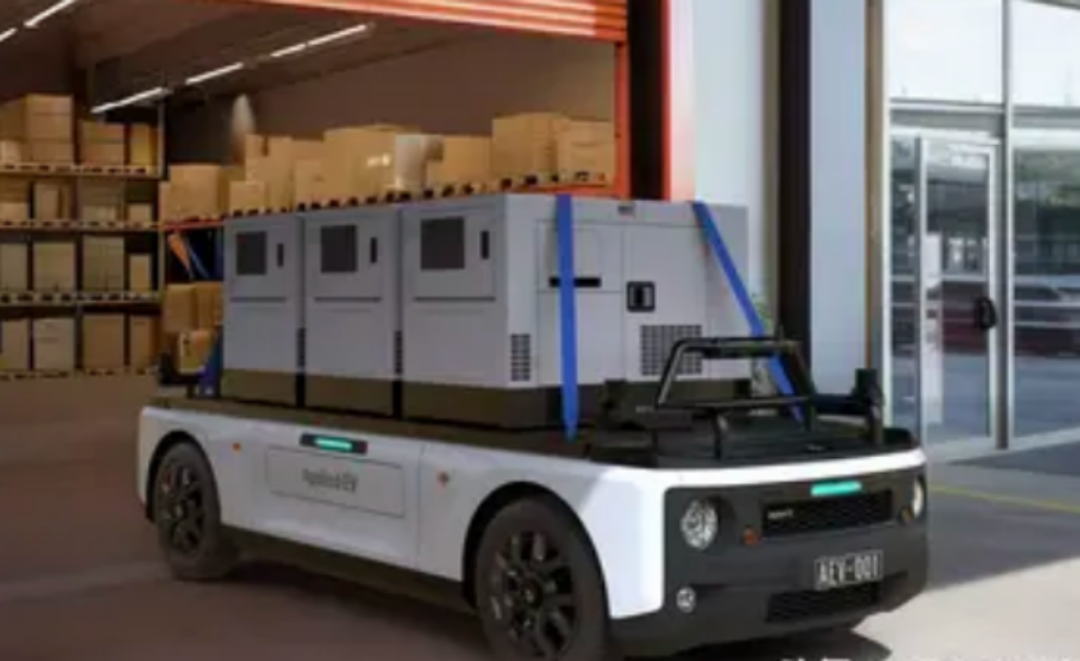
Suzuki: Brought its innovative urban transportation system Glydways. This system consists of small fully automated vehicles running on dedicated lanes, aimed at providing a scalable on-demand transportation solution. Compared to traditional public transportation, Glydways significantly reduces the cost of transportation infrastructure while providing equitable sustainable travel opportunities across different regions. Suzuki also showcased several “multi-functional micro electric vehicle concept platforms,” including the automated delivery robot LM-A and the stylish snow removal drone V3. These small autonomous robots demonstrate Suzuki’s exploration in the fields of intelligence and automation, aimed at improving logistics efficiency and addressing the shortage of drivers in the industrial sector. Among them, the sixth-generation Blanc robot is designed to enhance logistics efficiency, showcasing Suzuki’s innovative potential in commercial applications.
Karma Automotive: Showcased the “software-defined vehicle” architecture developed in collaboration with Intel’s automotive semiconductor division, which will support its Kaveya super sports car set to launch in 2026. Kaveya is a high-performance electric supercar expected to hit the market in the fourth quarter of 2026. This model adopts an advanced software-defined vehicle architecture, with functionalities and performance continuously optimized and upgraded through software updates. Karma’s collaboration with Intel aims to enhance the vehicle’s intelligence and connectivity, making it more competitive in areas such as autonomous driving, intelligent cockpits, and vehicle performance management.
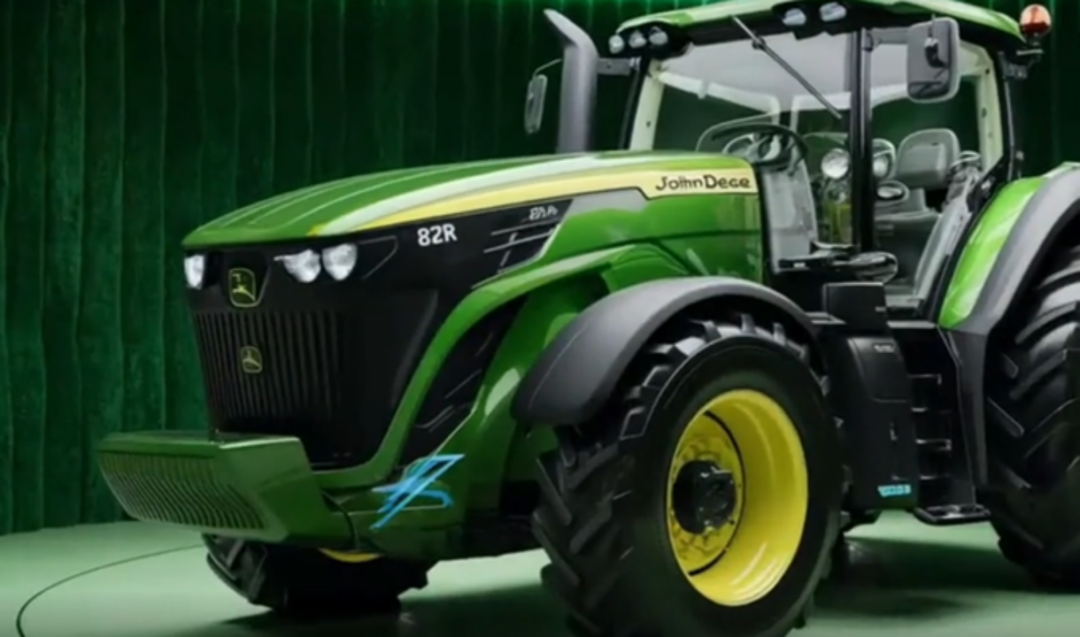
John Deere: Released a series of fully autonomous agricultural machinery, including autonomous tractors, robotic lawn mowers, unmanned dump trucks, and tractors designed specifically for orchards, aimed at addressing labor shortages in agriculture, landscaping, and construction industries. The second-generation autonomous tractor is equipped with 16 cameras, providing a 360-degree view, and utilizes Nvidia GPUs for real-time image processing, ensuring the safety and reliability of the vehicles.
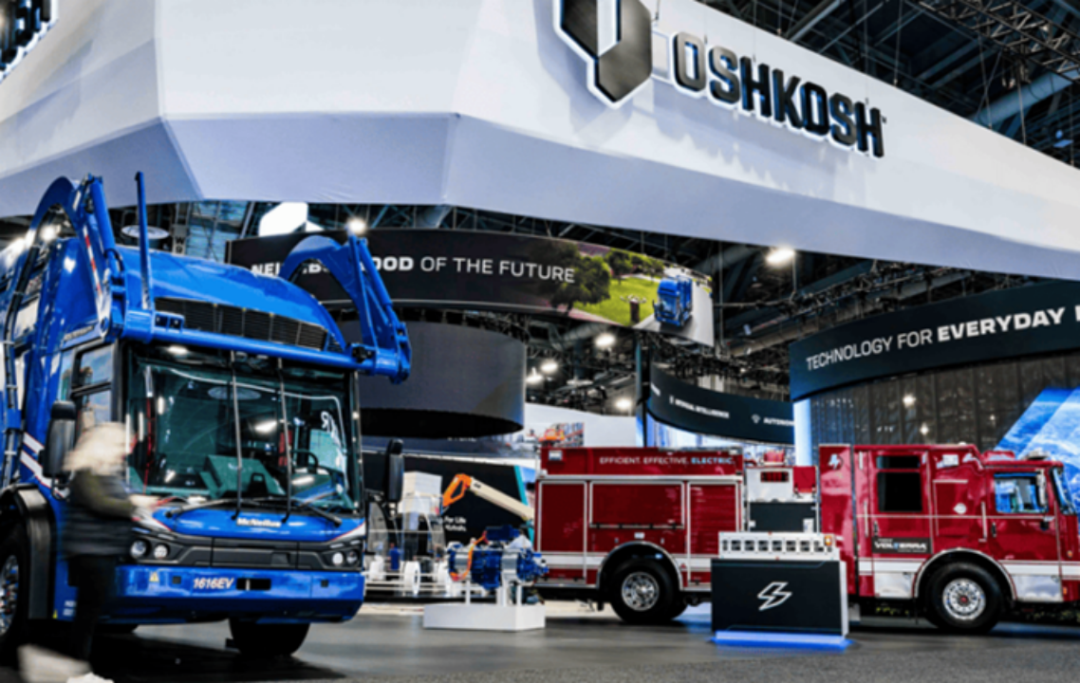
Oshkosh Corporation: For the first time, launched a series of innovative products covering electrification, artificial intelligence, autonomous driving, and connectivity solutions. The first specially built all-electric garbage and recycling front loader is equipped with advanced driver assistance systems and fleet management telematics systems. Oshkosh also introduced a self-driving garbage collection robot named HARR-E™, which can be summoned via a smartphone app, autonomously navigating using AI and advanced sensors to collect waste and return to a central area. Oshkosh’s Collision Avoidance Mitigation System (CAMS) employs pioneering technology designed to provide advanced warnings for potential roadside collisions, using AI-equipped camera technology, autonomous driving sensors, and radar to enhance situational awareness for emergency personnel.
05Conclusion
It is evident from CES 2025 that AI technology is rapidly advancing in smart vehicles, with numerous car manufacturers showcasing their latest innovative achievements.The new generation of super-sensory intelligent cockpits and innovative operating systems enhance the driving experience while providing powerful cockpit functionalities. Conceptual electric vehicles and upgraded sedans showcase the vision for future urban transportation. Fully autonomous agricultural machinery and flying cars provide new imaginative spaces for future transportation. Software-defined vehicle architectures demonstrate the intelligence and connectivity of vehicles. Advanced LiDAR and camera technologies, AI platforms, and chip technologies also lay a solid foundation for the development of future intelligent transportation. These innovative achievements not only enhance the safety and convenience of driving but also provide new directions for the development of future intelligent transportation.