
In June, the sun in the Philippines was like an unreasonable tyrant, mercilessly scorching the land.
Meanwhile, in a corner of Manila, a storm more intense than the sunlight was brewing. The International Criminal Court (ICC) has exposed its seventh batch of evidence, with 130,000 charges flooding towards former President Rodrigo Duterte, as if the entire political landscape of the nation trembled at that moment.
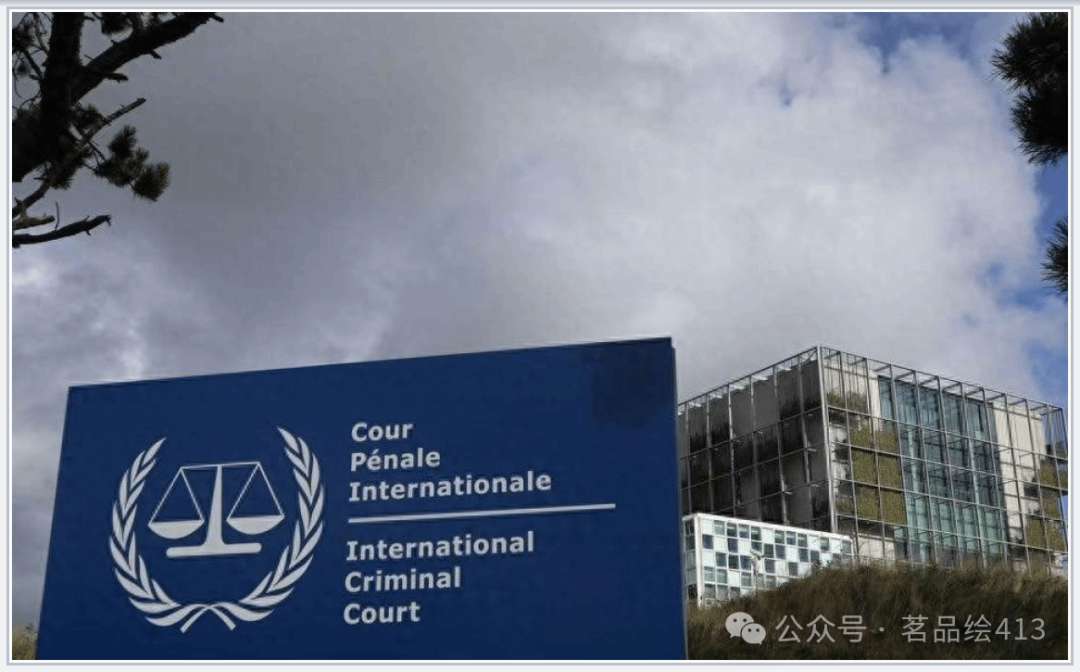
If “anti-drug” was Duterte’s claim to fame, then these 130,000 charges represent a “legal bombardment” he must face. From crimes against humanity to human rights violations, from abuse of power to systemic violence, these charges are like a massive archive, re-shooting Duterte’s governance years into a stark black-and-white documentary. But don’t get it wrong; this is not a sentimental memoir but a cold indictment.
It is said that when this thousand-page document was delivered to Duterte’s legal team, even the most composed senior lawyer couldn’t help but gasp — not out of fear, but because it was so heavy it could almost be used as a brick.
This is not only a legal challenge but also a test for the entire Philippine judicial system. After all, no one expected that the tough guy who once cursed the United Nations on camera and threatened to withdraw from the ICC would now stand in the defendant’s seat facing trial.
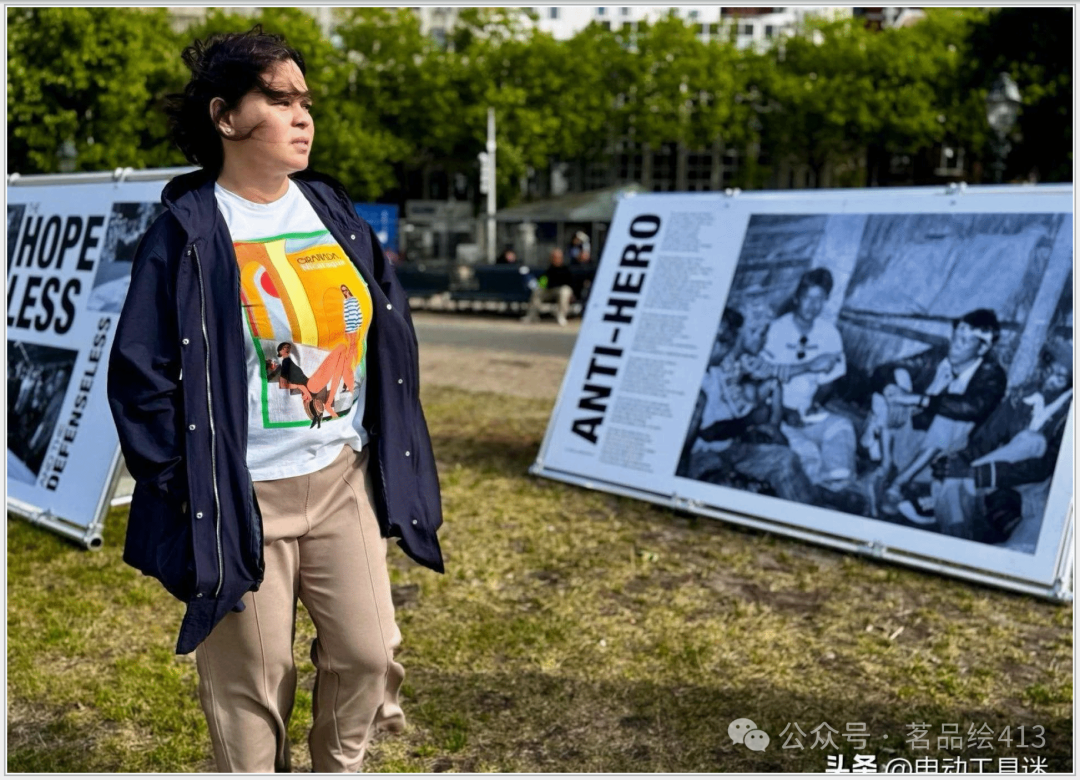
In the face of this unprecedented legal storm, the Duterte family quickly assembled a legal team that can be described as a “special forces unit” in the legal field. They are not only well-versed in Philippine domestic law but also have in-depth research on international criminal law. This team is like a precision clock, with every gear preparing for the upcoming hearing on September 23. Their strategy can be summarized in one sentence: “First defend, then attack, step by step.” After all, in this smoke-free battle, every move could determine victory or defeat.
As early as 2019, the Philippines officially announced its withdrawal from the International Criminal Court. This move did not attract much attention at the time, but now it seems to be a prelude that the Duterte family had long laid. The legal team is using this as a breakthrough point, attempting to fundamentally shake the ICC’s legal basis for the Duterte case. This approach is somewhat like playing a “decoupling” game — since you are no longer within my rule system, why should I still abide by your rules? However, this game also carries significant risks; if it fails, it could put the entire case in a more passive position.
With less than three months left until the September 23 hearing, both Duterte’s supporters and opponents are preparing intensively.
For Duterte’s supporters, this is not just a legal trial but a contest of justice and power; for his opponents, it is an opportunity for a thorough reckoning of history. Some analysts believe that if Duterte can successfully dismiss some charges in this hearing, or at least delay the proceedings, he may have a chance to make a comeback in the coming years. But if he fails, a long legal process awaits him, and he may even face extradition and imprisonment.
From a historical perspective, Duterte is not the first Philippine leader to fall into legal troubles.
Before him, Ferdinand Marcos was also investigated for corruption and other issues, ultimately going into exile. The difference is that Marcos’s son, Bongbong Marcos, is now sitting in the presidential seat, while Duterte has become the subject of prosecution. This role reversal makes one sigh: the actors on the political stage are constantly changing positions, but the game of power remains the same.
From a cultural perspective, there has long been a “hero worship” mentality in Philippine society. Whether it is Duterte or Marcos, they have both won substantial public support through tough means. Over time, this support often fades for various reasons, replaced by a yearning for the rule of law and justice. This transition is not easy, but it is part of social progress.
Of course, if you think all of this sounds too heavy, you might want to look at it from another angle. A once high-flying president is now overwhelmed by 130,000 charges; doesn’t this scene resemble Andy from “The Shawshank Redemption”? Only this time, he is not the victim but the perpetrator. Interestingly, Duterte himself seems not to have completely given up hope. He has broken his silence in prison, calling on supporters to refrain from interfering with the ICC’s judicial proceedings and stating that he will face this challenge alone. This “lone hero” posture, while somewhat tragic, also carries a hint of dark humor.
No matter how we view Duterte’s fate, one thing is certain: this legal trial is not just about one person’s destiny but also about the rule of law process and social justice in the entire Philippines.
It is both a historic test and a guide for future direction. For ordinary people, they may be more concerned about whether this trial can truly bring justice and whether it can prevent similar tragedies from happening again. These questions do not have simple answers, but they are worth deep reflection by each of us.
As an anonymous observer said, “Duterte’s story is far from over; it has merely entered a new phase.” In this phase, the law will become the only judge, and the truth will eventually come to light. As for whether the September 23 hearing will become a true turning point, we can only wait and see. Perhaps, as the old saying goes, “Justice may be delayed, but it will never be absent.”
In any case, the storm continues.
And on this tropical archipelago, life goes on; children still chase and play in the streets, markets remain bustling with voices, and the night sea breeze still carries a salty scent. Only in a certain part of this city, a once powerful figure is quietly waiting for his fate to be decided.
[All materials in this article are sourced from online resources; if there is any infringement, please contact for removal.]