(1) How Does a PLC Control a Servo Motor?
Before answering this question, it is important to understand the purpose of a servo motor. Compared to ordinary motors, servo motors are primarily used for precise positioning. Therefore, when we talk about controlling a servo, we are actually referring to the position control of the servo motor. In fact, servo motors also have two other operating modes: speed control and torque control, although these are less commonly used.
Speed control is generally achieved using a frequency converter. Using a servo motor for speed control is typically applied in scenarios requiring rapid acceleration and deceleration or precise speed control. This is because, compared to frequency converters, servo motors can reach thousands of revolutions per minute within a few millimeters. Since servos operate in a closed loop, their speed is very stable. Torque control mainly focuses on controlling the output torque of the servo motor, again due to the fast response of servo motors. By applying these two types of control, servo drives can be treated as frequency converters, usually controlled by analog signals.
The primary application of servo motors remains position control. Position control involves two physical quantities that need to be controlled: speed and position. Specifically, it is about controlling how fast the servo motor reaches a certain location and stopping accurately.
The servo drive controls the distance and speed of the servo motor’s operation by receiving the pulse frequency and quantity. For example, if we agree that the servo motor makes one full rotation for every 10,000 pulses, then if the PLC sends 10,000 pulses in one minute, the servo motor will complete one rotation at a speed of 1 r/min. If it sends 10,000 pulses in one second, the servo motor will complete one rotation at a speed of 60 r/min.
Thus, the PLC controls the servo motor by managing the pulses sent. The most common physical method of sending pulses is through the transistor output of the PLC, which is typically used in low-end PLCs. In contrast, mid to high-end PLCs transmit the number and frequency of pulses to the servo drive via communication.
These two methods differ only in their implementation channels; the essence remains the same. For programming, this is also the same. This is what I want to convey: one should learn the principles and apply them broadly, rather than learning for the sake of learning.
In terms of program writing, there is a significant difference. Japanese PLCs use an instruction-based approach, while European PLCs use a function block format. However, the essence is the same. For example, to control a servo for absolute positioning, we need to manage the PLC’s output channels, pulse count, pulse frequency, acceleration and deceleration times, and know when the servo drive has completed positioning and whether it has hit the limit. Regardless of the PLC type, it is fundamentally about controlling these physical quantities and reading motion parameters, just implemented differently across various PLCs.
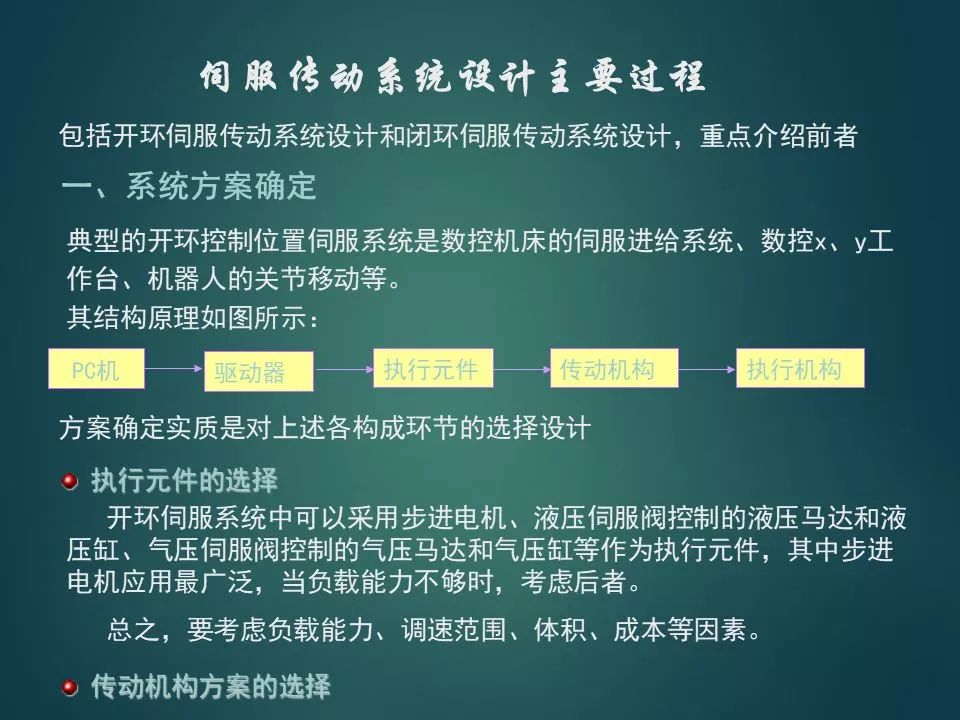
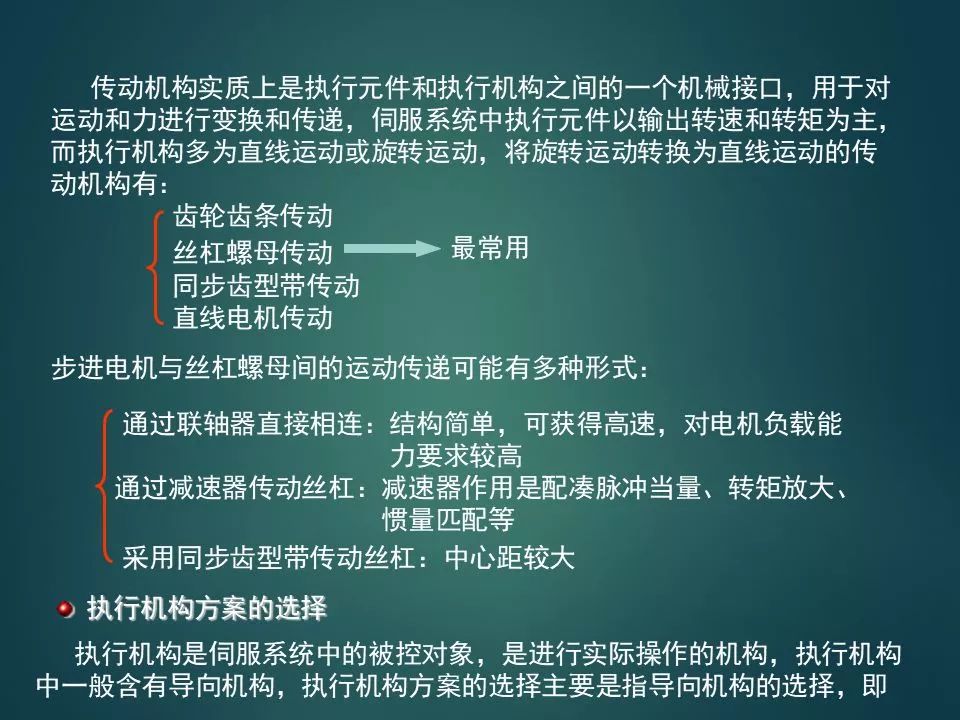
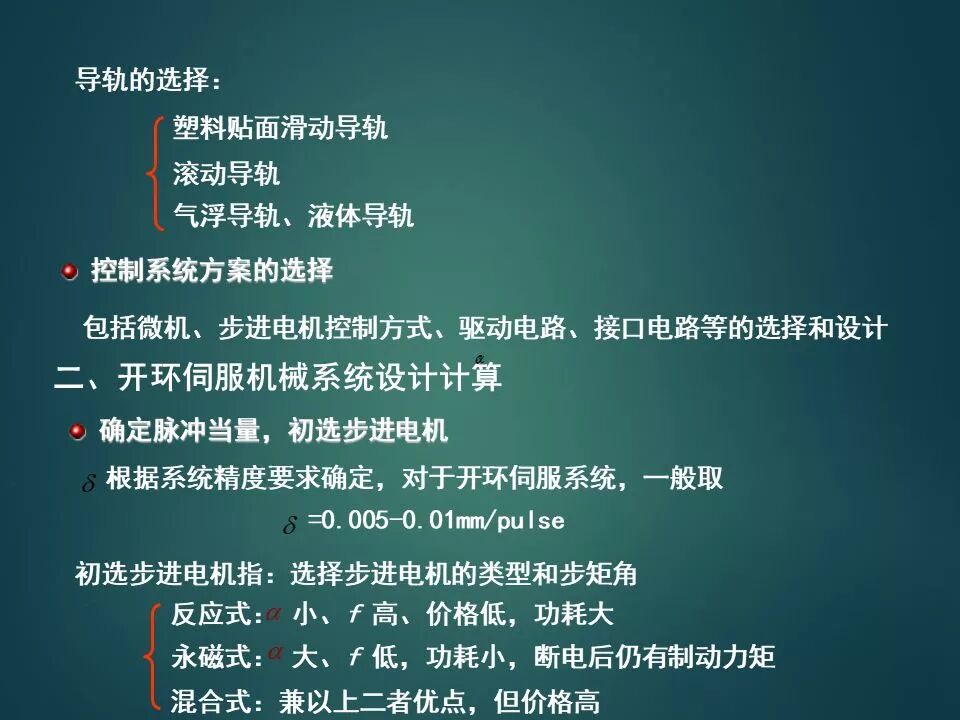
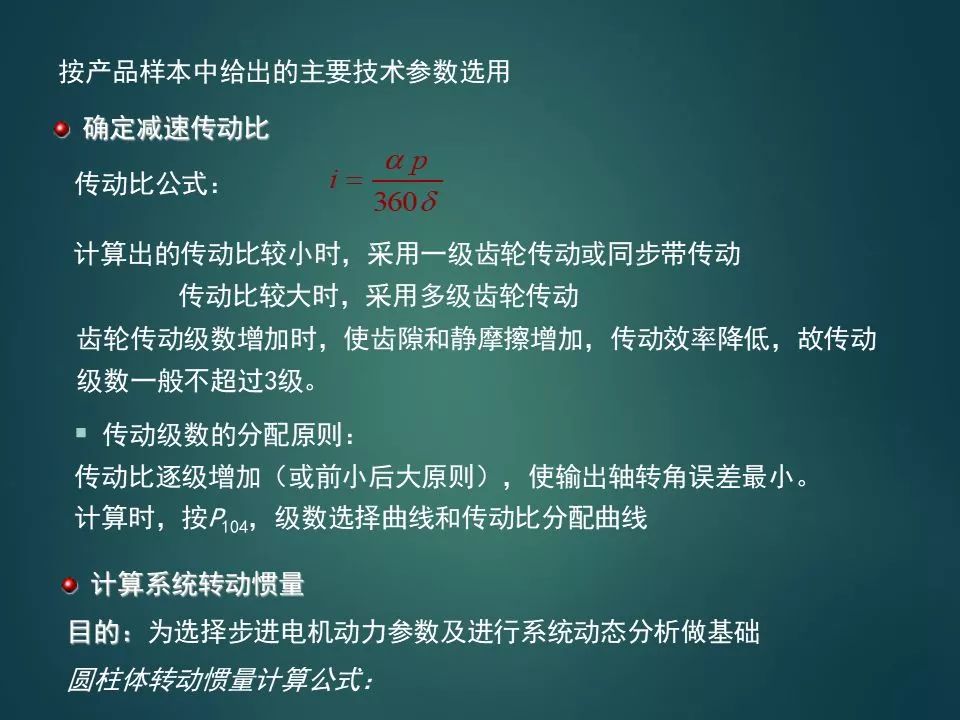
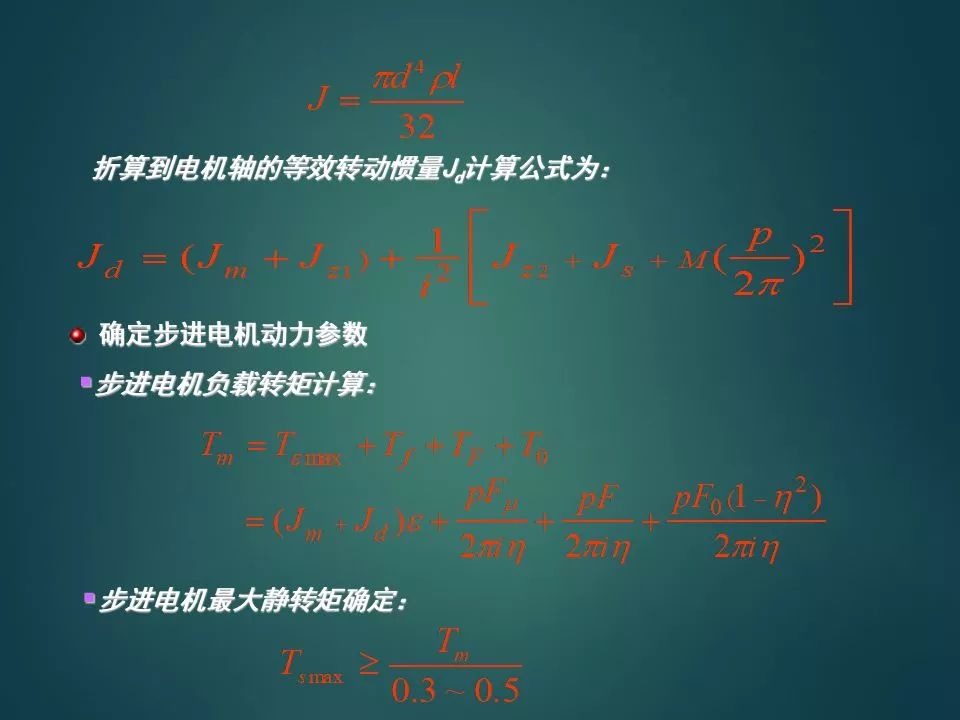
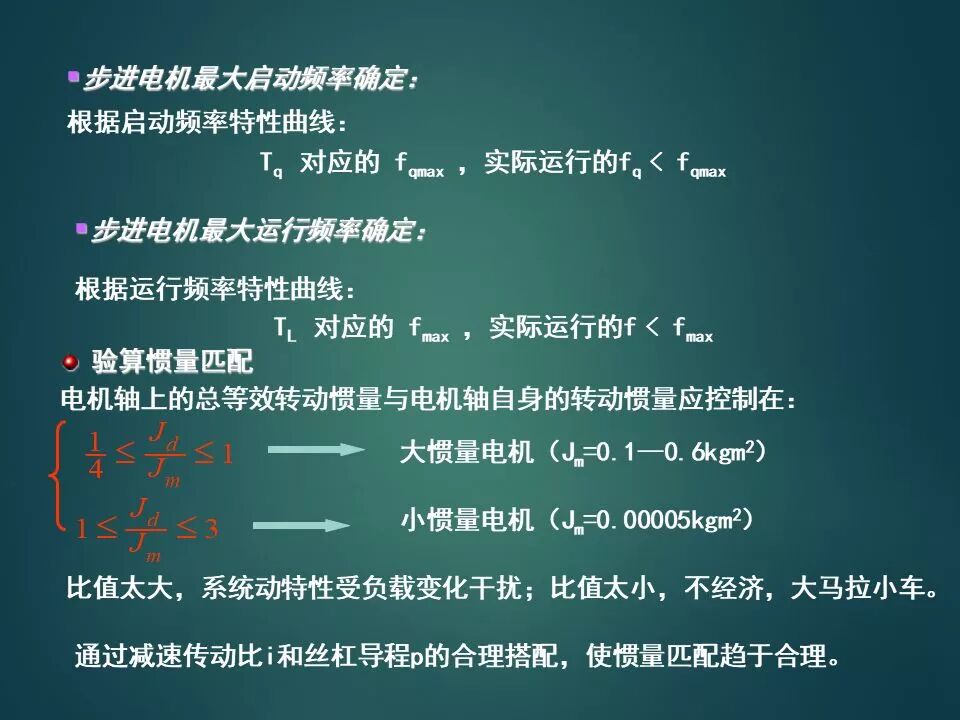
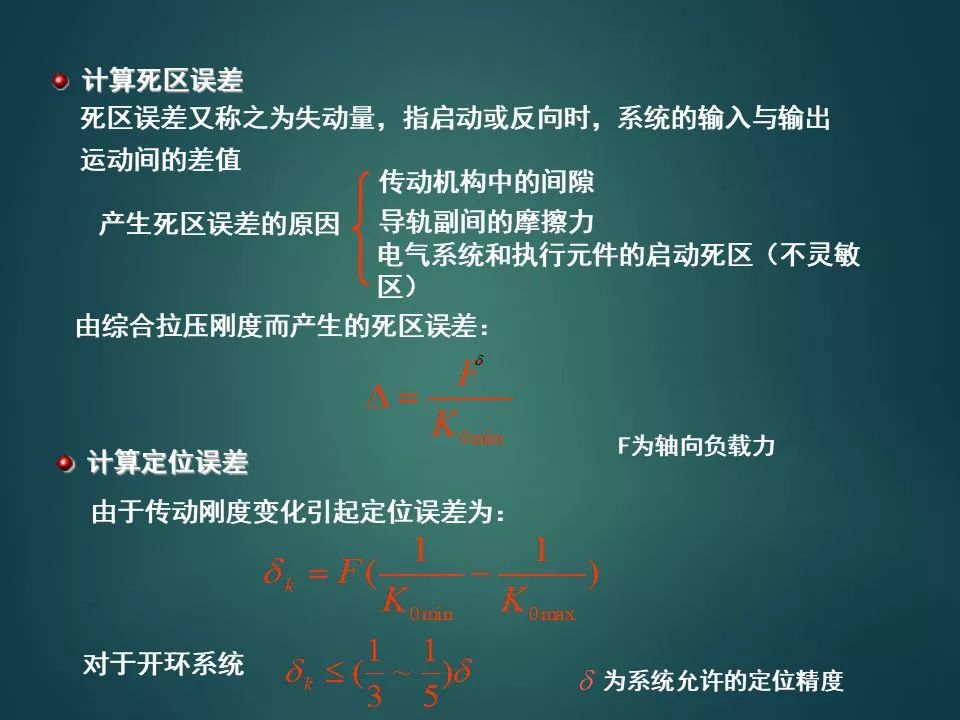
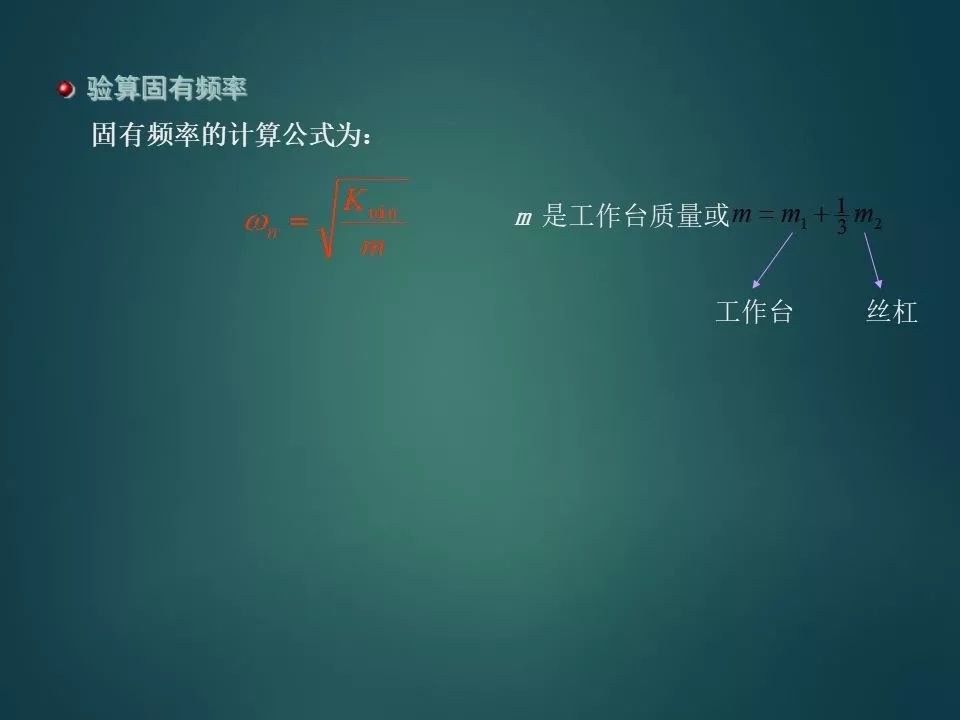
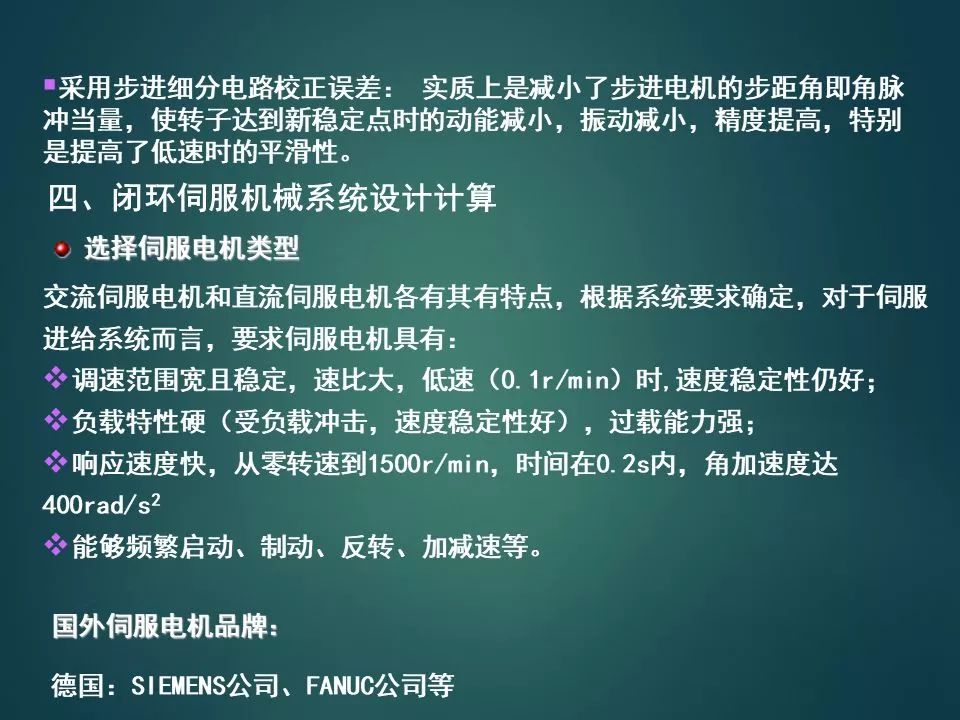
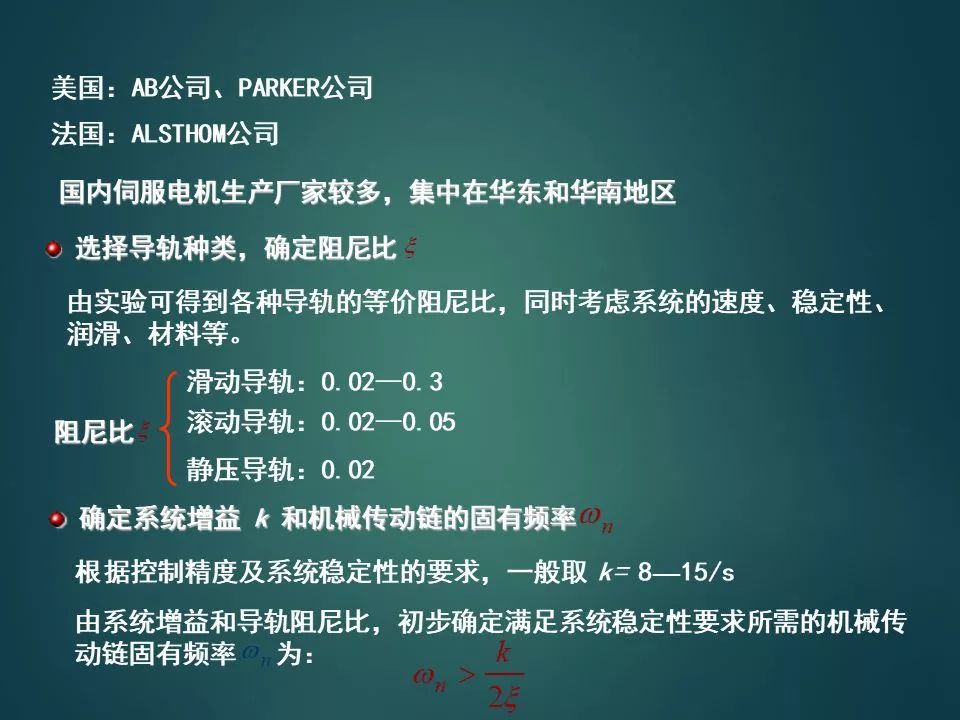
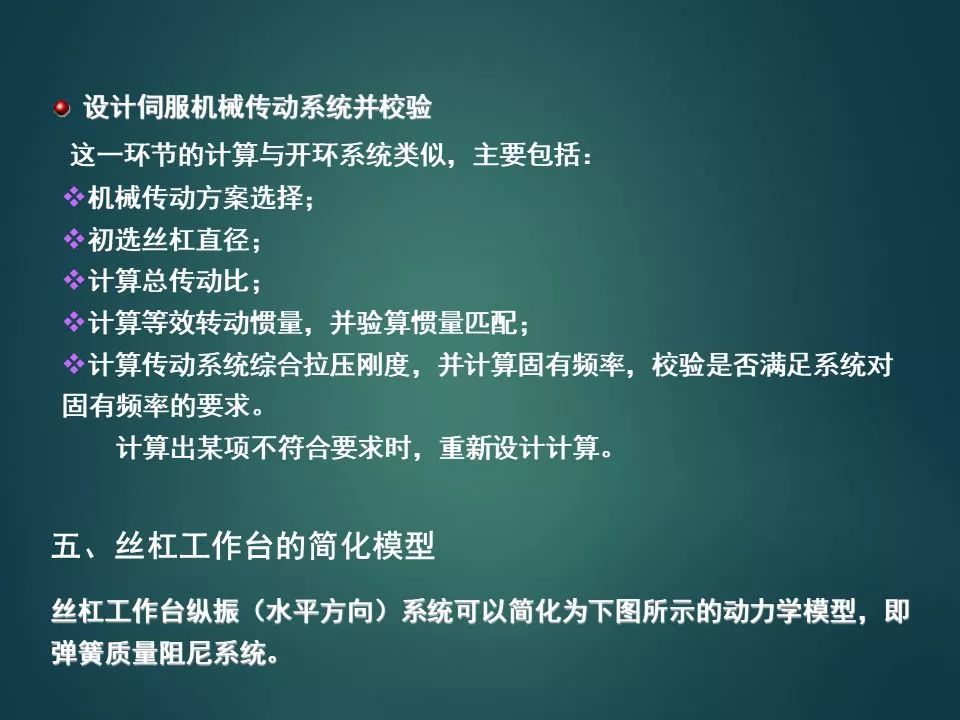
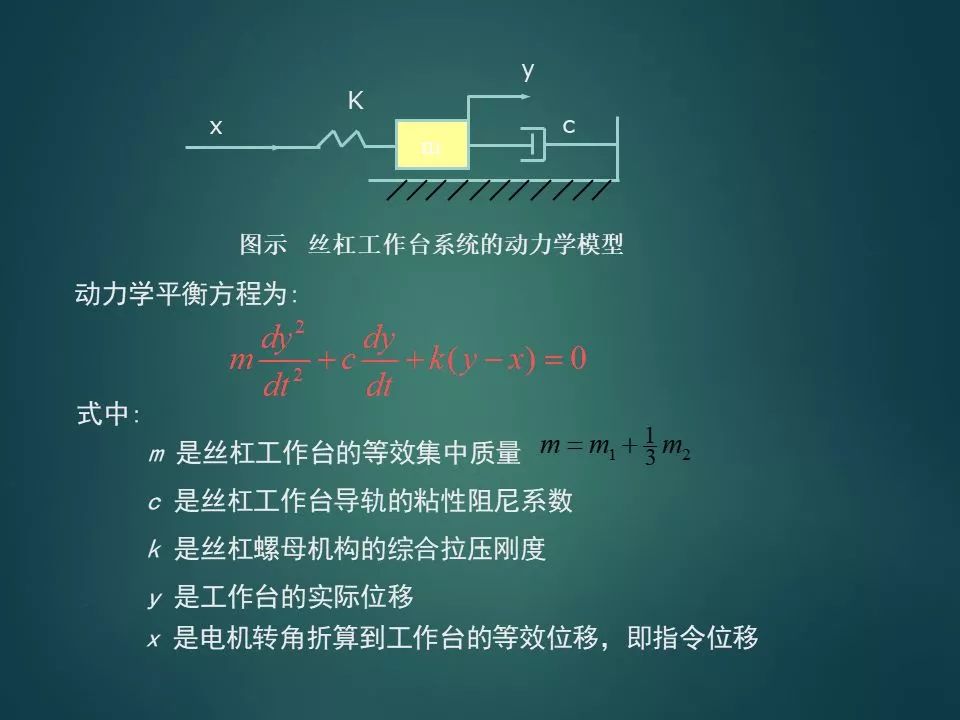
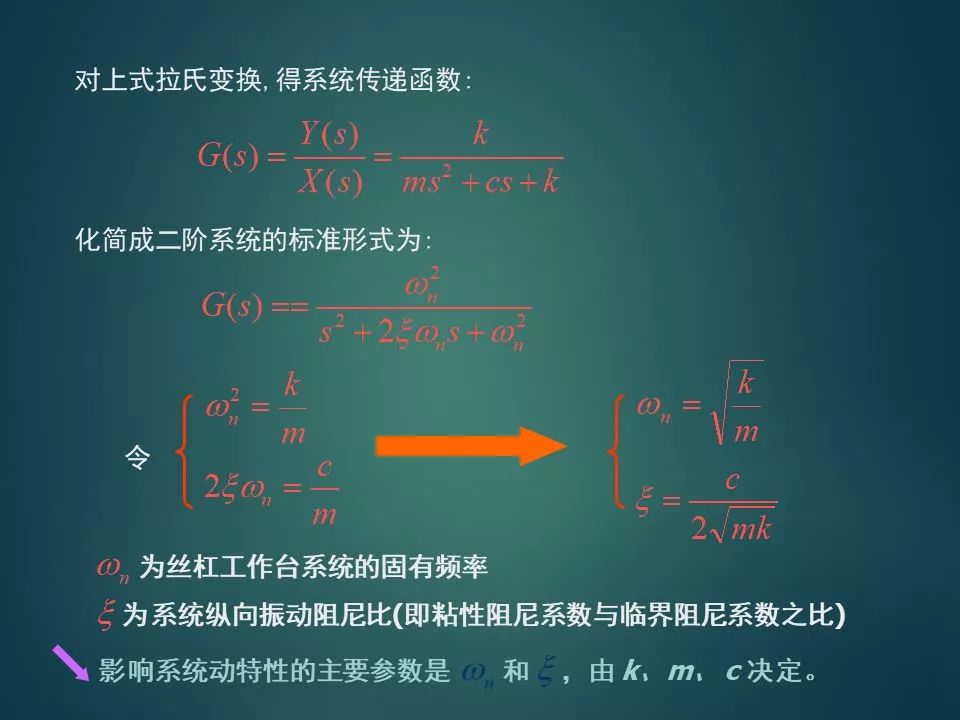
(2) How to Design a Servo System?
 Follow our public account + ❤ Like + Share and Save for Learning