Saturday’s living room instantly transformed into a “battlefield”—my son wielding a toy laser gun while I crouched behind the sofa adjusting our “tactics” (actually just helping him straighten the crooked target). This should have been my golden time for debugging, but instead, it turned into a parent-child session of “reviewing real-life CS product experiences”.
“Dad, I found out that the TV remote can also hit the target!  ?”
?”
My son frowned, resembling my serious contemplation during the development of real-life CS laser equipment on how to prevent ambient light from affecting the reception dot.
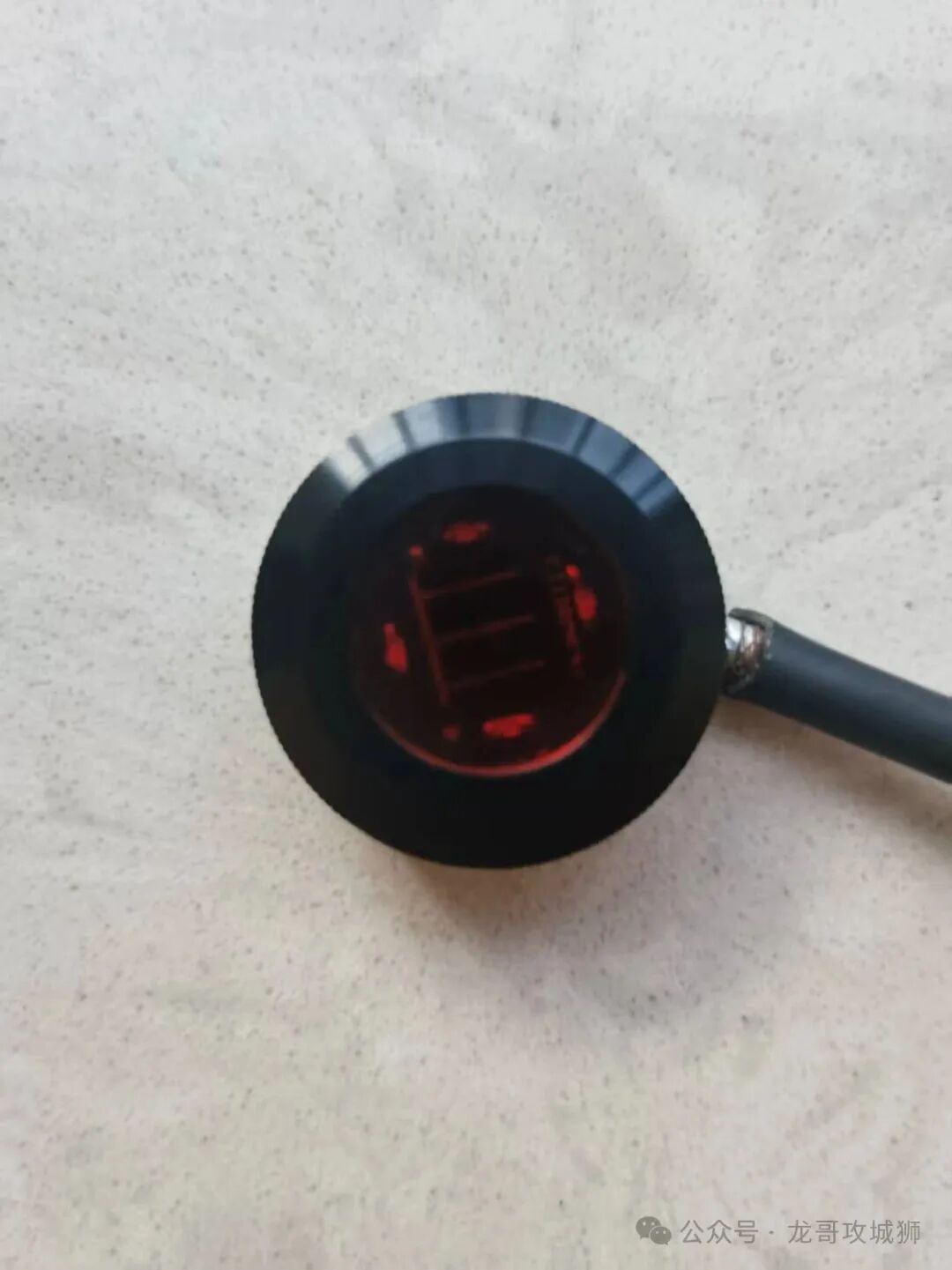
I picked up my laser rangefinder and aimed it at my son’s laser target, and sure enough, I could hit it too.
I held up my son’s laser target and said with a smile: “Do you remember the real-life CS system I made? The laser gun uses a coding design for long-distance shooting, and the receiving target is designed to decode it to ensure shooting distance. Clearly, our current toy target just senses the laser to indicate a hit.”
On the sixth day of unemployment, I “activated” hidden skills in our parent-child game:
▫️ When I used to work on real-life CS products, I always thought about “how to make the equipment more durable”; now, playing with my child, I realize that “how to make the game more fun” is the ultimate demand.
▫️ My son set up the living room as a “jungle battlefield”, and I instinctively used product thinking to help him optimize: “If the obstacles are too dense, it will affect ‘signal transmission’ (laser path), how about we leave a ‘safety corridor’?”
▫️ When he hit the bullseye, he cheered: “Dad, I fixed the bug!” I was stunned—apparently, in his eyes, my job isn’t “coding”, but rather “using magic to make toys smarter”.
From “Real-Life CS Product Manager” to “Parent-Child Game Architect”:
▫️ In the past, when designing devices, I had to consider “anti-interference capability”; now, while playing with my child, I need to learn “anti-crying capability” (for instance, when he can’t handle losing, I have to use “tactical encouragement”: “Let’s adjust our ‘strategy’ for the next round, and we will definitely turn the tide!”).
▫️ Unemployment is not the “end of a project”, but rather an opportunity to “iterate on parent-child products”—after all, a child’s growth needs “user feedback” more than any hardware.
To my peers (especially engineers with kids):
If you are also in an “unemployment gap”, why not try:
✅ Transforming product experience into parent-child games (for example, using “troubleshooting” thinking to solve toy problems)
✅ Letting your child be your “little tester”, listening to their description of “ideal toy functions”
✅ You will find that a child’s imagination is bolder than any requirement document.
During your unemployment, what “technical-themed” games have you played with your child?