Trump is truly a typical impulsive thinker. Just a few days ago, he publicly praised China as a “great country,” only to turn around and hype up the “Chinese infiltration threat,” even targeting Chinese executives in the U.S. The latest victim is Intel’s CEO, Pat Gelsinger, a Malaysian Chinese who grew up in Singapore and has spent most of his life in the U.S., who has been labeled a “national security threat” and was demanded by Trump to resign immediately.
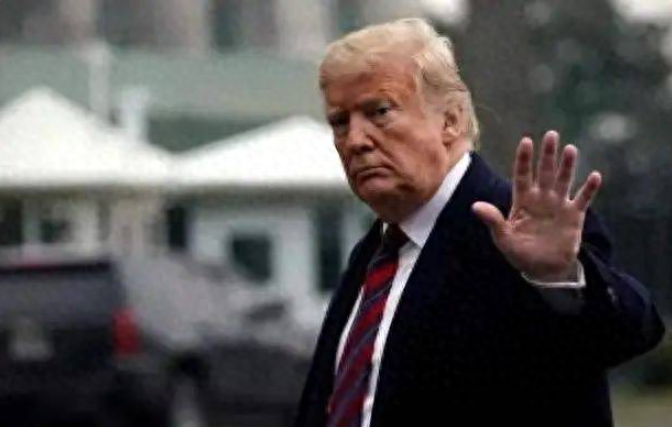
Media and experts in the U.S. are baffled; China hasn’t lifted a finger, and Trump has shot himself in the foot. U.S. experts directly stated: China won without doing anything. I think this is not an exaggeration.
After Trump returned to power, he raised tariffs on China to over 145%, adopting a stance of “I will crush your economy.” However, unexpectedly, China’s economy not only remained intact but also played its “rare earth card,” causing Trump’s attitude to make a 180-degree turn. Since July, Trump’s praise for China has been sweeter than love talk; he stated in cabinet meetings that China’s trade agreements are “very fair” and that he wants to maintain a “good relationship,” with even U.S. Treasury Secretary Janet Yellen calling China a “great country.”
Just as this drama was heating up, the U.S.-China tariff truce was extended, but a letter turned the plot back. Arkansas Republican Congressman Tom Cotton publicly questioned Pat Gelsinger on social media, stating that his previous company invested in over 600 Chinese companies and supplied the Chinese military. Investment is investment; in any normal country, it is a business activity, but in the mouths of U.S. politicians, it can become a “lurking national security threat.”
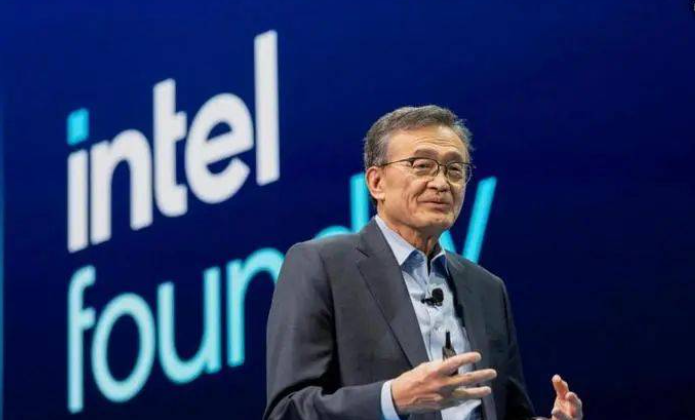
Seeing an opportunity, Trump immediately jumped on the bandwagon, declaring: Gelsinger must go! He even pretended to be serious, saying it was a matter of “loyalty.” Loyalty, my foot; the essence is that he wants to use this incident to stir up anti-China sentiment to revive his plummeting approval ratings. Especially with the midterm elections approaching, he knows better than anyone that attacking China is the quickest way to gain votes.
But is Gelsinger’s problem really with China? Not at all. Trump has always wanted to bring manufacturing back, but high costs have deterred most companies, and even TSMC’s factory in the U.S. has been struggling. Although Intel received government subsidies, 30% of its revenue comes from the Chinese market, and it continues to invest and cooperate in China, which in Trump’s eyes is “sitting in the wrong place.”
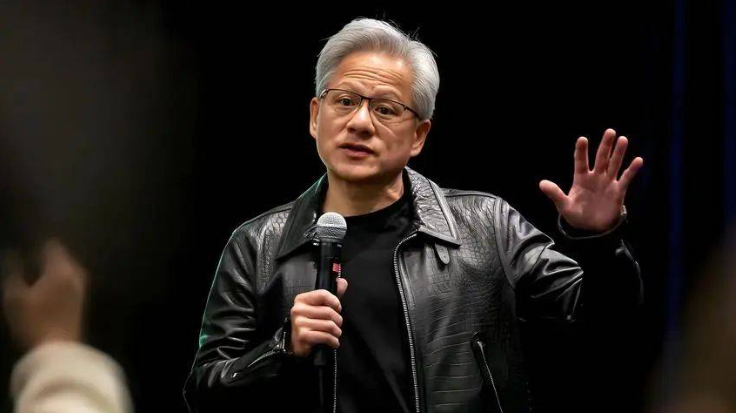
Currently, there is a magical phenomenon in the U.S. — NVIDIA’s Jensen Huang, AMD’s Lisa Su, and Broadcom’s Hock Tan are all Chinese executives. According to Trump’s logic, should these people also be kicked out? Netizens are amused: Go ahead, drive out all the semiconductor executives in the U.S. and see who will make chips for you!
Even more ridiculous is that the U.S. wants to make the chip industry chain “purely American”, but the human technology circle is not your backyard; you can’t just pull out others and plant your own vegetables. Chinese engineers and scientists have played a significant role in the U.S. tech industry for decades, and Chinese executives support half of the industry. If you keep throwing around labels, they will not continue to endure in your country.
So the current situation is — Trump wants to use hype to force companies to invest more in the U.S. and show loyalty, but as a result, the research community is in an uproar. 75% of researchers feel that the U.S. environment is becoming increasingly hostile, and Chinese executives in Silicon Valley are quietly submitting resumes to Chinese companies, while international STEM student applications have dropped by 20%. What is this doing? Actively cutting off their own innovation supply line?
And what about China? They did nothing, talent is returning on its own, orders are coming in, and the chip market is scheduled directly into next year, with breakthroughs accelerating in fields like 6G and quantum computing due to the return of talent. The U.S. has worked hard to block and suppress, but as a result, it has helped China achieve a “supply chain upgrade + talent return” win-win.This time, they truly won without effort.
If you look through this incident, you will find that Trump’s flip-flopping is not a momentary impulse but a pattern. First, create an enemy — regardless of whether the other party is a threat, just label them; then stir up emotions — votes and attention will come immediately; finally, reap the benefits — companies, capital, and voters are all forced to take sides. However, this “winning strategy” in international politics can easily backfire because you cannot expect everyone to play along with your act forever.
I believe the real “national security threat” to the U.S. is not the Chinese CEO, not China’s rare earths, but their own obsession and isolation towards the external world. Today, you may drive out a Gelsinger, tomorrow you might force out a Huang, and the day after that, it could be the hollowing out of the entire tech industry chain.
So sometimes the biggest opponent is not external, but in your own mind. Trump’s move, intended to assert dominance, ended up emptying his own kitchen.