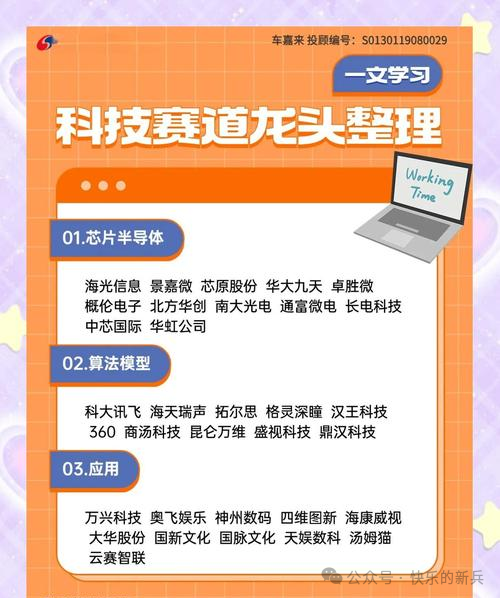
Recently, the Global Artificial Intelligence Conference opened in Shanghai, focusing on cutting-edge topics in AI and chip technology. At the conference, industry leaders boasted about their latest “chip” initiatives.
Just a day before the conference, a piece of news caused quite a stir in the tech circle—reportedly, a certain giant is plotting to acquire a domestic chip manufacturer!
This is just the latest attempt by tech giants to engage in a “sniper battle” in the chip sector. In fact, from 5G to AI, and even the metaverse, chips are undoubtedly the “high ground” that all tech giants are vying for.
Everyone wants to grasp this “chip” in their hands
For tech companies, chips are like blood; they are the fundamental driving force behind business development. Only by mastering core chip technology can one gain the upper hand in the future tech race.
Currently, the “dominant” position in the chip industry is firmly held by foreign giants such as Samsung, Intel, and TSMC. Domestic chip capabilities are relatively lagging, leading to the region being humorously dubbed the “chip shortage capital”.
This has instilled a strong sense of crisis among many domestic tech giants. With ample cash and talent at their disposal, they are making comprehensive efforts to catch up with the latest developments in the chip field.
For example, Huawei has independently developed the industry-leading “HiSilicon” chips; Xiaomi and Unisoc are launching a “hybrid critical system”; Alibaba and Tencent are also accelerating their chip R&D efforts… Everyone is eager to create customized chips suitable for their business development.
Will the “dark war” in the chip industry intensify?
The continuous strengthening of domestic chip capabilities will inevitably lead to a reshaping of the industry landscape.
On one hand, the monopoly position of foreign chip manufacturers will be challenged. They may try various means to maintain their existing advantages and prevent domestic companies from “catching up”.
On the other hand, competition among domestic forces will also heat up. Everyone aspires to become the “new noble” in the chip industry, but this “war” can only be won through perseverance and a long journey.
In fact, in emerging fields such as AI and cloud computing, there has been a surge in the trend of “self-developed chips” domestically. More domestic chips may emerge, shaking the existing landscape.
It seems that in the future tech battlefield of artificial intelligence and the metaverse, chips have become a critical “sniper point” that must be contended for. The stakes for the giants in this “chip war” are getting higher.
So, which company will leverage chips to achieve a shortcut and become the “new overlord” on the future tech map? Let’s wait and see!