Wow, BYD is really aiming high! When I first heard this news, I couldn’t help but laugh. 1102 horsepower and 0-100 km/h in 2.7 seconds—when these figures came out, I wondered if Wang Chuanfu had been drinking too much. But they really did it. 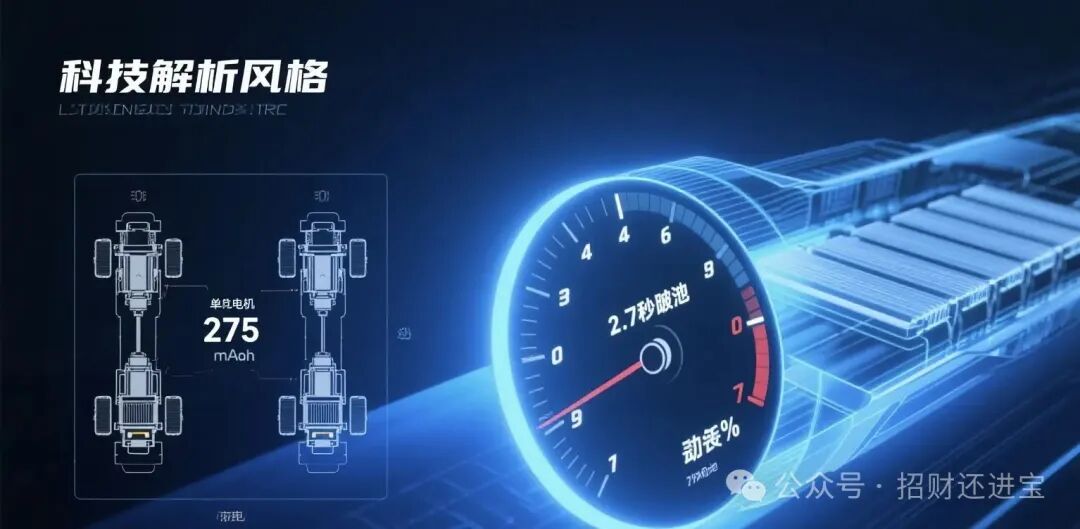 What gives them the confidence to call it a ‘King Bomb’? To be fair, this naming is indeed bold. 1102 horsepower—just think about it. I’ve been driving for 15 years and have seen quite a few supercars, but there are very few that dare to reach this number in a production car. The Tesla Model S Plaid has only 1020 horsepower, and BYD has surpassed that, which is quite impressive. But I can’t help but wonder, how did BYD manage this? Brands like Porsche and Ferrari have been making supercars for decades, and here comes a company that started with batteries suddenly aiming to produce a C-class luxury car. Isn’t that a bit of a leap? However, BYD has indeed been stable in recent years. From the Qin to the Han, from the Dolphin to the Seal, every step has been solid. The sales figures speak for themselves, with tens of thousands sold monthly, they certainly have the confidence.
 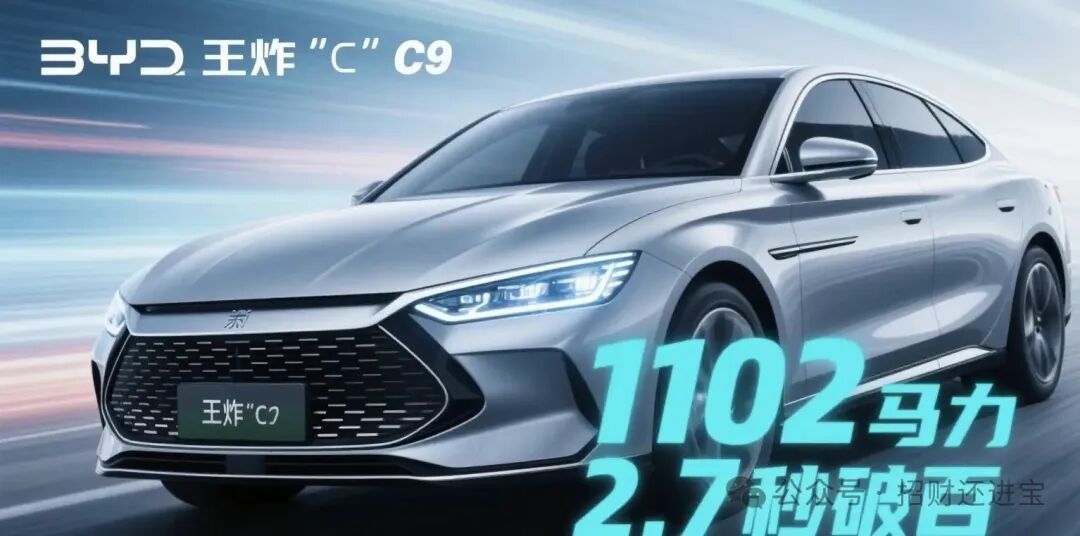 On the technical side, they have indeed brought something substantial. I carefully studied the technical parameters of this car and found that BYD has truly showcased their expertise this time. First, the power system—how does this 1102 horsepower come about? They are using a four-motor layout, with two motors at the front and two at the back. This configuration is clearly not cheap. I calculated that each motor must have around 275 horsepower, which is indeed impressive in terms of power density. As for the 0-100 km/h time of 2.7 seconds, to be honest, this has already entered the supercar club. I remember the Lamborghini Aventador does it in just 2.9 seconds; BYD is really going head-to-head with Italian supercars! I’m genuinely amused. The battery technology is another strong point for BYD. The safety and energy density of their blade batteries are quite good, but to support an output of 1102 horsepower, I suspect they must have some new technology. Perhaps they have upgraded to a new generation of lithium iron phosphate, or they might have switched to ternary lithium batteries altogether.
  How is the positioning as a C-class car? To be honest, I was initially skeptical about BYD entering the C-class market. Think about it—Mercedes S-Class, BMW 7 Series, Audi A8—these are flagship models from luxury brands with a century of history. What gives a new player like BYD the right to compete directly with them? But upon reflection, the demands of Chinese consumers are indeed changing. The younger generation is becoming less superstitious about traditional luxury brands; they care more about performance, technology, and cost-effectiveness. The fact that Tesla has established a foothold in the luxury car market illustrates this trend. BYD’s strategy this time is quite clever; they are not relying on brand premium but rather on hard power. 1102 horsepower—that’s hard power; 2.7 seconds to 100 km/h—that’s also hard power. Consumers are buying performance, not sentiment.
 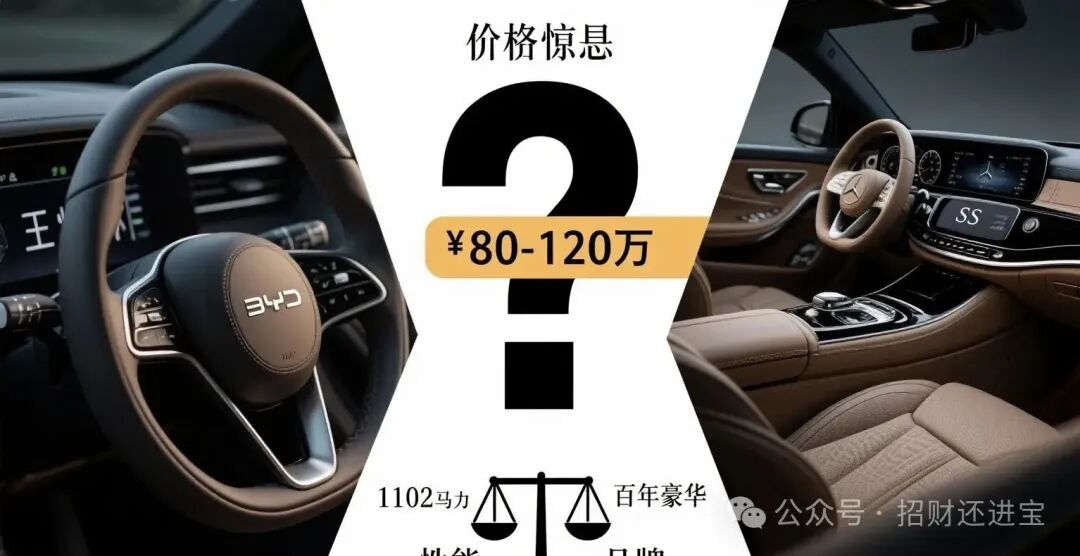 Price will be key. The biggest suspense now is the price. I estimate that BYD will not set it too high, but it also can’t be too cheap. A car with 1102 horsepower will certainly not have a low cost; I predict it might be in the range of 800,000 to 1,200,000 yuan. If it really is in this price range, then it will be interesting. With the same money, would you buy a Mercedes S-Class brand or BYD’s performance? This is indeed a question worth pondering. To be honest, the logic of young people buying cars is quite different from our generation. They are more willing to pay for technology and performance, and their obsession with brands is not as deep. Especially in the new energy sector, everyone is basically a new player, starting from a similar starting line.
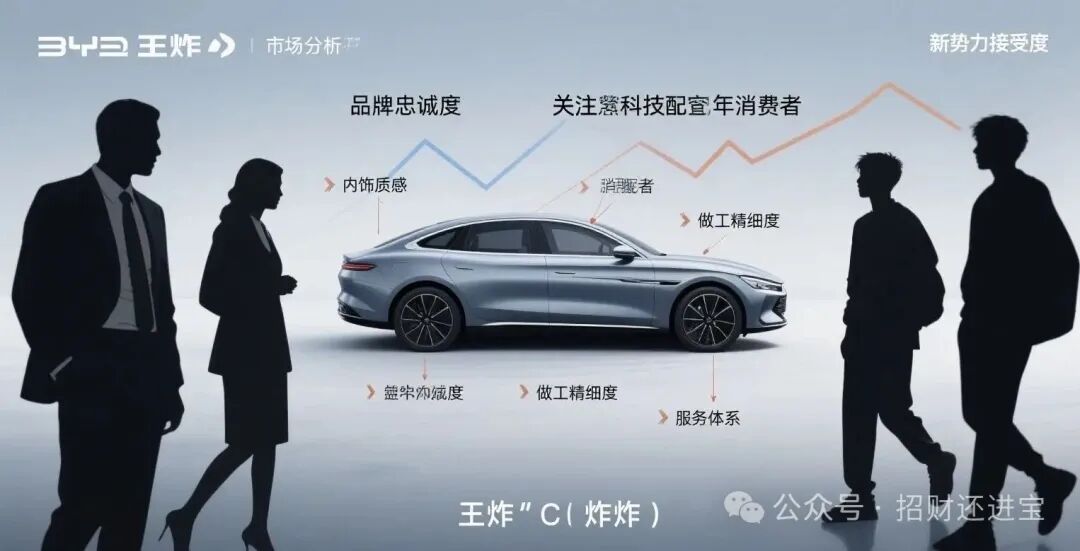
 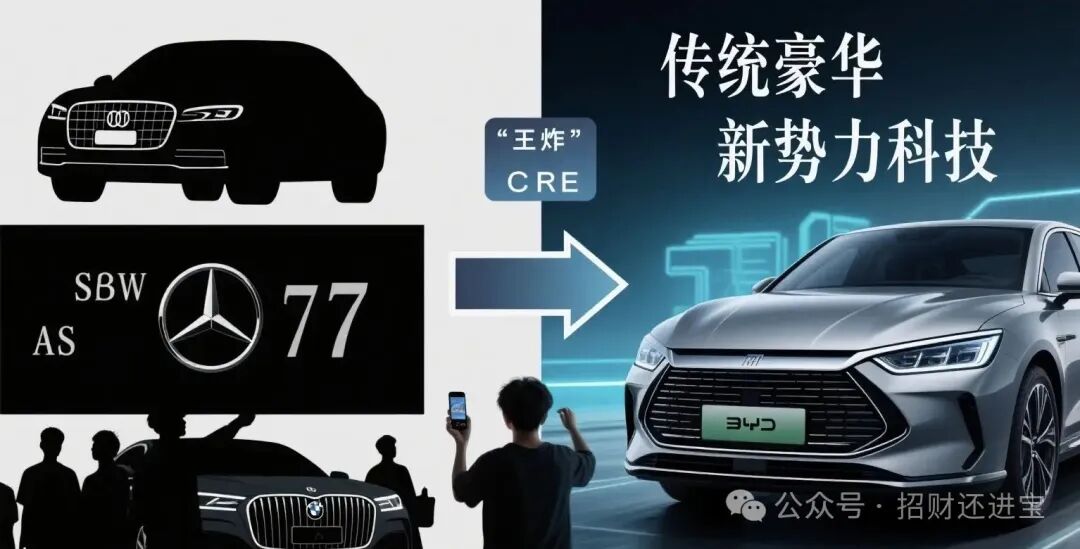 Market acceptance is a concern. Although the performance parameters are impressive, I still have some concerns about market acceptance. Many consumers of C-class cars are relatively conservative. They buy cars not just for transportation but also to showcase their status and taste. For BYD to establish a foothold in this market, having performance alone is not enough; the quality of the interior, the precision of the craftsmanship, and the service system—these soft powers must also keep up. I have driven several BYD models and feel that there is still room for improvement in these areas. Additionally, the user group for C-class cars is relatively fixed, and they tend to have high brand loyalty. To penetrate this market, BYD will need more time and patience.
 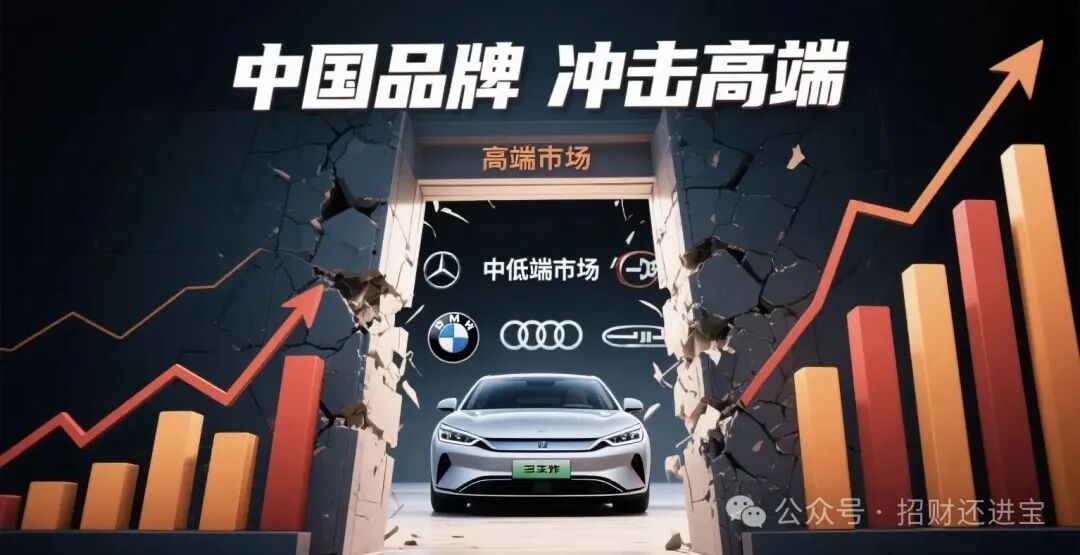 Impact on the industry. Regardless of how well this car sells, BYD’s move is indeed bold. It sends a signal to the entire industry: Chinese brands are no longer satisfied with the mid-to-low-end market and are starting to make a push into the high-end. This is good news for consumers; the more intense the competition, the more choices we have, and the more reasonable the prices will be. Traditional luxury brands must also accelerate their innovation, or they will truly be surpassed by newcomers. I believe the significance of this car may not lie in how many units it can sell, but in representing a new height for the Chinese automotive industry. From technological accumulation to manufacturing capabilities, from brand building to market strategies, this is a reflection of comprehensive strength.
 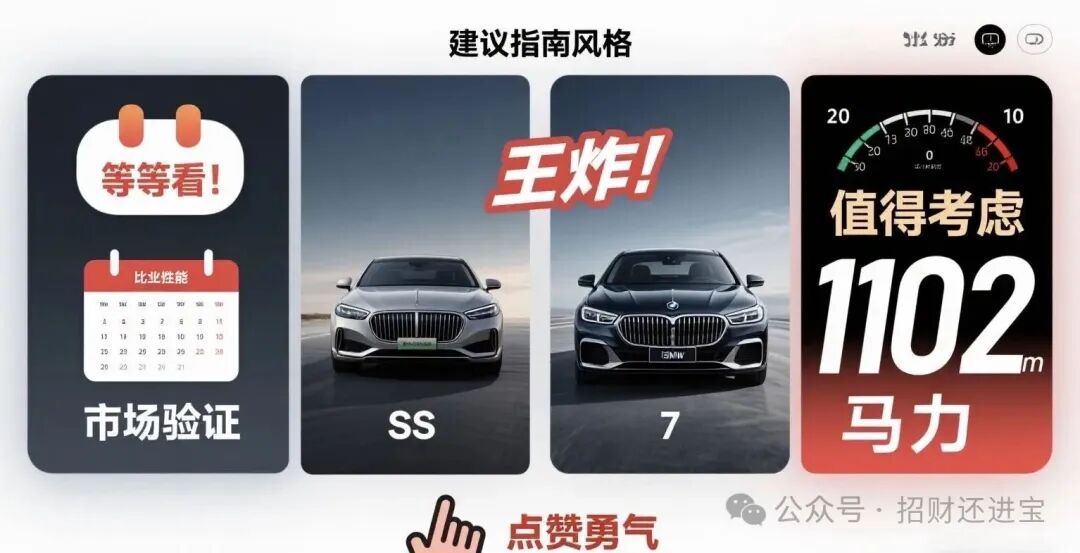 Should you buy it? If you ask me whether to buy it, my suggestion is: wait and see. This car will definitely not be cheap, and being a new product, its reliability still needs to be validated by the market. There are many choices in the C-class car segment, with established products from Mercedes, BMW, and Audi; why be among the first to be a ‘guinea pig’? But if you are looking for an extreme performance experience and do not have a particular attachment to a brand, then this car is indeed worth considering. After all, 1102 horsepower and 2.7 seconds to 100 km/h—this performance is hard to find in the same price range. Lastly, regardless of whether this car succeeds or not, I applaud BYD’s courage. Daring to challenge the impossible is the beginning of progress. The Chinese automotive industry needs such companies, and consumers need such choices. That’s all I have to say. Whether this car is good or not will ultimately be determined by the market. Let’s wait and see! Personal opinion, for reference only.