IoT Think Tank Original
As the global industries accelerate their smart transformation, wireless connectivity technologies are undergoing a profound intelligent revolution. The deep integration of artificial intelligence technologies with various connectivity technologies not only enhances the efficiency of device interconnectivity but also gives rise to entirely new application scenarios and functionalities.
Among various wireless connectivity technologies, Bluetooth is undoubtedly one of the most representative. As a short-range wireless connectivity technology that has been in use for many years, its influence continues to expand through ongoing updates and iterations. Today, we can see its application in various smart devices, wireless audio, connected cars, and industrial IoT scenarios.
In the smart era, how the next generation of wireless connectivity technologies matches various innovative functionalities and smart terminal applications has become a hot topic of discussion. Meanwhile, Bluetooth is redefining the boundaries of wireless connectivity through a dual-driven approach of technological architecture upgrades and AI functionality integration. From consumer electronics to industrial IoT, from low-power designs to smart interactions, the revolution of Bluetooth technology not only accelerates the intelligent transformation of devices but also spawns emerging industry innovations.
Recently, the Bluetooth Asia 2025 conference was grandly opened at the Shenzhen Convention and Exhibition Center. During the conference, many industry leaders deeply analyzed and defined the cutting-edge technologies and applications of the next generation of wireless connectivity, focusing on the breakthroughs of Bluetooth technology in artificial intelligence, healthcare, smart industry, smart home, smart lighting, asset tracking, digital keys, and electronic shelf labels (ESL), while interpreting the latest development trends in the Chinese and Asian markets. As the “cornerstone” of the wireless connectivity field, Bluetooth technology is radiating new vitality in the wave of intelligence.
Technological Innovations Drive Bluetooth to Expand Wireless Connectivity Boundaries
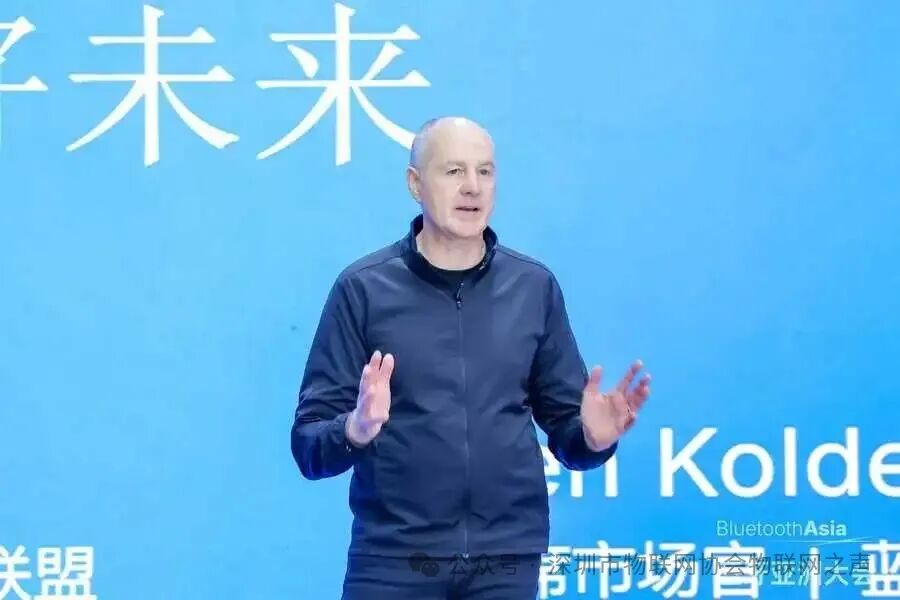
During the opening speech of the Bluetooth Asia 2025 conference, Neville Meijers, CEO of the Bluetooth Special Interest Group, emphasized the organization’s firm support for the vigorous development of the Chinese innovation ecosystem. A new Chinese member group will be established to promote in-depth collaboration among Chinese member companies and accelerate the implementation of Bluetooth technology in key industries and application scenarios. He stated, “Bluetooth is not just a technology; it is a global community with a common goal of meeting basic connectivity needs.”
The continuous breakthroughs and innovations in Bluetooth technology are expanding its market. The “2025 Bluetooth Market Latest News” was officially released at this conference, highlighting the sustained growth of Bluetooth technology. It is expected that global Bluetooth device shipments will exceed 5.3 billion units by 2025 and reach nearly 8 billion units by 2029.
In addition, the Bluetooth technology roadmap outlines the latest technologies, including Bluetooth channel sounding that brings precise ranging capabilities for digital keys and the “Find My” network, as well as high data throughput (HDT) technologies. These technological innovations are driving a new wave of wireless innovation.
At the technical sub-forum, Silicon Labs shared significant advancements in channel sounding technology. Bluetooth channel sounding is a new feature in the Bluetooth Core Specification version 6.0, which enables secure and precise distance measurement between two low-energy Bluetooth connected devices using phase ranging, allowing many Bluetooth devices to possess true distance perception capabilities. Bluetooth channel sounding can be used in various electronic device positioning and tracking applications for home and life, as well as in industrial and commercial applications such as geofencing, keyless vehicle entry, and access control, opening up more Bluetooth application scenarios for exploration.
HDT technology is also a key development direction for the Bluetooth Special Interest Group, created to meet the demand for higher data throughput in devices. The Bluetooth Special Interest Group hopes it will bring significant performance improvements to audio devices. During the conference, Bluetooth Special Interest Group engineers and Savitech Corp provided detailed explanations of HDT technology and the development of high-definition Bluetooth audio, while the Bluetooth Special Interest Group and Samsung Electronics publicly demonstrated HDT technology for the first time at the Bluetooth Special Interest Group booth, showcasing its application potential in lossless audio, ultra-sensitive gaming peripherals, and low-latency HID devices.
How to reduce power consumption while ensuring high data transmission rates, and how to improve the chip’s anti-interference capabilities are challenges that have previously plagued HDT technology. Many manufacturers presented their progress and solutions at the conference. HDT technology will undoubtedly provide strong competitiveness for wireless audio devices, and it is expected to play an important role in the audio streaming field in the foreseeable future.
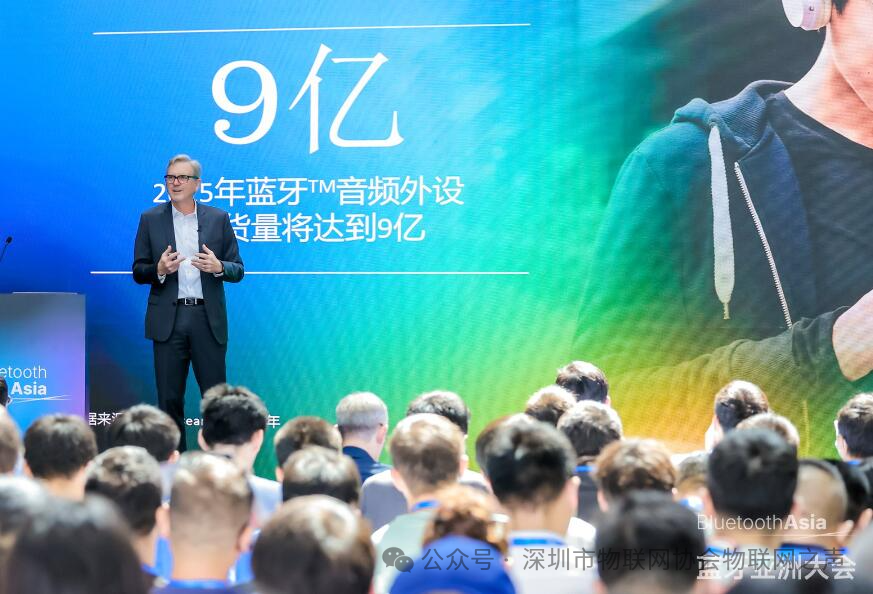
In audio applications, Bluetooth Auracast broadcast audio is also a highly anticipated technology route. Qualcomm shared best practices for developing transmitters, receivers, and broadcast assistants for public spaces using Bluetooth Auracast broadcast audio technology during their presentation. This technology enables convenient multi-device audio sharing, further enhancing the flexibility of Bluetooth audio device usage scenarios.
From an application perspective, Bluetooth digital keys are undoubtedly a highly regarded landing scenario. Several manufacturers showcased Bluetooth centimeter-level precision digital key application solutions during their presentations. As the current mainstream digital key solution, Bluetooth technology previously had the disadvantage of weak positioning. However, the upgrade iteration of Channel Sounding technology has compensated for this positioning accuracy disadvantage, making Bluetooth technology more advantageous in digital key solutions.
The consumer electronics market, closely related to Bluetooth technology, is undergoing a fundamental revolution led by edge AI. The deep empowerment of AI technology on terminal devices and the interconnected evolution of wireless connectivity technologies are jointly driving consumer electronics from “functional interconnectivity” to “intelligent experience.” During the conference forum, many companies shared innovative terminal devices and industry applications based on Bluetooth technology.
Xiaomi shared the application of Bluetooth in smart homes, TaiLing Microelectronics shared innovations in Bluetooth audio devices, and OPPO presented the expansion of Find My applications in smart devices… Additionally, numerous innovative applications in industrial IoT, healthcare, lighting control, artificial intelligence, and asset tracking were showcased at the forum, fully demonstrating the continuous innovation of Bluetooth technology, which is opening up more application scenarios for upstream and downstream manufacturers in the industry chain, continuously expanding the boundaries of wireless connectivity.
New Products Launched, Higher Efficiency Drives the Smart Transformation of Bluetooth Devices
This conference attracted many top global technology providers from various fields, including semiconductors, consumer electronics, automotive, and healthcare. Exhibitors showcased the innovative achievements of the Bluetooth ecosystem through immersive experiences, technical demonstrations, and product launches.
The IoT Think Tank was invited to interview Damien Wong, Nordic’s Sales Director for China, and Ai Minhua, Nordic’s Standards and Ecosystem Director for China, to discuss industry development trends and Nordic’s complete solutions. During the interview, Nordic highlighted its latest ultra-low-power wireless SoC nRF54L15, which features ultra-low-power multi-protocol 2.4 GHz radio and a 128 MHz Arm Cortex-M33 processor, supporting Bluetooth LE, Bluetooth Mesh, Zigbee, Thread, Matter, and proprietary 2.4 GHz protocols. It is equipped with 1.5 MB NVM and 256 KB RAM, designed for demanding applications, and optimized for cost for mass production. The nRF54L series supports channel sounding, a new Bluetooth feature that utilizes various ranging technologies and security measures to achieve secure and precise distance measurement between two devices without increasing product complexity or size.
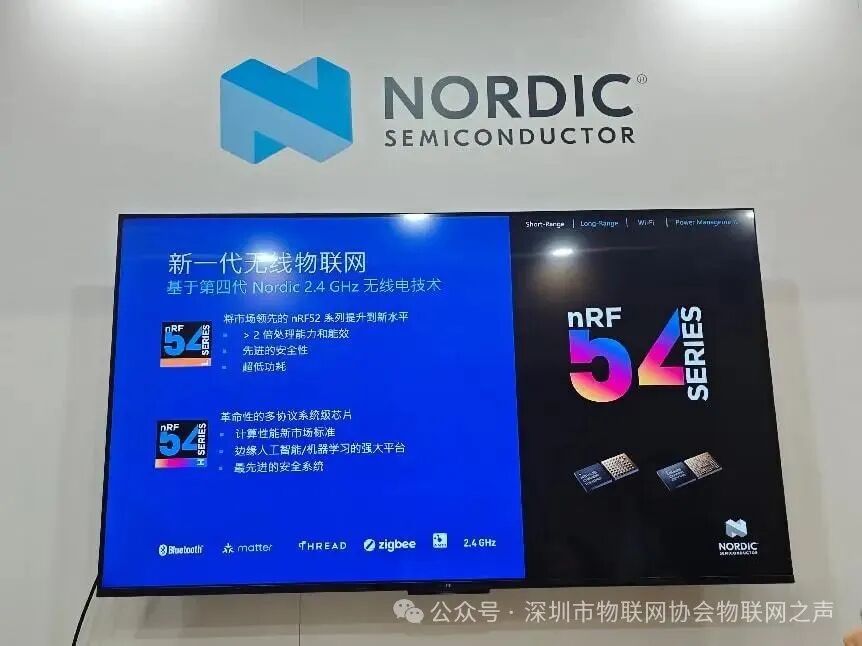
The newly launched nPM2100 was also showcased at the exhibition. As a high-performance PMIC, the nPM2100 features energy-saving and system management functions, effectively bridging the gap between basic voltage regulators commonly used in these applications and complete power management solutions. Nordic also demonstrated Wi-Fi 6 collaborative ICs and long-range wireless chip series. Notably, Nordic also showcased the integration of artificial intelligence and machine learning into resource-constrained wireless IoT chips.
From short-range wireless connectivity to long-range wireless connectivity, from low-power power management to AI technology integration, Nordic is developing in sync with Bluetooth standards, continuously driving innovation in consumer electronics, IoT, healthcare, and industrial sectors.
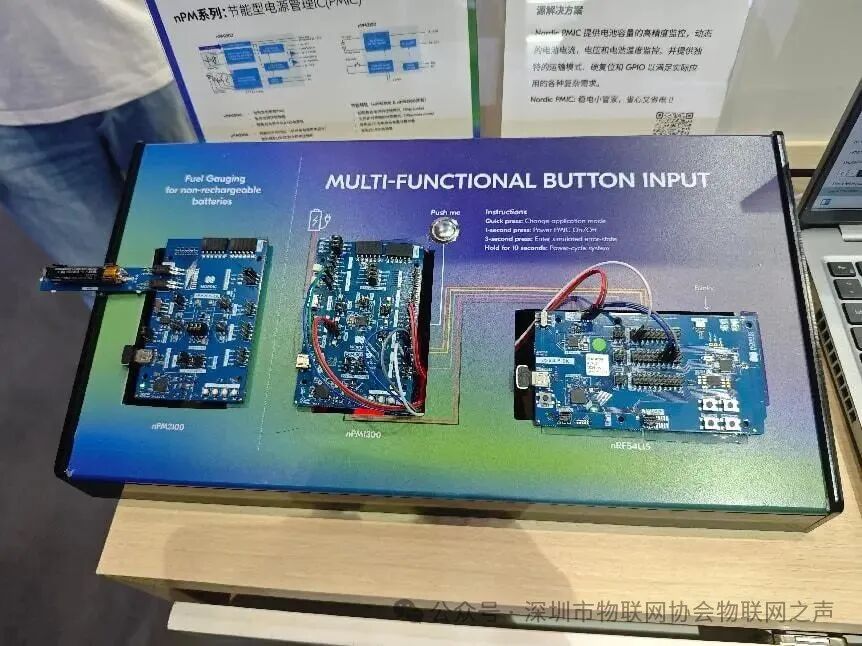
At the TaiLing Microelectronics booth, the most eye-catching was undoubtedly the 1mA-level low-power TL721X system-on-chip and the latest achievements in precise Channel Sounding technology. The TL721X chip is equipped with a 32-bit RISC-V MCU, featuring a high main frequency of 240MHz, combined with an integrated DSP/FPU, establishing a heterogeneous computing architecture that provides comprehensive capability enhancements for audio processing. Additionally, the demonstration of Bluetooth + Edge AI applications reflects TaiLing Microelectronics’ layout in Bluetooth intelligence.
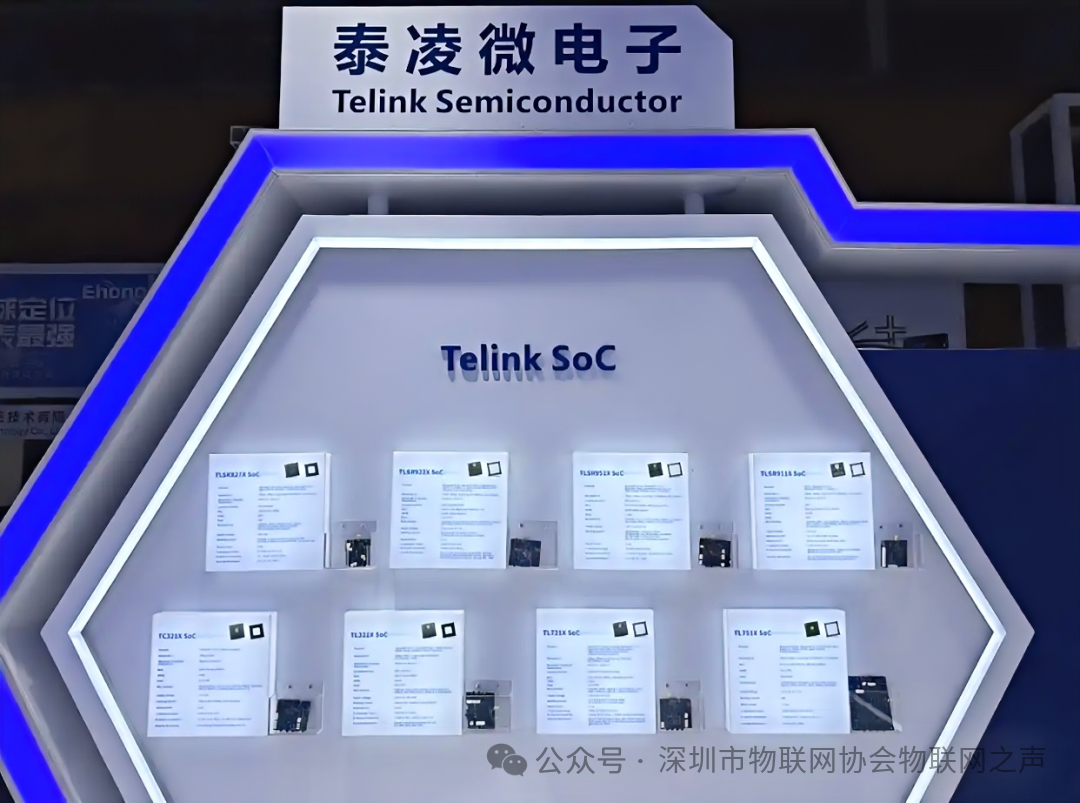
NXP showcased enhanced channel sounding digital car key access and a Bluetooth controller supporting dual Bluetooth audio streams, which are typical examples of Bluetooth technology innovation empowering applications. The enhanced channel sounding digital car key only requires a single Bluetooth connection between the central node and the key, achieving RSSI listening + Channel Sounding fusion positioning through NXP’s patented technology. The single Bluetooth controller supporting dual Bluetooth audio streams also demonstrates the application expansion of Bluetooth technology in the audio direction.
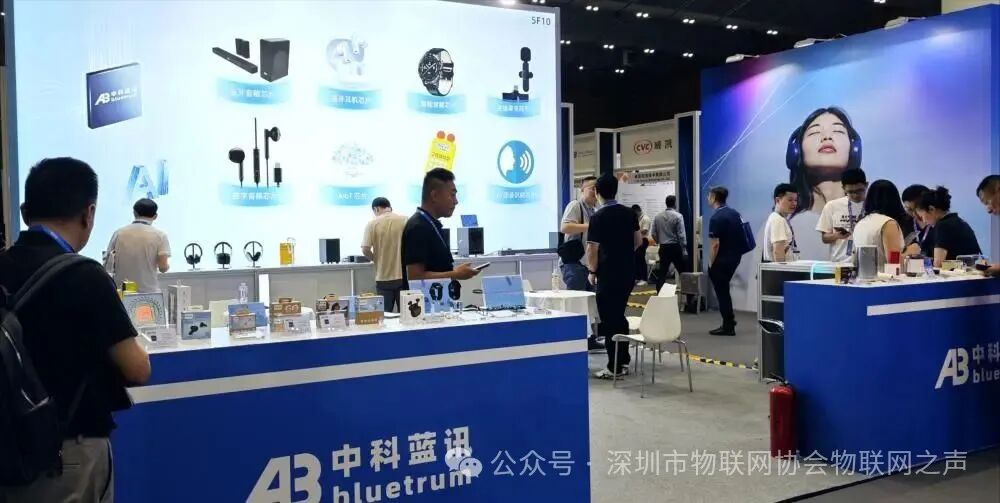
China Science and Technology Blue Communication brought many Bluetooth chips for edge devices to the exhibition, such as Bluetooth speaker chips, Bluetooth headset chips, smart wearable chips, wireless microphone chips, digital audio chips, and toy voice chips. It is understood that its CPU + DSP + NPU multi-core architecture balances high computing power and low power consumption, meeting the needs of Bluetooth edge devices for voice processing and high-speed audio transmission, indicating China Science and Technology Blue Communication’s layout in the AI edge market.
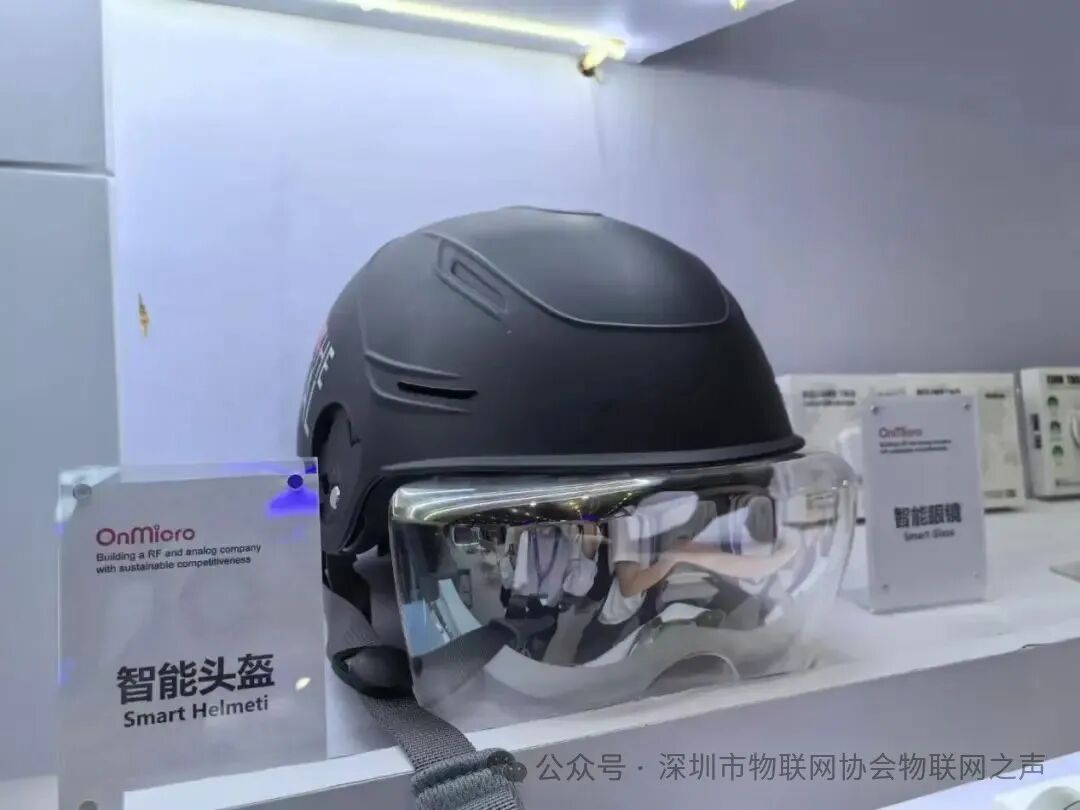
On the Angu Microelectronics booth, the low-power Bluetooth SoC chip OM6626 also showcased various smart terminal application examples, such as smart helmets, smart glasses, and item finders. During the conference, Angu Microelectronics also released the next generation of low-power wireless RF chip series OM6629, which is an iterative new product of the OM6266, with significant improvements in operating frequency, RF performance, sensitivity, and interfaces, expanding its application to more smart terminals.
Conference Summary
At the Bluetooth Asia conference, we witnessed the continuous innovation of Bluetooth technology and the accelerated trend of Bluetooth connectivity moving towards intelligence. Innovative technologies represented by Bluetooth channel sounding with precise ranging capabilities and high data throughput (HDT) technology have compensated for the previous shortcomings of Bluetooth technology. With the support of these new technologies, various smart electronic devices, wireless audio devices, and even connected cars have reconstructed their functionalities based on Bluetooth, bringing a more comprehensive and intelligent connectivity experience. At the same time, in industries such as industrial IoT and healthcare, new technologies have significantly broadened the application scenarios of Bluetooth.
Moreover, with the deep integration of AI technology, Bluetooth technology is evolving from a mere “wireless connectivity tool” to an “intelligent ecosystem connector.” The leap in technical performance brings about innovations in terminal devices and the sinking of segmented application functionalities, which have an immeasurable penetration and collaborative effect on the entire Bluetooth smart device ecosystem. As the connector of the intelligent ecosystem, Bluetooth technology not only achieves seamless connectivity between devices but also constructs a highly coordinated and dynamically responsive intelligent connectivity system through the information processing and distributed decision-making capabilities of integrated AI technology. The revolution of Bluetooth technology is not only an evolution of wireless communication but also an intelligent leap in Bluetooth applications.