Analyzing the Examination Structure Clever Approaches to Problem Solving—Analysis Based onC Section
Private English Excellent Teacher RY
1. Content and Materials Involved in This Design
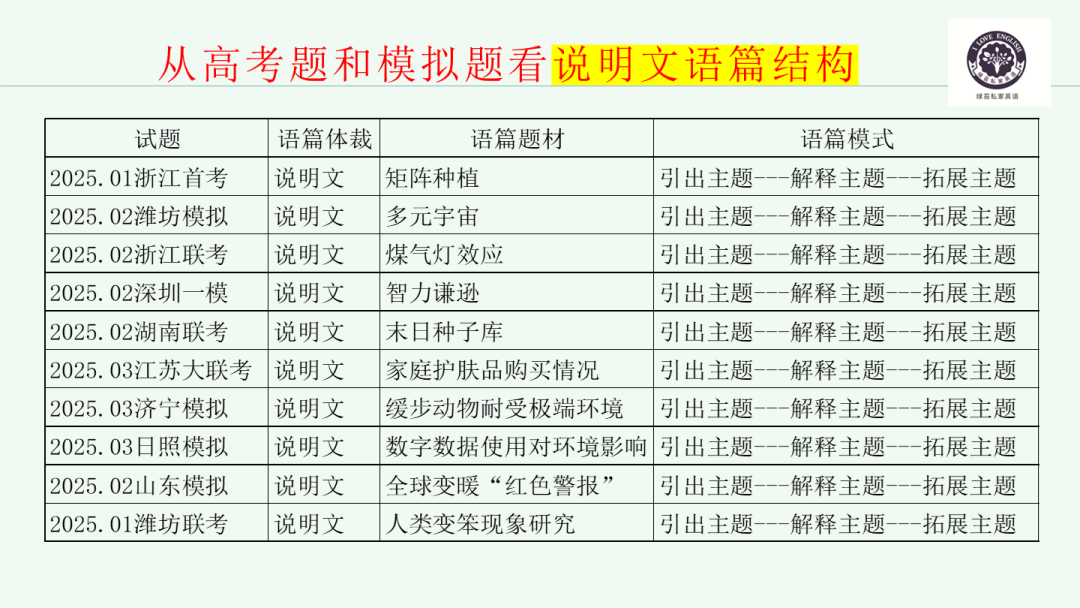
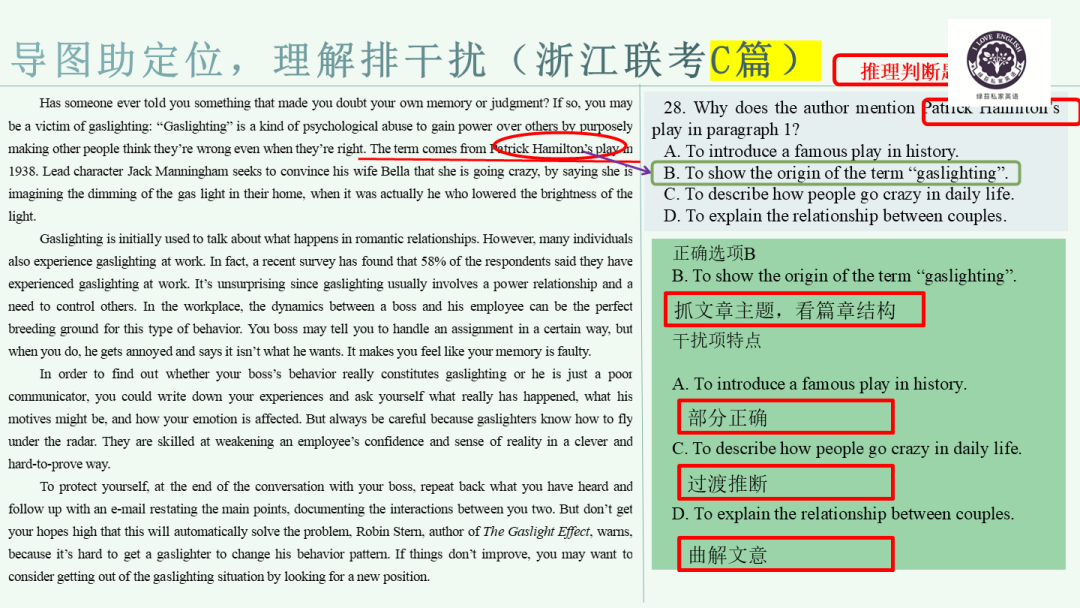
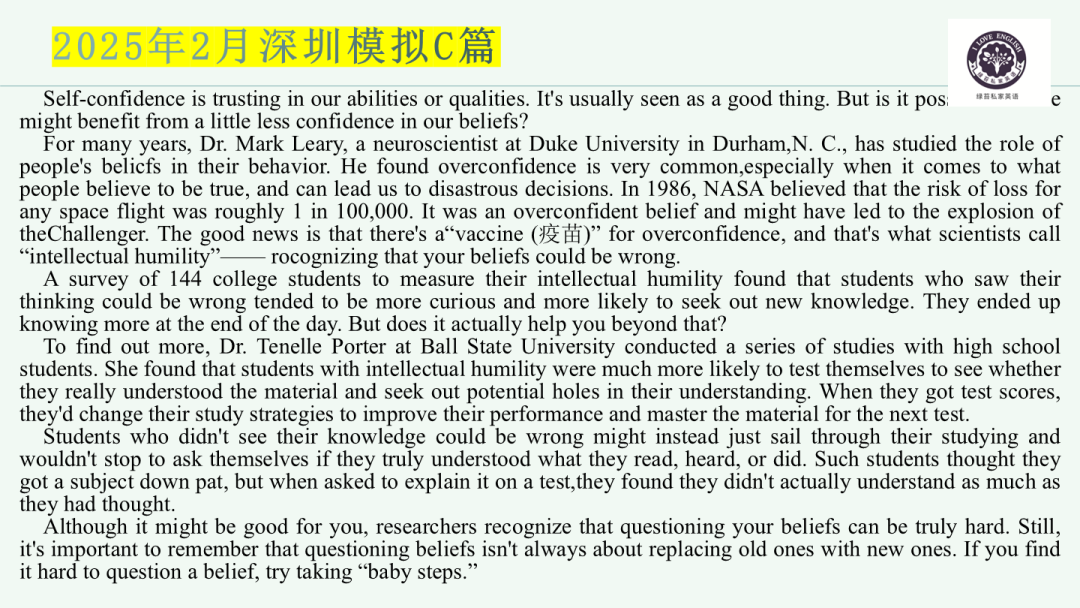
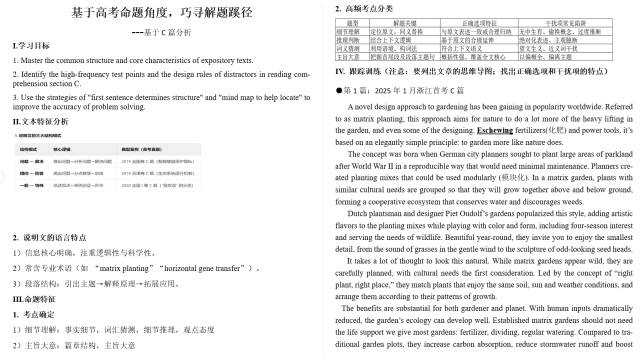
This course design focuses on analyzing the examination structure of the English reading comprehension C section in the college entrance examination and exploring corresponding problem-solving approaches. The materials involved mainly include various real questions and mock questions from the college entrance examination, specifically the reading comprehension C section texts, which are primarily expository texts covering different themes such as the operational mechanisms of ecosystems, reasons for species distribution differences, introduction to matrix planting, the phenomenon of gaslighting, confidence and intellectual humility, doomsday seed banks, appearance anxiety of Generation Alpha, radiation resistance of tardigrades, data usage and carbon emissions, and the decline of agricultural biodiversity, among other diverse topics.
2. Problems Addressed
Based on the difficulties students face when dealing with the English reading comprehension C section in the college entrance examination, such as the inability to accurately grasp the discourse structure of expository texts, failure to precisely understand vocabulary and details, and shortcomings in inference and summarization, which lead to losing points due to distractors during answering, this lesson is designed to help students solve these problems.
3. Relationship with the New High School English Curriculum Standards and the College Entrance Examination
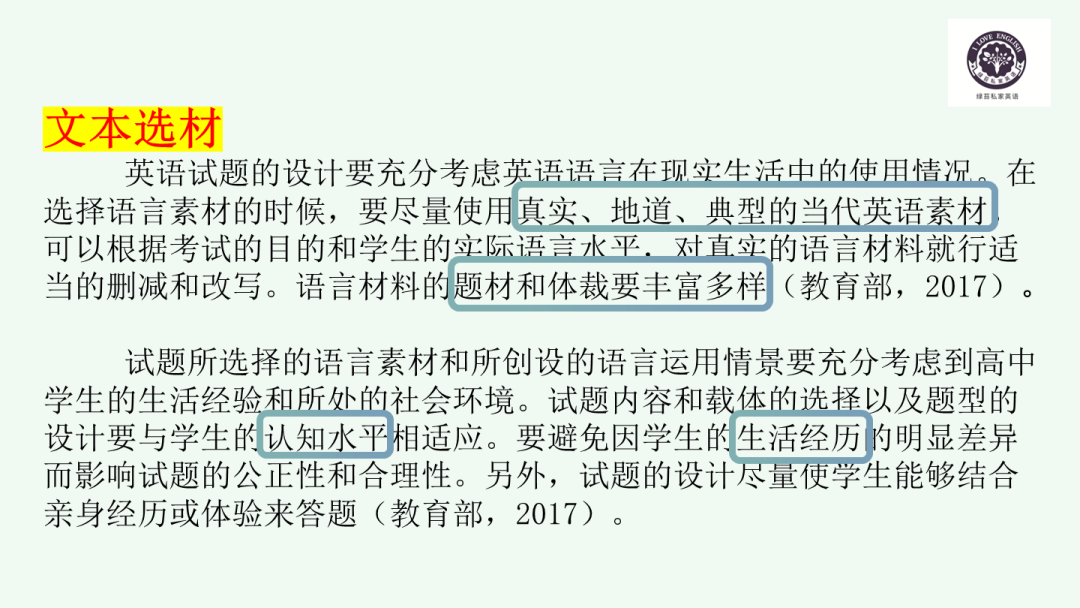
This lesson aligns with the new high school English curriculum standards, which emphasize that English test design should use authentic, idiomatic, and typical contemporary English materials, with a rich variety of topics and genres, while fully considering students’ life experiences and cognitive levels. The reading materials selected for this lesson meet these requirements. Additionally, it is closely linked to the college entrance examination, helping students grasp the rules and characteristics of the examination through in-depth analysis of past real questions and mock questions in the reading comprehension C section, thereby enhancing their examination skills.
4. Design Philosophy of This Lesson
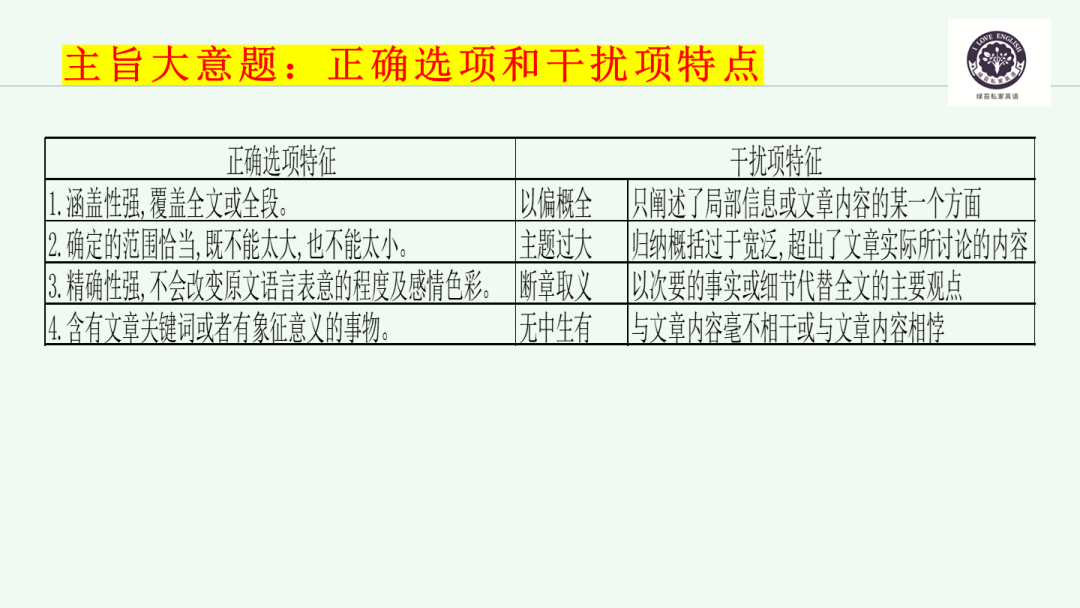
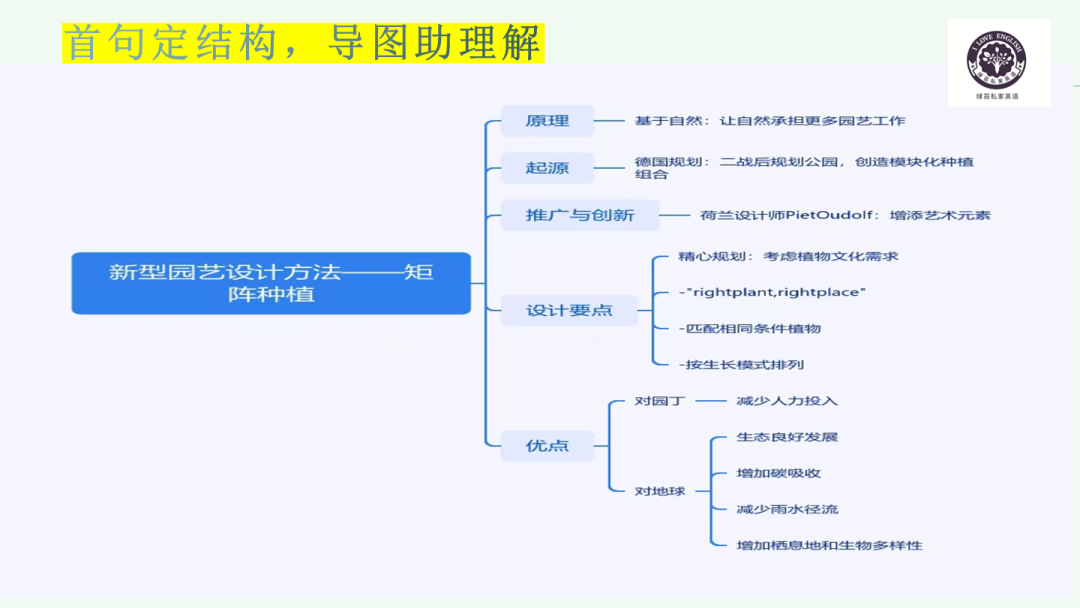
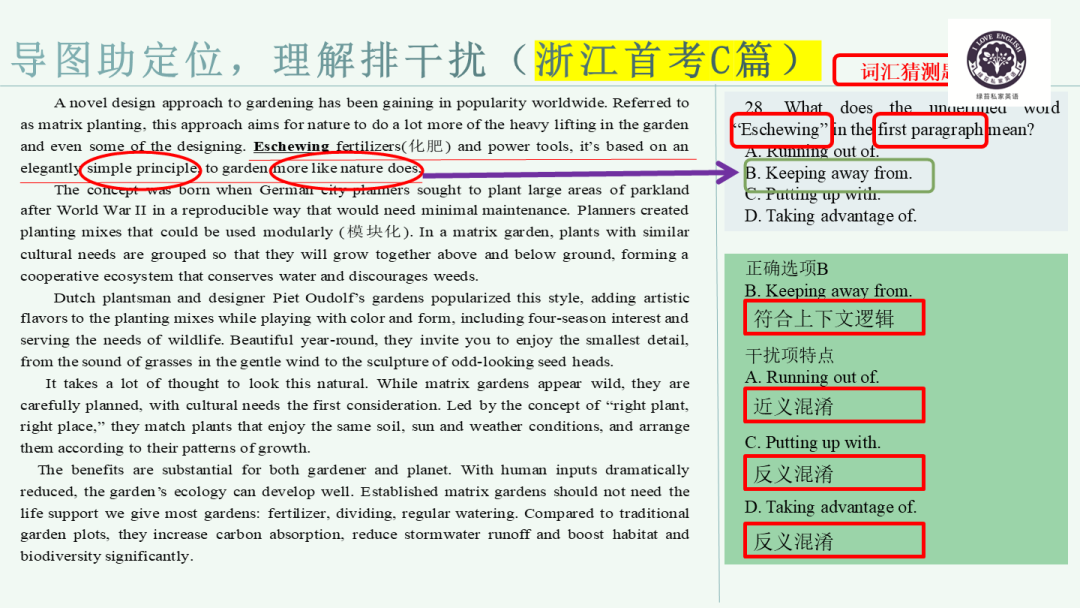
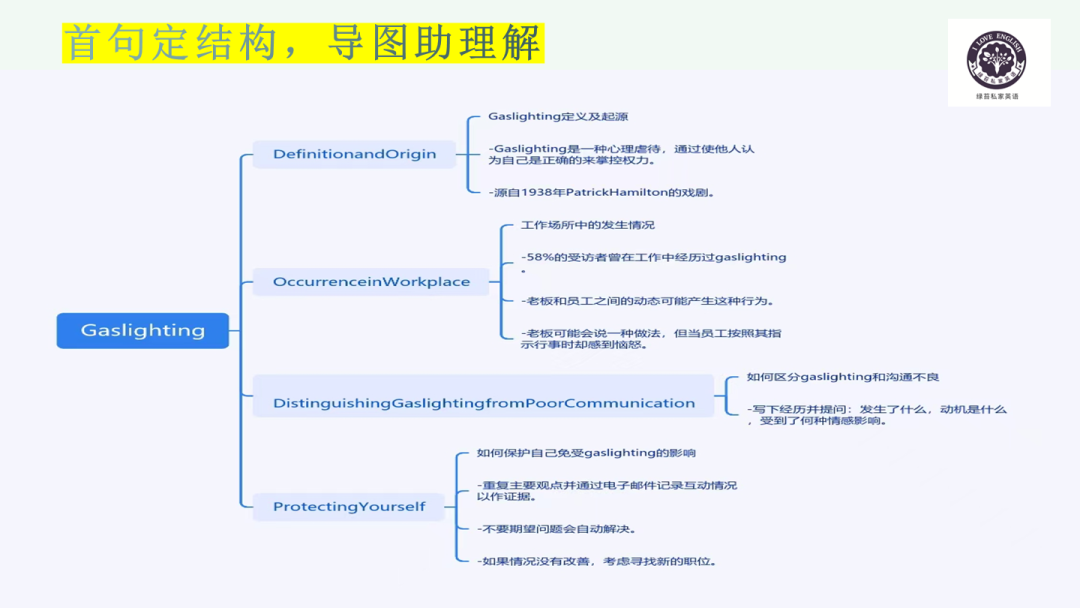
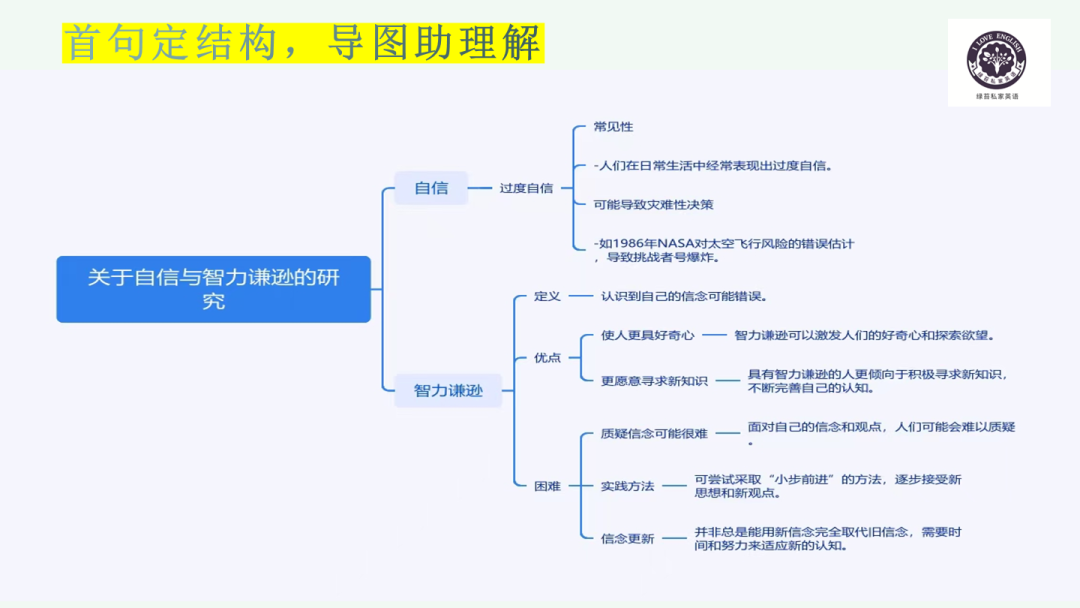
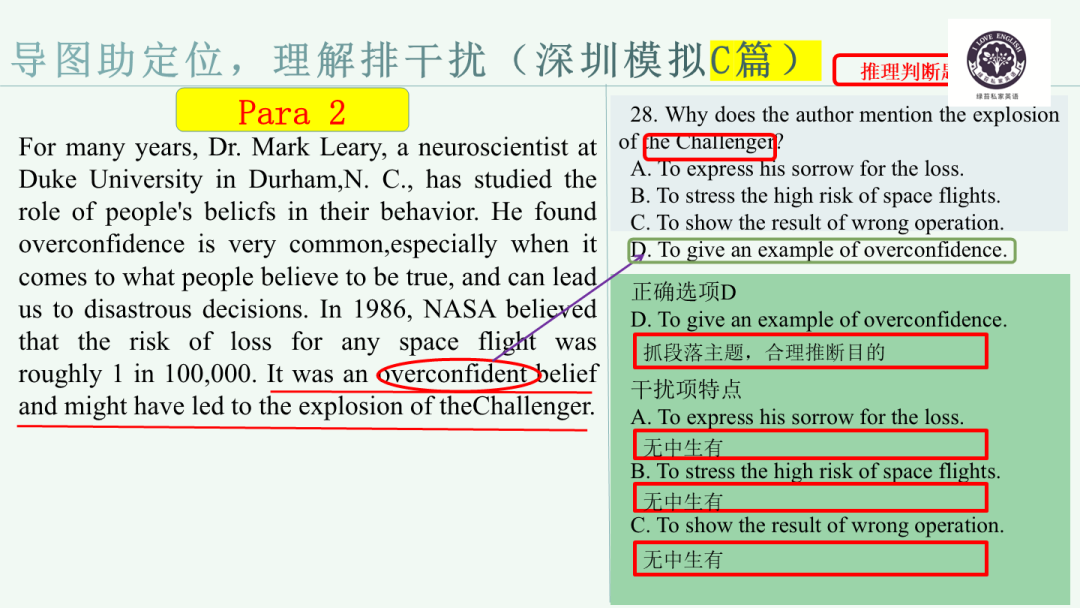
This lesson centers on cultivating students’ English reading thinking abilities and problem-solving skills. By analyzing the examination structure, students will understand the rules and question-setting methods of the college entrance examination reading comprehension C section; by cleverly seeking problem-solving approaches, students will be guided to master effective strategies such as identifying structure from the first sentence, using mind maps to aid understanding, and eliminating distractors, thus improving their reading comprehension abilities and examination performance.
5. Analysis of Common Reasons for Losing Points
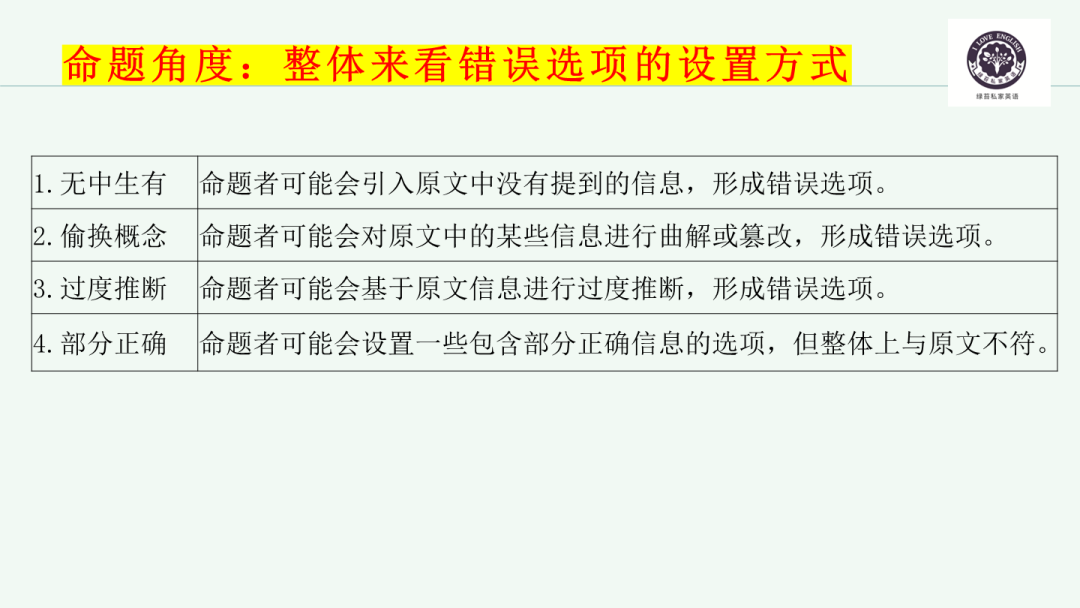
The main reasons students lose points in the college entrance examination English reading comprehension C section are: first, an inaccurate grasp of the discourse structure of expository texts, making it difficult to understand the overall logic of the article; second, insufficient vocabulary or inaccurate understanding of vocabulary, affecting detail comprehension; third, a lack of effective problem-solving skills, leading to confusion when facing distractors and an inability to accurately judge the correct answer; fourth, the need to improve inference and summarization abilities, making it difficult to deeply understand the article’s connotations and core viewpoints.
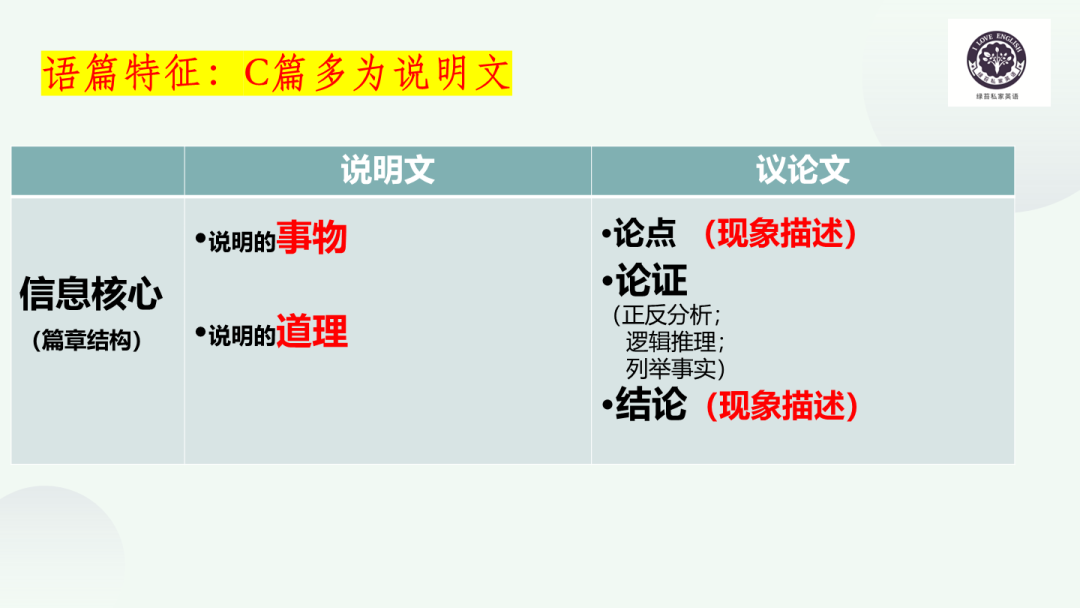
6. Interpretation of Text Characteristics
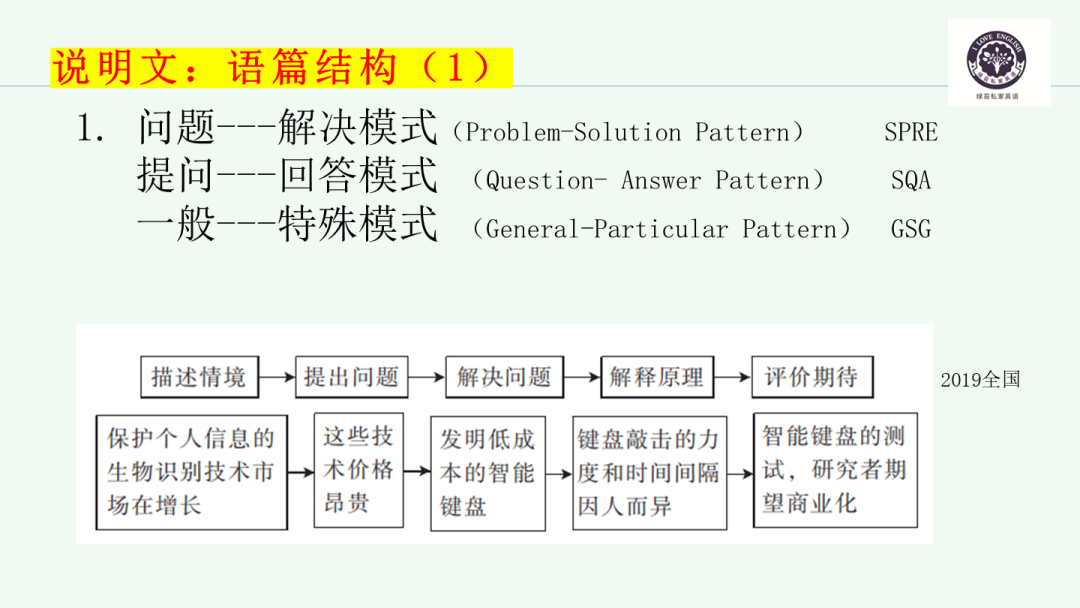
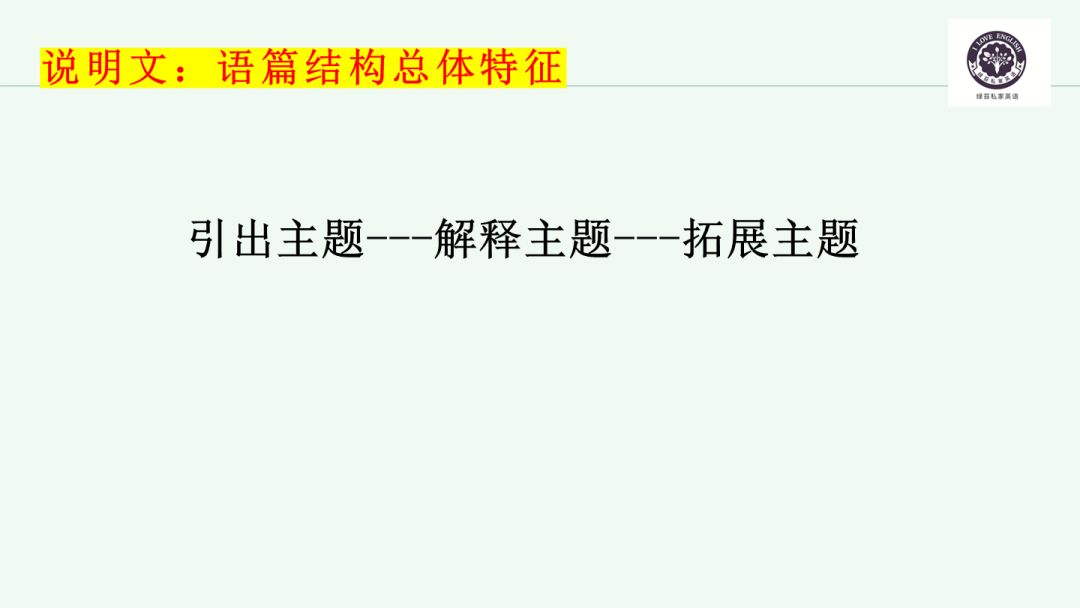
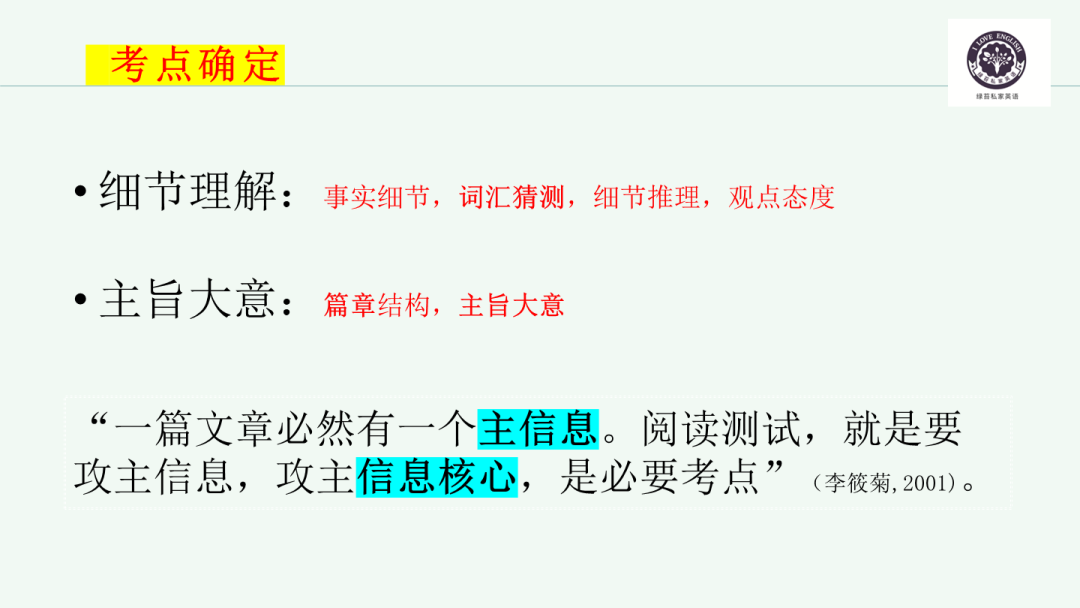
The reading comprehension C section texts involved in this lesson are mostly expository texts, and their discourse structure typically includes three parts: introducing the theme, explaining the theme, and expanding the theme. Common discourse structure patterns include: Problem-Solution Pattern, Question-Answer Pattern, and General-Particular Pattern. The core information of the texts mainly revolves around the characteristics, principles, processes, and impacts of the things being explained.
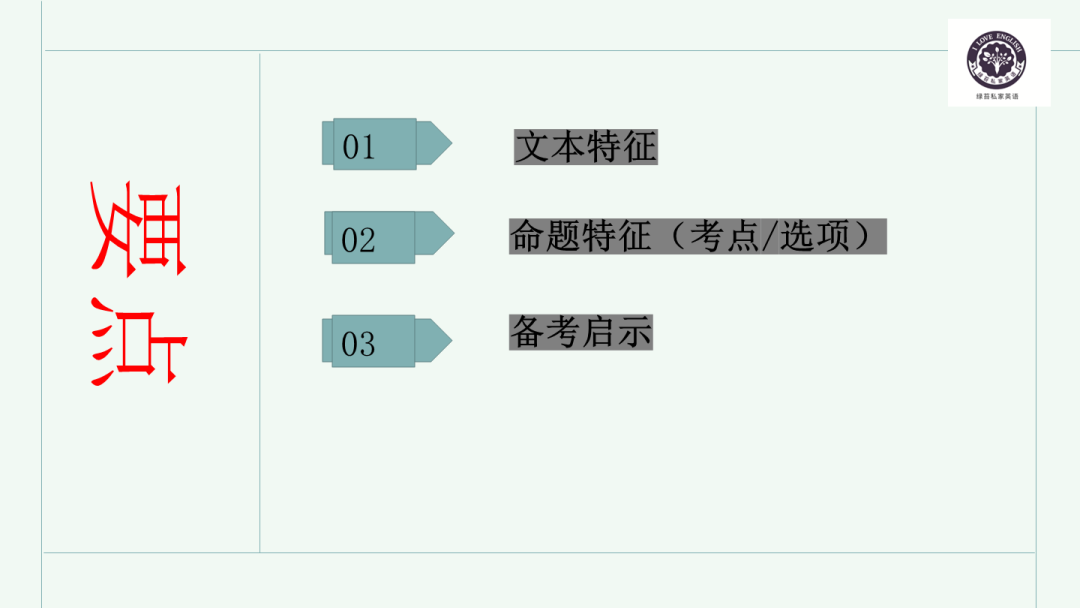
7. Brief Steps of Teaching (and Intentions)
1.Introduction: By introducing the importance and characteristics of the college entrance examination English reading comprehension C section, arouse students’ interest and clarify learning objectives.
2.Text Feature Analysis: Guide students to analyze the discourse structure and core information of expository texts, helping them grasp the characteristics of the texts as a whole.
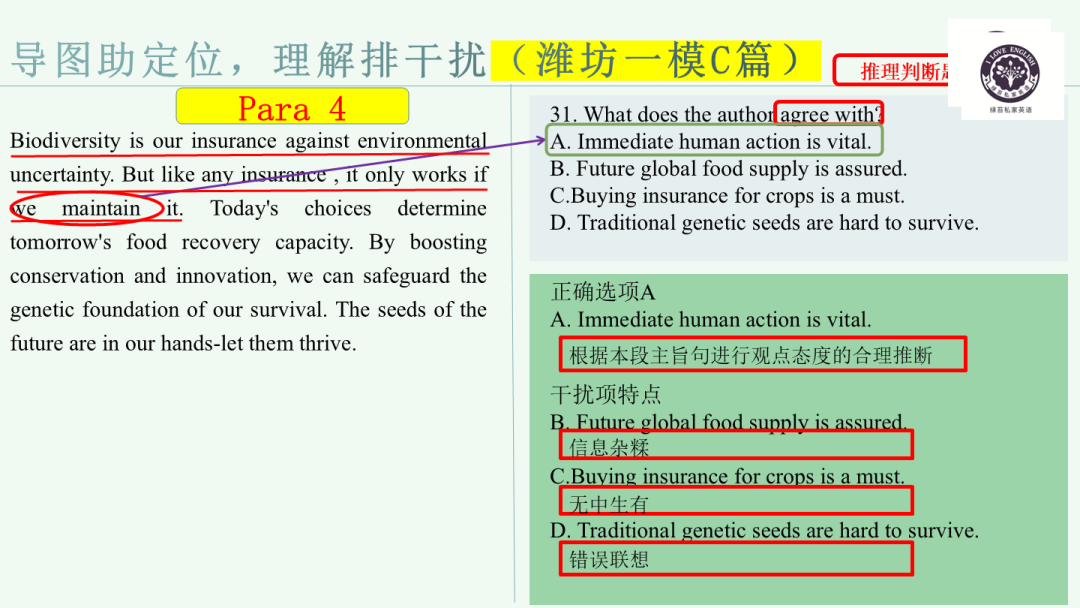
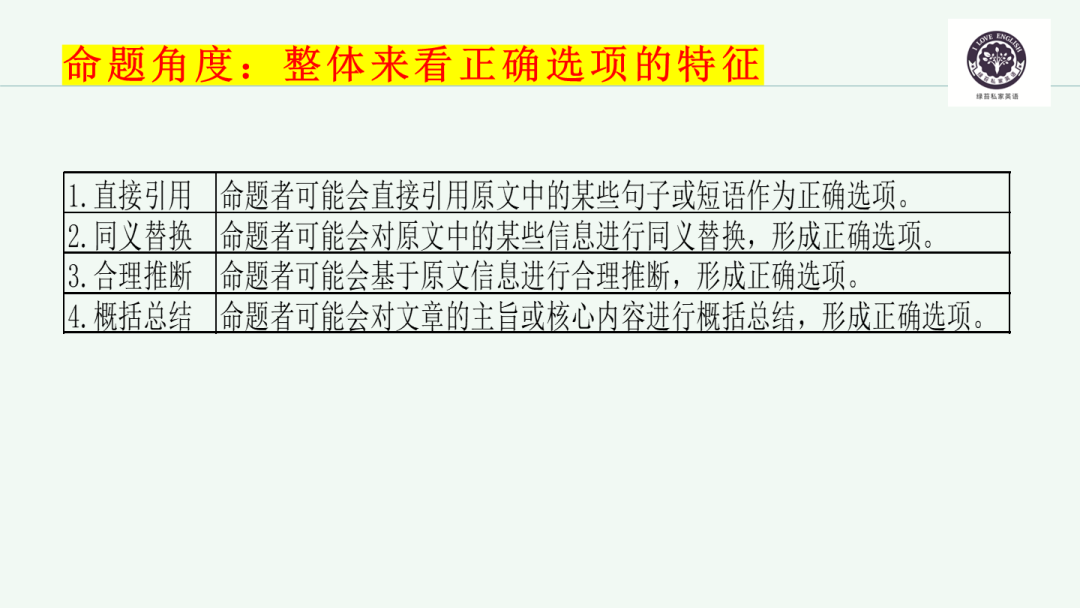
3.Analysis of Question Features: Combine specific real questions to explain in detail the question-setting points and types (detail understanding, inference, vocabulary guessing, main idea summarization) of the college entrance examination reading comprehension C section.
4.Real Question Case Analysis: Select multiple reading comprehension C section texts from real questions and mock questions, allowing students to practice using the skills learned, with the teacher providing feedback and guidance.
5.Summary: Summarize the examination structure and problem-solving skills learned in this lesson to reinforce students’ memory and understanding.
6.Extension: Encourage students to continue researching different types of expository texts in their regular reading practice to continuously improve their reading abilities and examination skills.
8. Highlights of This Lesson
1.Closely linked to real questions and mock questions, with strong relevance and practicality, allowing students to directly engage with authentic exam question types and question-setting styles.
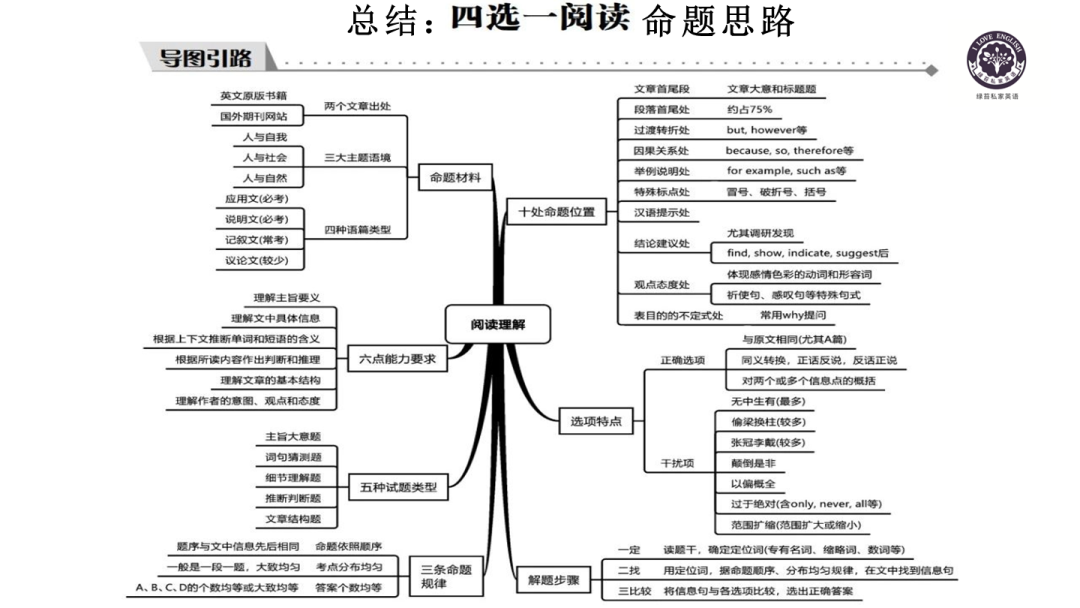
2.Utilizing auxiliary tools such as mind maps to help students organize article structures and problem-solving ideas, making complex issues intuitive and clear.
3.Not only focusing on teaching problem-solving skills but also emphasizing the cultivation of students’ thinking abilities, guiding them to analyze texts deeply and improve logical reasoning and critical thinking skills.
4.Emphasizing interaction and feedback during the teaching process, through case analysis and practical exercises, promptly identifying students’ issues and providing guidance, fully engaging students’ learning enthusiasm.
9. Student Gains
1.Ability to accurately grasp the examination structure and rules of the college entrance examination English reading comprehension C section, clarifying the question points and answering skills of various question types.
2.Improved understanding of the discourse structure of expository texts, enabling quick identification of core information and logical connections in articles.
3.Enhanced abilities in vocabulary understanding, detail comprehension, inference, and summarization, effectively improving the accuracy and speed of reading comprehension.
4.Learned to use tools such as mind maps to assist in problem-solving, cultivating good problem-solving habits and thinking methods, laying a solid foundation for future English learning and examination.
10. Warm Tips for Exam Preparation
1.Vocabulary Accumulation: Continuously expand vocabulary, focusing on accurate understanding and flexible use of vocabulary, especially academic and popular science vocabulary.
2.Analysis of Long and Complex Sentences: Strengthen the ability to analyze and understand long and complex English sentences, mastering sentence structure analysis methods through practice and summarization to improve reading efficiency.
3.Practice More: In regular study, do more real questions and high-quality mock questions, familiarizing oneself with different types of reading comprehension articles and question types, continuously consolidating and improving problem-solving skills.
4.Summarize and Reflect: Regularly summarize and reflect on one’s mistakes, analyze the reasons for errors, identify weak areas, and conduct targeted reinforcement training.
5.Stay Updated: Read more articles from English newspapers, magazines, and websites on popular science and current affairs to broaden knowledge and perspective, improving adaptability to different types of texts.
Take as appropriate, for reference only






Warm Reminder: Exclusive First Release, All Rights Reserved.
Exclusive first release, all rights reserved. If you need to quote, please indicate the source.
We welcome all aspiring individuals to contribute and build a quality communication platform together.
Submission Email: [email protected]
Video and audio can be downloaded here.
This series is forpersonalreference and study only, please do not use it for other purposes.
If you need the complete version, please go to the mini-program (first QR code), search for keywords to download.
Download Courseware


Follow-up Writing Series Books


Your clicks onLooking are the greatest support for our continued sharing!