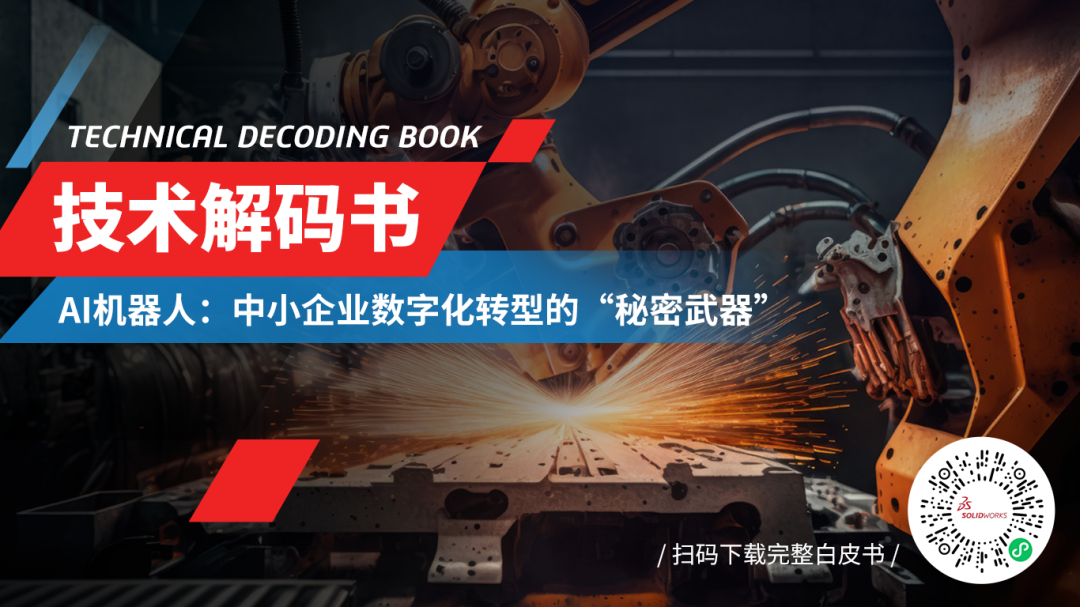

In today’s rapidly evolving manufacturing industry, small and medium-sized enterprises (SMEs) face numerous challenges, including labor shortages, the need for increased production efficiency, and uncertainties in global supply chains. However, with advancements in technology and decreasing costs, robotics technology is becoming a key tool for SMEs to achieve digital transformation and enhance competitiveness.
1
From Hesitation to Innovation
The Key to Breaking the Deadlock for SMEs?
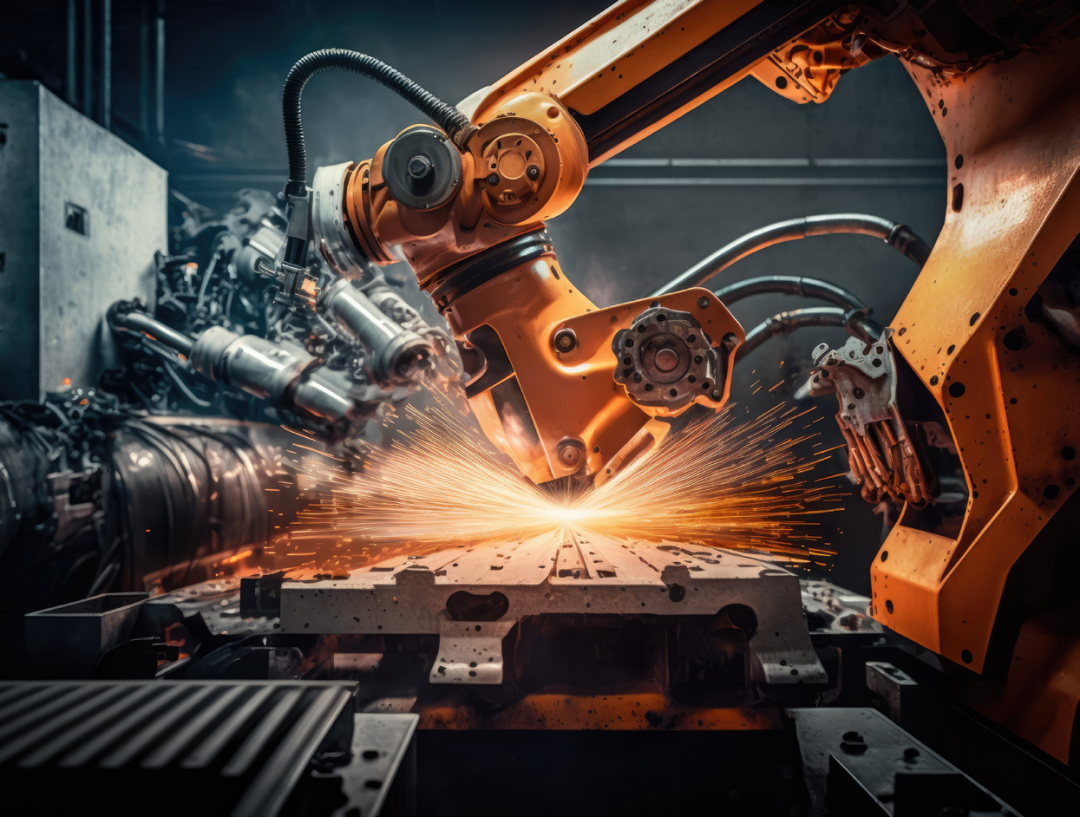
In the past, robotics technology was primarily adopted by large companies such as Amazon, Ford, and Walmart to gain cost and productivity advantages. However, according to a report by The Manufacturer in 2019, only 16% of small and medium-sized manufacturers in the UK had implemented robotics technology at that time, while 71% of companies had no plans or were uncertain about using robots. Major concerns included lack of flexibility, high implementation costs, difficulties in product handling, lack of programming and maintenance skills, and insufficient funding.
But today, this situation is changing rapidly. According to a white paper by ROBO Global, the global robotics market is expected to soar from $65 billion in 2021 to $180 billion by 2027, with a significant portion of this growth coming from SMEs. Technological advancements have made robots more affordable, flexible, and user-friendly, driving the adoption of robotics among SMEs.
2
The Evolution of Automation Technology
Robots Can Also Be “Versatile”
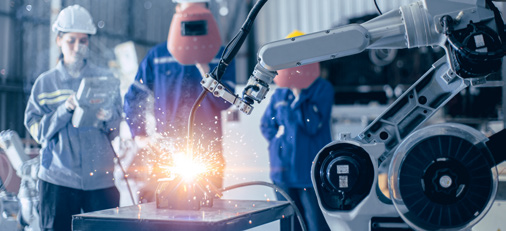
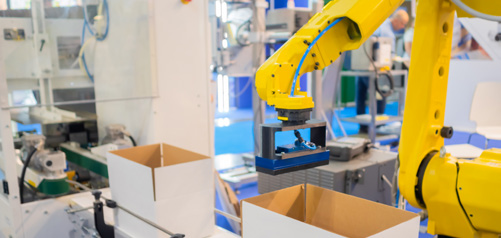
Modern robotic systems and automation solutions have become more versatile, efficiently handling product variations. For example, robotic arms equipped with vision recognition systems can adapt to different product sizes, shapes, and orientations, identifying and locating objects through cameras and sensors, thereby adjusting grip strength and maneuverability. Collaborative robots (Cobots) can work alongside human operators, easily programmed and quickly reconfigured to handle different product lines. Technologies such as modular automation systems, adaptive grippers, end effectors, and flexible conveyor systems provide SMEs with greater flexibility and adaptability.
3
Cost Reduction and Efficiency Improvement
Has Arrived in the Robotics Field
In recent years, the use of robotics technology has become easier and more feasible. Technological advancements, economies of scale, and improvements in integration have driven significant reductions in robot costs. By 2025, the cost of industrial robots is expected to drop below $11,000 per unit, a nearly 60% decrease compared to 20 years ago. The emergence of no-code and low-code programming platforms has simplified robot programming and integration, allowing SMEs to customize robot behaviors without specialized programming skills. Plug-and-play solutions further reduce the complexity and time required for implementation, enabling small manufacturers to quickly deploy robotic systems.
“Robots as a Service” (RaaS): as a flexible and cost-effective solution, is becoming increasingly important. RaaS allows businesses to access robotic capabilities as needed without the burden of long-term ownership or investment in infrastructure. Subscription or pay-per-use models enable manufacturers of all sizes to integrate automation solutions based on demand and scale up or down as needed. This model not only reduces implementation complexity and costs but also allows businesses to access industry expertise and innovative outcomes.
4
Accelerating Evolution
The Boosters Behind It
To encourage SMEs to adopt robotic automation, the U.S. government established the Advanced Robotics for Manufacturing (ARM) Institute, a public-private partnership dedicated to accelerating the application of robotics in manufacturing. The ARM Institute provides funding, expertise, and resources to support robotics technology research and development projects. Additionally, the U.S. government assists SMEs through initiatives such as the Manufacturing USA network, tax incentives, and grants.
The European Union has also taken similar measures, providing funding support, expertise, and testing facilities for SMEs through initiatives like the “Industry 4.0” strategy, Horizon 2020 program, and “European Digital Innovation Hubs.” These initiatives aim to promote innovation, enhance productivity, and create new business opportunities for SMEs in the automation and robotics sectors.
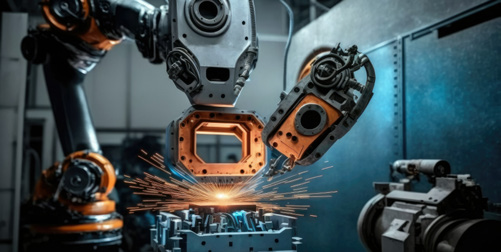
Today, robotics technology has become a key factor for SMEs to achieve digital transformation and enhance competitiveness. By leveraging robotics, manufacturers can improve efficiency while embarking on their digital transformation journey, ensuring competitiveness now and in the future. As technology continues to advance and costs decrease, the adoption of robotics technology will become a fundamental requirement for small and medium-sized manufacturers, solidifying their competitive advantage in the market.

Click below to access the complete white paper

Recommended Reading