How to Generate an EXE File from Python Automation Scripts

How to Generate an EXE File from Python Automation Scripts

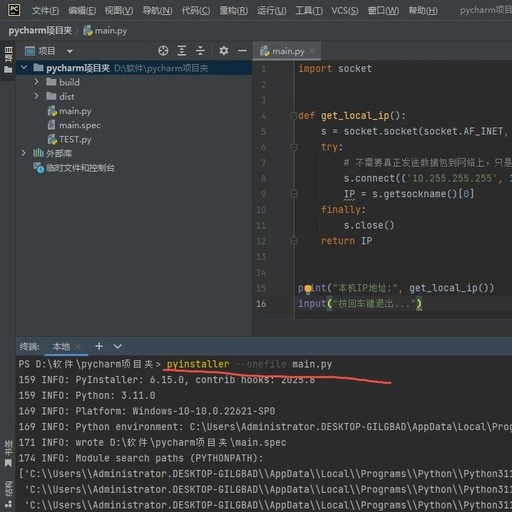
1. IntroductionTo avoid issues during automated execution caused by different Python or library versions, reduce the threshold for testers, protect core business logic and test code, and facilitate the use by testers, generating an .exe executable file can better address these problems.2. How to Use PyInstaller to Generate an .exe File (No Python Environment Required)1. … Read more

Python Tips 01: A Super Practical Guide to Packaging Programs into EXE Files

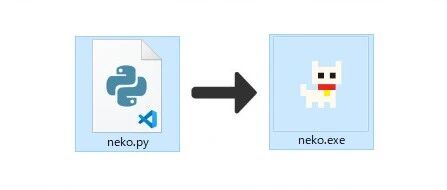
Starting from Anaconda, step by step guide to package your script ๐Ÿš€ In daily development, we often write efficient scripts in Python, such as data processing tools and automation programs. However, if we want to share them with non-programmer friends, they may not have a Python environment installed. In this case, packaging the Python program … Read more

How to Convert Python Code into an .exe File? A Step-by-Step Guide to Packaging into a Small Application!

Hello everyone, I am Puff. Today, we won’t discuss complex algorithms or delve into profound theories; instead, let’s talk about a particularly practical and cool featureโ€”how to package your Python code into an .exe file! Have you ever thought about how your small programs (like a tool for automatically organizing files or calculating grades) can … Read more

Creating an Executable Software with Python: It’s Really Easy with This Library

Creating an Executable Software with Python: It's Really Easy with This Library

Beginners in Python may find developing an executable software quite complex, but it is not. The process of converting <span>.py</span> to <span>.exe</span> files is straightforward. You can even develop a fully functional executable software in a single day using Python, thanks to the dedicated executable packaging library PyInstaller, which can package Python scripts into executable … Read more

Comprehensive Guide to Python Packaging Tools: Detailed Usage of PyInstaller, cx_Freeze, py2exe, and Nuitka

Comprehensive Guide to Python Packaging Tools: Detailed Usage of PyInstaller, cx_Freeze, py2exe, and Nuitka

In Python development, packaging scripts into executable files is a common requirement. Today, let’s delve into several mainstream Python packaging tools, examining their respective advantages and disadvantages, and providing detailed instructions on how to use each tool. PyInstaller Advantages Cross-platform support: Supports Windows, Linux, and macOS, allowing for one-time packaging and running everywhere. Automatic dependency … Read more

How to Convert Python Files to EXE Files

How to Convert Python Files to EXE Files

How to Convert Python Files to EXE Files.https://docs.pingcode.com/baike/1148103 How to Convert Python Files to EXE Files Using PyInstaller, cx_Freeze, and py2exe are the three main methods for converting Python files to EXE files. This article will detail these three methods, with a focus on how to use PyInstaller to convert Python files to EXE files. … Read more

Various Methods to Package Python Files (.py) into Executable Files (.exe)

Various Methods to Package Python Files (.py) into Executable Files (.exe)

Introduction There are various methods to package Python files (.py) into executable files (.exe), each corresponding to different libraries in Python. The four commonly used libraries are: PyInstaller, cx_Freeze, Py2exe, and Nuitka. Each has its own characteristics and limitations, and we can choose the appropriate method based on our needs. 1. Using the PyInstaller Library … Read more

Guide to Packaging Python Code into EXE: Avoiding Pitfalls with PyInstaller

Guide to Packaging Python Code into EXE: Avoiding Pitfalls with PyInstaller

Click the blue text to follow us Hello everyone, I am Cai Ge! Today we will talk about how to package Python code into an EXE file, especially using the <span>pyinstaller</span> tool. Many people may want to package their projects into executable files after learning Python, making it easier to share and use. However, there … Read more

Generating Executable EXE Programs on Windows with Python

Generating Executable EXE Programs on Windows with Python

Introduction A small program was created using Python, intended for use on Windows. This demo documents the implementation process. The library used for packaging is the third-party Python library PyInstaller. Content Overview Packaging with PyInstaller Testing for usability Steps to Operate 1. Packaging with PyInstaller Install the pyinstaller dependency pip install pyinstaller Package a single … Read more

Beginner’s Guide to Packaging Python Programs: A Dual-Platform Guide for Windows/Linux

Beginner's Guide to Packaging Python Programs: A Dual-Platform Guide for Windows/Linux

๐Ÿ“ฆ Beginner’s Guide to Packaging Python Programs: A Dual-Platform Guide for Windows/Linux ๐ŸŒŸ Why Package? โœ… Users do not need to install the Python environment โœ… Protect source code โœ… One-click installation/uninstallation is more convenient ๐Ÿ–ฅ Windows Platform: Packaging EXE Files Recommended Tool: PyInstaller (Five-Star Rated Tool) # One-click installation pip install pyinstaller ๐Ÿš€ 3 … Read more