Understanding Linux I/O Functions: The Relationship Between open/read/write/lseek and fopen/fread/fwrite

Introduction In Linux system development, we often need to perform file operations, such as reading configuration files, saving logs, or recording data. The most common methods fall into two categories: One category is System Call I/O: <span>open()</span>, <span>read()</span>, <span>write()</span>, <span>lseek()</span>, etc. The other category is C Standard Library I/O: <span>fopen()</span>, <span>fread()</span>, <span>fwrite()</span>, <span>fclose()</span>, etc. While … Read more
Implementing a Device Driver in QNX Operating System

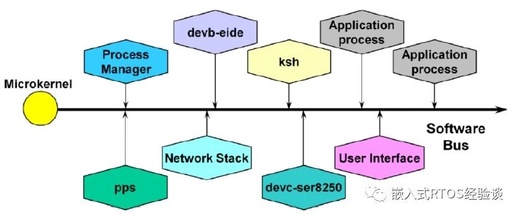
Implementing a Device Driver in QNX Operating System

1 Overview The QNX operating system is an embedded hard real-time operating system launched by QNX, a subsidiary of BlackBerry in Canada, and belongs to the UNIX-like operating systems. The operation method of the Shell command line and the commands are almost the same as those in the Linux system. The QNX operating system follows … Read more

The Four Most Common I/O Functions in Arduino: digitalRead()/Write() and analogRead()/Write()

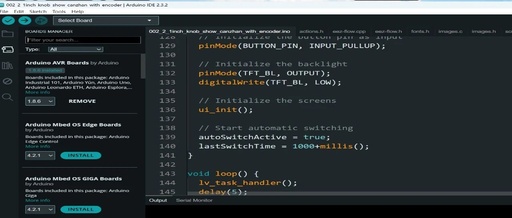
The Four Most Common I/O Functions in Arduino: digitalRead()/Write() and analogRead()/Write()

Arduino is known for its simplicity and ease of use, largely due to the straightforward I/O (Input/Output) functions it provides. This article will delve into the four most commonly used I/O functions in Arduino: digitalRead(), digitalWrite(), analogRead(), and analogWrite(), demonstrating their usage and precautions through specific example code. 1. Digital Read/Write: Mastering the Art of … Read more