In the field of electrical work, the multimeter is undoubtedly one of the most commonly used tools. However, even though many electricians deal with multimeters daily, they may not truly understand some of the special symbols on them. Today, we will unveil the mystery behind the ‘△’ symbol on multimeters. Multimeters are powerful tools, but many electricians are often only familiar with a few commonly used functions, while relatively niche functions are seldom explored. Just like the transistor gain, current range, frequency range, and even high voltage range functions, many times, due to the limitations of the work environment, they may never have the opportunity to use them. The function represented by the ‘△’ symbol is likely known by very few.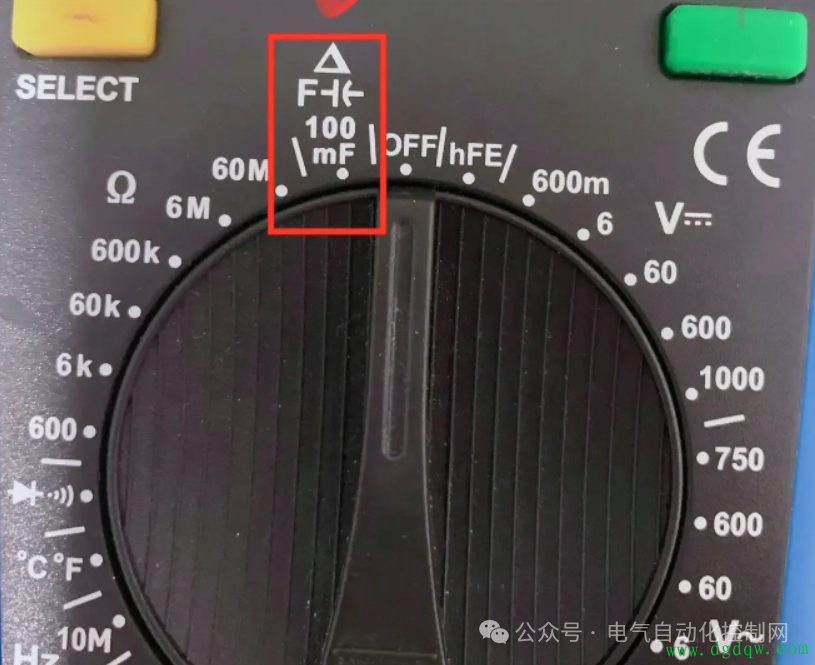 In fact, the ‘△’ symbol has its unique function. In different models of multimeters, it may have slightly different specific meanings, but generally, it is usually related to some special measurement modes or functions. For example, in certain situations, it may indicate a specific range or a switch in measurement methods. When we are conducting some more complex or special electrical measurements, correctly understanding and utilizing the function corresponding to the ‘△’ symbol may make our measurement work more accurate and efficient. The ‘△’ symbol on a multimeter typically indicates the relative measurement mode (REL or Delta mode), which is used to zero the current reading to measure subsequent changes. Some models may also use it as a safety warning sign to remind users of the risks associated with capacitor measurements. For many electricians, deeply understanding every symbol and function on a multimeter is not just about increasing knowledge reserves, but also about being able to solve problems more effectively in practical work. Perhaps in our daily work, we rarely have the opportunity to use the function related to the ‘△’ symbol, but having more understanding gives us more confidence in dealing with various complex situations. The triangle symbol (△ or REL△) displayed on the multimeter screen indicates that it is currently in relative measurement mode (Relative Mode). This function is used to eliminate fixed deviations in measurements, such as testing the resistance of wires or environmental interference. For example: When measuring small resistances, you can first short the probes, and the screen displays “0.5Ω” (basic error). After long-pressing the REL button, the value is zeroed, and subsequent measurements automatically deduct this error. When measuring voltage, if there is a 1mV interference in the environment, enabling REL mode can shield this interference value. Although the ‘△’ symbol on the multimeter may seem inconspicuous, it contains unique significance and value. I hope this article can help more electricians gain a new understanding of this mysterious symbol and better utilize the multimeter in their future work.
(If you have different insights, feel free to share your views in the comments section)You’ve reached the end of the article, don’t forget to click the bottom right toshare Like
Like 👍👇Click to follow and set as a star mark to receive updates immediately.If you find it useful, please give me a follow, thank you!