For traditional luxury brands, there is currently significant pressure, primarily from new energy vehicles. Domestic high-end new energy brands like Li Auto, Wuling, Xiaopeng, and Xiaomi are seeing continuous increases in sales, and many buyers are transitioning from traditional luxury cars. Of course, luxury brands are also making efforts in the new energy sector, such as Volvo, which has several new energy models. Volvo has taken action! The all-new all-electric C-Class car has been unveiled, capable of charging for 10 minutes to drive 300 kilometers, directly competing with domestic brands, namely the Volvo ES90.
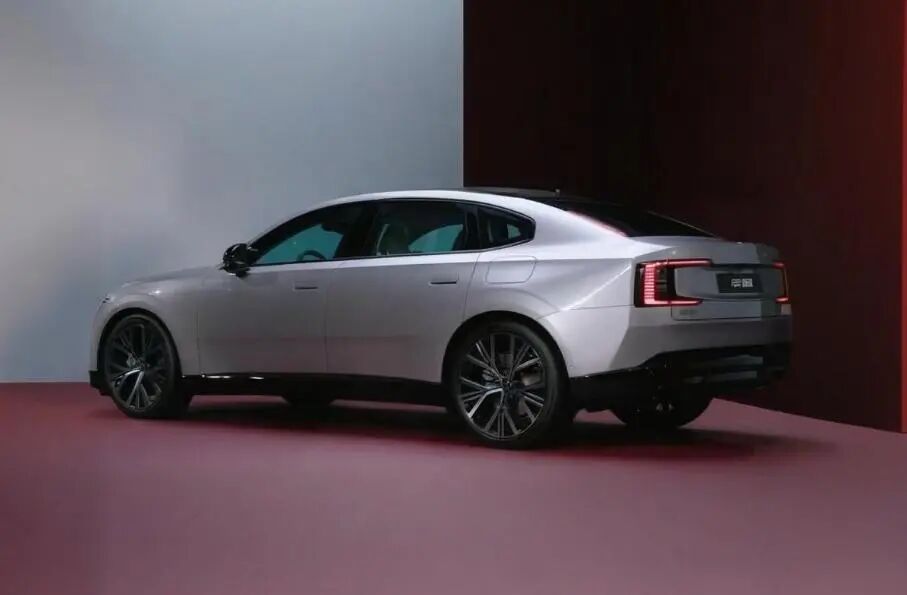
The Volvo ES90 is a pure electric mid-to-large vehicle, competing with models like the Xpeng S9 and BMW i5, making pricing crucial. The new car will be built on an 800V platform, achieving a pure electric range of up to 740 kilometers under CLTC conditions. Firstly, in terms of the power system, the Volvo ES90 uses a dual-motor setup with a battery pack capacity of 106 kWh. Notably, the new car features Volvo’s self-developed battery management technology, allowing for bi-directional charging and fast charging capabilities. The fast charging power can reach 350 kW, enabling an additional 300 kilometers of range in just 10 minutes, and charging from 10% to 80% takes only 20 minutes, showcasing very high energy replenishment efficiency.
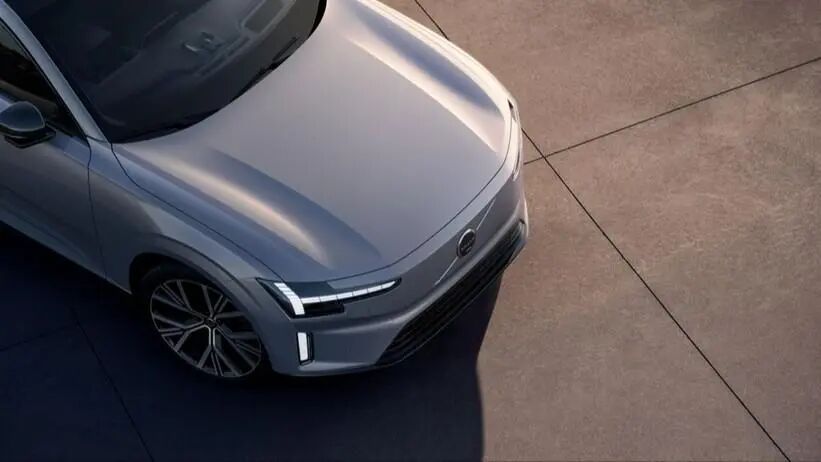
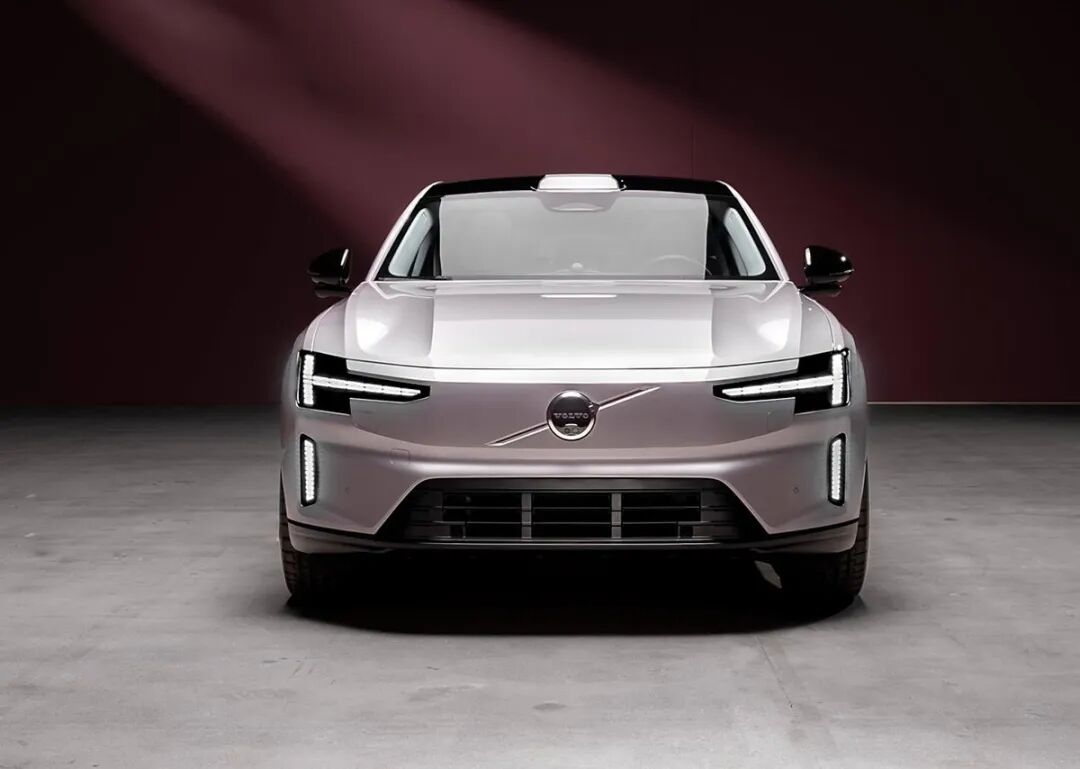
For Volvo’s models, safety is certainly a priority. The Volvo ES90 adopts a cage-like body structure and features the DUS driver perception system to enhance safety as much as possible. In terms of appearance, the new design is significantly different from the fuel version of the S90, representing a true all-electric model. The front features a semi-closed grille, prominently displaying the Volvo logo, with a trapezoidal decoration below that has been treated with a black finish, giving it a high-end feel.
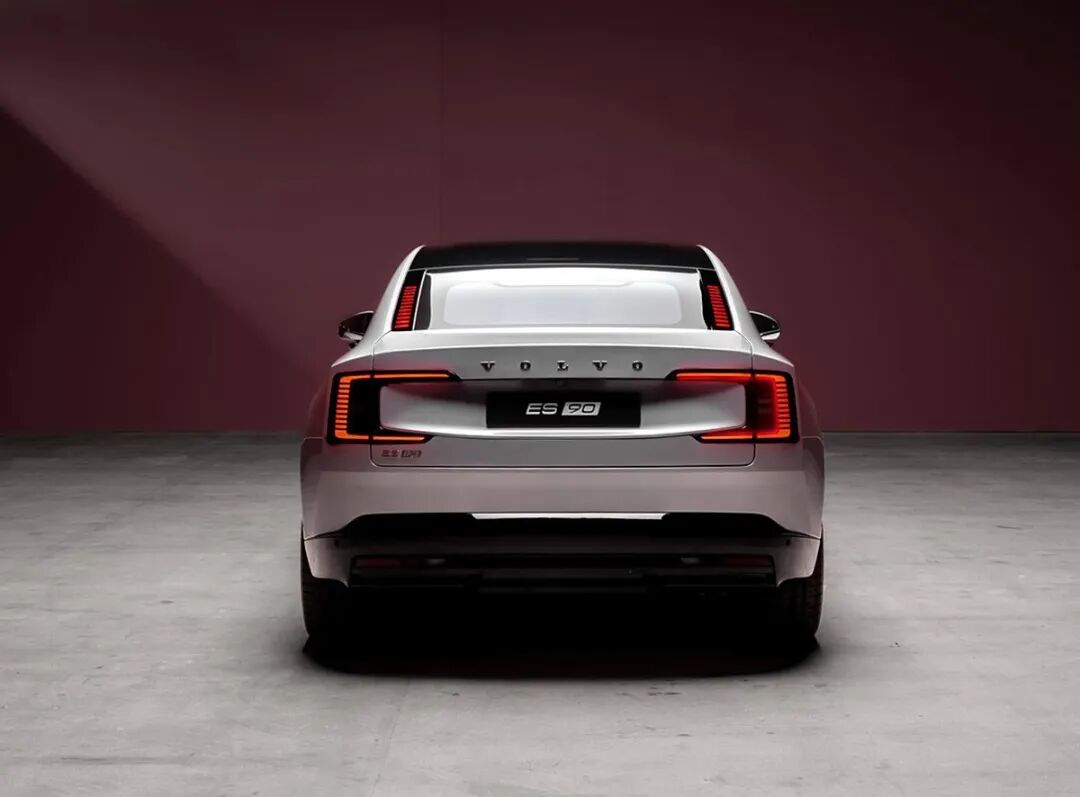
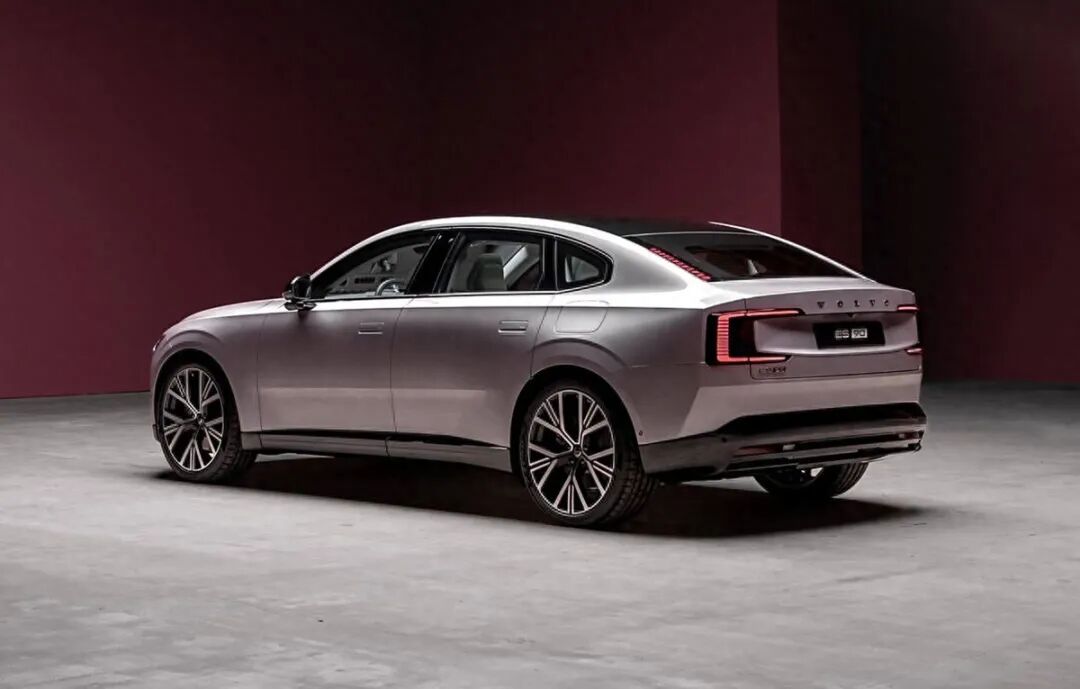
Of course, since it is an all-electric vehicle, it could be designed even more simply; perhaps removing this decorative piece could enhance its aesthetic appeal. The side profile is full and robust, rivaling some coupe SUVs, complemented by a hatchback-style rear and dynamic waistline, contributing to a sporty feel. Additionally, the Volvo ES90 features the currently popular semi-hidden door handles, and the wheel size is relatively large. As for the rear, the dual C-shaped taillights are a highlight, with exquisite internal light sources that exude a sense of technology, and the “VOLVO” lettering in the center.
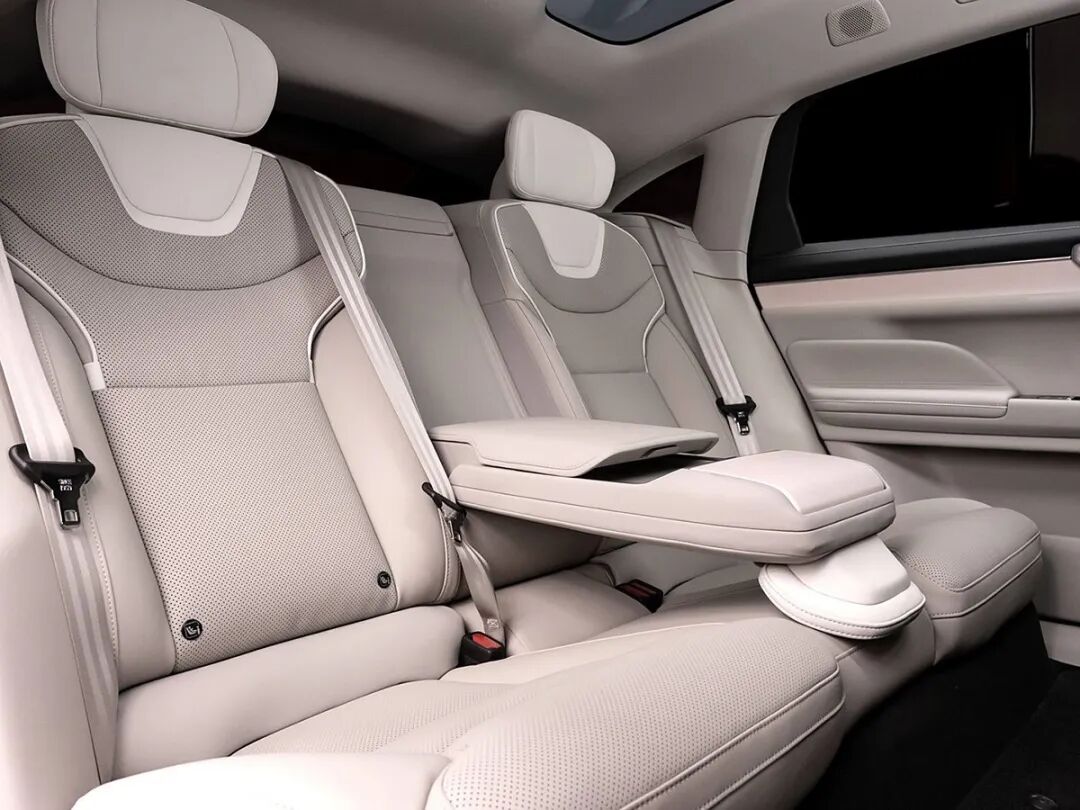
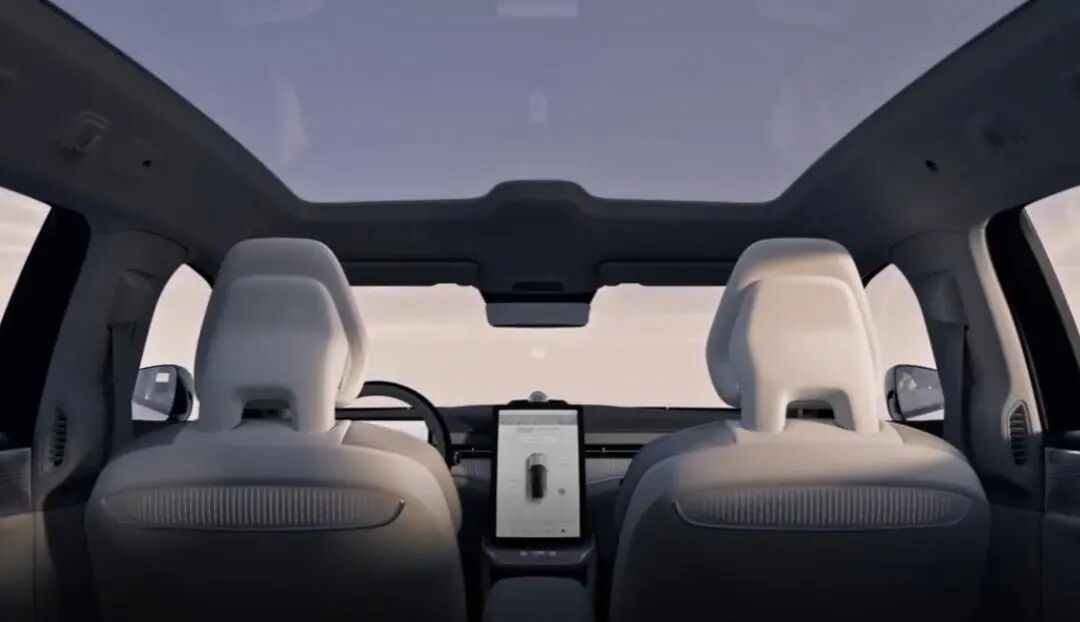
As a mid-to-large vehicle, the Volvo ES90 measures over 5 meters in length, with a wheelbase of 3.1 meters and a height of 1546 millimeters, which is significantly taller than competitors like the Mercedes-Benz E-Class and Audi A6L, while the BMW 5 Series is only 1520 millimeters. Therefore, when comparing the Volvo ES90 with these vehicles, it certainly has a commanding presence, akin to a vehicle from a higher class.
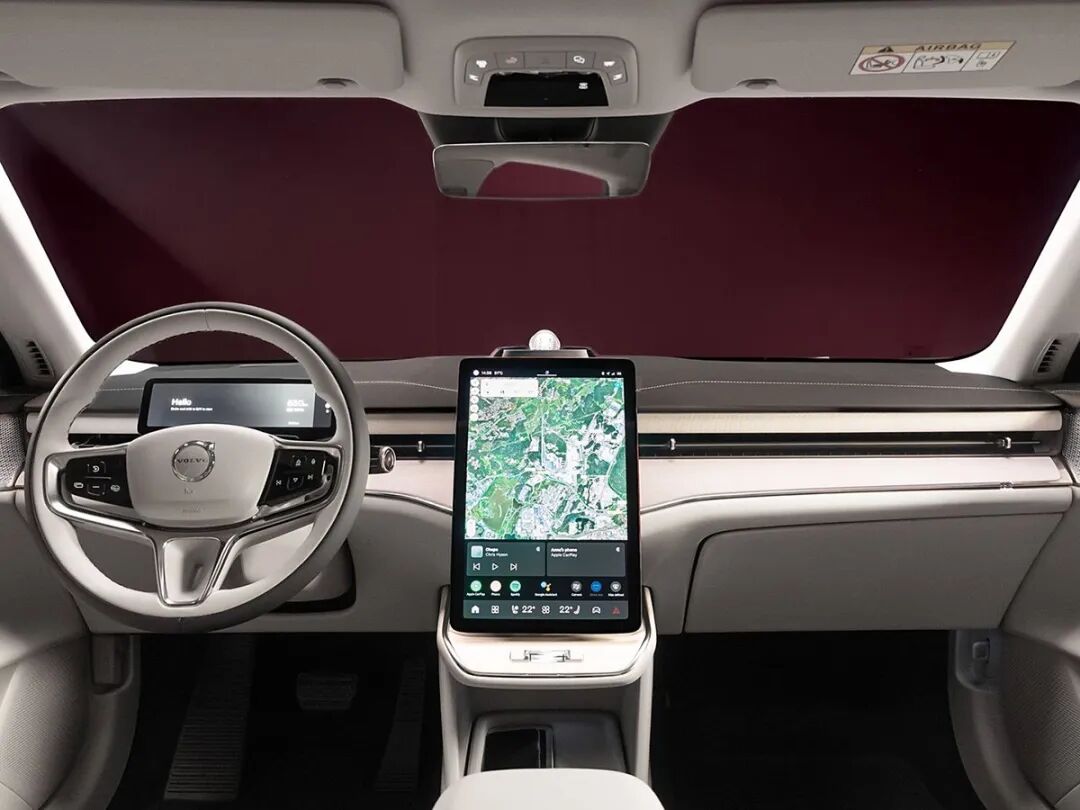
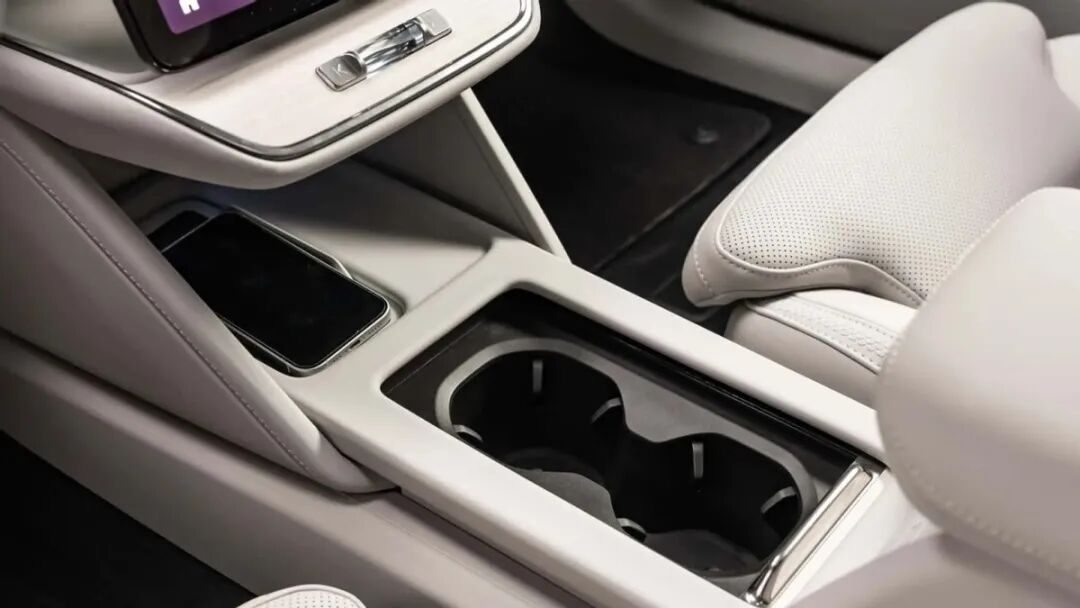
Inside the car, the interior design of the Volvo ES90 is also completely refreshed. Although the overall outline is somewhat similar to the fuel version, it is clearly more minimalist and stylish. The centerpiece is a 14.5-inch vertically oriented central control screen, which, while not particularly large, appears somewhat exaggerated due to its vertical layout, and it is also equipped with a 9-inch floating full LCD instrument panel. The Y-shaped center console features a Bowers & Wilkins sound system, and the extensive use of real wood trim and chrome accents adds a touch of luxury.
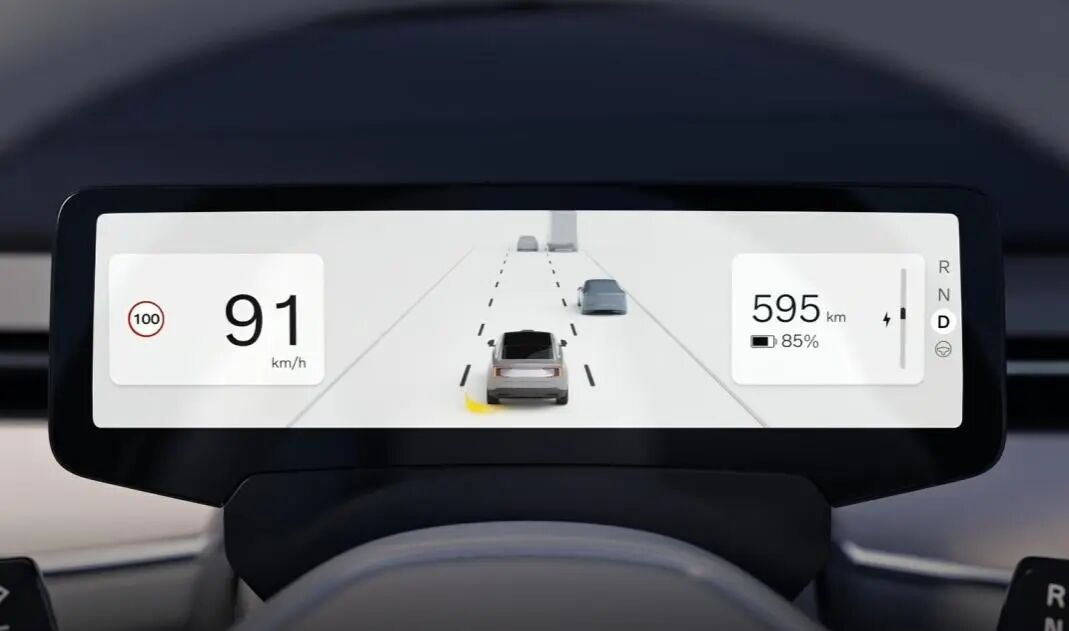
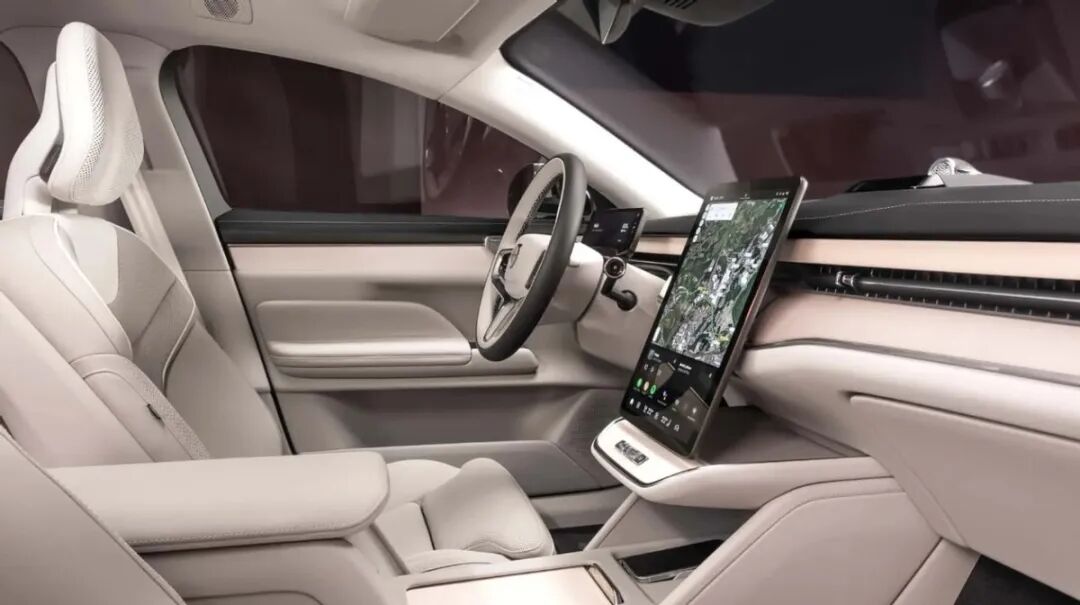
The tri-spoke steering wheel features a two-tone design that is both grand and stable, appearing more upscale than the fuel version of the S90. Additionally, the interior has eliminated many physical buttons, with most functions now accessible via voice commands, showcasing a high level of intelligence. Notably, the Volvo ES90 has also received significant upgrades in intelligent driving, equipped with dual Orin-X chips from NVIDIA, achieving a computing power of 508 TOPS, and laser radar is also included, as intelligent driving is a key consideration for many buyers in this vehicle class. Finally, what are your thoughts on the Volvo ES90?