The world’s first robot “6S store” opened on July 28, 2025 in the Longgang Xinghe WORLD park in Shenzhen. Its innovative model of “sales + spare parts + after-sales service + information feedback + leasing + customization” not only marks a significant event in the robotics industry but also creates ripples throughout the entire robotics supply chain and related industries. For the connector industry, these ripples represent vast expansion opportunities and a chance not to be missed.

The grand opening of this store exceeded expectations. On the first day, the event attracted dozens of mainstream media outlets, including CCTV News and People’s Daily, for coverage.—— CCTV News not only provided in-depth analysis in the form of “Bay Area Quick Review” but also live-streamed the event, generating widespread attention in the industry. Outside the store, robots danced to entertain; inside, robots made pancakes and coffee, while many others showcased various impressive skills, attracting large crowds of onlookers.
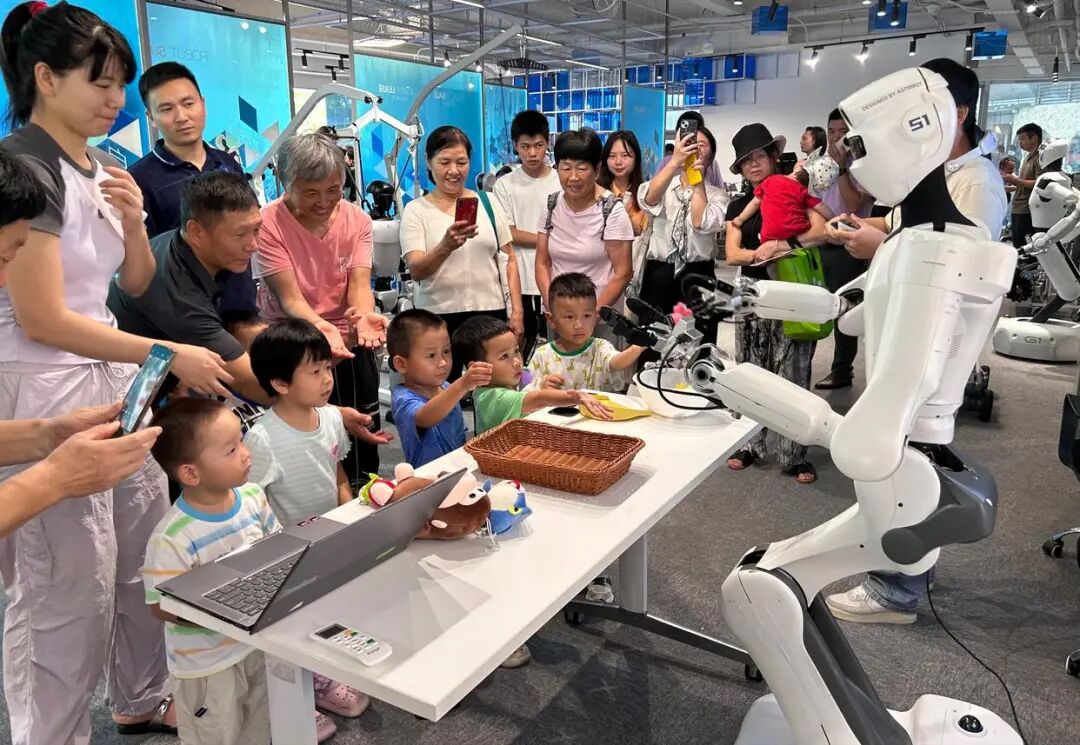
Seven domestic robotics-related companies, including Yushu Technology, Leju, Digital Huaxia, Zhongqing, Yundong Technology, Zhujidongli, and Lingyu Intelligent, participated in the tour with their products. The humanoid robot’s “Axe Gang Dance” and the collaborative performance of robotic dogs perfectly blended technology and entertainment, showcasing the application strength of robots in diverse scenarios. Behind this lively scene is the accelerated evolution of the robotics industry from laboratories to everyday life, and from specific industrial scenarios to diverse service fields: approximately 2 million orders on the first day, a rapidly growing leasing business, and over 200 upstream and downstream enterprises (including nearly 50 humanoid and service robot companies) expressing intentions to enter, all confirm the strong momentum of this trend.
NEWS
As the “nerve network” of robots, the importance of connectors is increasingly highlighted in the expansion of robots into diverse scenarios.
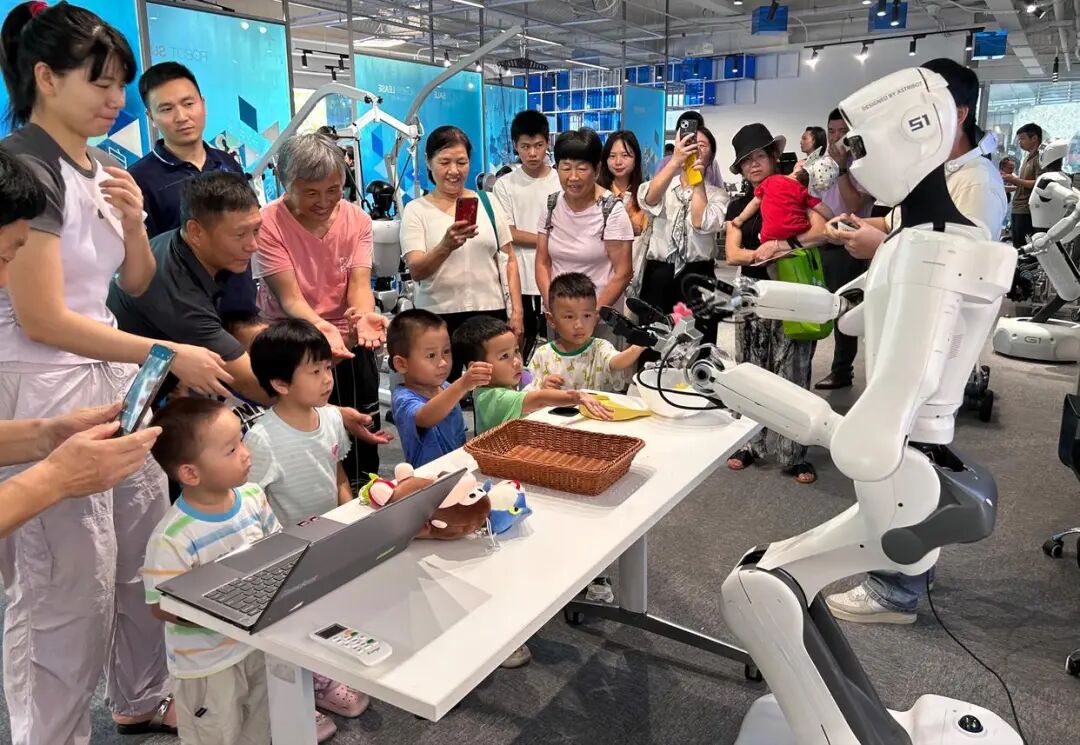
As robots transition from single industrial operations to diverse scenarios such as home services, medical assistance, and public entertainment, the performance requirements for connectors also change. In industrial environments, connectors may focus more on wear resistance, vibration resistance, and high-temperature stability; in home scenarios, miniaturization, low power consumption, and safety become key; while in the medical field, biocompatibility and high-precision signal transmission become core indicators. The connectors inside the robots displayed in the 6S store silently endure the challenges posed by different movement amplitudes and working environments, reflecting the need for connector companies to conduct precise R&D for different application scenarios.
NEWS
The model of “assembling components in half an hour” and “building robots like assembling computers” in the 6S store is actually a microcosm of the standardized and modular development of the entire robotics industry.
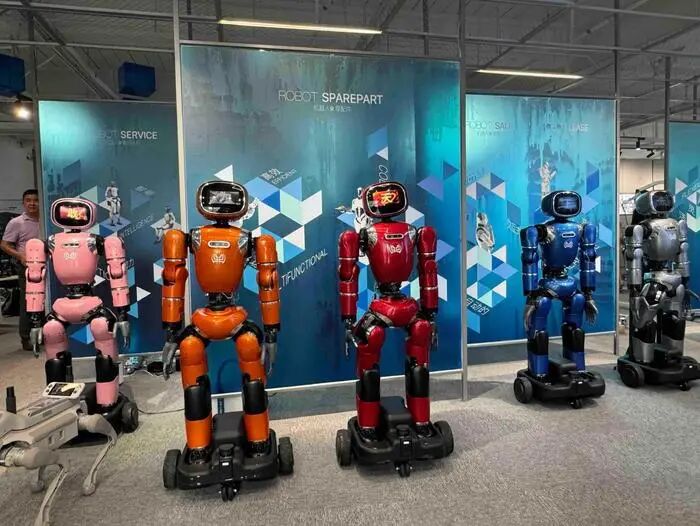
The “robot spare parts supermarket” set up in the store gathers core components such as servo motors and reducers, and with a professional technical team, rapid repairs and assembly can be achieved. This model poses new requirements for the universality and standardization of connectors. The previous situation of specialized connectors for different brands and models of robots will gradually become an obstacle to efficiency improvement in the context of rapid industrial expansion. Companies that can first launch highly standardized and adaptable connectors will not only smoothly enter emerging channels like the 6S store but also gain a competitive advantage in the wave of modular development in the robotics industry, quickly capturing incremental market share.
NEWS
At the same time, the “customization” module, as a major feature of the 6S store, also opens up new market segments for connector companies.
The humanoid robots launched at the opening, representing the “Gold, Wood, Water, Fire, Earth” series, are typical examples of customization — they are designed for specific scenarios such as high-temperature operations, humid environments, and heavy-duty handling, each with unique requirements for connectors. For instance, a customized robot for high-temperature workshop inspections may require connectors that can withstand temperatures above 300°C; while a robot for deep-sea exploration needs connectors with strong waterproof and pressure resistance. These special requirements present opportunities for connector companies to showcase their technical strength and create differentiated competitive advantages, and the profit margins in these niche markets are often considerable.
According to market data, a report by QYResearch indicates that the global humanoid robot connector market is expected to reach approximately 696 million USD in 2024, and is projected to reach 1.372 billion USD by 2031, with a compound annual growth rate of 11.3%, and the share of the Chinese market will continue to increase. The emergence of the 6S store and the resulting boom in robot applications will undoubtedly fuel this growth. In this market context, local connector companies like Weifeng Electronics have already accumulated some application experience in the industrial robot field — their developed 6363 series micro high-density connectors (with a pitch of 0.8mm) have already been adapted for some service robots, and they should seize this opportunity to benchmark against advanced products from international giants like TE Connectivity (such as the HDSCS series high-flex cables for collaborative robots), continuously improving product performance and technical content to capture more market share in the rapidly growing market.
NEWS
It is worth noting that the establishment of the robot 6S store is not a coincidence, but an important layout by the Longgang District of Shenzhen to promote the development of the robotics industry.
According to the “Three-Year Action Plan for the Friendly Demonstration Zone of Embodied Intelligent Robots in Longgang District (2025-2027),” the local government is focused on building a complete ecosystem from technology R&D to scene implementation, and the 6S store is a key node in this ecosystem, providing clearer development guidance for supporting industries such as connectors.

In summary, the opening of the robot 6S store is a signal that marks the robotics industry entering a new phase that emphasizes user experience, rapid response, and diverse adaptability. For the connector industry, this not only means an expansion of market size but also highlights the urgency for technological upgrades and product innovation. Only by keeping pace with the development of the robotics industry, deeply understanding the needs of different scenarios, and continuously adjusting product strategies and R&D directions can opportunities be seized and sustainable development achieved in this industrial transformation.
Disclaimer: The article represents personal views and is not for commercial use. All images and data are sourced from the internet. If there is any infringement or inappropriateness, please contact me, and I will delete it promptly.
Your and
and  are our motivation for progress!
↘↘↘

We invite you to join the “Top Connector Industry Group” by clicking “Read the original text” to learn more.