Gift to Readers

Conducting scientific research involves a profound system of thought, requiring researchers to be logical, meticulous, and earnest. However, effort alone is not enough; often leveraging resources is more important than sheer hard work. Additionally, one must have innovative ideas and inspirations that look up to the stars. It is recommended that readers browse in order to avoid suddenly falling into a dark maze without finding their way back. This article may not reveal all the answers to your questions, but if it can clarify some of the doubts rising in your mind, it may create a beautiful sunset of colors. If it brings you a storm in your spiritual world, then take the opportunity to brush off the dust that has been lying there in a state of ‘lying flat’.
Perhaps, after the rain, the sky will be clearer…



01

Overview

Nonlinear Model Predictive Control (Model Predictive Control, MPC) is a commonly used control method that can be applied to various systems, including nonlinear systems. MPC is based on a discretized model and an optimization problem over future time intervals, generating control strategies by iteratively solving the optimization problem.
The research on solving nonlinear MPC problems can involve the following aspects:
1. Model Representation: Selecting an appropriate nonlinear model to describe system dynamics and representing its nonlinear characteristics through suitable mathematical expressions.
2. Discretization: Discretizing the continuous-time nonlinear model into a discrete-time model, generally using numerical methods (such as Euler’s method or Runge-Kutta method) for discretization.
3. Optimization Problem Design: Transforming the control problem into an optimization problem by minimizing specified performance indices (such as tracking errors of system states, magnitudes of control inputs, etc.) to obtain the optimal control strategy.
4. Solution Techniques: Various numerical optimization methods can be used to solve the discretized optimization problem, such as Sequential Quadratic Programming (SQP), Interior Point Method (IPM), etc.
5. Stability Analysis: For nonlinear MPC controllers, stability is an important consideration. It is necessary to study the stability conditions of the control system to ensure that the controller can produce a stable closed-loop system.
By researching the above aspects, effective control strategies for nonlinear model predictive control problems can be achieved. Of course, the specific research methods and algorithm choices need to be determined based on the characteristics and requirements of the specific problem.
Research on Solving Nonlinear Model Predictive Control (NMPC) Problems
1. Basic Principles and Mathematical Framework of NMPC
Nonlinear Model Predictive Control (NMPC) is an advanced control strategy based on rolling optimization and feedback correction. Its core is to predict the future behavior of the system through a nonlinear model and solve the optimal control input sequence under the constraints. The following are its core elements:
-
System Model NMPC relies on nonlinear dynamic models to describe system behavior, with model forms including:
- First-principle Models: Constructed based on physical laws (such as conservation equations), suitable for systems with clear mechanisms (such as chemical reactors).
Black-box Models: Constructed through data-driven methods (such as neural networks, fuzzy systems), suitable for systems with complex mechanisms.
- Hybrid Models: Combining first-principle and data-driven methods to balance accuracy and computational complexity.
-
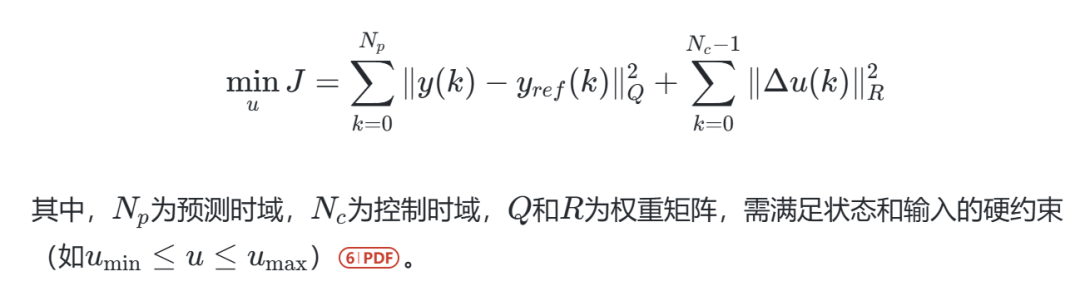
Optimal Control Law At each sampling moment, NMPC solves the following optimization problem:
-
Receding Horizon Only the first control input of the optimal sequence is applied, and re-optimization is performed at the next moment to enhance robustness through feedback correction.
-
Stability and Robustness Ensuring closed-loop stability by introducing terminal constraints or terminal cost functions, but the design difficulty increases with the degree of system nonlinearity.
2. Main Methods for Solving NMPC Problems
The essence of solving NMPC is real-time solving of nonlinear programming (NLP) problems, commonly used methods include:
-
Numerical Optimization Algorithms
- Sequential Quadratic Programming (SQP): Approximating the optimal solution by iteratively solving quadratic subproblems, suitable for medium-scale problems, but requires handling Hessian matrix calculations.
- Interior Point Method (IPM): Handling constraints by introducing barrier functions, suitable for large-scale problems, but sensitive to initial values.
- C/GMRES Method: Combining continuous and generalized minimal residual methods, strong real-time performance, suitable for fast dynamic systems (such as drones).
- Heuristic Algorithms: Such as Genetic Algorithms (GA), Chaotic Grey Wolf Optimization (CGWO), strong global search capability, but lower computational efficiency.

-
Accelerated Solution Strategies
- Warm Start: Using the solution from the previous moment as the initial value to reduce the number of iterations.
- Parallel Computing: Utilizing GPU or multi-core CPU to accelerate matrix operations.
- Model Simplification: Reducing complexity through reduced-order models (such as POD) or linearization.
-
Controller Design Simplification
- Suboptimal Design: Sacrificing global optimality for real-time performance, ensuring stability through feasible solutions.
- Parameterized Control Law: Parameterizing control inputs as finite-dimensional functions (such as polynomial basis functions) to reduce the dimensionality of decision variables.
- Hybrid Control Strategies: Combining NMPC with linear MPC or feedback controllers to balance performance and computational load.
3. Typical Application Cases of NMPC
NMPC has been successfully applied in various fields due to its ability to handle nonlinearity and constraints:
-
Robot Control
- Automatic Parking: Optimizing steering angles and speeds by predicting vehicle kinematic models to achieve high-precision path tracking.
- Robotic Arm Trajectory Tracking: After adopting NMPC, the displacement error of a mining area watering truck’s robotic arm was reduced by 89.85%, with a computation time of <8.7ms.
-
Unmanned Systems
- Drone Trajectory Tracking: NMPC outperforms PID in complex trajectories (such as double move lines) but requires higher computational resources.
- Quadrotor Control: Combining dynamic models with obstacle functions to achieve obstacle avoidance and stable flight.
-
Industrial Process Control
- Chemical Reactors: NMPC optimizes temperature and concentration constraints to improve reaction efficiency.
- Energy Management: In fuel cell hybrid vehicles, NMPC achieves maximum efficiency point tracking through RNN models, with fuel economy superior to linear MPC.
-
Traffic and Vehicles
- Autonomous Driving Trajectory Tracking: NMPC handles nonlinear tire force models, adapting to curves and emergency braking scenarios.
- Integrated Decision Control: Dynamically adjusting priority of demand indicators to achieve high real-time performance (single-step solving <50ms) in autonomous driving.
4. Current Research Hotspots and Challenges
-
Improving Computational Efficiency
- Algorithm Optimization: Developing sparse SQP, distributed NMPC, etc., to reduce time complexity.
- Hardware Acceleration: Utilizing FPGA or edge computing devices for embedded deployment.
-
Robustness and Adaptability
- Robust NMPC: Using Tube-based or Min-Max methods to handle model uncertainties.
- Data-driven Enhancement: Combining Bayesian estimation or particle filtering to update model parameters in real-time.
-
Complex System Expansion
- Multi-agent Collaboration: Researching distributed NMPC frameworks to address communication and coupling constraints.
- High-dimensional State Space: Utilizing deep learning to compress state dimensions, such as autoencoders.
-
Balancing Real-time Performance and Stability
- Suboptimality Analysis: Quantifying the impact of suboptimal solutions on closed-loop performance.
- Safety Verification: Introducing formal methods (such as Barrier Function) to ensure hard constraint satisfaction.
5. Conclusion and Outlook
NMPC has made significant progress in both theoretical maturity and application breadth, but it still faces challenges in real-time performance, robustness, and complex system expansion. Future research will focus on:
- Algorithm-Hardware Co-design: Combining customized chips with efficient algorithms to meet millisecond-level real-time requirements.
- Hybrid Architecture Innovation: Integrating NMPC with reinforcement learning and adaptive control to enhance adaptability in dynamic environments.
- Standardized Toolchain Development: Providing industrial-grade support for open-source frameworks (such as ACADO, CasADi) to lower engineering implementation barriers.
Through research in these directions, NMPC is expected to achieve broader application breakthroughs in intelligent manufacturing, new energy, and autonomous driving.




02
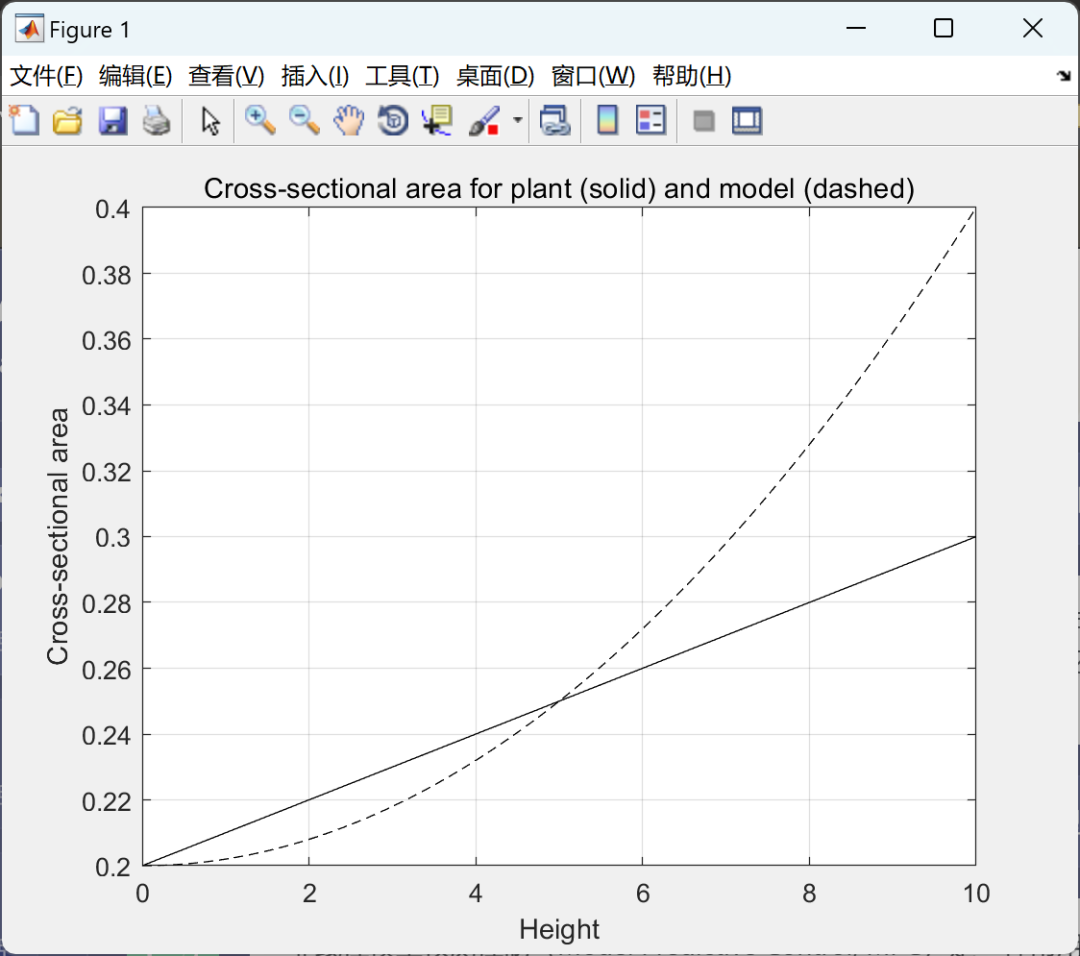
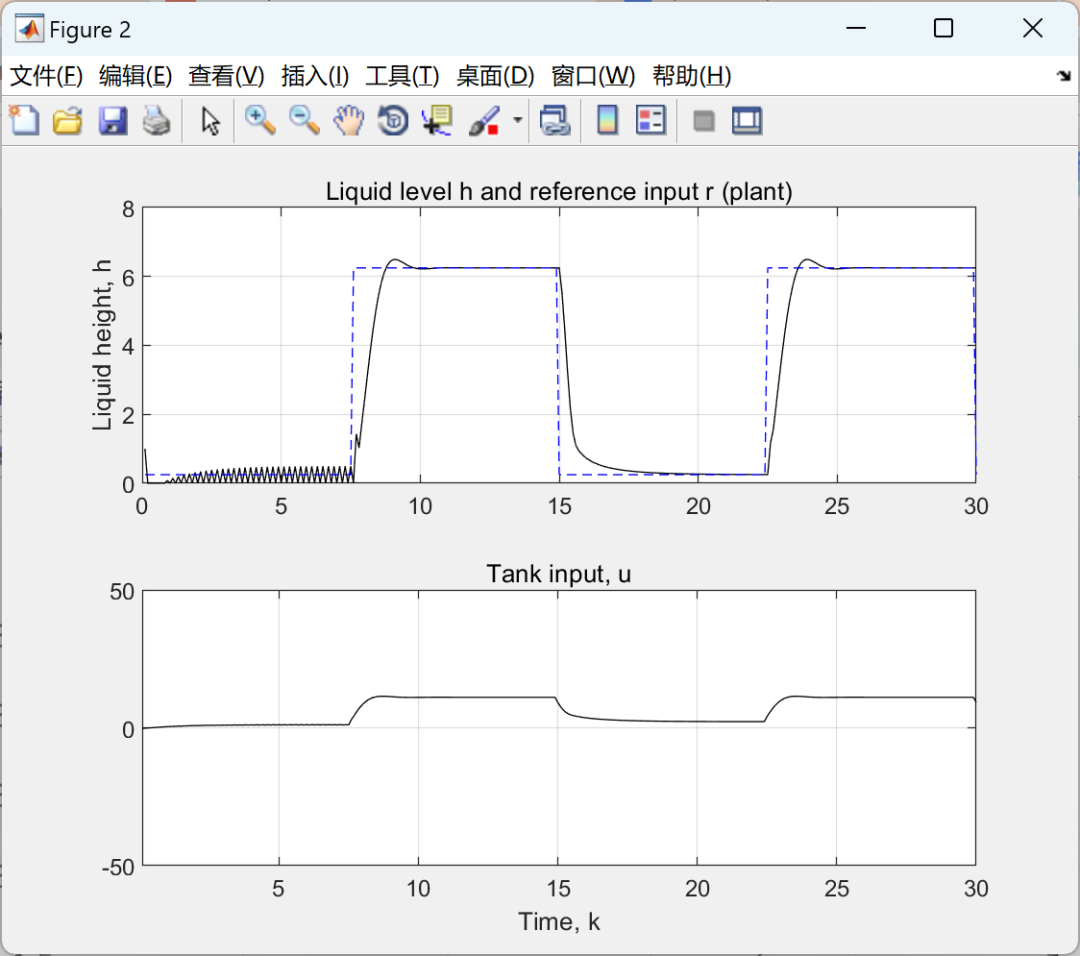
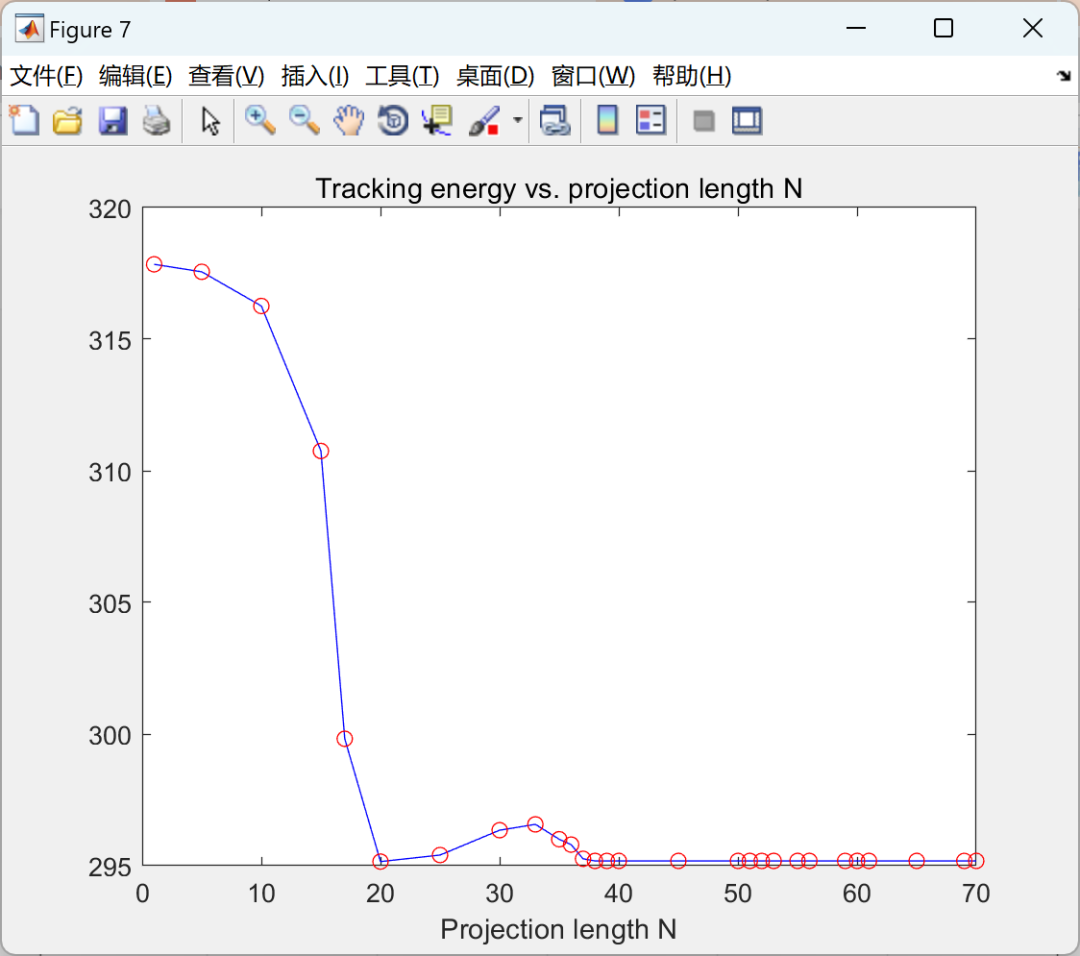
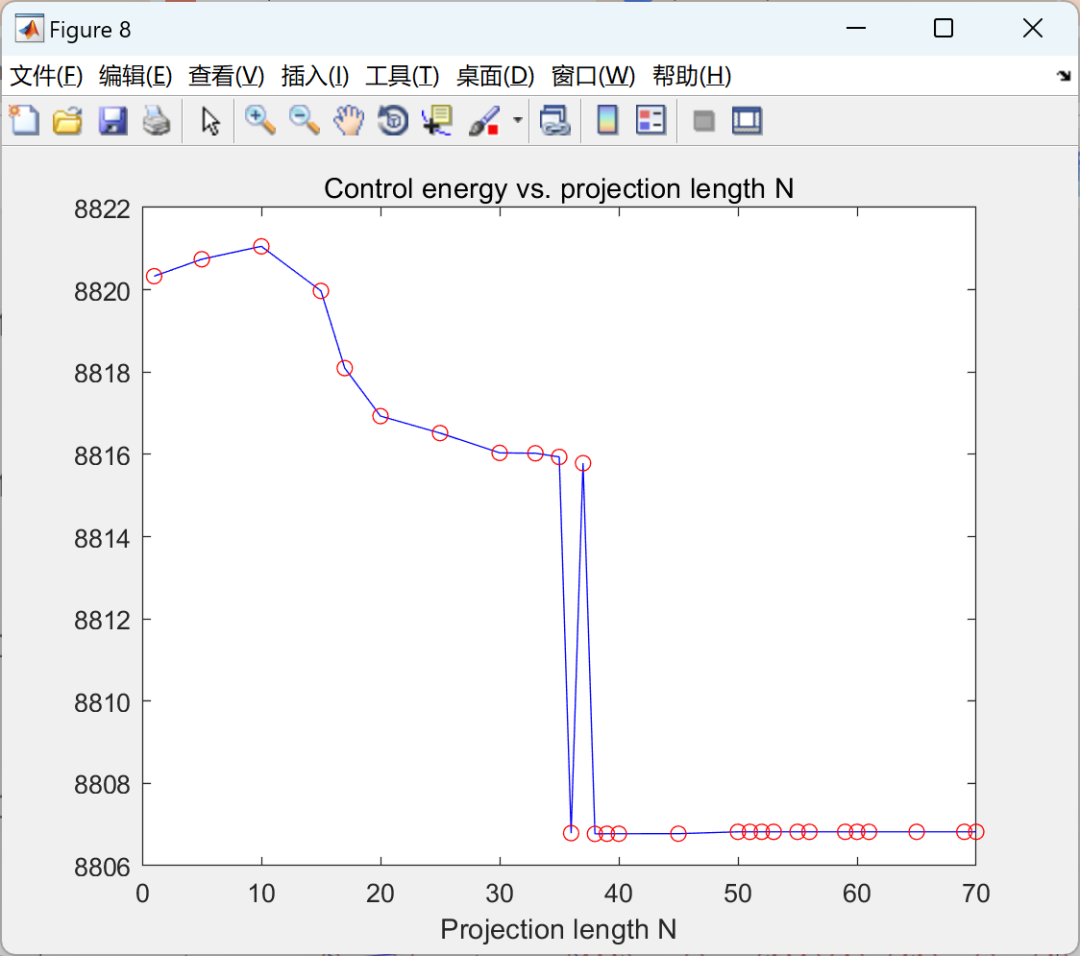
Running Results
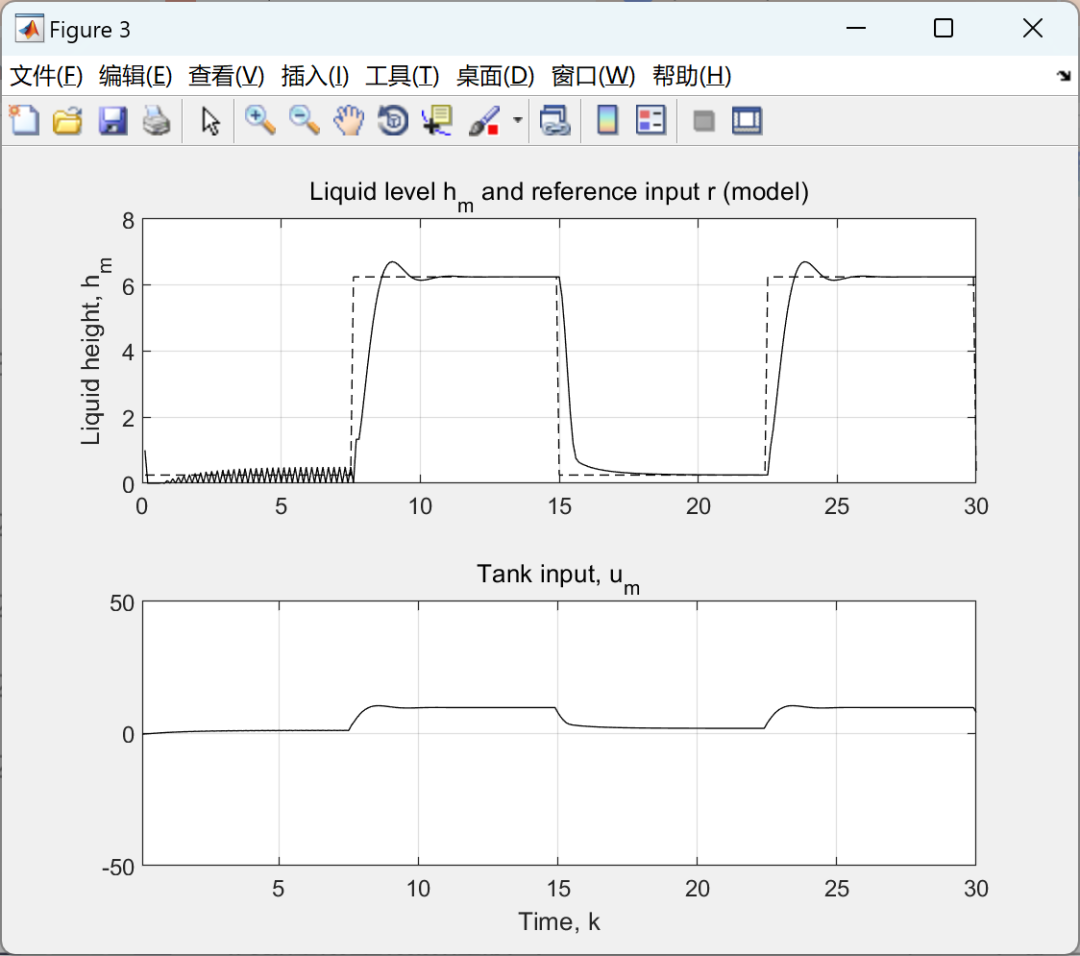
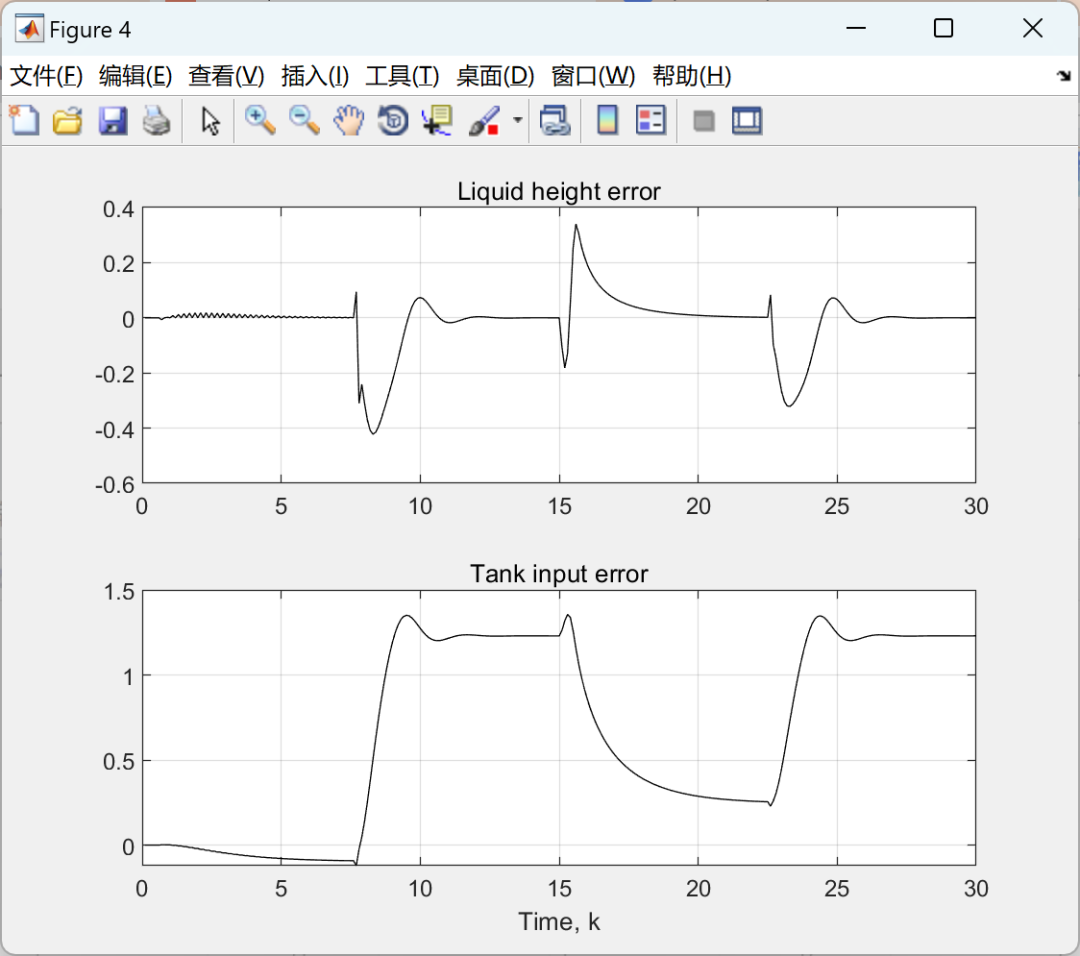
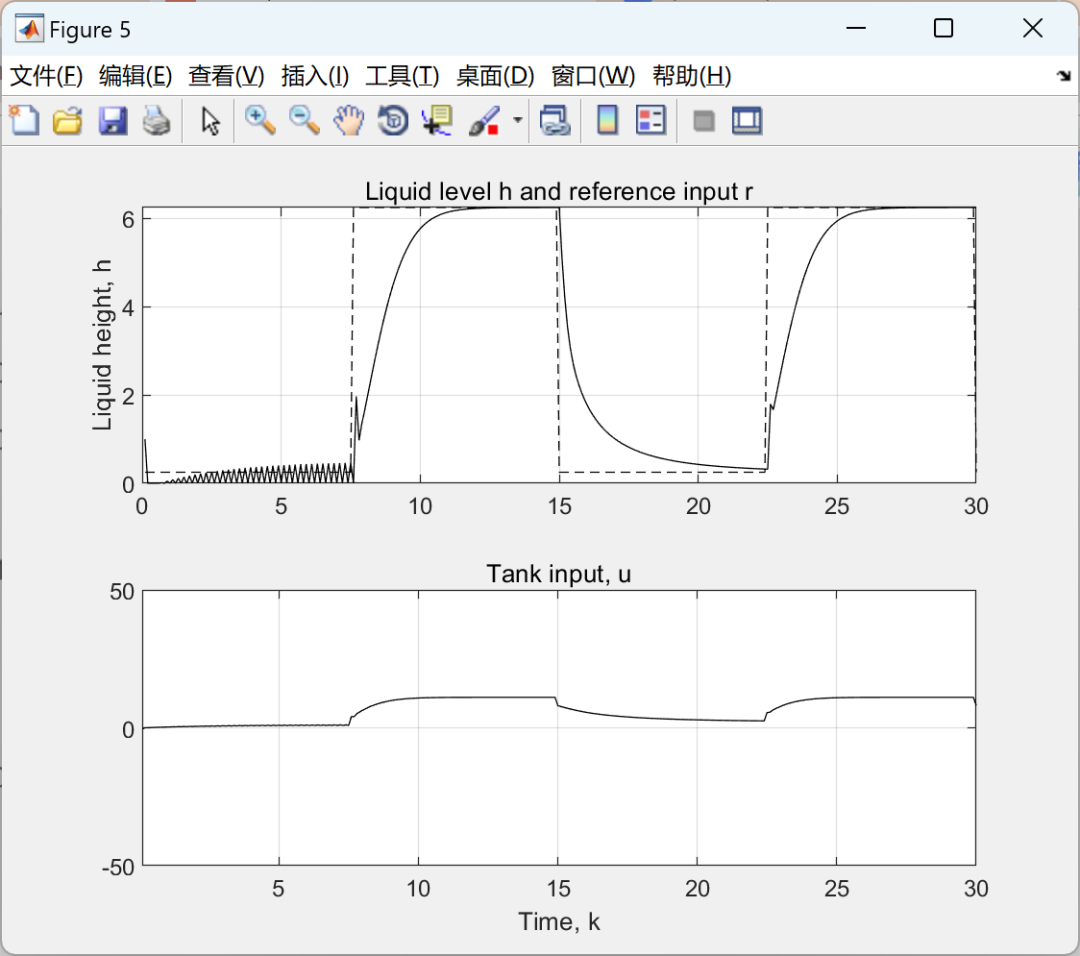
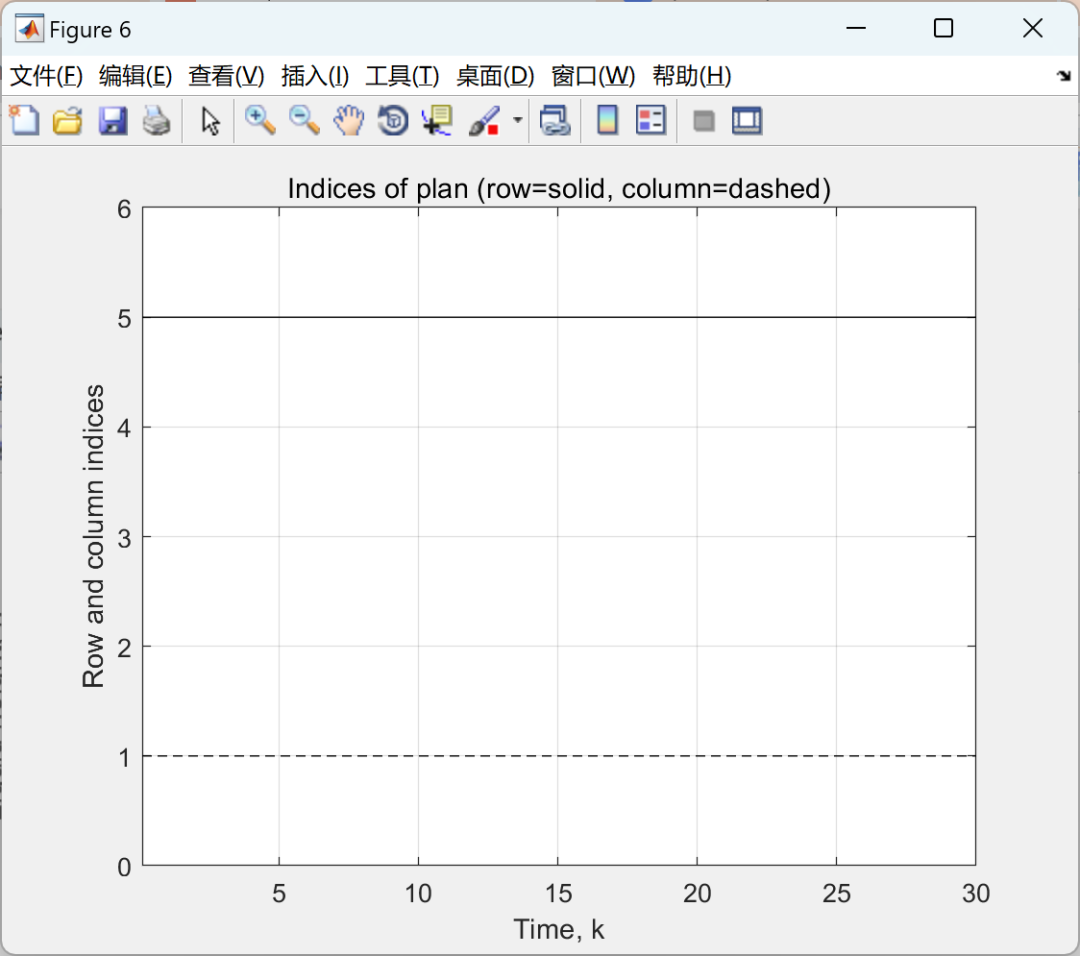

03
Partial Code
figure(4)
clf
subplot(211)
plot(time,hhp-hhm,'k-')
grid
title('Liquid height error')

subplot(212)
plot(time,up-umm,'k-')
grid
title('Tank input error')
xlabel('Time, k')


%-----------------------------------------------------------
% Planning system results
% Strip off last computed value of h
hh=h(timeref);

figure(5)
clf
subplot(211)
plot(time,hh,'k-',time,ref,'k--')
grid
ylabel('Liquid height, h')
title('Liquid level h and reference input r')

subplot(212)
plot(time,u,'k-')
grid
title('Tank input, u')
xlabel('Time, k')
axis([min(time)max(time) -50 50])

figure(6)
clf
plot(time,rowindex,'k-',time,colindex,'k--')
axis([min(time)max(time) 0 max(length(Kpvec),length(Kivec))])
grid
title('Indices of plan (row=solid, column=dashed)')
ylabel('Row and column indices')
xlabel('Time, k')

% Next, study the effect of the projection length N
figure(7)
clf
plot(NN,trackerrorenergy,'b-',NN,trackerrorenergy,'ro')
title('Tracking energy vs. projection length N')
xlabel('Projection length N')

figure(8)
clf
plot(NN,inputenergy,'b-',NN,inputenergy,'ro')
title('Control energy vs. projection length N')
xlabel('Projection length N')
04
References
Some content in this article is sourced from the internet, and references will be noted. If there are any omissions, please feel free to contact us for removal.
[1] Xiu Guan. Research on the Application of Nonlinear Model Predictive Control Methods in Glide Trajectory Control [D]. Nanjing University of Science and Technology, 2011.
[2] Chen Yuanjun. Fine Modeling and Accurate Solution of Nonlinear Predictive Control Based on LPV Models [D]. Zhejiang University, 2015.
[3] Xie Shuguang. Application of Nonlinear Model Predictive Control (NMPC) in Adaptive Control of Micro Air Vehicles [J]. 2002.
05
Download MATLAB Code