Looking back at the history of the computer industry, the year 2000 was undoubtedly a significant turning point.
In 2000, Intel and several other IT companies jointly established the Open Source Development Labs (OSDL).
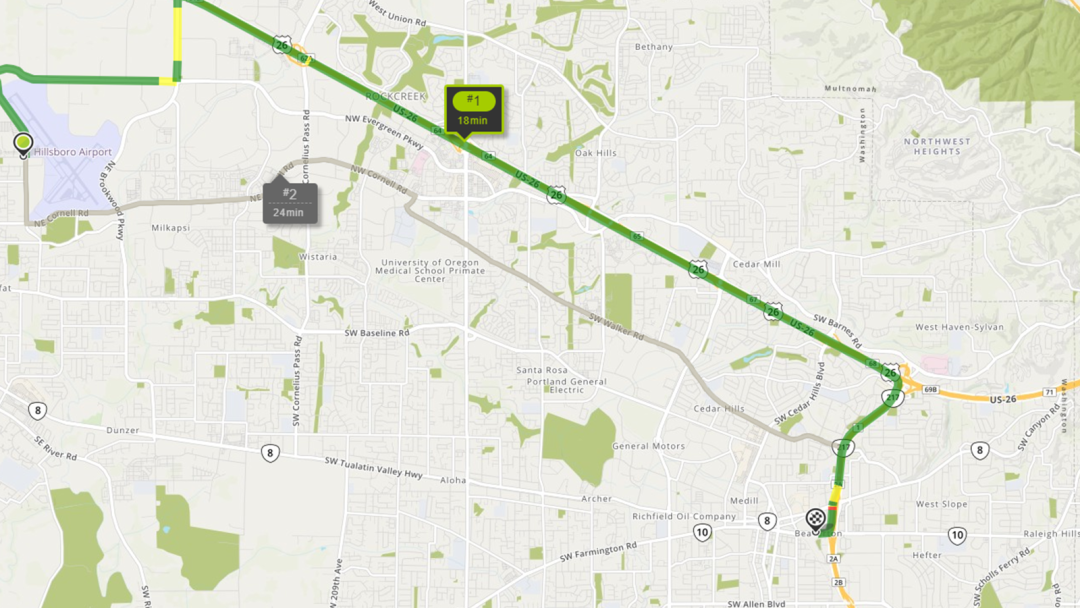
OSDL is headquartered in Beaverton, Oregon, USA, near Portland.
•Contact Information•Open Source Development Labs Inc•12725 SW Millikan Way•Beaverton, OR 97005•Contact: Stuart Cohen•Title: Chief Executive Officer•Phone: (503) 626-2455•Website: www.osdl.org Why was OSDL established here? One obvious reason is that this is also Intel’s R&D base, which houses several of Intel’s research centers, including the core CPU development team, a FAB plant, and an airport. Intel employees can book flights through the company’s internal website and take the company’s “shuttle” flights. When I worked at Intel, I once flew from here to Intel’s executive headquarters in Silicon Valley. Intel’s research center has a bus that goes to the airport, and with an Intel badge, you can board the plane, which is very convenient. I was particularly impressed by the photos hanging along the aisle of the plane, most of which depicted scenes of one of Intel’s founders, Robert Noyce, flying.
Although OSDL is called the Open Source Development Lab, its primary mission at the outset was to develop Linux and promote its development.
Below are some historical materials about OSDL that I found while writing a brief history of software.
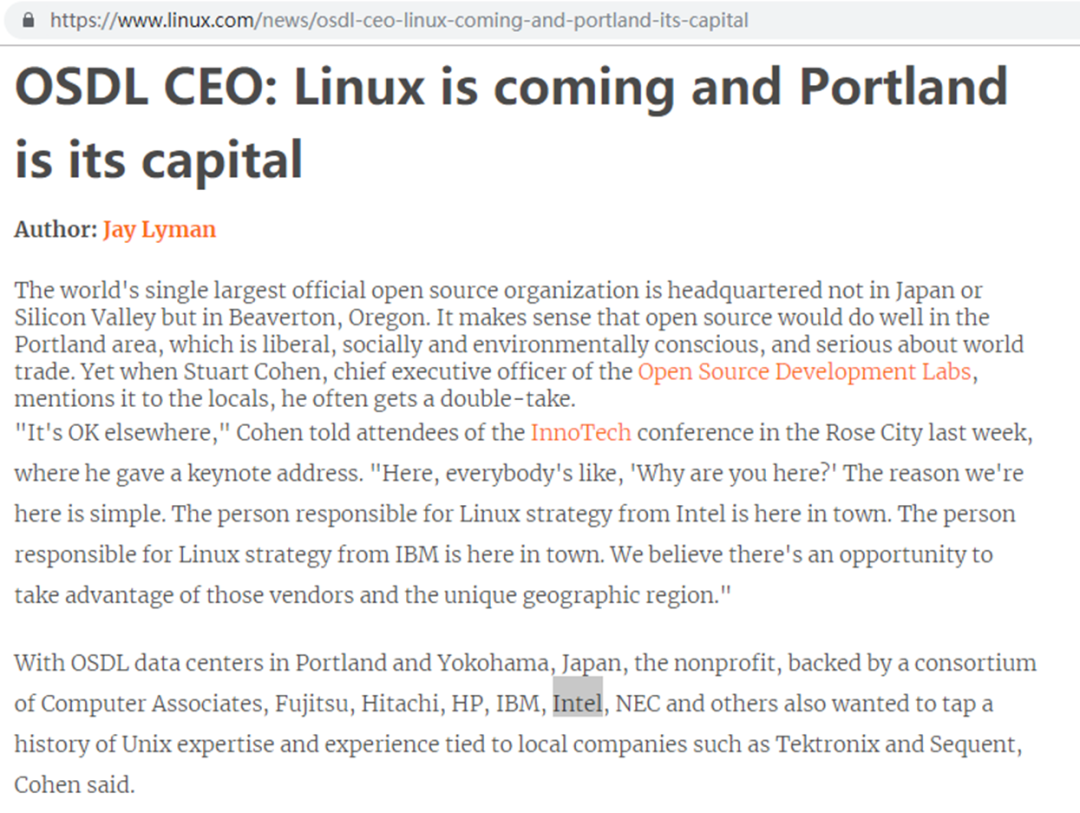
The title above roughly means: OSDL’s CEO said: Linux is here, headquartered in Portland.
In an interview, OSDL’s CEO candidly stated: OSDL’s mission is to accelerate the adoption of Linux in enterprises.
Q1. Very briefly, what is the mission and vision of the OSDL? What are its main goals?
A1. The mission of OSDL is to accelerate the adoption of Linux in the enterprise.
https://linuxdevices.org/executive-interview-stuart-cohen-ceo-of-osdl/
Although there are several founding companies of OSDL, including IBM, HP, CA, Intel, and NEC, it is well known in the industry that Intel made the largest investment.
In 2003, Linus left Transmeta to become a full-time employee of OSDL, focusing on the development and maintenance of the Linux kernel. After changing jobs, Linus and his family moved from Silicon Valley to the vicinity of OSDL’s headquarters in Portland.
On January 27, 2007, OSDL merged with the Free Standards Group (FSG) to form the Linux Foundation. Since then, the development of Linux has been unstoppable, becoming the indisputable choice for all humanity.
Did Microsoft not know about Intel’s blatant support for Linux?
Of course, they did. As early as 1998, Microsoft’s executive team began to pay attention to the development of Linux. Around 2000, Jim Allchin, the executive responsible for the Windows product line, reported to Bill Gates and others, with the email subject line reading “Dangerous, dangerous, very dangerous.”
The result was the gradual disintegration of the Wintel alliance that Microsoft and Intel had built over many years.
One important business logic behind Intel’s support for Linux is that the operating system controlled by Microsoft hindered innovation in chip development. However, what Intel did not anticipate was that open-source Linux also allowed other chip manufacturers to benefit, eroding Intel’s competitive edge. Why do I say this? A simple explanation is that without Linux, small chip manufacturers would have no chance to enter the high-end computing market, as they lack the capability to develop their own operating systems, and operating system vendors like Microsoft would not support them. Today, it seems that the biggest beneficiaries of Linux are ARM, including the ARM company that sells ARM chip licenses and many companies that produce ARM chips. Before 2000, there were only four types of chips supported by Linux, as can be clearly seen from the arch directory of the Linux kernel.After the establishment of OSDL, the number of chips capable of running Linux continued to increase, and soon ARM made its appearance.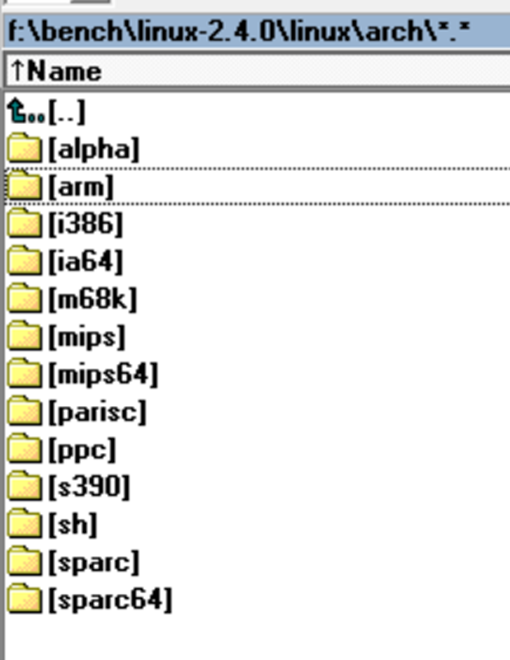 Moreover, this trend continues to develop.
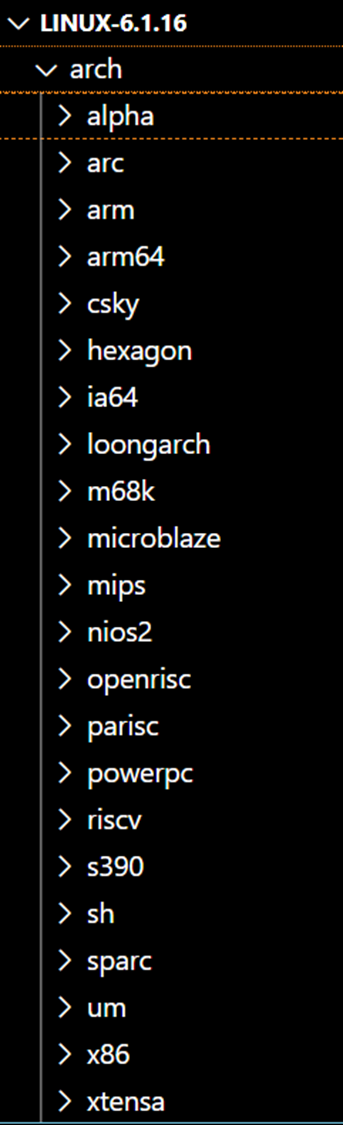 In summary, the Wintel alliance that Intel and Microsoft spent nearly 20 years building during the PC era has collapsed due to Intel’s infatuation with Linux, while the power of Linux has allowed Intel’s competitors to benefit, eating away at Intel’s market share. In this struggle, the most capable beneficiary is ARM.
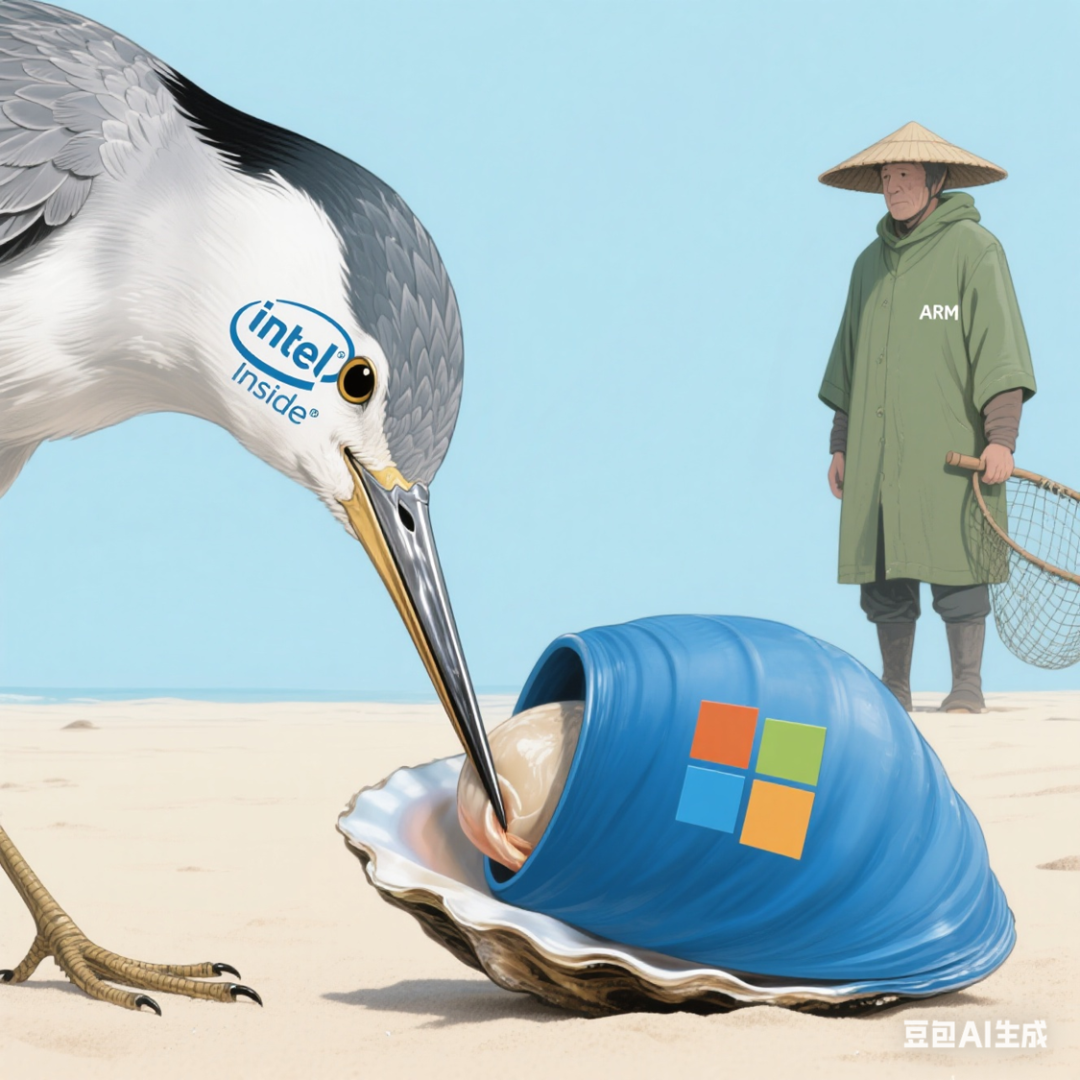 Some may say that open source is a trend, and even if Intel does not support Linux, it can still develop. This view underestimates the difficulty of kernel development. From the Linux kernel development chart that I have maintained for many years, it is clear that 2000 was a significant turning point; before 2000, Linux was relatively small, but after 2000, it experienced rapid growth.Some also believe that Intel’s actions are for the greater good, thinking about the future of humanity, embodying a spirit of universal salvation. If so, then now the world needs to help Intel; everyone should buy more Intel chips!What do you think?(Writing articles is hard work, I kindly ask all readers to click “See”, and feel free to share.)*************************************************
With sincerity and earnestness, examining software with a humanistic perspective, and using software technology to change lives.
Scan the QR code below or search for “Shengge Academy” in WeChat mini-program to read more articles and audiobooks.

Also welcome to follow the WeChat public account of Ge You.