A Brief History of Drone Development
The full name of a drone is an unmanned aerial vehicle (UAV), and the earliest unmanned aerial vehicles referred to radio-controlled aircraft.
Research into the possibility of using radio control for aircraft began in the early 20th century. Initially, only radio-controlled aircraft models were developed, but the invention of the autopilot made it possible to create true unmanned aerial vehicles.
We can divide the development of drones into the following three stages:
Initial Stage
1914 – 1982
The birth of drones can be traced back to 1914. At that time, World War I was in full swing, and British generals Cadell and Pitcher proposed to the British Military Aviation Society the development of a small aircraft that could be controlled by radio, allowing it to fly over a target area and drop bombs pre-loaded on it. Although the experiment ultimately failed, it accumulated valuable experience for the birth of drones.
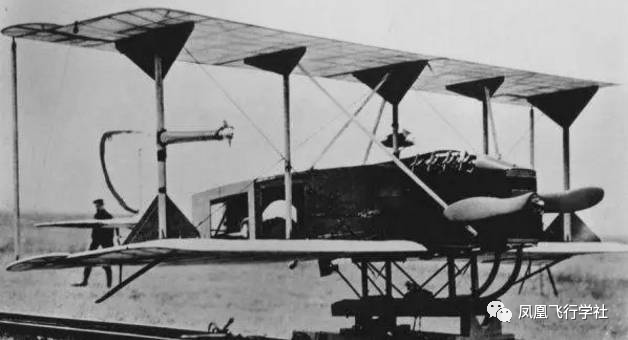
In 1917, the United States invented the first automatic gyroscope stabilizer and developed the unmanned flying vehicle equipped with it—the “Sperry Aerial Torpedo.” This marked the birth of unmanned flying vehicles. Although the use of the “Aerial Torpedo” was very limited, it laid the foundation for the development of drones.
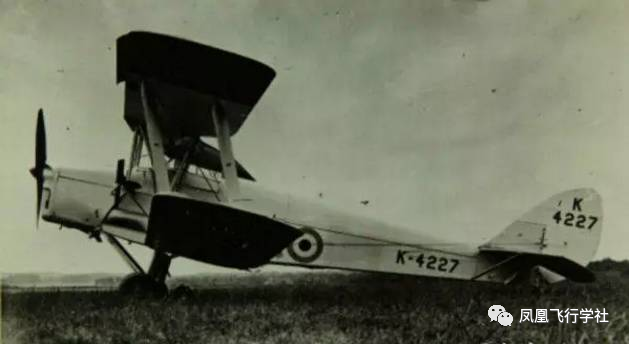
In 1935, the advent of the “Queen Bee” drone marked the true beginning of the drone era, and it can be considered the ancestor of drones. The value of drones continued to increase, primarily used for reconnaissance missions on various battlefields. However, due to limited power, insufficient reconnaissance precision of onboard equipment, and communication devices that could not achieve long-distance communication, their tasks were limited, mainly serving as target drones and kamikaze drones, leading to their gradual obsolescence.
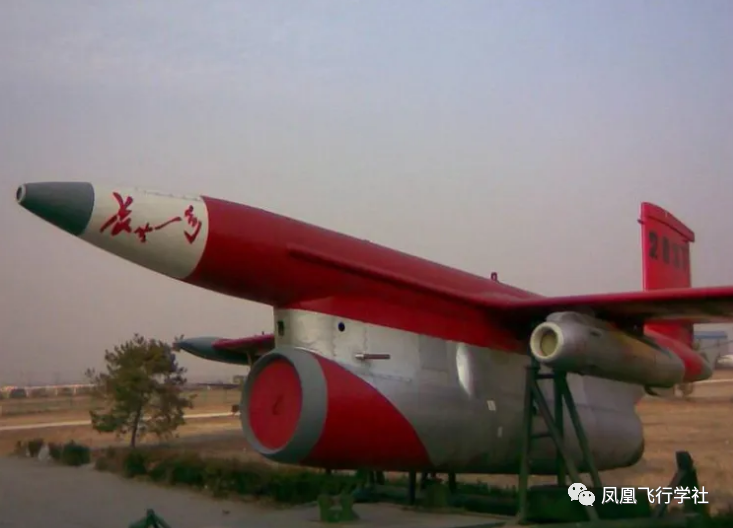
In the late 1950s, with the help of the Soviet Union, China began research on drones. However, due to the withdrawal of Soviet research forces, China shifted to independent research, and in December 1966, the first drone developed in China, “Chang Kong No. 1,” successfully made its maiden flight.
Development Stage
Around the 1990s
With continuous technological advancements and the accumulation of research experience, drone development technology became increasingly mature. In 1982, Israel pioneered the cooperative operation of drones and manned aircraft, gradually uncovering the value of drones.
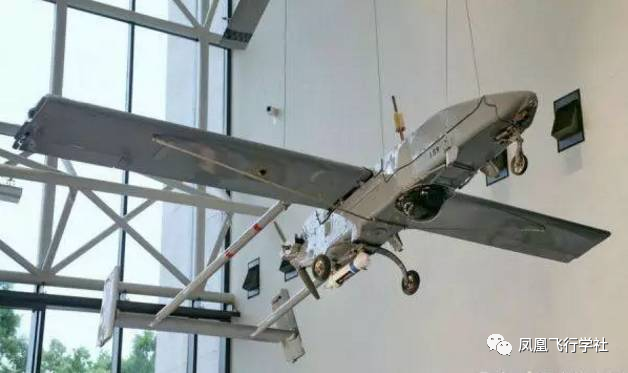
In 1986, the American Pioneer RQ-2A drone became one of the first unmanned reconnaissance drones to enter the U.S. Navy fleet, performing various tasks such as reconnaissance, surveillance, and target acquisition. This unmanned positioning system was cost-effective, meeting the U.S. military’s demand for low-cost target acquisition, and was first deployed in actual combat. The “Pioneer” drone participated in operations in Bosnia, Haiti, Somalia, and the Gulf War.
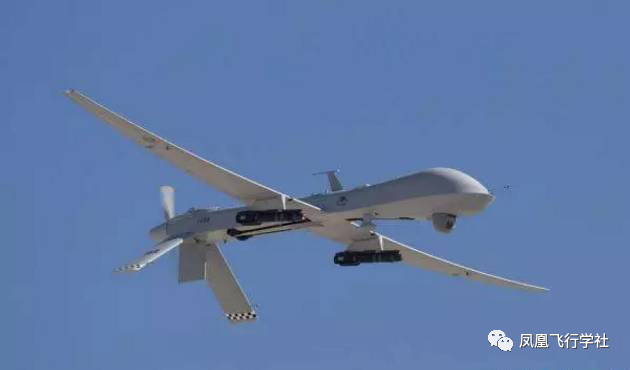
In 1994, General Atomics manufactured the MQ Predator drone. The upgraded version of the Predator could convert a fully reconnaissance-capable aircraft into one that could carry weapons and attack targets. More than 125 Predators have served in the U.S. Air Force, with six in service with the Italian Air Force. The Predator drone was first used in the United Nations and NATO operations in Bosnia in 1995, and it also appeared in the U.S. military operations in Afghanistan and Iraq, although it is gradually being phased out.
Thriving Stage
21st Century to Present
In the early 21st century, due to the large size and obvious targets of earlier drones, mini-drones were developed, which are smaller, more stable, and can be easily carried in a backpack. At the same time, the superior skills of drones spurred the birth of civilian drones.
In 2003, the United States established a world-class civil drone application center, promoting applications in emergency rescue and forest fire fighting.
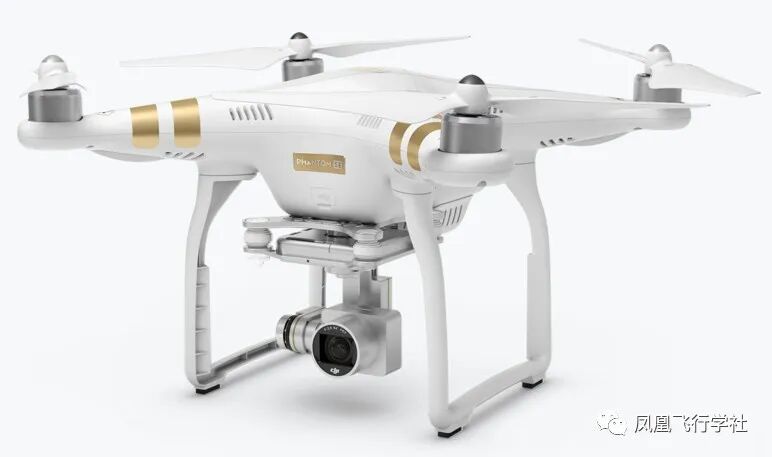
In 2006, DJI, a company that significantly impacted the global civil drone landscape, was established. The Phantom series drones it launched had a profound impact worldwide, opening and leading the consumer drone market. In the following years, various drone companies gradually emerged, raising the level of drone research and development to a higher standard.
2015 was a year of rapid development for drones, as major operating companies successfully secured funding, creating very favorable conditions for drone development. Drone technology and products continued to undergo iterative upgrades. At the same time, various drone forums and communities emerged, providing platforms for technical exchange, and drones were in a stage of increasing development.
Technology, as the primary productive force, has always been a focus for countries and enterprises. Artificial intelligence technology has driven the leapfrog development of drones. As the market gradually matures, drones are increasingly applied in agriculture, surveying, logistics, traffic law enforcement, and other areas, continuously enhancing their practical value and expanding application scenarios. The research, production, manufacturing, and application of drones are accelerating towards prosperity, with potential markets gradually being released. Meanwhile, to ensure the safe and orderly operation of the drone industry, various countries and regions are continuously introducing and improving policies related to drones. The drone industry is growing positively and healthily, continuously creating better social and economic benefits, and playing an important role in enhancing national governance capabilities.
Learn more about drone knowledge
Please follow the Phoenix Flight Society