Rust Microservices: From Service Discovery to Intelligent Load Balancing

Rust Microservices: From Service Discovery to Intelligent Load Balancing

💡 Core Idea in One Sentence: Utilizing microservices built with Rust to achieve intelligent scaling through efficient service discovery and load balancing strategies. In our previous discussion, we introduced how to set up a basic microservice architecture using Rust and Tokio. Today, we will further explore how to implement service discovery and load balancing between … Read more

Declarative HTTP Client in Spring Cloud – OpenFeign

What is OpenFeign OpenFeign (originally Netflix Feign) is a declarative REST client that integrates: Ribbon: Client-side load balancing Eureka: Service discovery OpenFeign = “Interface Proxy” for microservice calls, where you only need to define an interface, and Feign automatically generates the implementation class, completing service discovery + load balancing + HTTP calls automatically! Advantages of … Read more

Specification Requirements for ECU Ethernet Modules

Specification Requirements for ECU Ethernet Modules

This article is approximately 6,000 words,recommended for collection and reading Author | Anonymous Produced by | Automotive Electronics and Software 1. Overview Implementing an Ethernet communication stack in advanced ECUs requires meeting numerous requirements, which involve functionality, configuration, operation, and interfaces with other modules, aimed at ensuring the reliability, flexibility, and security of Ethernet communication … Read more

Understanding the SPI Mechanism in Dubbo Extensions

Understanding the SPI Mechanism in Dubbo Extensions

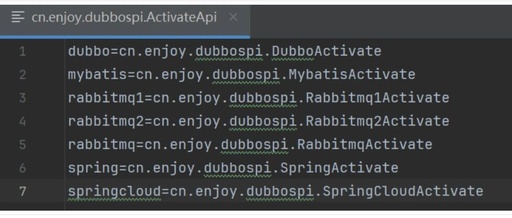
1. What is SPI 1.1 Introduction to SPI SPI, which stands for Service Provider Interface, is a service discovery mechanism. It automatically loads the classes defined in files located in the META-INF/services directory on the ClassPath. This mechanism enables extensibility for many frameworks, such as Dubbo and JDBC. Let’s start with a simple example to … Read more

How to Assign a Domain Name to Your ESP32 Device

How to Assign a Domain Name to Your ESP32 Device

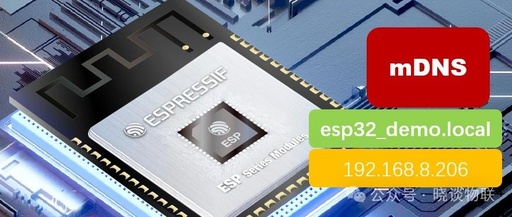
1. Introduction When we visit a website, we usually do so via a URL, such as accessing Baidu through the domain: www.baidu.com. After entering the domain in the browser, the communication ultimately resolves the domain to the corresponding IP address, and communication is conducted at the lower level based on the IP. We don’t need … Read more