Differences Between Armv8 Synchronization Exceptions, External Abort, SError, Prefetch Abort, and Data Abort
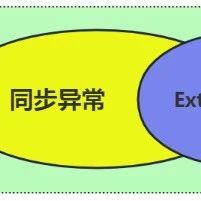
Differences Between Armv8 Synchronization Exceptions, External Abort, SError, Prefetch Abort, and Data Abort

Click the blue "Arm Selected" in the upper left corner and choose "Set as Star" Thank you all for your attention, thank you thank you thank you, once again thank you! 1. Concepts of Synchronous and Asynchronous Exceptions The following three behaviors are referred to as synchronous exceptions: • The exception is generated as a … Read more


C Language Special: extern, volatile, and inline

C Language Special: extern, volatile, and inline

In the C language, <span>extern</span>, <span>volatile</span>, and <span>inline</span> are three widely used keywords, each related to cross-file variable declarations, compiler optimization control, and function inlining. Mastering their usage can effectively enhance code structure, stability, and performance. 1. extern (External Variable Declaration) <span>extern</span> is used to declare global variables or functions defined in other files, enabling … Read more

Storage Classes in C: auto, extern, and static

Storage Classes in C: auto, extern, and static

Storage Classes in C: auto, extern, and static In C, the storage class of a variable determines its lifecycle, visibility, and initial value. In this article, we will delve into three main storage classes: <span>auto</span>, <span>extern</span>, and <span>static</span>. We will illustrate the characteristics and usage of each storage class through code examples. 1. <span>auto</span> Definition … Read more