India-Pakistan Air Combat: J-10C “Takes Down” Rafale, Escalating Concerns
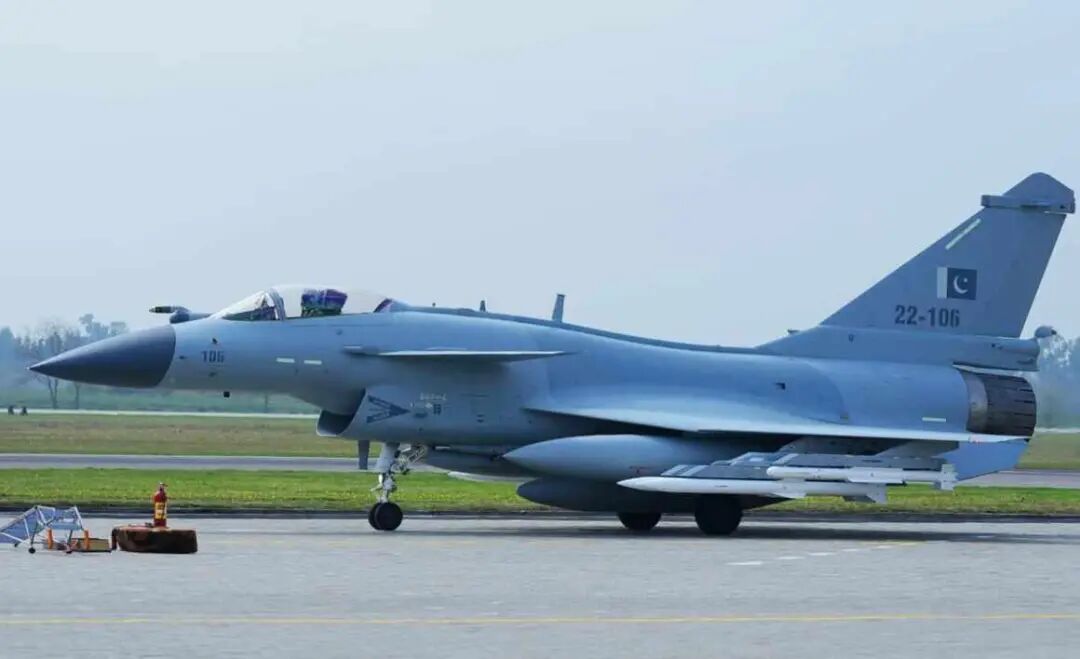
The Kashmir region has once again been ignited by war. On May 8, the Pakistan Air Force engaged in air combat with the Indian Air Force in the border area, resulting in a shocking outcome for the world — the Chinese-made J-10C fighter jet shot down the French Rafale aircraft, which India regards as its “air supremacy”.
The South Asian subcontinent, filled with tension, is once again engulfed in flames, but this time it is not a routine border conflict, but an aerial confrontation that could rewrite the regional military landscape.
Pakistan’s Deputy Prime Minister and Foreign Minister Ishaq Dar announced emphatically in the National Assembly that the Pakistan Air Force had shot down a total of 5 Indian aircraft and 2 drones in its counterattack against the Indian Air Force. All these achievements were made by the Pakistan Air Force equipped with the Chinese J-10C.
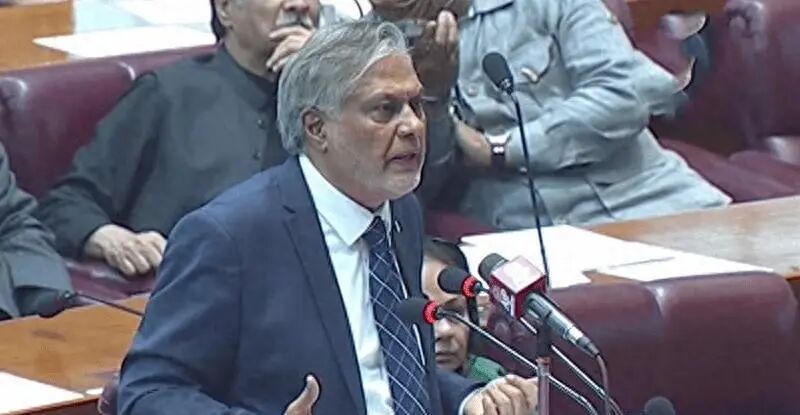
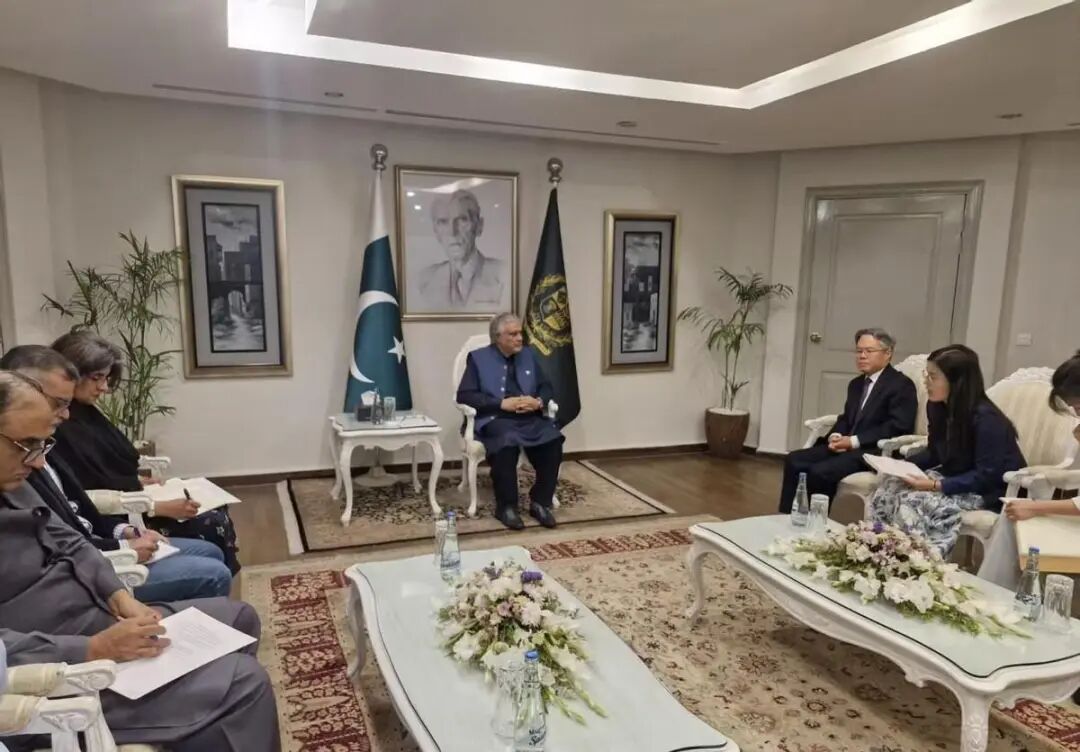
“We have reported India’s military provocations and our legitimate counterattacks to the Chinese ambassador,” Dar said. The Chinese side expressed regret over India’s attacks and urged all parties to remain calm to avoid further escalation of the situation.
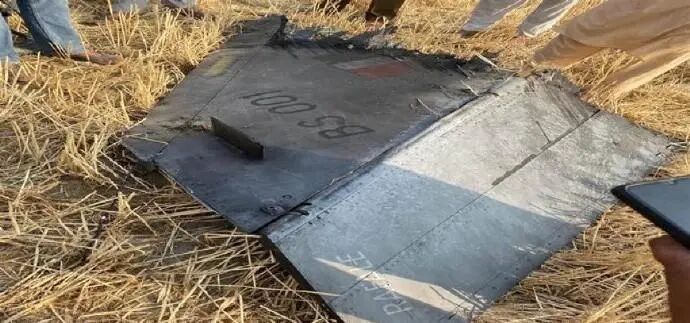
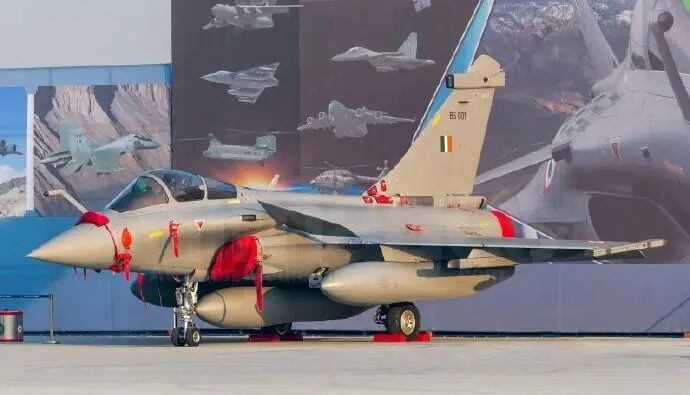
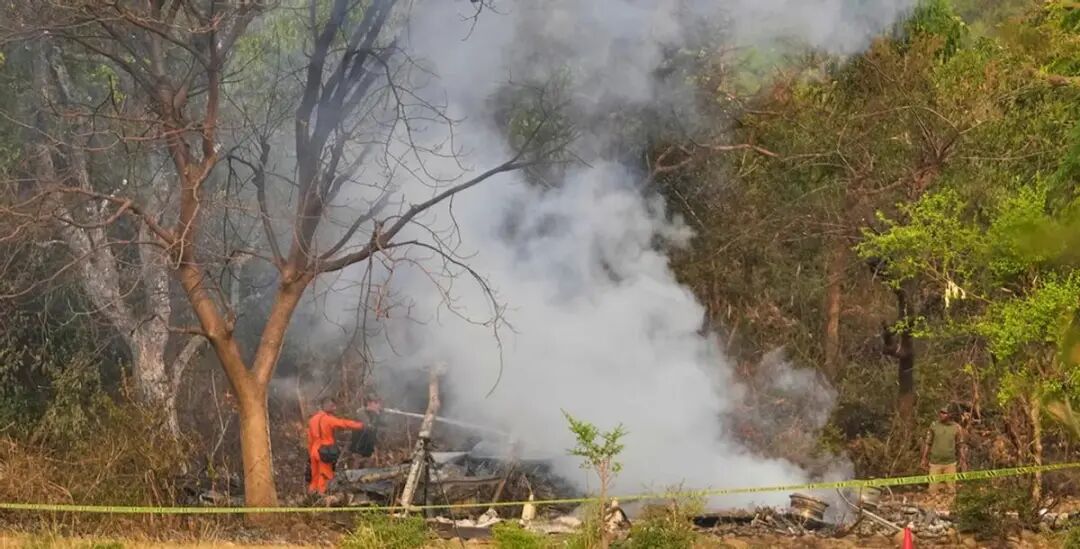
India had previously boasted about the Rafale aircraft’s performance being sufficient to “crush” China’s J-10, but now it must face the harsh reality. The wreckage of the aircraft found in Indian-controlled Kashmir serves as the best evidence — the wreckage clearly shows the number “BS 001”, which has been verified as the first Rafale single-seat aircraft received by the Indian Air Force’s “Golden Arrow Squadron”.
A military expert who wished to remain anonymous told reporters: “This air combat is not only a military contest but also a competition between the domestic equipment of both countries and the imported equipment. The Rafale aircraft, which India purchased at a high price from France, was shot down by the J-10C developed by China, which is undoubtedly a blow to the Indian military and government.”
There were also discoveries of suspected wreckage of the PL-15 missile’s propulsion section, which is a long-range air-to-air missile developed by China and may be the “culprit” behind the downing of the Rafale aircraft. The Pakistan Air Force, holding this trump card, has not only surpassed the Indian Air Force in equipment but has also proven its superiority in actual combat.
Interestingly, U.S. media reported that France has already acknowledged the downing of the Indian Rafale. This is undoubtedly a slap in the face for France, which has been loudly promoting the performance of the Rafale aircraft.
According to various sources, India may have suffered heavy losses in this conflict: 3 Rafale aircraft, 1 Su-30MKI aircraft, 1 MiG-29 aircraft, and several drones. Meanwhile, the Pakistan Air Force remains unscathed, achieving remarkable results.
Even more astonishingly, Pakistani personnel stated that this was the result of their “restraint”. “If we had launched a full-scale attack, we would have been fully capable of shooting down 10 to 15 Indian aircraft at once,” boasted a Pakistani military official.
There is no doubt that this air combat is a serious setback for India. The voices that once boasted about the “invincibility of the Rafale aircraft” in domestic media have suddenly fallen silent. The Modi government faces not only military setbacks but also a severe blow to its political credibility.
The Indian government hastily summoned more than a dozen foreign diplomatic envoys, stating: “If Pakistan responds to India’s cross-border airstrikes, India will also conduct a second round of response.” This statement appears strong but actually reveals signals of unease and retreat. The implication is that as long as Pakistan does not launch a new round of attacks, India can let this matter rest and will not seek revenge for the downing of the Rafale.
At the same time, the Indian Ministry of Defense continues to emphasize: “Our actions are concentrated and limited, and will not escalate. India has not attacked Pakistan’s military facilities…” These statements are filled with a sense of seeking a way out.
Military observer Li Dong (pseudonym) believes: “India has a habit of overestimating itself and underestimating its opponents in military conflicts. They believe that the Rafale aircraft can crush any aircraft from Asian countries, and this arrogance has led to their failure on the battlefield. Moreover, let’s not forget that the pilots of the Pakistan Air Force undergo rigorous combat training and have rich experience.”
In contrast to India, Pakistan has shown a tougher stance. Pakistan has clearly stated that it is ready to launch retaliatory actions in response to the “military attack” that resulted in the deaths of dozens of Pakistani civilians due to India’s cross-border airstrikes.
International relations expert Wang Ming (pseudonym) analyzed: “If Pakistan really launches retaliatory strikes, the South Asian subcontinent may experience the most severe conflict or even war in over twenty years. Global powers are closely monitoring this situation, as any further escalation could trigger a regional crisis.”
The development of the situation is now at a critical moment. Will the Pakistani military fulfill its promise and launch retaliatory strikes against Indian military targets within the next 48 hours? Will the mediation and negotiation efforts of various countries be effective? These will determine whether the South Asian subcontinent will once again fall into the flames of war.
“This air combat is not just a conflict between two countries; it may change the entire military landscape of South Asia.” said a regional issues expert, “The J-10C shooting down the Rafale aircraft proves the rise of Chinese military technology and serves as a warning to those countries that rely on Western weapons.”
The maintenance of regional peace is now more fragile than ever. The international community is calling for India and Pakistan to exercise restraint and resolve their differences through dialogue. However, against the backdrop of rising nationalist sentiments, whether rational voices can be heard remains an unknown.
Under the skies of Kashmir, the military and civilians of both countries are holding their breath, waiting for the next development. Will there be more aircraft crashes? Or will the dawn of peace eventually appear? The fate of the South Asian subcontinent hangs in the balance.
What do you think this air combat reflects about the changes in regional power dynamics? How will the performance of Chinese weaponry affect the future international arms market?