Highlights: How strong is Israel’s chip industry, with 15 companies acquired by giants and 4 AI chip startups?
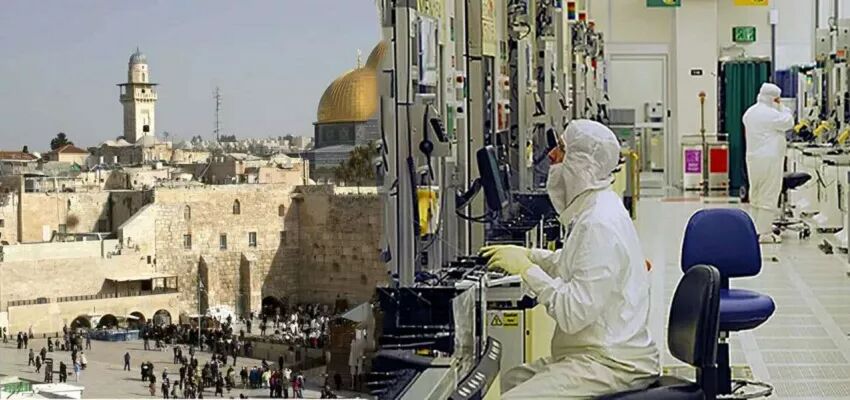

Israel is a small country, smaller than the combined area of Beijing and Tianjin, with a population of less than 8.8 million and scarce resources, having nothing but sand.
Israel is a strong nation, ranking second in the global innovation index, with a per capita GDP exceeding $40,000, known for having some of the smartest minds in the world.
Israel is also a chip kingdom, nurturing over 160 chip companies, with annual exports accounting for more than 22% of Israel’s total exports.
Intel, Qualcomm, Samsung, Broadcom… almost all leading international semiconductor companies have extended a friendly hand to Israel, establishing a presence here has almost become a trend pursued by these large companies.
From information and communication fields to the global computing boom, and now the trend of artificial intelligence (AI), Israel’s chip industry has achieved world-renowned accomplishments in these high-tech areas, with the chip technology behind almost all electronic devices around us having an Israeli footprint.
In the increasingly competitive semiconductor industry, Israel has a large number of excellent chip companies being sought after for acquisition by many international semiconductor giants, along with a significant number of emerging chip startups attracting the attention of more and more international investors, including those from China.


Chip Giants Gather in Israel
This is a country with astonishing innovation and research capabilities, where prototypes of QQ, the first mobile phone “Big Brother” from Motorola, USB drives, Google’s search algorithm, and communication technologies for transmitting text messages were born.
Today, heavyweight players in the chip industry ecosystem, such as Intel, Qualcomm, NVIDIA, Apple, Broadcom, Samsung, CEVA, Marvell, KLA-Tencor, Texas Instruments, LG, and Hitachi, have all set up their research institutions in Israel, recognizing it as a fertile ground for chip companies.
Israel’s chip technology has entered every aspect of people’s lives worldwide. Communication field’s Motorola baseband chips, Texas Instruments’ Bluetooth chips in the sensor field, Intel’s high-end processors in the PC field, and Sandisk’s flash memory chips in the storage field are all developed in Israel.
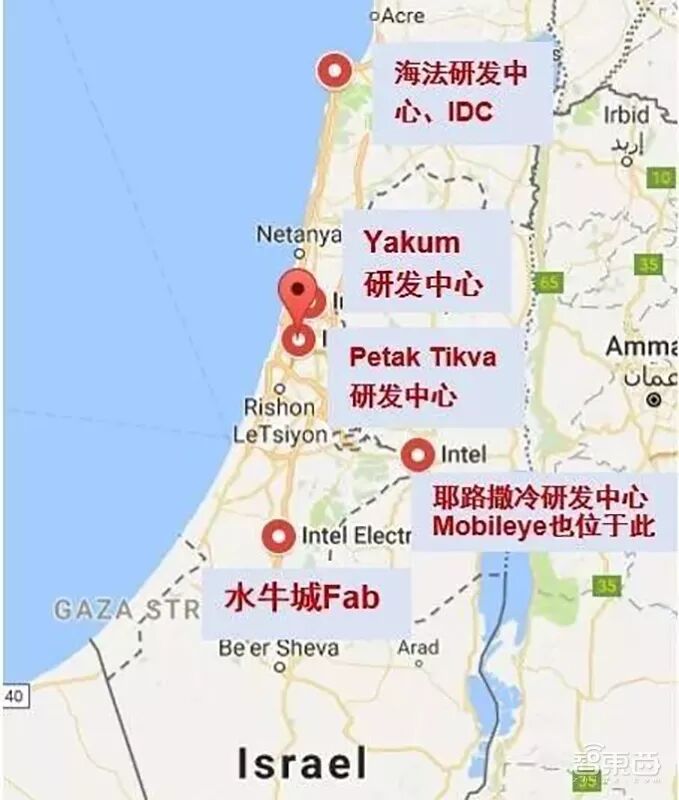
▲ Intel’s four R&D centers in Israel
Among them, Intel is one of the multinational chip companies that favor Israel the most. Since 1974, Intel has built four R&D centers in Haifa, Yakum, Jerusalem, and Petah Tikva, employing about 11,000 people, with approximately 60% of employees engaged in chip R&D. The first computer processors, Pentium, Celeron, Core, SNB, Ivy Bridge, and other major CPUs were completed in these R&D centers in Israel.
Since starting operations in Israel, Intel has invested approximately $35 billion. According to Intel’s data, in 2017, Intel exported about $3.6 billion from Israel, accounting for 8% of Israel’s high-tech exports and 1% of Israel’s GDP.
It is said that employees at Intel’s Israel R&D centers nurture an average of 30 innovative companies each year, creating 250 jobs, making it a training ground for Israel’s semiconductor industry.
Amir Faintuch, Intel’s Senior Vice President and Global Strategy Investment and Transactions Director, stated that its Israel team ensures “hundreds of billions of dollars in revenue” for Intel. There are also reports that Intel plans to invest $5 billion in 2020 to expand its chip manufacturing plant in Kiryat Gat, Israel.
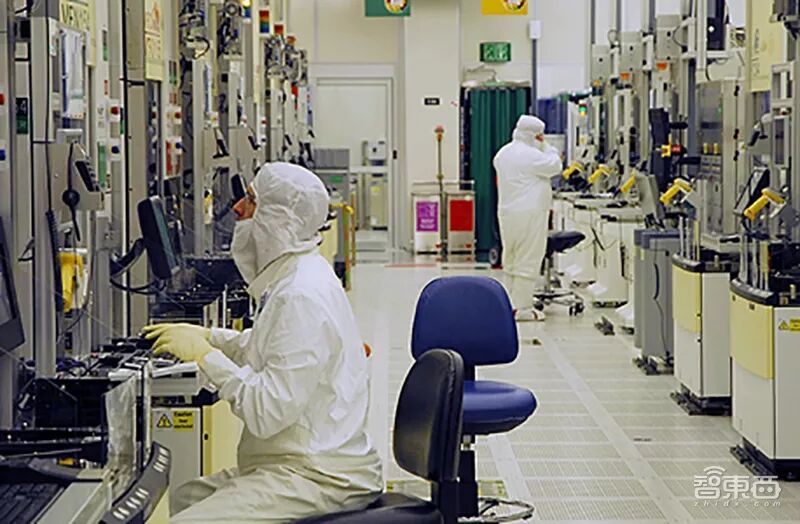
▲ Intel’s Kiryat Gat chip manufacturing plant
NVIDIA has also been active in Israel for the past eight years, both selling processors locally and acquiring stakes in startups while establishing R&D departments.
In October this year, NVIDIA announced plans to establish a new research center in Israel focused on AI, to be led by former Google AI department executive Professor Gal Chechik, and will recruit a dedicated research team for AI. Additionally, NVIDIA stated in a press release that it plans to significantly expand its team of deep learning engineers in Israel.
Apple also has three R&D centers in Israel, the largest of which is located in Herzliya, covering an area of 180,000 square feet, making it Apple’s largest research center outside the United States.
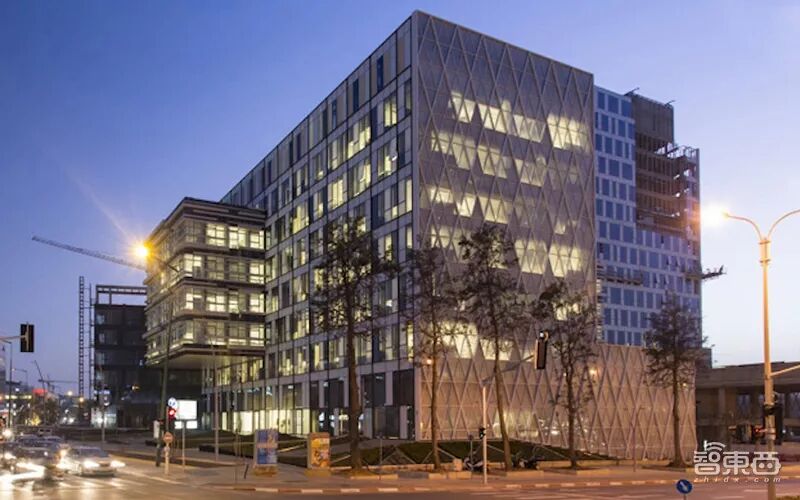
▲ Apple’s new Herzliya R&D center
Apple’s Senior Vice President of Hardware Technologies, Johny Srouji, stated at the end of last year that what is done in Israel is “crucial for us to deliver to any device,” citing examples such as the A11 simulation system on chips powering the new iPhone X, integrated WiFi Bluetooth chips, Apple Watch, and storage components for every Apple device.
The strength of Israel’s chips lies not only in the gathering of chip giants but also in the acquisition of many Israeli chip companies with outstanding innovative thinking and R&D capabilities by tech giants from home and abroad.

15 Israeli Chip Companies Acquired by Tech Giants
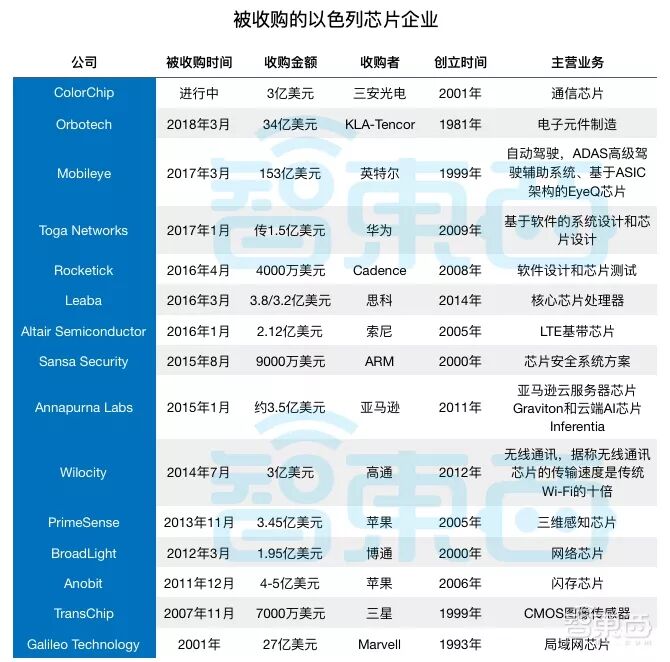
▲ 15 Israeli chip companies that have been or are about to be acquired
1. Communication Chip Company ColorChip to be Acquired by Sanan Optoelectronics
Chinese chip design and manufacturing company, LED leader Sanan Optoelectronics plans to acquire Israeli communication chip company ColorChip for $300 million, with the acquisition currently underway.
ColorChip mainly develops hybrid integration technology based on the so-called SystemOnGlass, using glass material wafers to produce optical devices, thus bringing semiconductor manufacturing technology into the optical communication field. The company has raised $112 million in private funding.
2. Orbotech Acquired by KLA-Tencor
KLA-Tencor, according to its president AMI Applebaum, stated that without their machines, companies like Apple, Samsung, and LG would be unable to produce chips and develop new devices. In March this year, the American semiconductor company KLA-Tencor acquired Israeli company Orbotech for $3.4 billion, hoping to gain new opportunities in high-growth markets such as printed circuit boards, flat panel displays, semiconductor manufacturing, and packaging through this acquisition.
Almost all precision electronic devices we use in our daily lives, such as computers, smartphones, tablets, and smartwatches, are closely related to Orbotech’s production and inspection equipment. It is said that 90% of the printed circuit boards (PCBs) used in mobile phones are inspected using automatic optical inspection (AOI) systems produced by Orbotech or another Israeli company, Camtek.
3. Mobileye, the Advanced Driver Assistance Technology Company, Acquired by Intel
Mobileye was founded in 1999 by Professor Amnon Shashua and Ziv Aviram from the Hebrew University of Israel, providing pre-installed advanced driver assistance systems (ADAS) from level L1 to L3, and launched the EyeQ chip based on ASIC architecture in 2004, along with its customized visual perception algorithms.
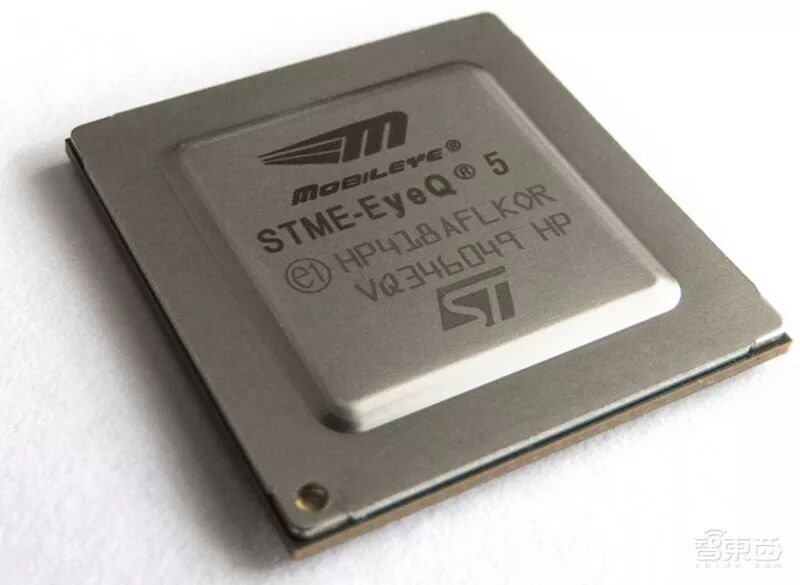
In March 2017, Intel spent $15.3 billion to acquire Israeli Mobileye, seizing the opportunity to enhance its algorithm + CPU + cloud computing autonomous driving platform, directly entering the autonomous driving field.
4. Toga Networks Acquired by Huawei
In January 2017, Huawei confirmed that it had acquired Israeli company Toga Networks. Toga claims to be a database security company, providing products such as switches, routers, and cloud storage systems for the IT and telecommunications markets.
Toga and Huawei have been long-term R&D partners, although the specific nature of their cooperation is not clear. It is rumored that the transaction price may be $150 million.
5. Rocketick Acquired by Cadence
Cadence has a star product in the Verilog RTL simulator market – the emerging accelerated verification simulation engine RockSim, which comes from Cadence’s acquisition of Israeli chip startup Rocketick for $40 million in April 2016. This startup had received two rounds of investment from NVIDIA and Intel.
Because Rocketick’s software tools can accelerate EDA simulation speed, Cadence CEO Lip-Bu Tan told Zhixiaoxi that its clients suggested they acquire this startup and integrate it into Cadence’s own company.
6. Leaba Acquired by Cisco
Cisco, as a hardware manufacturer hoping to develop in software fields such as cloud computing, has invested heavily back into the foundational hardware field. In March 2016, Cisco announced the acquisition of Israeli chip manufacturer Leaba, which had been established for less than two years, and Leaba’s products will become part of Cisco’s core hardware.
However, due to conflicting media reports, the acquisition amount has been reported as either $320 million or $380 million. Leaba will report to Cisco’s Senior Vice President, Ravi Cherukuri, who heads Cisco’s hardware division.
7. Altair Semiconductor Acquired by Sony
In January 2016, Sony announced it would acquire Israeli chip manufacturer Altair Semiconductor for $212 million. Altair has baseband chip technology suitable for LTE and related software, and its baseband chip products are in high demand due to their low power consumption, high performance, and competitive costs.
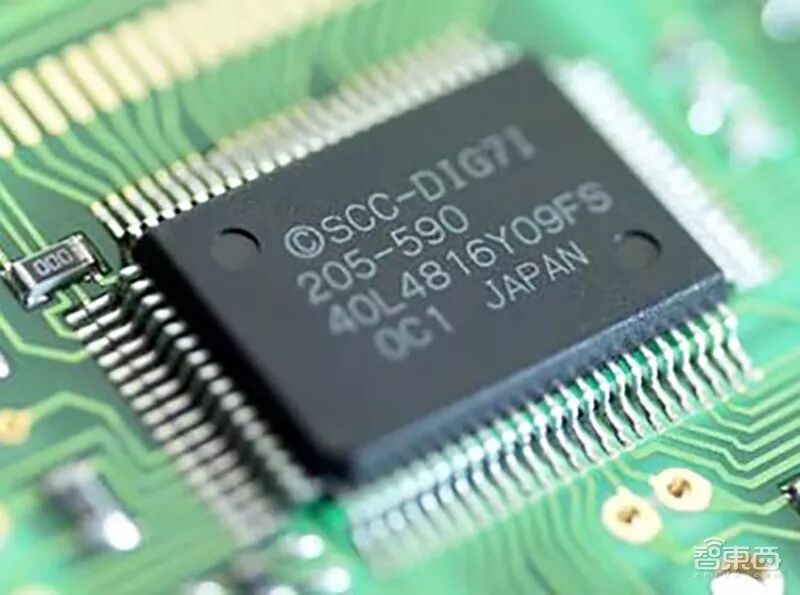
By acquiring Altair, Sony will combine its sensor technology and imaging sensors with Altair’s baseband chip technology to further develop new generation sensing technologies to meet the ongoing expansion of the wearable and IoT device markets.
8. Sansa Security Acquired by ARM
In August 2015, British semiconductor company ARM acquired Israeli chip security system provider Sansa Security for $90 million.
Sansa Security, founded in 2000, mainly engages in mobile security systems and memory chip R&D. Its advantage lies in providing information protection security platforms for IoT devices, and ARM’s move may be aimed at enhancing its position in the IoT field.
9. Annapurna Labs Acquired by Amazon
Annapurna Labs is an Israeli chip manufacturer established in 2011, mainly developing low-power microprocessors. Its founder, Avigdor Willenz, also founded another chip company, Galileo Technologies, which was acquired by Marvell Group for $2.7 billion in 2000.
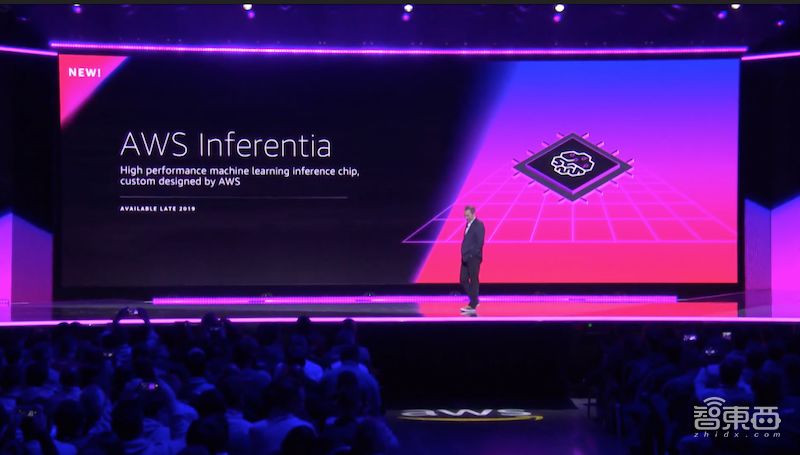
In January 2015, Amazon reached an acquisition agreement with Annapurna, and the cloud server chips Graviton and cloud AI chips Inferentia recently launched by Amazon are both products of Annapurna.
10. Wireless Communication Company Wilocity Acquired by Qualcomm
Israeli fabless chip manufacturer Wilocity was established in 2007, mainly developing WiGig chips. WiGig is a new wireless transmission technology standard that uses 60GHz transmission technology to achieve a maximum wireless transmission speed of 7Gbps over short distances of 10-20 meters.
In July 2014, Qualcomm announced the acquisition of Wilocity for $300 million. Subsequently, Wilocity’s CEO Tal Tamir became the Vice President of Product Management for Qualcomm’s Atheros division.
At last year’s CES, Qualcomm showcased multi-gigabit wireless WiGig chipsets produced in collaboration with Wilocity. The ultra-fast system can even transmit high-definition video over distances of up to 40 meters, with speeds more than 10 times faster than the current average Wi-Fi transmission rate.
11. 3D Sensor Company PrimeSense Acquired by Apple
Israeli company PrimeSense started as a developer of 3D sensing software and camera systems, later successfully transforming into a chip manufacturer and was an early technology supplier for Microsoft’s Kinect motion control. In November 2013, Apple acquired PrimeSense for $345 million.
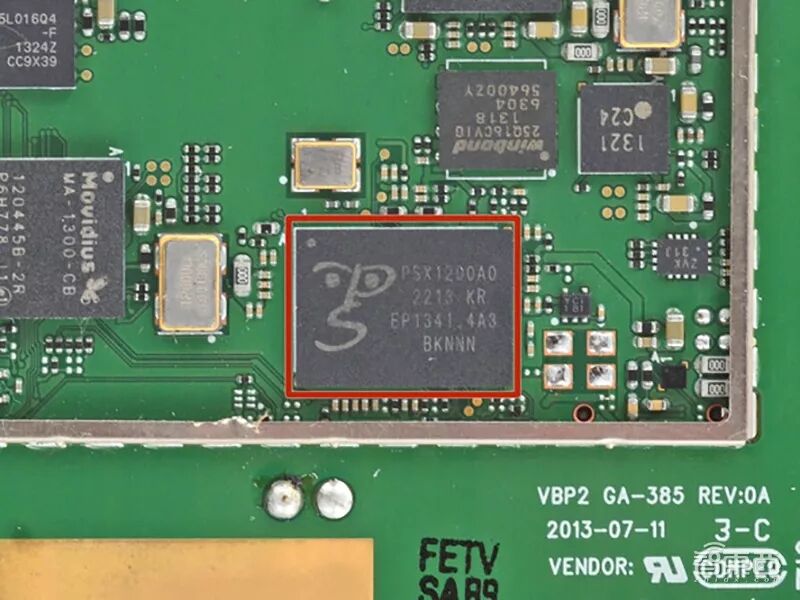
It is rumored that Apple is very interested in the mobile chipsets developed by this Israeli company, as its chips and corresponding software can help Apple enhance various technologies such as identity recognition, indoor mapping, and 3D tracking. Currently, PrimeSense’s technology has been used in the “3D touch” feature, and it is speculated that this technology will also be used in Apple TV.
12. BroadLight Acquired by Broadcom
Last year, Broadcom, which failed to acquire Qualcomm, has a special affection for Israel. From 2007 to 2016, Broadcom acquired more than 13 semiconductor companies in Israel, spending nearly $2 billion.
In March 2012, Broadcom announced the acquisition of Israeli chip developer BroadLight for $195 million. BroadLight was established in 2000, mainly providing semiconductors and software for fiber optic communication networks, and had raised $55 million before the acquisition.
This was Broadcom’s tenth acquisition in Israel; previously, Broadcom had acquired another Israeli chip developer, Provigent, for $313 million in April 2011.
13. Anobit Acquired by Apple
In December 2011, Apple spent about $400-500 million to acquire Israeli flash memory design company Anobit, marking Tim Cook’s first acquisition as Apple’s CEO and Apple’s first acquisition of an Israeli company. Anobit’s flash technology helped Apple create the largest storage capacity on the iPhone – 256GB.
In the past 20 years, Apple has only acquired pure hardware companies founded by Steve Jobs, such as NeXT, image chip manufacturer Raycer Graphics, chip design company Intrinsity, and processor manufacturer P.A.Semi.
14. TransChip Acquired by Samsung
In November 2007, Samsung announced the acquisition of Israeli chip design company TransChip for $70 million. TransChip developed high-quality CMOS image sensor chips, capturing a large market share of CMOS sensors in mobile phones.
This was Samsung’s first acquisition outside the company since 1997, and the company stated it would use TransChip as its research and development center in Israel, hoping to expand its market share in CMOS sensors through this acquisition.
15. Galileo Technology Acquired by Marvell
In 2000, Marvell spent $2.7 billion to acquire LAN chip provider Galileo Technology, which was founded by chip veteran Avidor Willenz, who also founded Annapurna Labs, which produced cloud CPUs and cloud AI chips for Amazon.
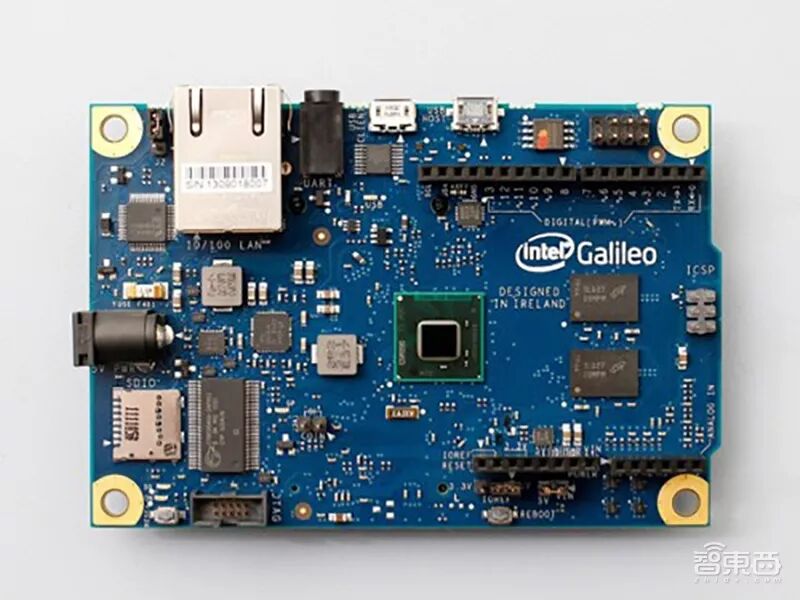
Galileo mainly designs and sells complex semiconductor devices in the communications field. Some believe Marvell’s move was aimed at establishing customer relationships with Intel.
International giants acquiring Israeli chip companies are not limited to the above companies; for example, Applied Materials spent $175 million and $110 million in 1996 to acquire two Israeli chip companies, Texas Instruments acquired three Israeli chip companies in 1999, Broadcom has acquired more than a dozen Israeli chip companies, and Qualcomm has also made multiple acquisitions in Israel. However, due to space constraints, we will not elaborate on them here.

Four Israeli AI Chip Startups
With the wave of artificial intelligence (AI) sweeping the globe, AI chips have quickly become one of the hottest focuses. Chip giants like NVIDIA and Intel have successively launched products, while Google, Apple, and Huawei have crossed over to develop their own chips, and Facebook, Alibaba, and Amazon have also announced chip plans or products, leading to a proliferation of AI chip startups. Israel, always at the forefront of technology, is not falling behind, with a new batch of Israeli AI chip startups emerging.
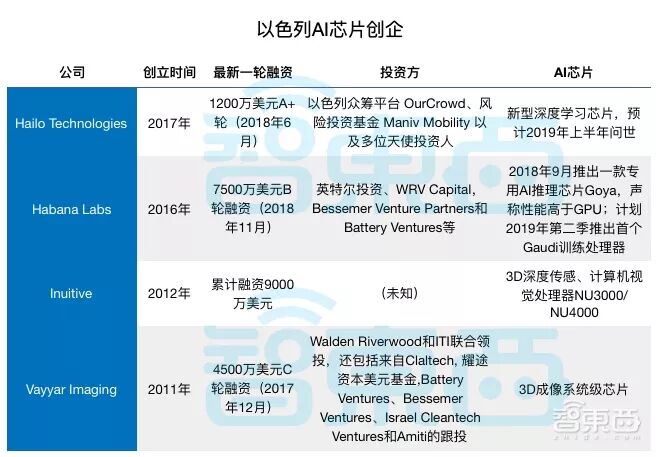
▲ Four Israeli AI chip startups
1. Hailo Technologies
Founded in 2017, Hailo’s founding team has backgrounds in the Israeli Ministry of Defense and commercial engineering. The company announced the completion of $12 million in Series A funding in June.
Hailo claims to have mastered revolutionary processor architecture technology that can provide real-time high-resolution sensing data for edge computing, achieving neural network processing acceleration.
Its deep learning chip samples are expected to enter the market in the first half of next year, and these chips can be used in drones, autonomous vehicles, IoT (Internet of Things), as well as smart home appliances and cameras.
2. Habana Labs
Just last month, Israeli fabless semiconductor company Habana Labs secured $75 million in funding, with investments from Intel, WRV Capital, Bessemer Venture Partners, and Battery Ventures. The company has raised a total of $120 million.
In September this year, Habana Labs announced the release of the world’s highest-performing AI inference processor samples, claiming that its AI processor’s performance exceeds that of half of the solutions currently deployed in data centers by one to three orders of magnitude, with its Goya HL-1000 processor-based PCIe card achieving a throughput of 15,000 images per second under the ResNet-50 inference benchmark, with a latency of 1.3 milliseconds and a power consumption of only 100 watts.
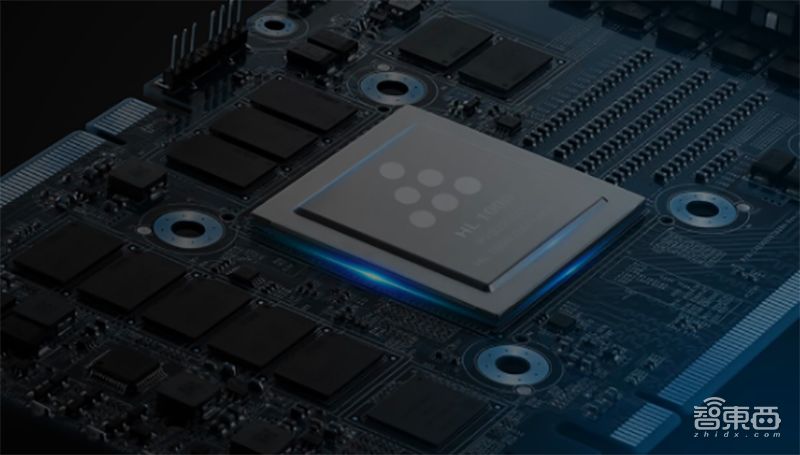
It is reported that this new round of financing will be used to implement product development plans for inference and training solutions, as well as the next generation of 7nm AI processors. The company plans to launch its Gaudi(TM) training processor solution samples in the second quarter of 2019.
3. Inuitive
Israeli semiconductor startup Inuitive was founded in 2012, and its products NU3000/NU4000 are ASIC chips supporting 3D image processing and computer vision (CV) processing. Inuitive is said to be the first and only company to provide dedicated and complete 3D image processing and CV coprocessors.
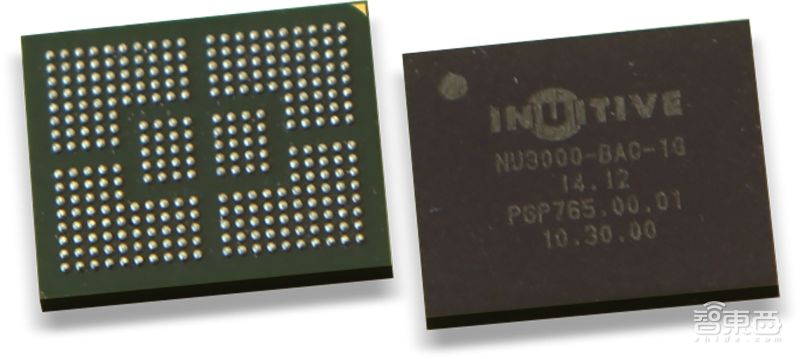
On December 5 last year, Inuitive reached a cooperation agreement with SoftBank Corp., a subsidiary of the Japanese SoftBank Group, stating that SoftBank’s future IoT will use the chips developed by this startup. According to Inuitive’s founder and CEO Shlomo Gadot, Inuitive will assist SoftBank in preparing for the 2020 Tokyo Olympics project.
In addition to SoftBank, Inuitive has also collaborated with Baidu and Tencent in robotics, and the company has established a team in Shenzhen for customer support.
4. Vayyar Imaging
Another Israeli company collaborating with SoftBank is Vayyar Imaging. Vayyar, established in 2011, is a 3D sensor company with three co-founders who have strong backgrounds, having held important positions in high-tech companies like Intel and have 20-30 years of R&D experience in their respective fields, with two of the founders having been entrusted with significant responsibilities in the Israel Defense Forces.
Vayyar not only provides sensors for applications such as breast cancer screening, leak detection, and safety monitoring but also develops system-on-chip (SoC) solutions for millimeter-wave 3D imaging. Its chips cover imaging and radar frequency bands from 3GHz to 81GHz, with a single chip containing 72 transmitters and receivers.
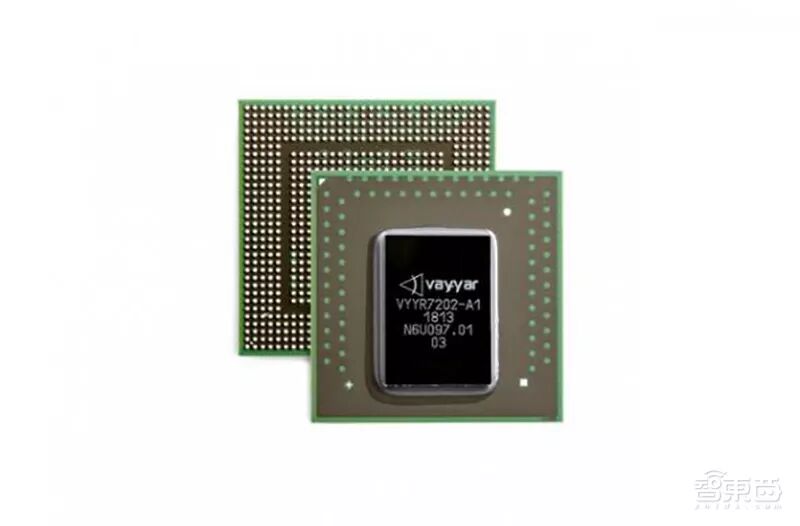
The collaboration will combine SoftBank’s AI technology advantages with Vayyar’s 3D sensor advantages, deeply cooperating in smart transportation, building monitoring, and elderly care fields.

Chinese Investment in Israel’s High-Tech Industry
As a small country with only 8 million people, despite the flourishing high-tech industry, including chip companies, it is still somewhat constrained by funding. At this time, external funding becomes a key factor for the success of Israeli startups.
Many countries around the world recognize Israel’s innovative capabilities and development potential in high-tech enterprises and are willing to invest here, and China is no exception.
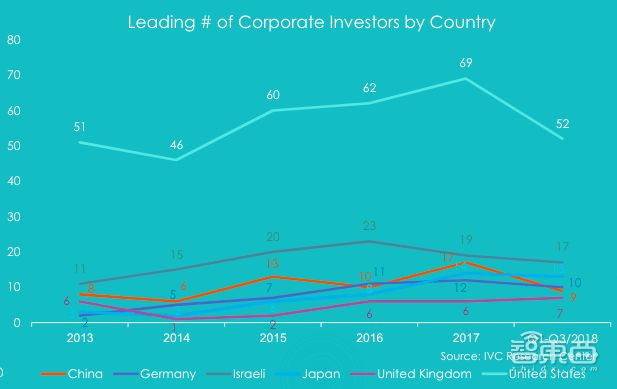
According to a report from the IVC Research Center, the number of investments from China in Israeli companies has shown a slight upward trend over the past five years, ranking third in the number of investments last year, only behind the United States and Israel itself.
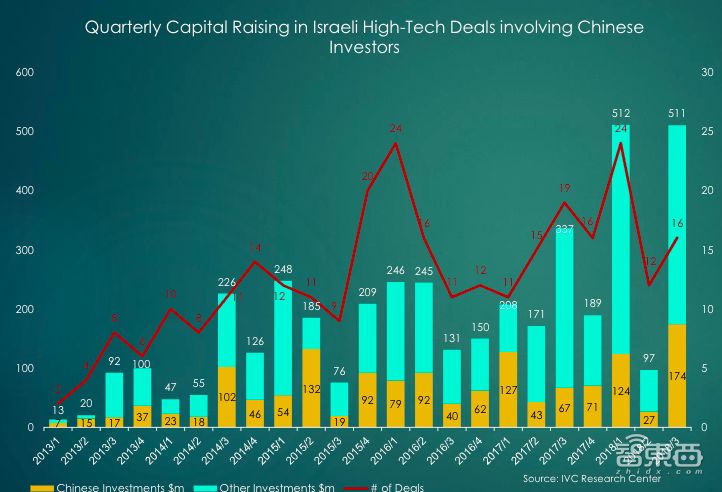
As shown in the above chart, in the past two years, the number of quarterly transactions between Chinese investors and Israeli companies has ranged from 11 to 24. This year, the transaction amount between Chinese investors and Israeli companies has significantly exceeded that of the past four years, with the third quarter reaching nearly $174 million, accounting for 25% of the total transaction amount in Israel for that quarter.
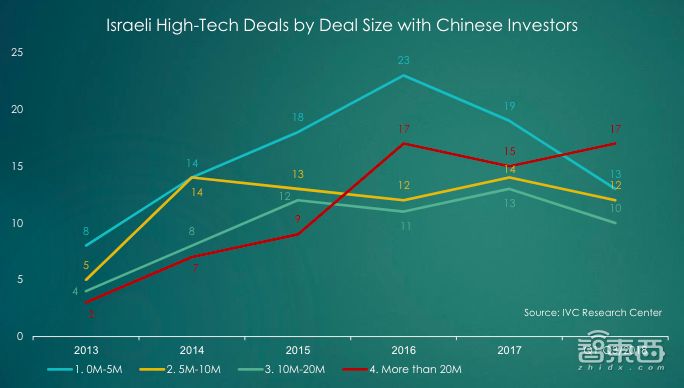
Since 2016, the number of single transactions exceeding $20 million from Chinese investors in Israeli high-tech companies has significantly increased. The report states that in the first three quarters of this year, there were 17 investments from China in Israel exceeding $50 million, and Chinese investors have participated in 6 of the largest transactions in Israel to date.
In the past five years, the most active investors in Israel have been Hillhouse Capital (32 transactions), ZhenFund (19 transactions), Ocean Link (18 transactions), Huike Capital (13 transactions), and Alibaba Capital (12 transactions).

The “Gravity” of Israel’s Chips
Why are there so many excellent chip companies in Israel? What attracts giants from around the world? Years of historical accumulation, long-term policy support, a tripartite combination of industry, academia, and incubators, along with the participation of social capital, have nurtured a large number of high-quality talents in the semiconductor industry.
1. Sense of Crisis, Everyone is a Soldier
The irreconcilable religious conflicts, long-standing wars in the surrounding areas, and the lack of resources have kept the Jewish people living in Israel constantly courageous, loyal to their homeland, and acutely aware of crisis. They realize that only by relying on the smartest minds can they create a world in international competition.
How astonishing is Israel’s investment in education? It is reported that since 2000, nearly half of Israelis have received 13 years of schooling, with 140 scientists and engineers per 10,000 Israelis, a ratio that is twice that of the United States and Japan.

All Israelis who reach the age of eighteen must serve in the military, and among these young people, those who stand out through selection will receive the most advanced training in physics, mathematics, computer science, and defense technology.
The pressure of competition and the allure of honor have inspired a large number of Israeli youth to strive. After rigorous training in the military, most of them will flow into various technology industries, either becoming the backbone of companies or directly rushing into the wave of entrepreneurship.
2. Policy Encouragement, Diverse and Open
The rigorous military service shapes Israelis’ stronger comprehensive qualities and excellent self-management abilities, while the founding fathers’ governance philosophy and the foresight of successive governments in the high-tech field provide an environment for innovation to thrive.
Market-oriented policies, the establishment of high-tech zones like “Silicon Wadi,” providing economic support, implementing “angel laws,” supporting scientific research, increasing employment supply, expanding the employee base, and establishing dedicated venture funds… A series of government measures combined with the Israeli people’s desire for national self-improvement have created a harmonious chemical reaction, resulting in not only chip companies but also many successful IT companies, making this small country shine with technological brilliance.

While realizing their self-worth, Israeli startups are also contributing to government revenue. Taking Intel’s $15.3 billion acquisition of Mobileye as an example, as part of this transaction, Intel is required to pay nearly $1 billion in taxes to the Israeli government. According to Professor Avi Simon, head of the Israeli National Economic Council, in the long term, the revenue from this transaction will reach about $2.6 billion (10 billion shekels).
Countries like China, bound by the Wassenaar Arrangement, find it difficult to obtain truly advanced overseas high-tech, while Israel is not one of the 33 countries under this restriction, which is one of the reasons that enable Israel to sprint in the high-tech field.
3. Innovative Thinking, Daring to Think and Do
Both historical and policy factors have made innovative genes almost embedded in the blood of the Israeli people. Even one of the semiconductor giants, Samsung, has conducted a series of internal activities called “Learning Innovation from Israel,” encouraging employees to learn the innovative spirit of Israel and develop genius-like thinking.
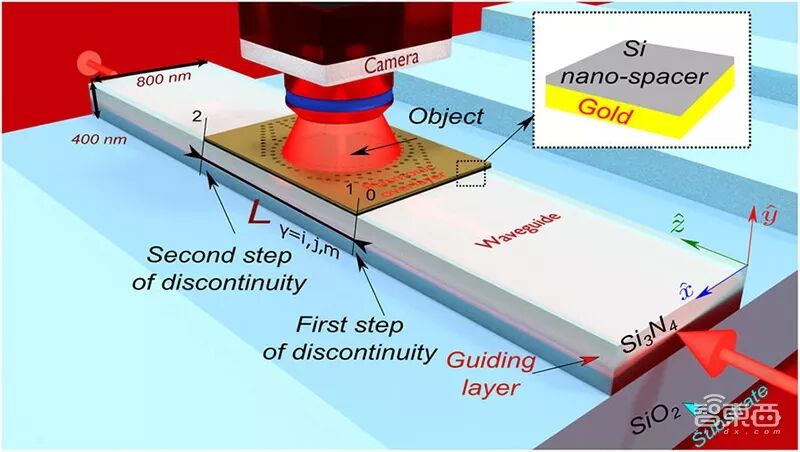
Their thinking does not even limit itself to the chips themselves. The “invisibility cloak” from Harry Potter is so wonderful, but can you imagine using chips to make this sci-fi scene a reality?
Last year, scientists at Ben-Gurion University (BGU) published a study in the journal Nature, detailing how to use artificial materials on chips to bend light around objects, making them invisible to the human eye.
4. Rapid R&D, Timely Delivery
For any semiconductor company, having innovative talent is crucial, but top-notch R&D strength and the ability to deliver products on time are also key.
With rich knowledge and experience across multiple fields, and a strong ability to learn and grow quickly, Israeli engineers are relatively adept at meeting the increasingly high demands for chips (high efficiency, low power consumption, small area, etc.).
The high quality and efficiency of their completed products have earned them increasing trust, attracting more international semiconductor companies to establish R&D centers, invest, and acquire.

Conclusion: The Revelation of Israeli Chips
Israel is truly admirable, born in a barren land and suffering from the pains of war, yet shedding its mottled past and donning a holy light, developing into the undisputed “Second Silicon Valley.” At a time when our country is suffering from the pain of lacking “chips,” we can absorb not only the passion and strategies for “chip-making” from Israel but also hope to accelerate the filling of the gaps in domestic “chip-making.”
On one hand, we can see the power of talent, the good cooperation between industry and academia, the advanced R&D strength and execution capabilities, and the energy generated by open innovation among the populace.
On the other hand, we also see opportunities. Even chip giants like Intel, Qualcomm, and Samsung are leveraging the strength of Israeli chip companies to rapidly enhance their competitiveness.
China has the largest chip market, while Israel is the cradle of chip startups. Establishing research centers, acquisitions, investments, technology licensing, and commercial cooperation, or engaging with excellent Israeli R&D teams, may be worth trying for our country to rapidly enhance R&D strength and master advanced technologies.
After 40 years of reform and opening up, China’s rise has created a historical miracle that spans centuries in the history of modern civilization. This year is a year filled with thorns, but also a year of hope. By embracing and learning from others, perhaps China’s next exciting story will be “Chinese Chips.”
This account is a signed account of NetEase News · NetEase Number “Each has its own attitude”.
At 8 PM on Wednesday, the second lecture of the AI chip series will officially begin! The lecture will be given by Song Jian, Vice President of R&D at Tanjing Technology, with the theme “New AI Chip Architecture to Break Through the ‘Memory Wall’ – Storage Priority.” Interested friends can scan the code to register!