01

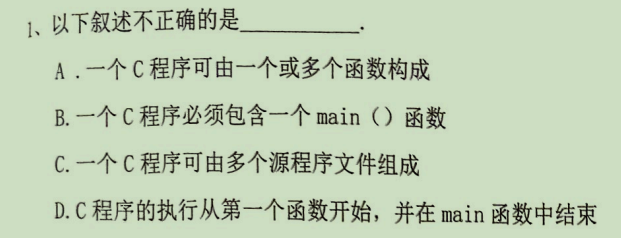

Answer: D
Explanation: Brief
02
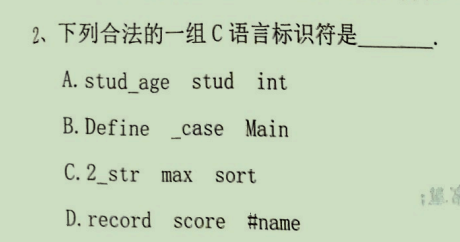
Answer: B
Explanation: Brief
03
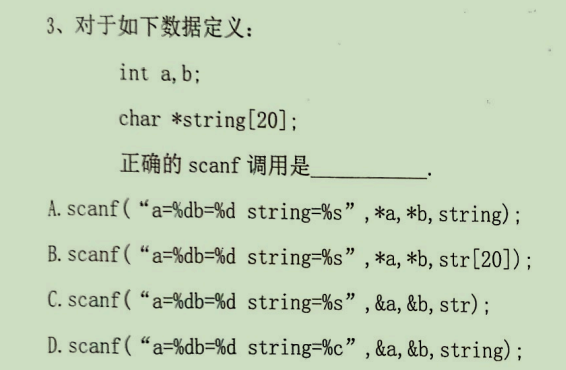
Answer: None
Explanation: The correct format should be
scanf(“a=%db=%d string=%s”,&a,&b,string);
04
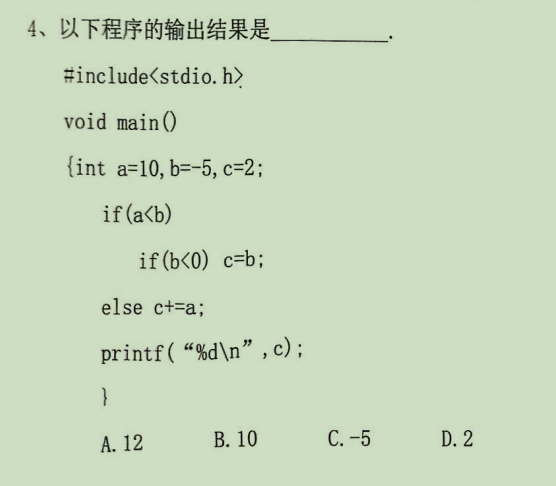
Answer: D
Explanation: The else statement always pairs with the nearest unmatched if statement.
05
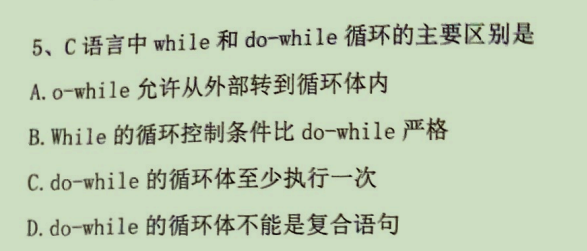
Answer: C
Explanation: Brief
06
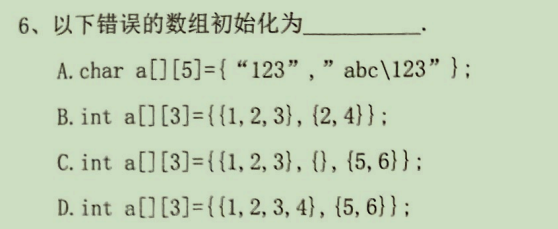
Answer: D
Explanation: Brief
07
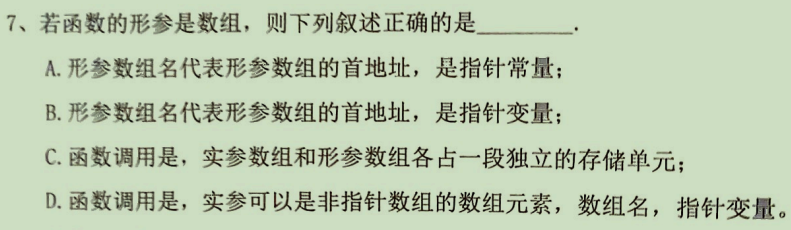
Answer: B
Explanation: In C language, when an array is passed as a function parameter, what is actually passed is the address of the first element of the array (pointer), not a copy of the entire array. The parameter array name is essentially a pointer variable pointing to the first address of the actual parameter array. The formal parameter and the actual parameter array share the same memory and do not have independent storage units.
08
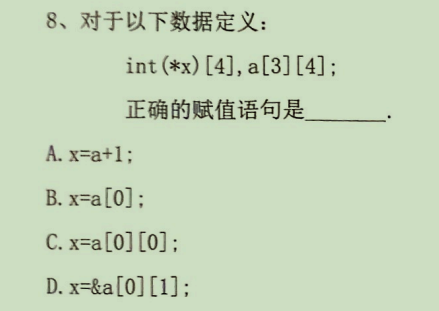
Answer: A
Explanation:
For option A: a is a two-dimensional array name, the type is int(*)[4], pointing to a pointer that contains 4 int type arrays, a+1 points to the second row a[1], the type matches x completely.
For option D: &a[0][1] is of type int*, pointing to a single int pointer.
09
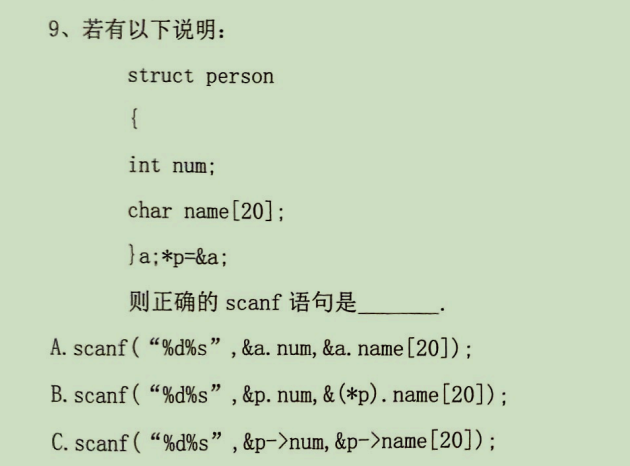

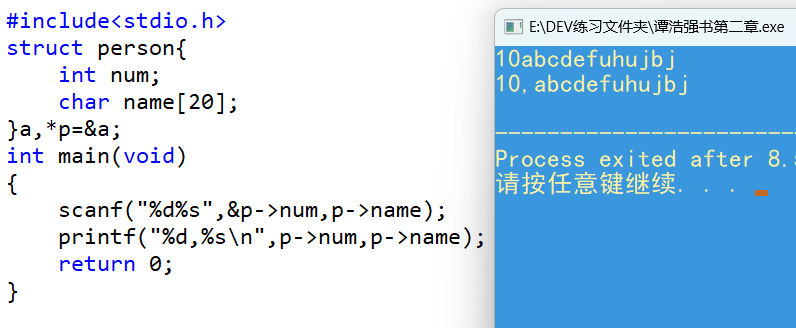
Answer: None
Explanation:
10

Answer: A
Explanation: Brief
11
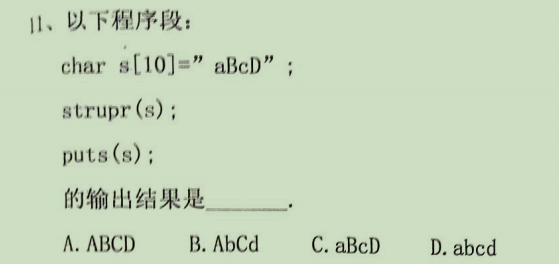
Answer: A
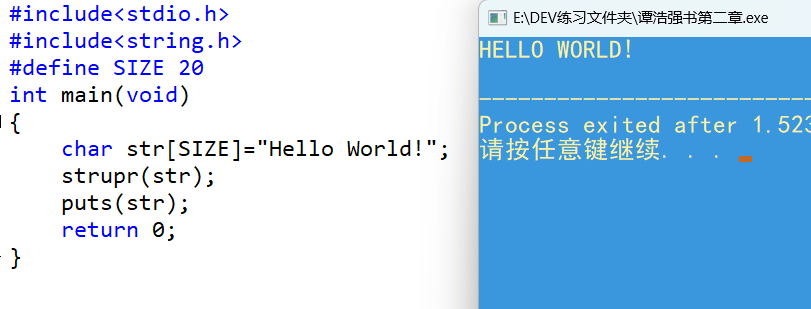
Explanation: The strupr() function is a non-standard library function in C language that converts all lowercase letters in a string to uppercase letters.
12
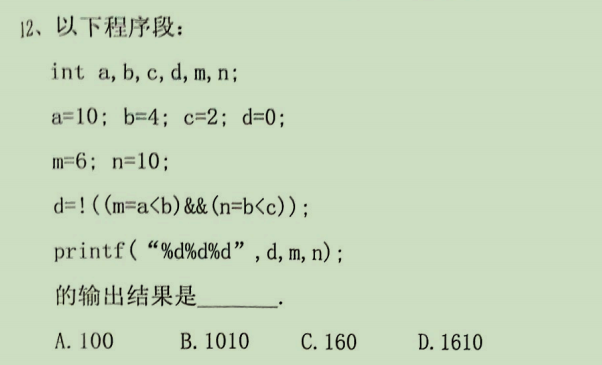
Answer: B
Explanation: Brief
13

Answer: D
Explanation: Common modes for fopen: r+ read and write (file must exist), w+ read and write (clear file or create new), a+ read and write (append mode)
14
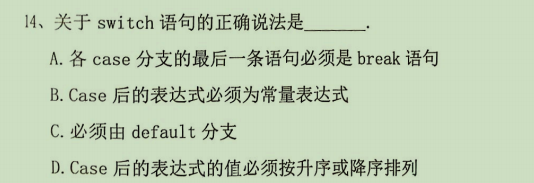
Answer: B
Explanation: Brief
15

Answer: D
Explanation:
For option A: fputc writes a character to a file
For option B: writes formatted data to a file
For option C: writes a string to a file
For option D: reads formatted data from a file
16
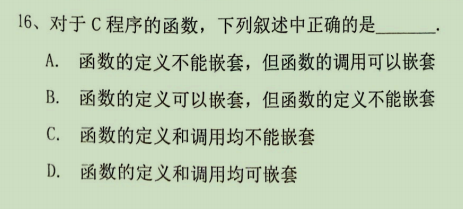
Answer: A
Explanation: Brief
17
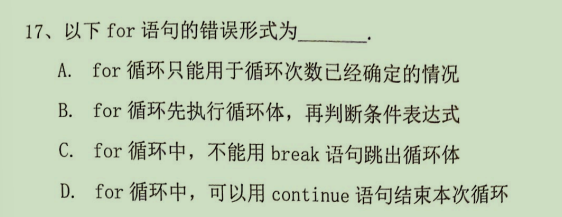
Answer: A, C
Explanation: For option A: for loop can be used in cases where the number of iterations is uncertain, such as for(;;) infinite loop
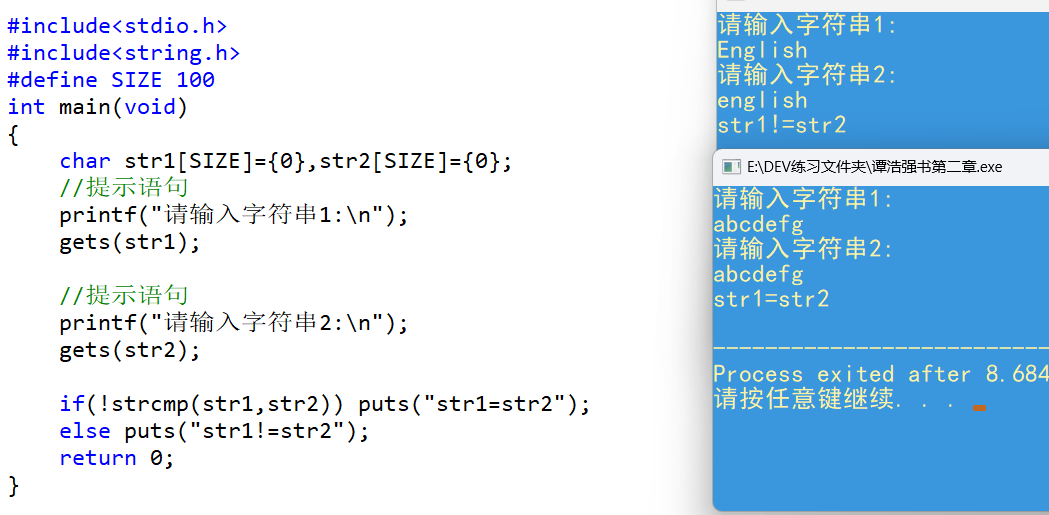
18 (Common Mistake Question)
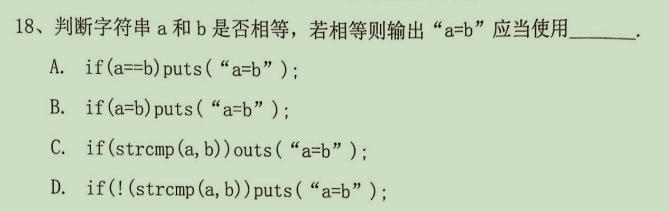
Answer: D
Explanation:
19
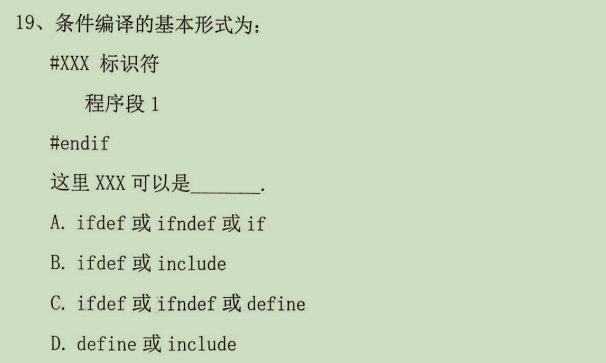
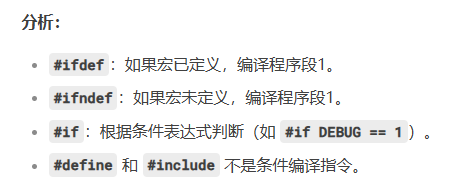
Answer: A
Explanation:
20
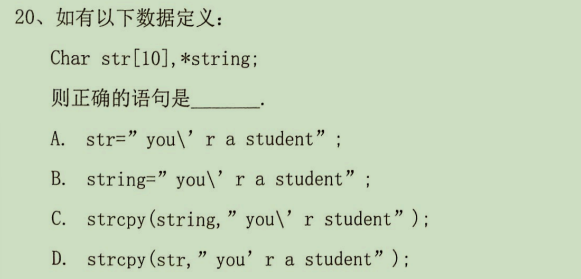
Answer: B
Explanation: Brief
21
The basic structural forms of algorithms are ____ , ____ , ____
Answer: Sequential structure, selection structure, loop structure
Explanation: Brief
22

Answer: 123;45
Explanation: Brief
23
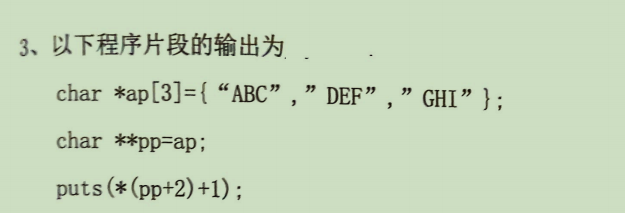
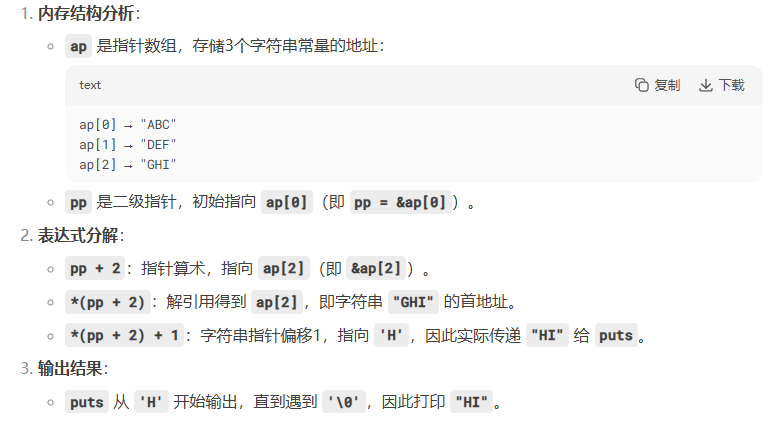
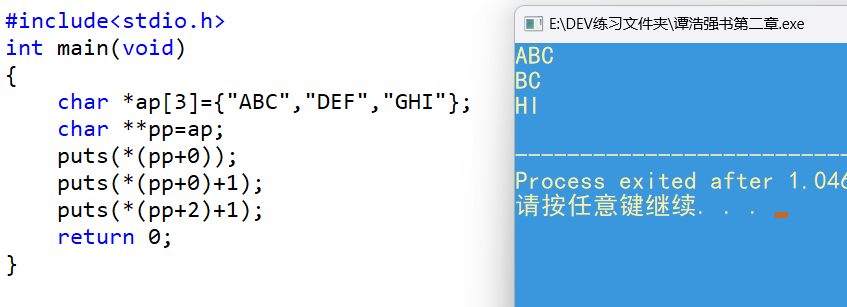
Answer: HI
Explanation:
24
Given the function prototype: float cost(float x); the definition form of the pointer variable pointing to it is _______
Answer: float (*p) (float x)
Explanation: Brief
25
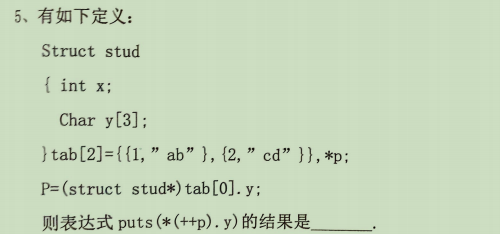
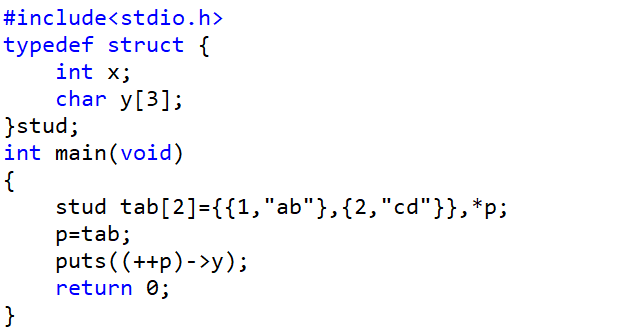
Answer: cd
Explanation:
26

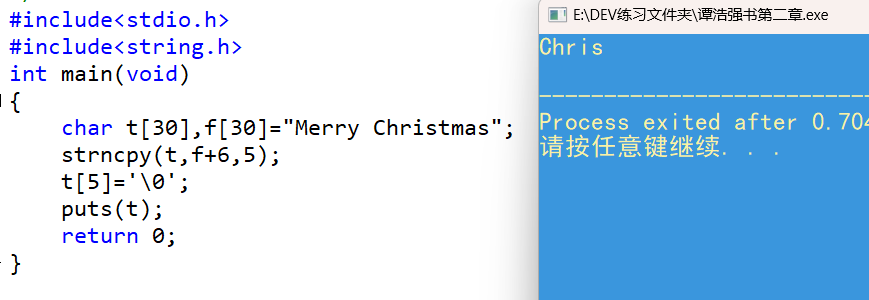
Answer: Chris
Explanation: Brief
27
The scope of static global variables is ____
Answer: From the point of definition to the end of the source file, and only visible to the current compilation unit
Explanation: Brief