 Recently, three AI rehabilitation therapy robots were introduced at a nursing home in Shenzhen. These robots integrate human adaptive systems, AI visual algorithms, and traditional Chinese medicine diagnostic methods, combining the essence of traditional Chinese medicine with modern physical therapy to provide efficient and precise rehabilitation services such as moxibustion, massage, and ultrasound for the elderly. The nursing home is vigorously promoting new initiatives using AI technology to assist the elderly, deploying intelligent product terminals in rehabilitation, nursing, and recreational fields to make elderly care services more professional, focused, and precise.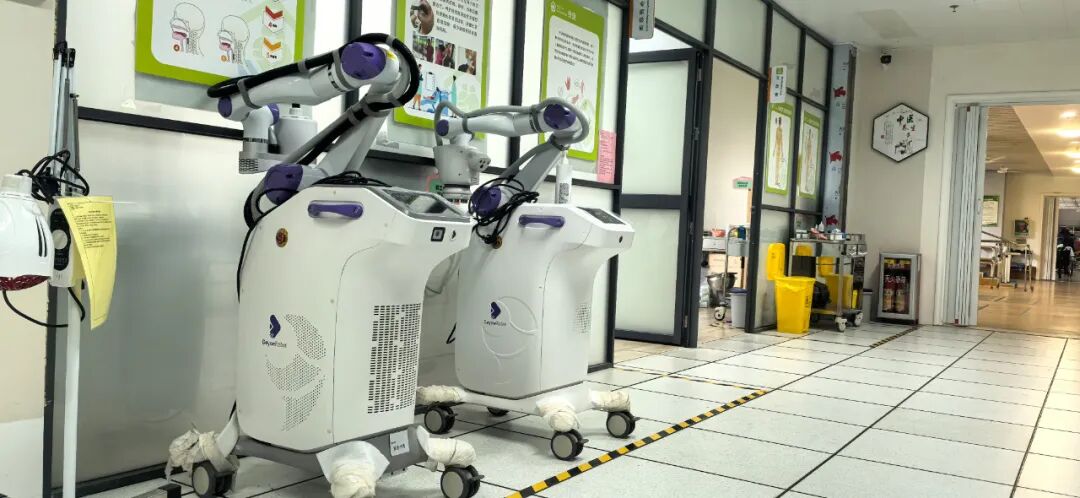

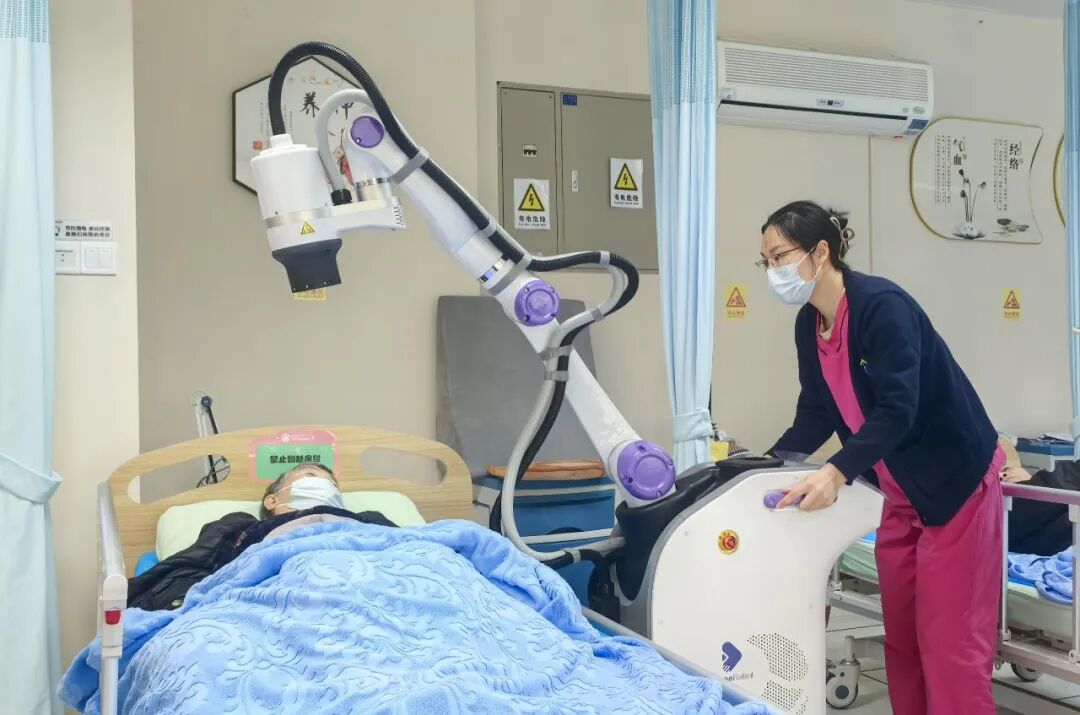
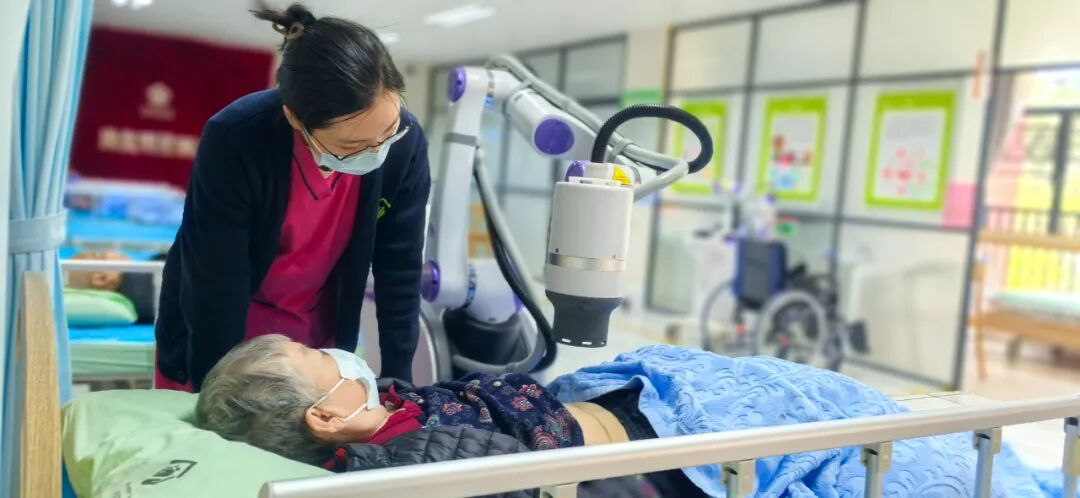 Rehabilitation therapist Xiao Hao introduced that these robots use AI algorithms to accurately locate acupuncture points throughout the body, combine treatment prescriptions based on patient symptoms, and utilize a multi-directional arm to precisely reach the acupuncture points for treatment. The moxibustion robot can be positioned vertically to the surface of the human body during treatment, maximizing the replenishment of Yang energy and achieving the effect of dispelling cold and supplementing Yang.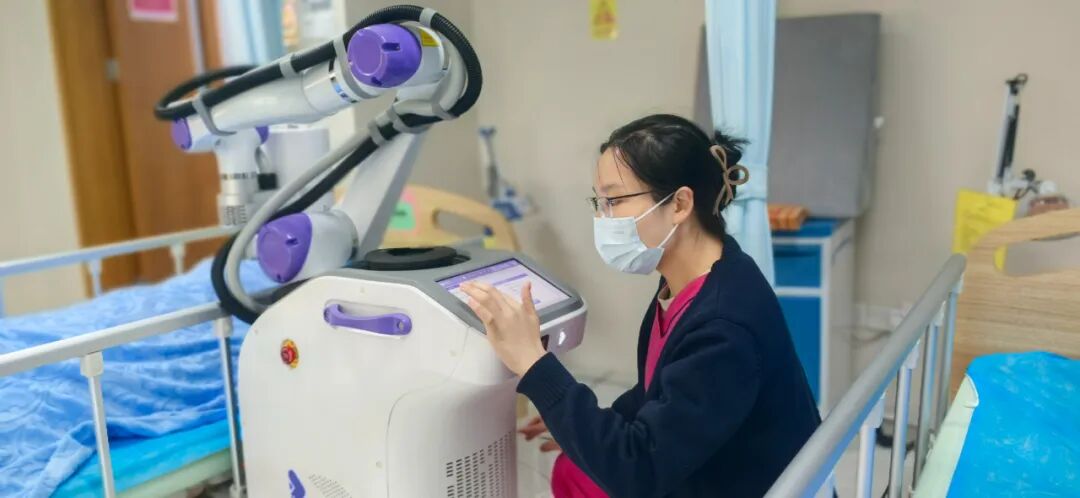
What do netizens think about this?



Although AI technology is widely applied and rapidly developed in the medical field, the role of rehabilitation therapists is irreplaceable. However, these AI technologies will increasingly play a supportive role in the development of rehabilitation therapy.
Currently, rehabilitation robots cannot replace rehabilitation therapists for several reasons:
1. Technical Limitations

Insufficient precision and flexibility: Although robots can accurately locate acupuncture points through AI algorithms, in practice, the location of acupuncture points can vary due to individual differences and changes in body posture. Robots struggle to adjust techniques and pressure flexibly based on the specific conditions of patients, as experienced rehabilitation therapists do, to achieve optimal treatment outcomes.
Lack of emotional and communication skills: Rehabilitation therapy involves not only physical treatment but also psychological support and communication. Rehabilitation therapists can establish good communication and trust with patients, understand their psychological state and needs, and provide encouragement and comfort. Robots cannot understand and express emotions like humans, failing to meet patients’ psychological needs.
2. Irreplaceability of Professionalism and Experience

Comprehensive diagnostic ability: Rehabilitation therapists undergo professional training and education, possessing extensive medical knowledge and rich clinical experience, enabling them to conduct comprehensive assessments and diagnoses of patients’ conditions and develop personalized rehabilitation plans. While robots can provide standardized treatment services, they cannot consider factors such as patients’ conditions, physical status, and psychological state comprehensively to create the most suitable rehabilitation plan.
Ability to respond to emergencies: During rehabilitation therapy, various emergencies may arise, such as patients feeling unwell or experiencing unexpected injuries. Rehabilitation therapists can quickly respond and take appropriate measures based on their professional knowledge and experience. In contrast, robots may struggle to respond timely and effectively to these emergencies due to programming limitations.
3. Ethical and Legal Issues

Responsibility definition: If a robot makes a mistake or an accident occurs during treatment, resulting in patient harm, defining responsibility can become a complex issue. Rehabilitation therapists, as professional medical personnel, have clear responsibilities and obligations, but in cases where robots are involved in treatment, the division of responsibility among robot manufacturers, users, and related parties may lead to disputes.
Privacy protection: Rehabilitation therapy involves patients’ personal privacy and sensitive information, such as health status and medical history. Robots must ensure data security and privacy protection when collecting and processing this information. However, current technologies and measures for data security and privacy protection in robots are not yet sufficient, posing certain risks.
Although these AI technologies currently
cannot replace rehabilitation therapists
they can serve as
auxiliary tools for rehabilitation therapists
to provide patients with a better rehabilitation experience.
Source: Shenzhen Evening News, Network, compiled by Youdao Career
END
Previous Recommendations
Hospital performance distribution causes controversy! One hospital stipulates: performance distribution for surgery 15%, nursing 15%, administration 20%…
Process for obtaining electronic and paper certificates for health qualification exams!
Rehabilitation department fined for prescribing infrared + medium frequency, health insurance bureau: too many prescriptions, excessive medical treatment!
Health Commission notice: therapists allowed to provide home rehabilitation! Home rehabilitation services included in health insurance!
Trending! A 99-year-old female rehabilitation therapist earns more from side jobs collecting waste than from the hospital!
What certificates are special education teachers taking? Essential for special education & rehabilitation!
[Music Therapy] Training courses are now online, with advanced certification for music therapists available~
[Free Benefits] Rehabilitation assessment video collection
[Free] Rehabilitation medicine materials
How much can a rehabilitation therapist with 15 patients a day earn in a month!?
Why are rehabilitation therapists penalized for bone setting and acupuncture?