In April 2025, Japanese construction technology company Serendix completed the construction of a 3D printed “train station”. However, this so-called train station resembles more of a small pavilion similar to a bus stop.
The building, named “Komototetsudo Toyama Station”, is located in Chiba Prefecture and was constructed using concrete 3D printing technology, taking only one-third of the time required by traditional construction methods.
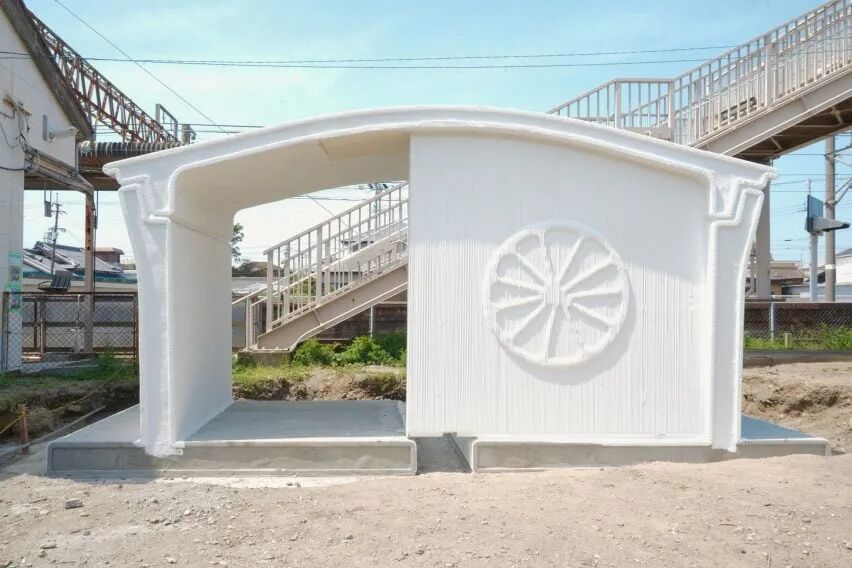
It is reported that this train station includes a waiting area, ticket window, and staff office. Its design breaks away from the traditional rectangular shape of train stations, featuring a smooth, wave-like roof made up of 12 3D printed concrete modules. The modules are connected using a special mortise and tenon structure, eliminating the need for additional steel reinforcement.
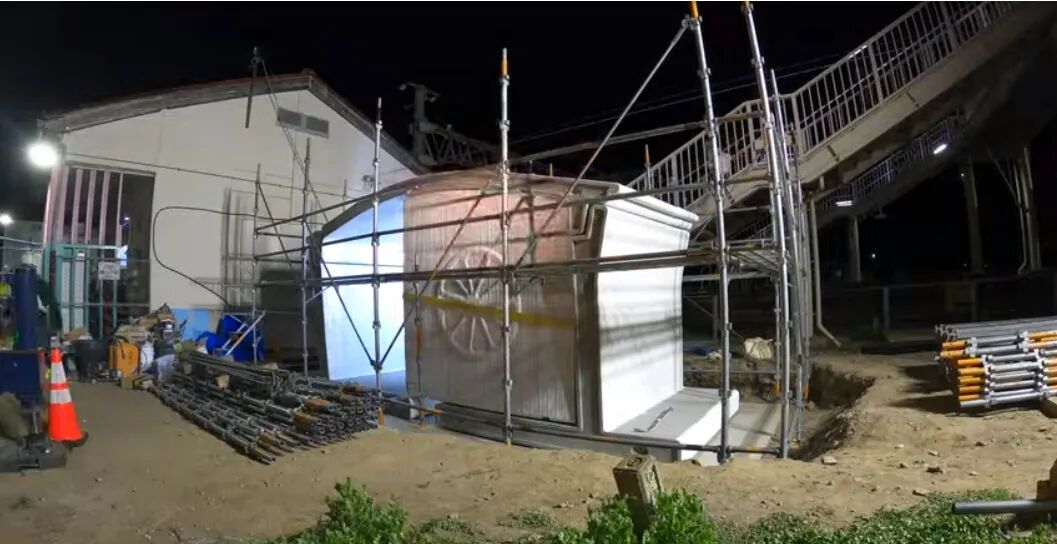
Serendix stated that 3D printing technology not only shortened the construction period (from the traditional 6 months to 2 months) but also reduced construction waste by approximately 40% and material consumption by 30%. The concrete used in the printing process incorporates industrial waste (such as fly ash), further enhancing sustainability. Additionally, the streamlined design of the wave-shaped roof effectively guides airflow, reducing energy consumption for air conditioning in summer, meeting the highest rating requirements of Japan’s “Green Building Standards”.
During construction, Serendix utilized a self-developed “mobile printing robot” equipped with a 6-axis robotic arm, achieving a printing accuracy of ±1 millimeter. The robot adjusts the printing path in real-time based on BIM (Building Information Modeling) data, ensuring perfect module dimensions.
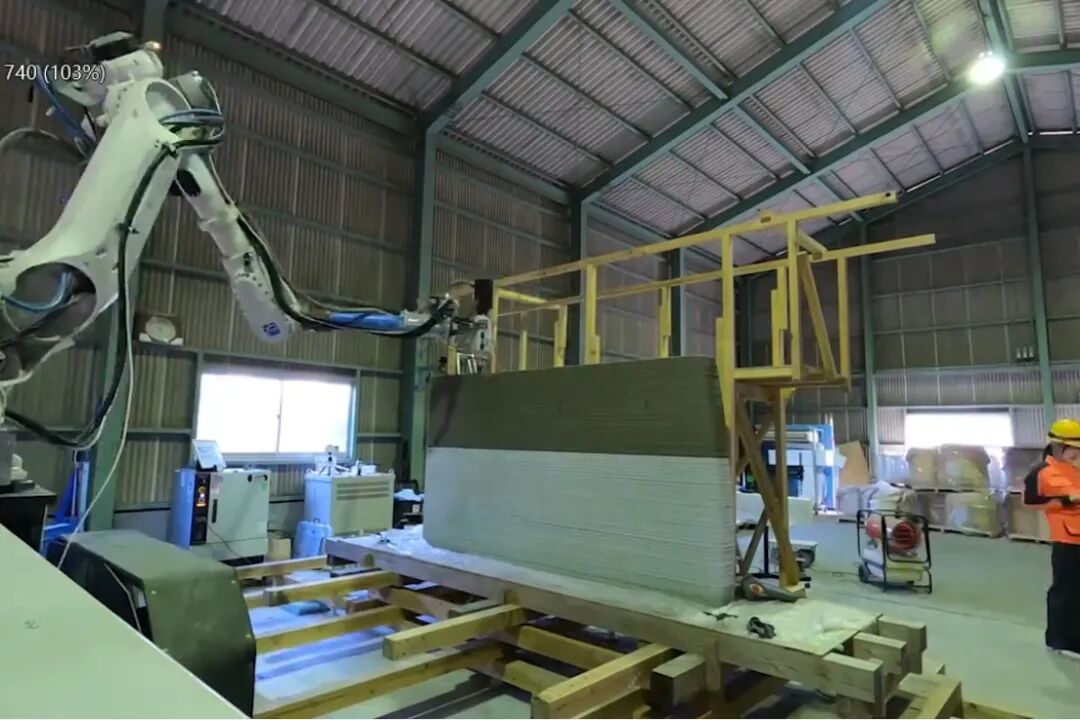
All modules were prefabricated in the factory and assembled on-site in just 6 hours. This 3D printed train station officially commenced operations in March this year, with an average daily passenger flow of about 500 people. Monitoring data from the first month of operation indicates that the building’s insulation performance exceeds design standards, with indoor temperatures in summer being 3-5°C lower than traditional buildings.
Serendix revealed that it has received orders from 10 local governments in Japan and plans to construct more 3D printed public facilities, including community centers and small libraries, over the next two years. Additionally, the company is developing recyclable printing materials, aiming for zero carbon emissions throughout the building’s lifecycle by 2027.
3D Printed Homes to Go on Sale in 2026
Furthermore, in August 2025, Japanese housing company Lib Work completed a 3D printed house primarily made of earth. This residence covers an area of 1,000 square feet and is located in Kumamoto Prefecture, Yamagata City.
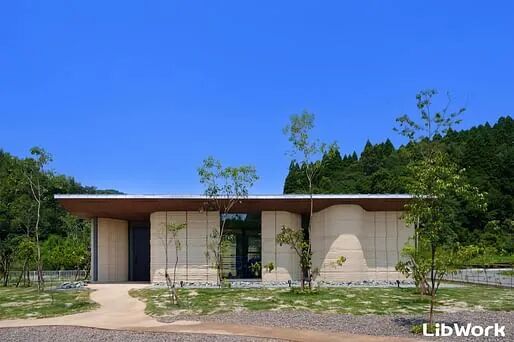
This house, named “Lib Earth House Model B”, was developed in collaboration with Arup Japan, Ogawa Design Studio, and Kyotani Architectural Design Office. Unlike the previous models that included cement, this new residence is constructed using natural materials, with earth as the primary component.
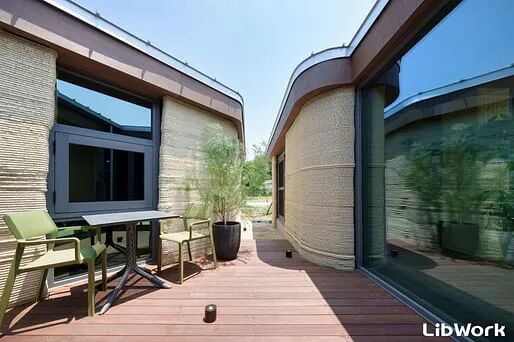
This residence also incorporates smart features, including sensors embedded in the walls that monitor temperature and humidity to detect potential condensation or damage over time. Other features include remote control of air conditioning, lighting, and bathing systems via mobile devices, as well as a keyless entry system using facial recognition.
The energy for the residence comes from an off-grid energy system that combines Tesla’s Powerwall storage device with rooftop solar panels. The design also emphasizes maximizing natural light and ventilation, featuring an internal courtyard and open living, dining, and kitchen areas.
Reservations for Model B residences will begin in August 2025, with full sales starting in January 2026. The company plans to build 10,000 such residences in Japan by 2040 and expand its business into franchising, commercial, and hotel applications, as well as other markets, particularly in Asia.
Source: Antarctic Bear 3D Printing